




Bronze Wall Sculpture
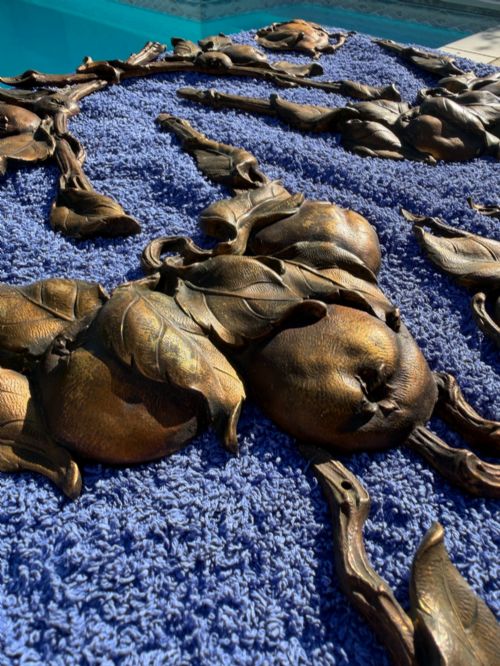
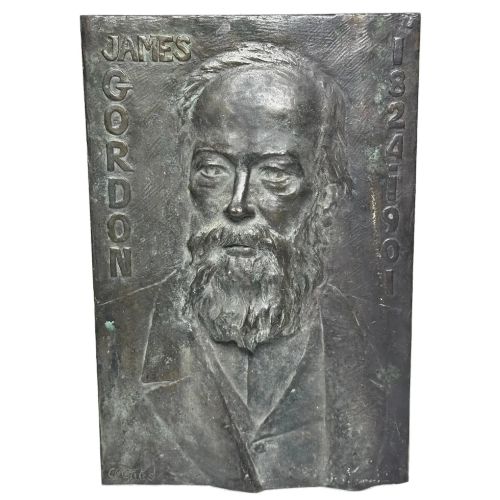
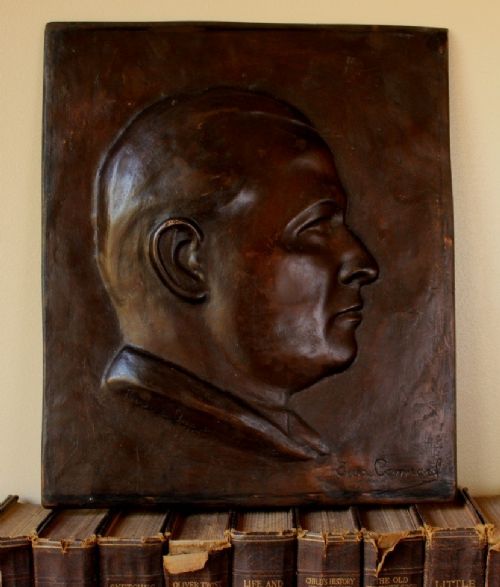
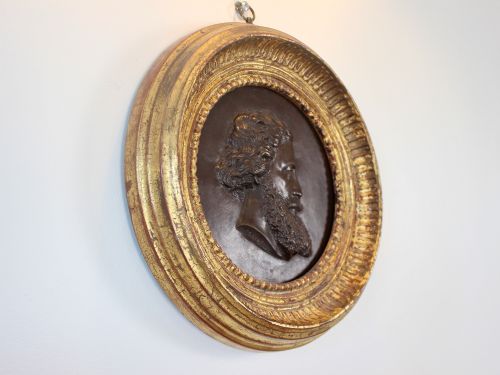
These bronze wall sculpture pieces bring classical relief work and portraiture directly to your interior walls.
Bronze Wall Sculpture
When you search for bronze wall sculpture, you encounter a varied selection of wall plaques, relief panels, and portrait heads intended for interior display. These pieces originate from periods spanning the eighteenth century through to the art deco era, incorporating diverse cultural and regional influences.
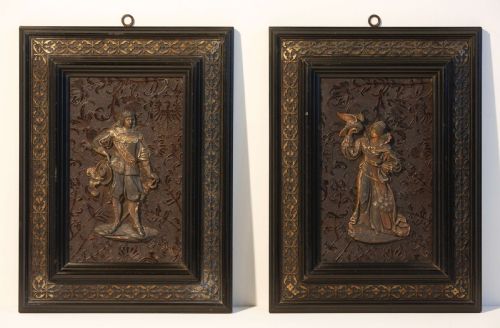
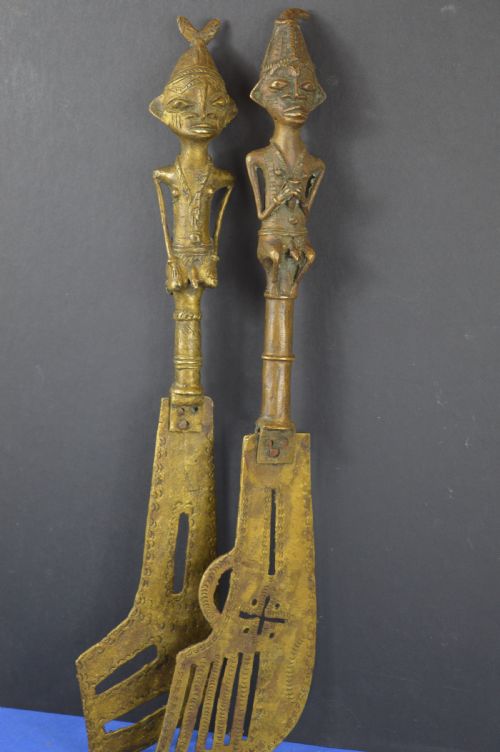
The objects on this page range from framed portrait profiles of notable figures to classical mythological scenes and tribal staffs. Wall plaques and relief plaques dominate the selection, offering dimensional metalwork designed to hang securely against a flat vertical surface.
How they were made
The works utilise cast bronze, gilt bronze, and bronzed copper, often combined with wooden mounts, giltwood frames, or ebonised wood backings. Makers also employed white metal, brass, and occasional plaster elements to achieve contrasting tones and surface textures within the relief compositions.
Techniques involve traditional metal casting, fine chasing, and surface gilding, alongside patination methods that darken or highlight specific details of the figures and backgrounds. Many pieces feature signature stamps, artist incisions, or foundry marks directly into the metal body.
Listings feature works from the eighteenth, nineteenth, and early twentieth centuries, constructed in bronze, copper, brass, and wood.
What varies in quality
Quality in these sculptural works depends upon the crispness of the cast and the sensitivity of the finishing hand-chasing. Superior examples display sharp facial expressions, clean drapery folds, and deliberate depth in the relief work that creates distinct shadows.
The integration between the metal sculpture and its supporting wooden mount or frame further distinguishes the tier of execution. Finer pieces demonstrate careful proportional balance between the primary bronze subject and any surrounding decorative border or plaque backing.
Poix Blin·Alice Gates·Eugene Canneel·Mainfroy·Gian Federigo Bonzagna·Coalbrookdale
The Bronze Wall Sculpture Glossary
- Relief plaque
- A flat-backed sculptural panel where the figures project from a background plane. This form is common among historical wall decorations.
- Gilt bronze
- Bronze metal that has been coated with a thin layer of gold or gold leaf. This technique adds a reflective finish to decorative metalwork.
- Applique
- An ornamental fitting or plaque applied to a larger surface, such as a wall or furniture panel. These pieces often feature integrated mounting points.
- Patination
- The natural or induced chemical colouring on the surface of bronze. This treatment alters the tone of the metal to achieve specific aesthetic effects.
- Maquette
- A small-scale preliminary model or sketch for a larger sculpture. These early versions capture the immediate hand of the artist before final casting.
Bronze Wall Sculpture: Frequently Asked Questions
How do I hang a bronze wall sculpture?
Most heavy metal plaques and reliefs require secure wall anchors and appropriate picture wire or built-in mounting brackets attached to wooden backings. Ensure the fixing matches the weight and composition of the specific piece.
Position the sculpture at eye level where direct lighting can catch the relief details and surface patination effectively.
What periods do these sculptures cover?
The available selection spans from the eighteenth century through the nineteenth century, Edwardian era, and into the art deco period. Each era brings distinct stylistic approaches, from classical revival portraits to stylised theatrical plaques.
Reviewing the listed dates and stylistic markers helps place each individual work within its historical context.
How should I clean a bronze plaque?
Dust the surface gently with a soft, dry cloth to prevent particulate buildup without disturbing the historical patination. Avoid abrasive cleaners, harsh chemicals, or water on metal and wood surfaces.
Preserving the original finish maintains the character and integrity of the sculpture over time.