
Bronze Urn Lamps
These bronze urn lamps bring classical form and warm illumination together, offering a stately presence derived from antique vessels and Grand Tour souvenirs.
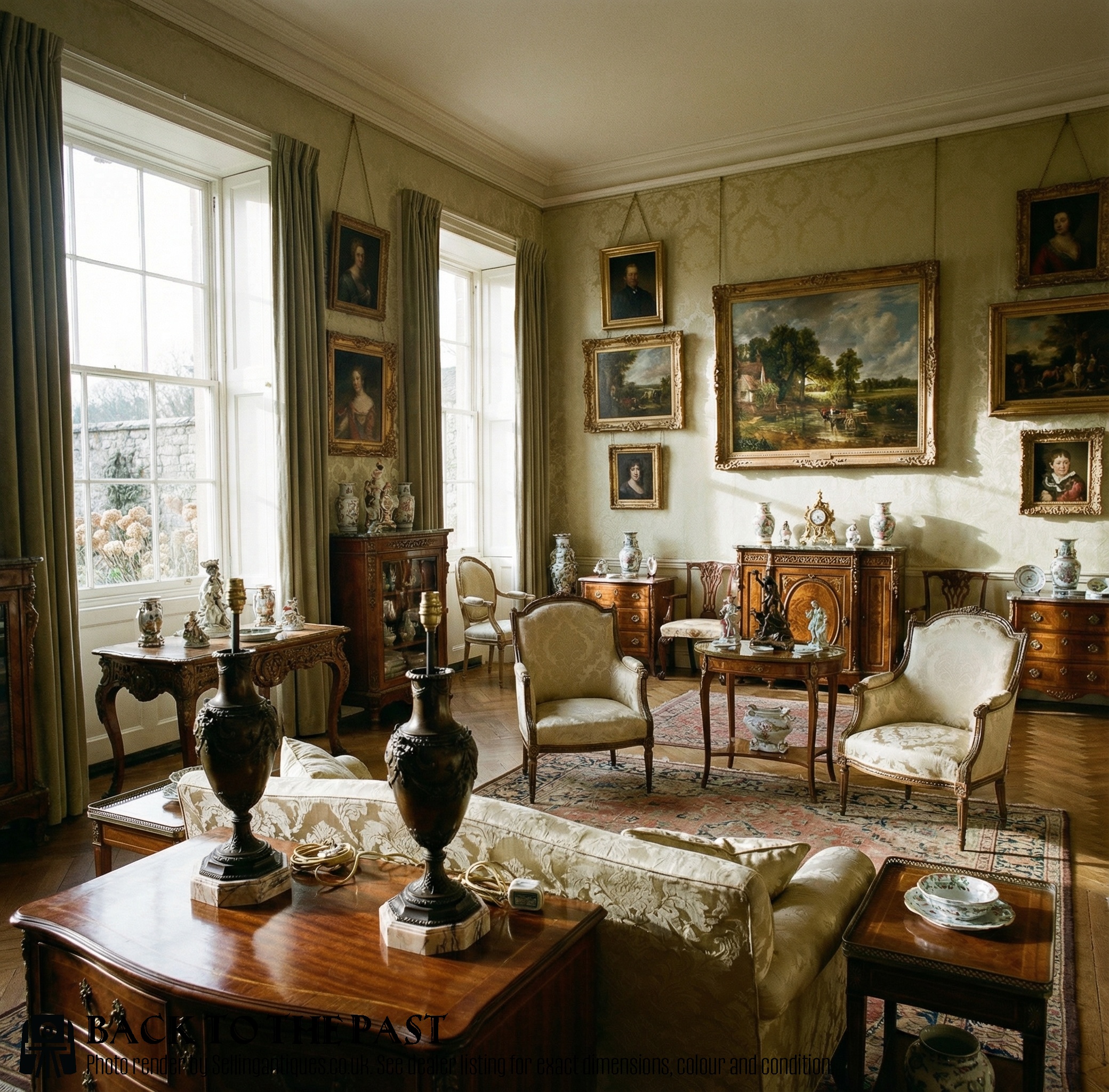
Bronze Urn Lamps
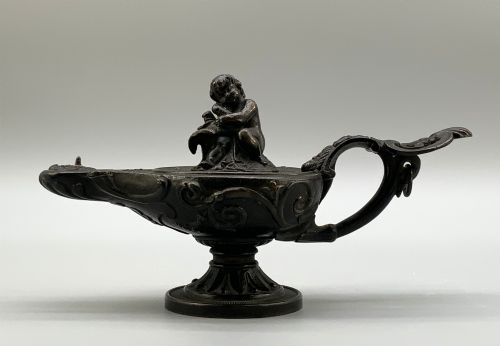
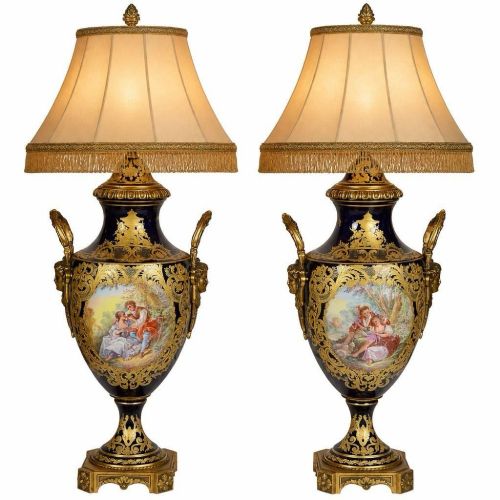
Bronze urn lamps combine classical vessel forms with functional lighting, originating primarily from nineteenth-century European and Asian workshops. When exploring bronze urn lamps, buyers encounter converted oil lamps, decorative vases, and cassolettes transformed into table lighting during past centuries or later decades.
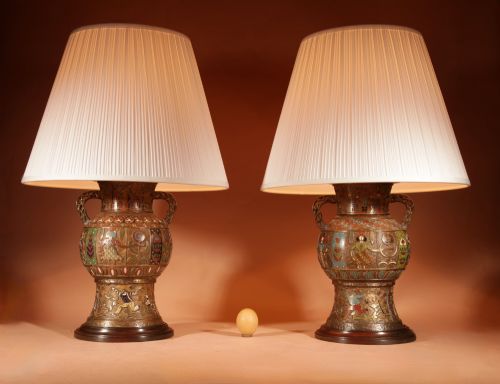
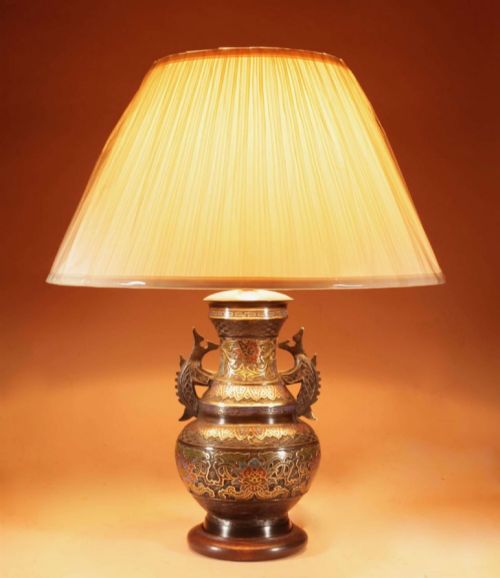
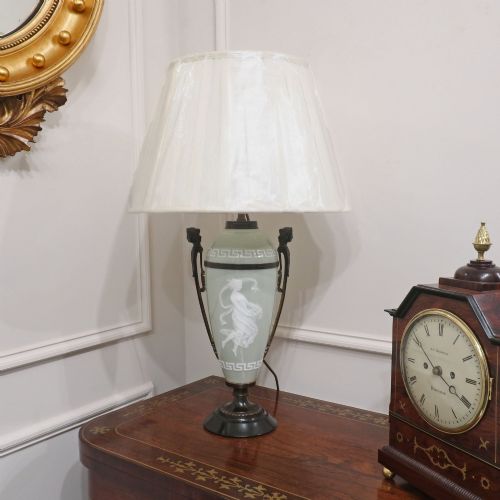
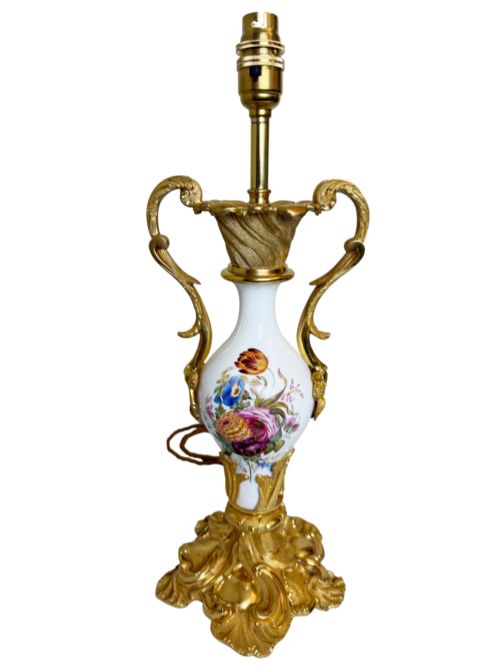
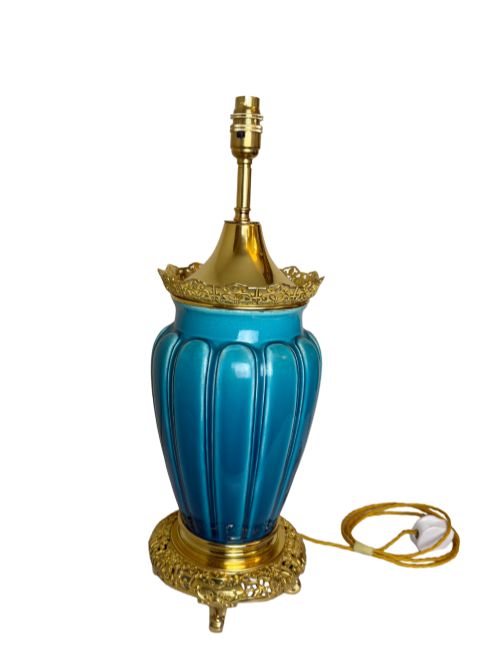
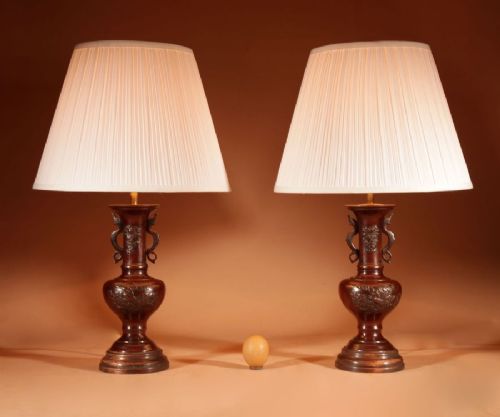
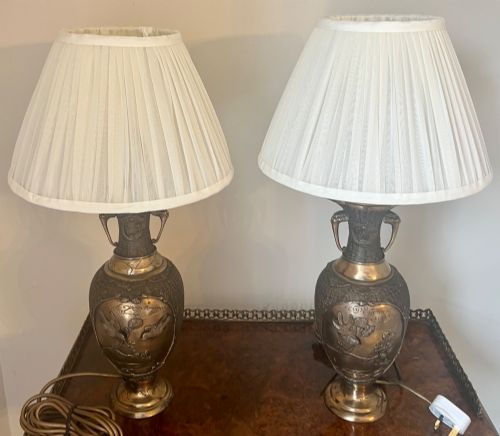
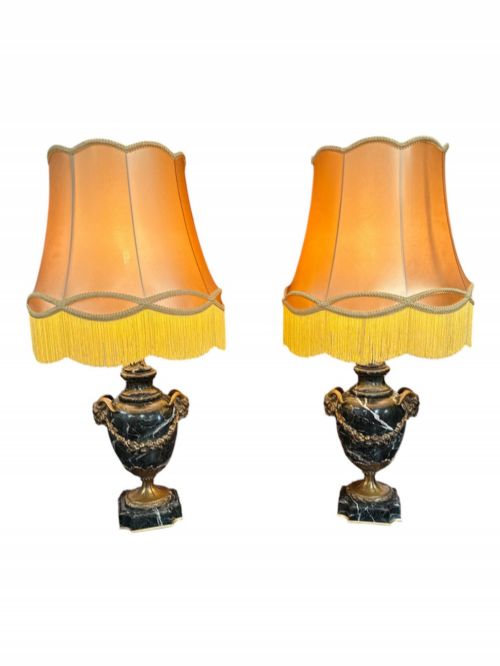
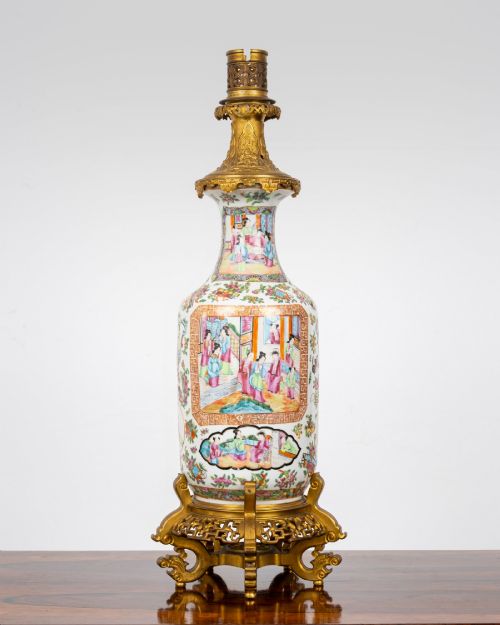
The selection ranges from French Neoclassical and Louis XVI style ormolu-mounted marble bodies to Japanese Meiji period bronzes and Chinese porcelain vessels with gilt bronze mounts. Most examples date from the nineteenth century, drawing heavily on classical inspiration, Chinoiserie, and French chateau aesthetics.
How they were made
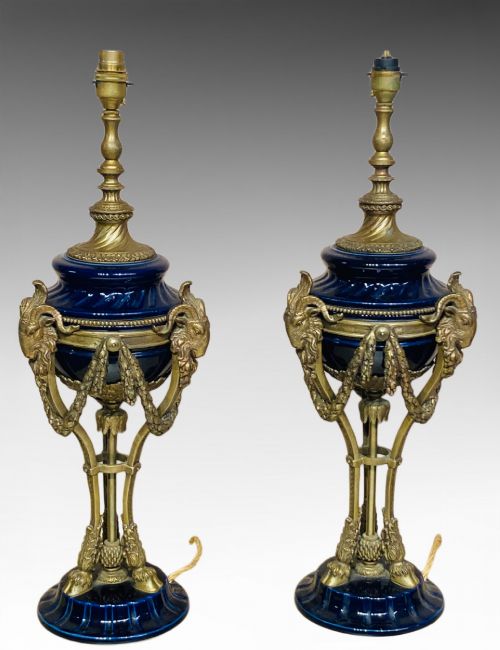
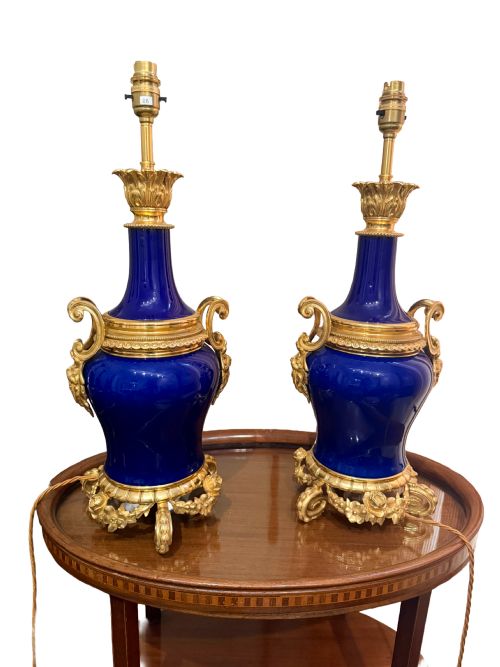
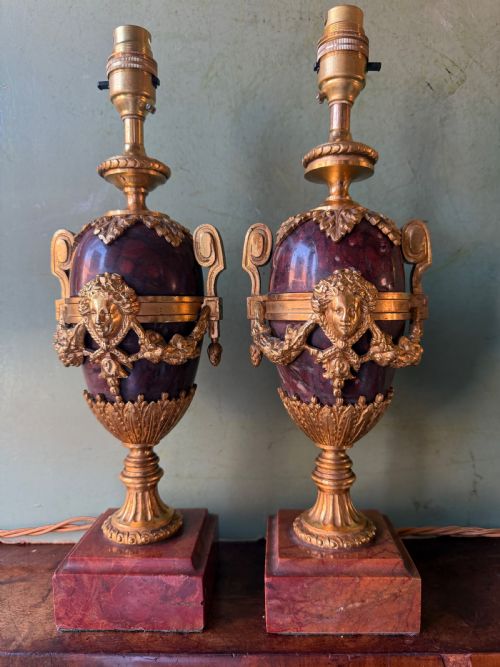
Maker-artisans utilised cast bronze, brass, and gilt bronze, often combining metalwork with carved marble, rouge royal or green marble, and hand-painted porcelain. Ormolu mounts were meticulously cast, chased, and gilded to accent handles, rims, and bases.
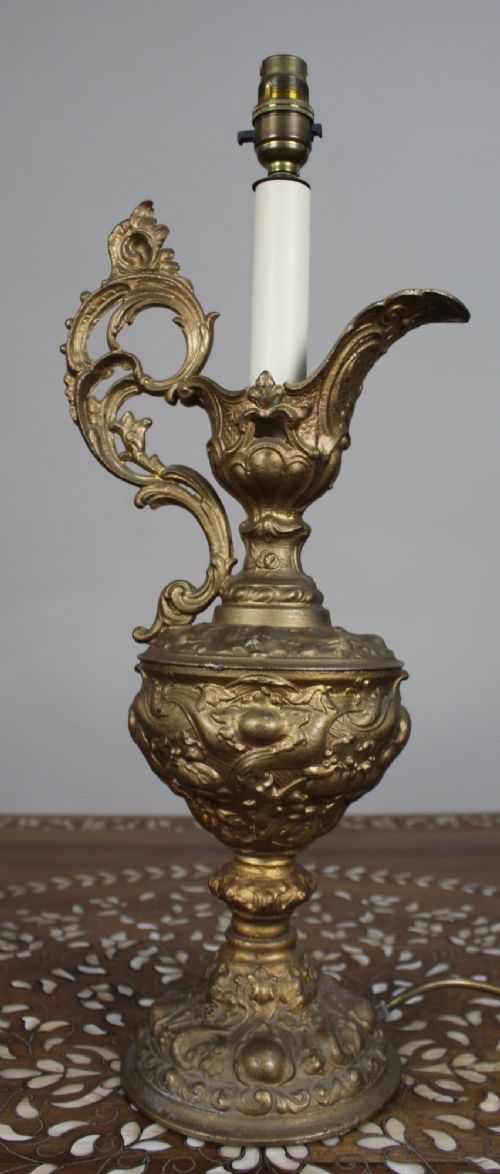
Many bodies began as decorative ewers, lidded vases, or classical urns before later conversion into table lamps. Fabric shades complete the construction, paired with internal electrical fittings suited to modern use.
Listings feature pieces spanning the nineteenth and early twentieth centuries, incorporating materials such as gilt bronze, ormolu, porcelain, and marble.
What varies in quality
The sophistication of the casting and chasing work separates standard pieces from finer examples, particularly in the crispness of ormolu mounts and bronze reliefs. Finer items exhibit deep hand-chasing on metalwork and select materials like heavy rouge marble or fine porcelain.
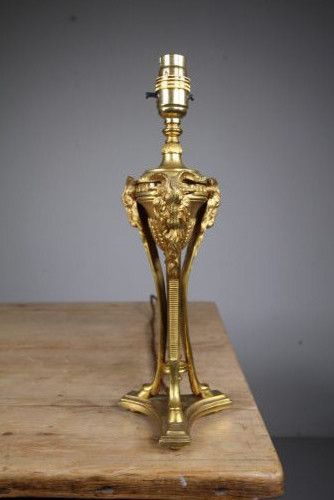
Proportion and harmony between the vessel body and the mountings dictate visual balance. Superior examples demonstrate integrated design where handles, rams heads, or putti reliefs complement the natural contours of the urn.
The Bronze Urn Lamps Glossary
- Ormolu
- Gilt bronze, typically referring to finely finished and gilded bronze mounts applied to furniture, porcelain, and marble bases.
- Cassolette
- A decorative vessel shaped like a vase or urn, often featuring a reversible lid that functions as a small bowl or burner.
- Neoclassical
- A style spanning the eighteenth and nineteenth centuries that draws inspiration from the classical art and architecture of ancient Greece and Rome.
- Champlevé
- An enamelling technique where troughs or cells are carved into the surface of a metal object and filled with enamel before firing.
- Meiji Period
- The era in Japanese history spanning from 1868 to 1912, noted in these listings for high-quality decorative bronze work.
Bronze Urn Lamps: Frequently Asked Questions
What are bronze urn lamps?
These pieces are decorative urns, vases, and classical vessels that have been adapted into table lamps. They utilise materials like bronze, marble, porcelain, and ormolu.
Most date from the nineteenth century, reflecting French Neoclassical, Louis XVI, or Oriental design traditions. Their conversion from oil lamps or display pieces happened across different periods.
Were they originally made as lamps?
Many examples began life as decorative cassolettes, ewers, or lidded vases rather than lighting fixtures. They were subsequently converted into table lamps during the nineteenth or early twentieth century.
This adaptation process preserves the original artistry of the classical vessels while integrating electrical wiring for contemporary domestic use.
How do I style them at home?
These lamps suit formal sitting rooms, libraries, or hallway consoles where their classical proportions provide a strong focal point. They pair well with traditional wooden furniture, marble surfaces, and rich textiles.
Their substantial weight and decorative mounts allow them to anchor a room scheme, whether placed singly or as a balanced pair on matching side tables.
How do I tell French and Asian pieces apart?
French pieces typically feature ormolu mounts, rouge or green marble bases, and stylistic references to Louis XVI or Neoclassical design. Motifs often include putti reliefs, rams heads, and Sevres style porcelain.
Asian examples from the Meiji period or China focus on patinated bronze surfaces, Champlevé enamelling, and oriental vase forms mounted with gilt bronze trims.