

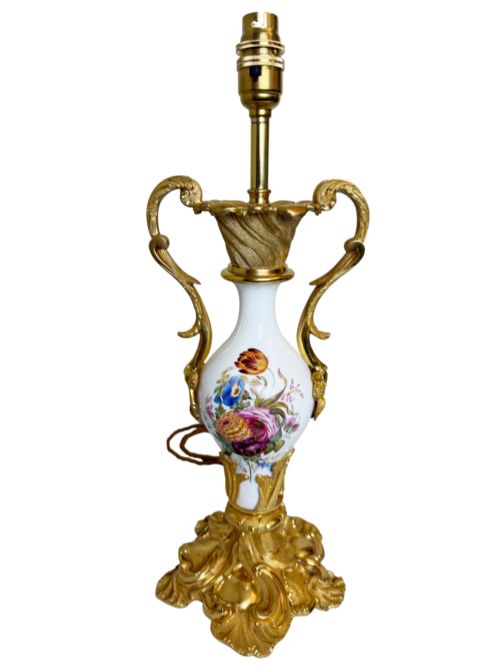
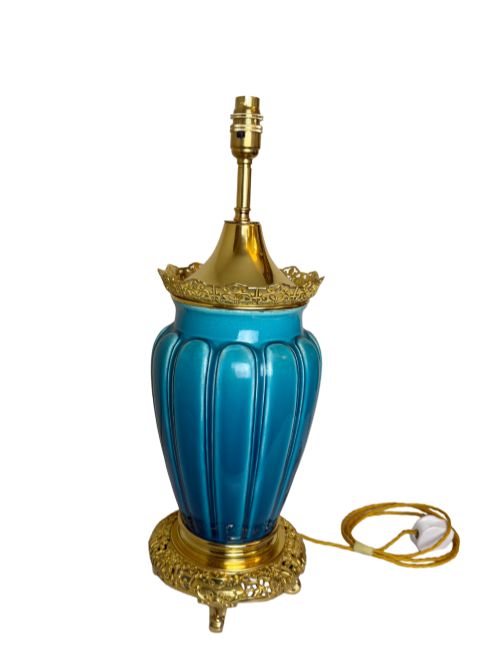
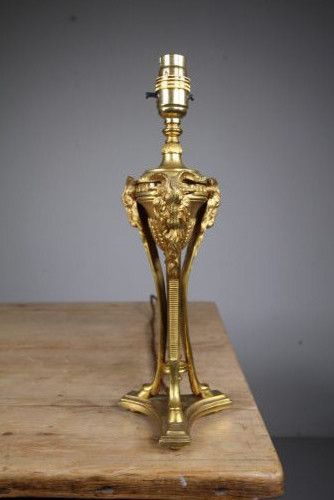
Vintage Accent Lighting
Vintage accent lighting brings character to a room through task and decorative pieces crafted in brass, bronze, glass, and wood.
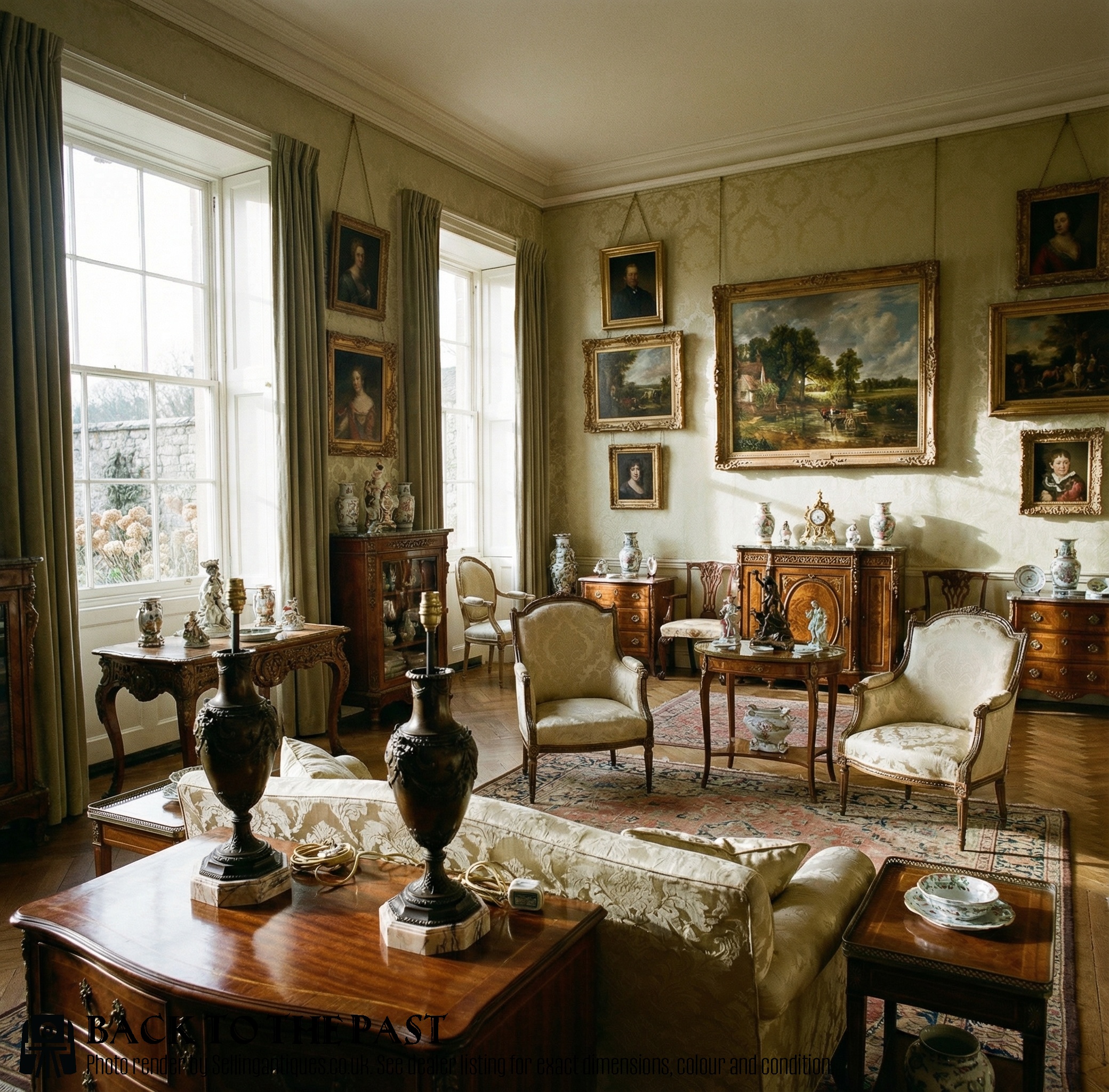
Vintage Accent Lighting
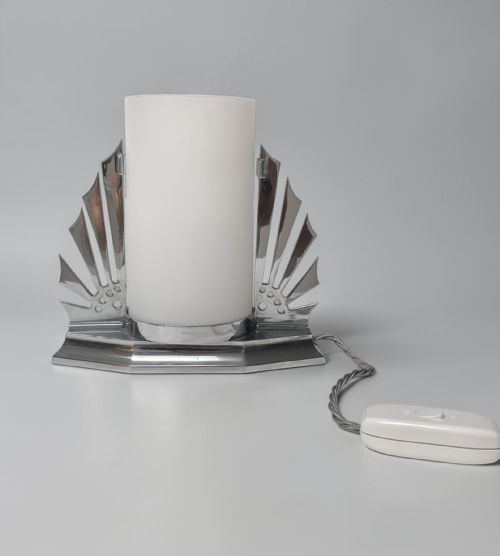
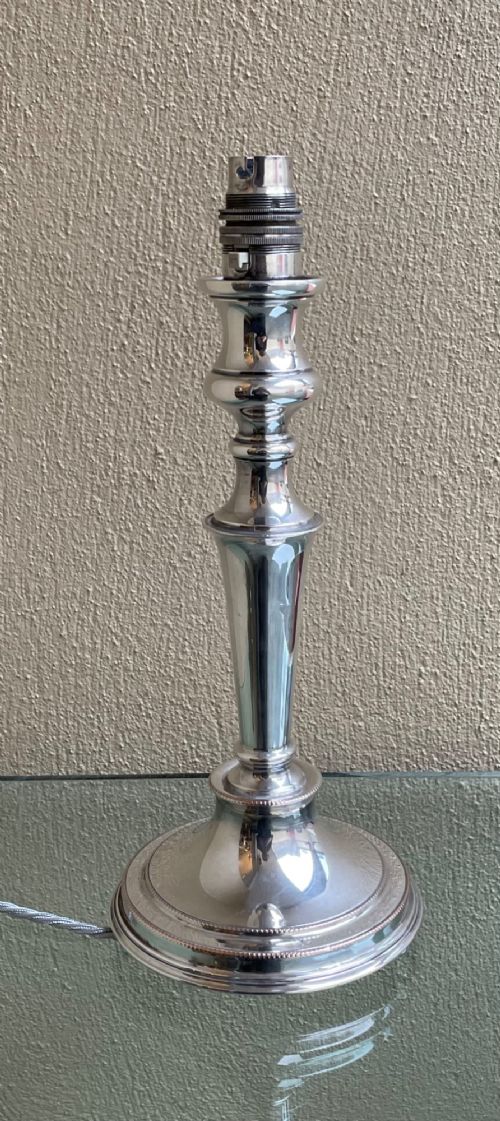
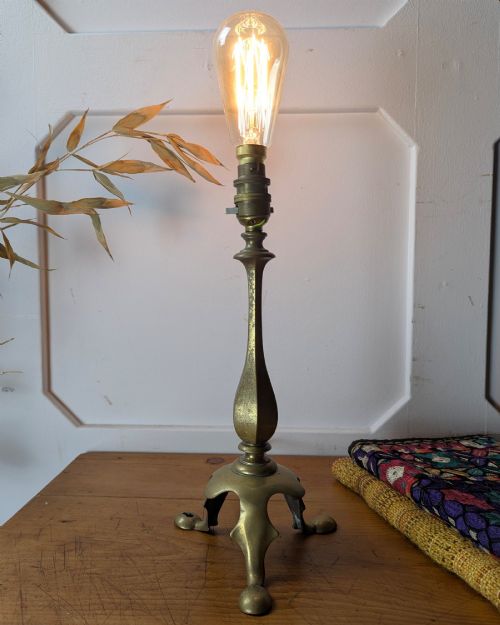
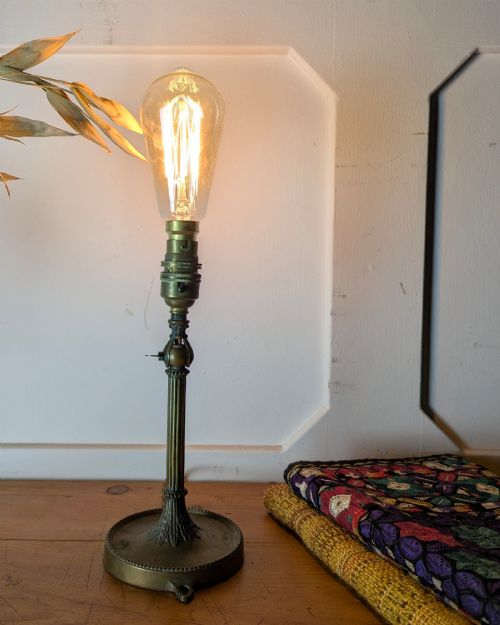
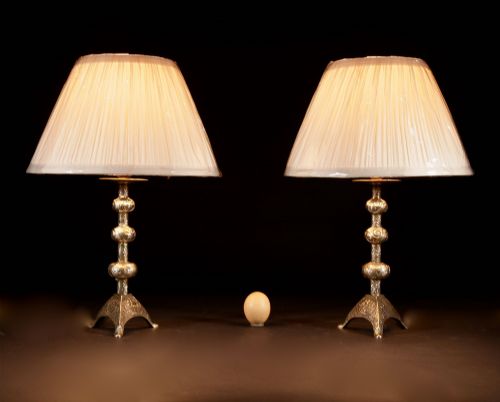
Vintage accent lighting encompasses pieces designed to illuminate specific corners or surfaces rather than flood a room with broad light. When searching for vintage accent lighting, buyers encounter portable lamps, candlesticks, and wall-mounted fixtures originating from the Victorian era up through the Art Deco period.
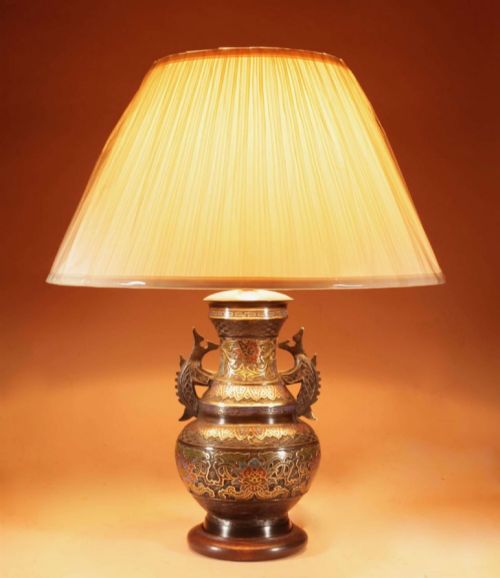
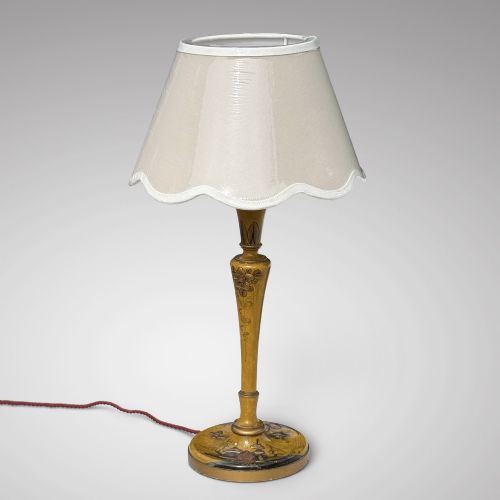
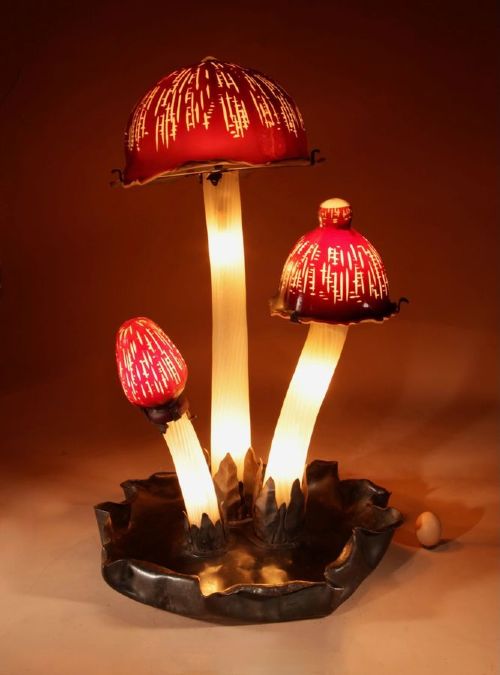
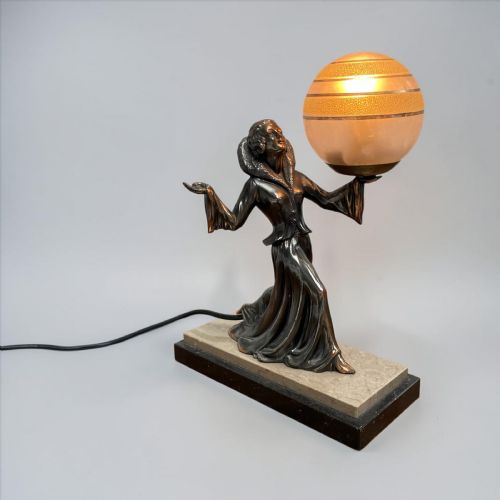
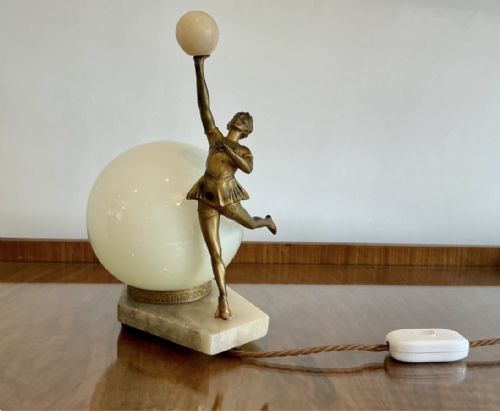
The selections span distinct historical styles, including ornate Gothic Revival, Chinoiserie, and streamlined Art Deco designs. Table lamps dominate the offerings, often taking the form of figural lady lamps, classical urns, or functional library fixtures.
Materials range from polished brass and gilt bronze to carved wood, marble, and coloured glass. Pieces originate from various European and international workshops, reflecting the aesthetic priorities of their respective decades.
Materials and construction
Makers utilised cast metals such as brass, gilt bronze, and copper, frequently combining them with stone bases made from marble, onyx, or alabaster. Metalwork involved casting, chasing, and patination to achieve surface depth.
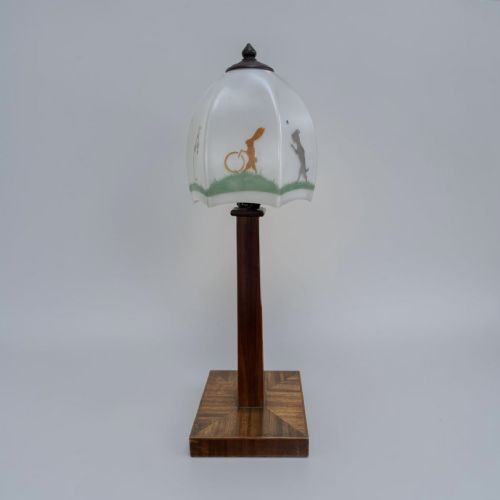
Glass components include opaline, crystal, and mottled glass, often shaped into shades or bodies using mould-blowing techniques. Wooden fixtures utilise oak, satin birch, and lignum vitae, shaped through turning and framing.
Decorative elements incorporate hand-painted lacquering, porcelain inserts, and champlevé enamel work. These varied media came together using mechanical fixings appropriate to the nineteenth and early twentieth centuries.
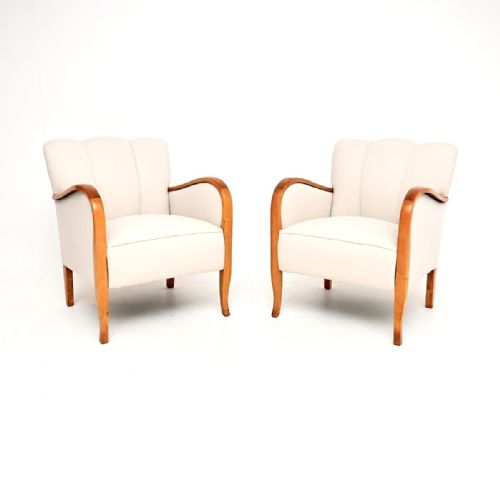
Object forms range from traditional table lamps and candlesticks to wall-mounted fixtures, side chairs, and decorative urns.
Distinguishing quality in older lighting
Quality rests in the precision of the casting and the weight of the materials used in the body and base. Heavier gauge brass, crisp chisel work on bronze mounts, and substantial marble or hardwood plinths separate superior pieces from standard production.
The integrity of the decorative finish dictates distinction. Hand-painted lacquer, properly fired porcelain, and unblemished opaline or moulded glass demonstrate superior craftsmanship compared to plain or heavily worn surfaces.
Coherence of design marks better examples, where shades, fittings, and bases belong to a unified aesthetic conception rather than appearing as mismatched later additions.
The Vintage Accent Lighting Glossary
- Ormolu
- Gilded bronze, where a layer of gold is applied to a bronze base using mercury or electroplating. This technique gives objects a rich metallic lustre.
- Opaline glass
- An opaque or translucent glass, often pastel in colour, popular for lighting shades during the nineteenth and early twentieth centuries. It diffuses light softly.
- Champlevé
- An enamelling technique where troughs are carved into a metal surface and filled with vitreous enamel before firing. It creates patterned decorative colour fields.
- Alabaster
- A fine-grained, translucent stone used for sculpted lamp bases and figures. It allows light to pass through in thin sections, creating a warm glow.
- Baluster
- A moulded shaft or column supporting a lamp body or architectural element, characterised by a swelling lower portion tapering towards the top.
Vintage Accent Lighting: Frequently Asked Questions
How do I date vintage accent lighting?
Dating relies on identifying stylistic markers, manufacturing techniques, and materials characteristic of specific decades. Art Deco pieces display geometric lines and moulded glass, while Victorian items often feature heavier bronze, floral motifs, or classical revival themes.
Examination of switches, plugs, and internal wiring also helps narrow down the period, though many pieces have been re-wired for modern use.
Are these lamps safe to use today?
Most vintage lamps require inspection and potential rewiring by a qualified electrician to meet current safety standards. Original wiring from the nineteenth or early twentieth century degrades and rarely complies with modern electrical codes.
Retaining original sockets and switches is sometimes possible during rewiring, preserving the historical integrity of the piece while ensuring safe daily operation.
How do I clean metal lamp bases?
Cleaning depends entirely on the metal finish and the presence of patination. Solid brass and unlacquered bronze can be polished gently with appropriate metal creams, though many collectors prefer to keep the aged patina intact.
Gilt surfaces and lacquered finishes require only a soft, dry cloth, as abrasive cleaners will strip the delicate outer layer.
What bulb should I use?
Low-wattage LED bulbs are generally recommended for vintage lighting because they generate minimal heat. Excess heat can damage fragile materials like old fabric cords, painted lacquer, or antique glass shades.
Matching the colour temperature of the bulb to the period aesthetic helps replicate the warm, directional glow intended by the original maker.