



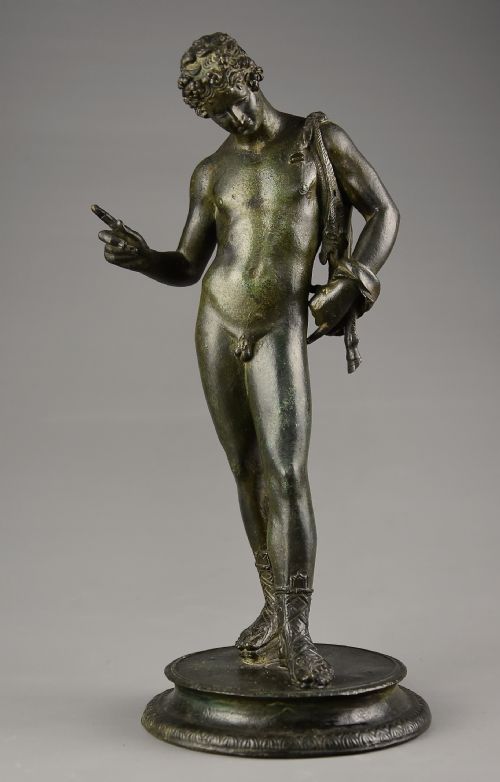
Bronze Nude Figurine
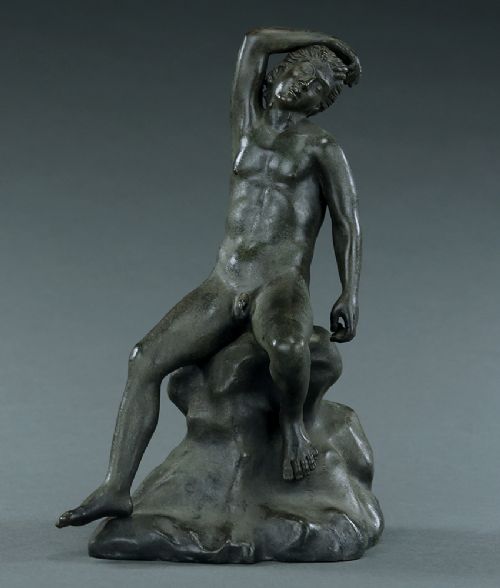
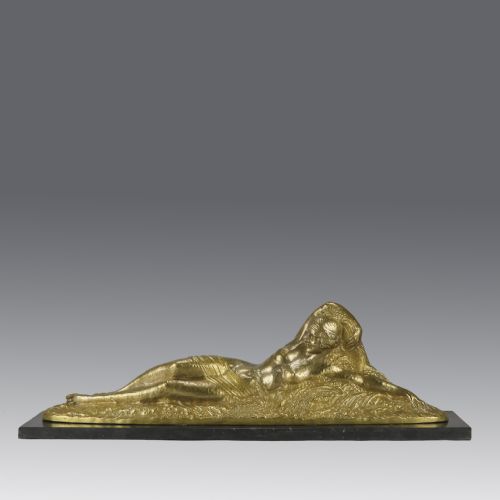
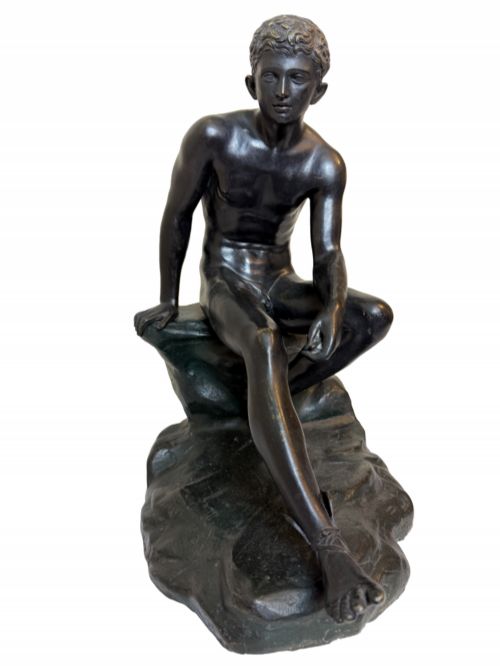
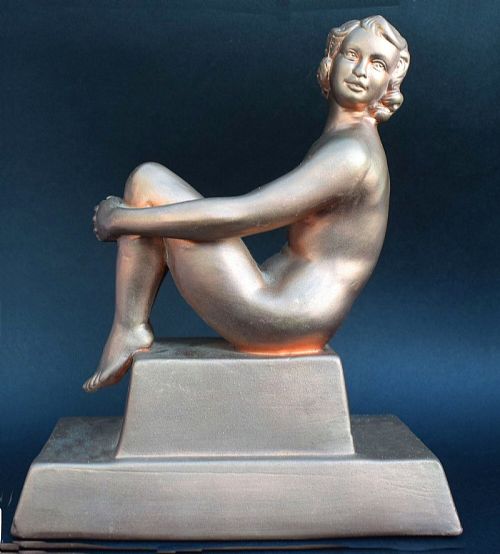
These pieces, collected as a bronze nude figurine, capture the human form in metal through centuries of changing artistic tastes.
Bronze Nude Figurine
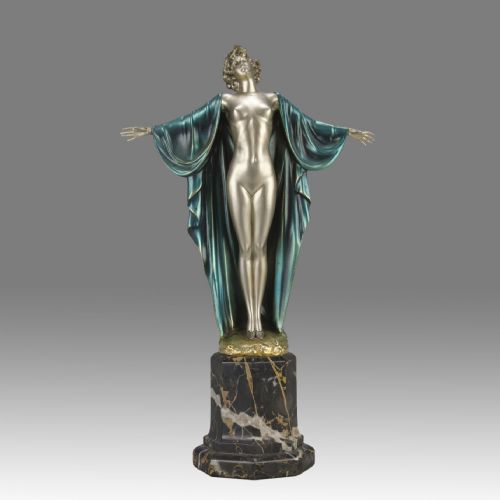
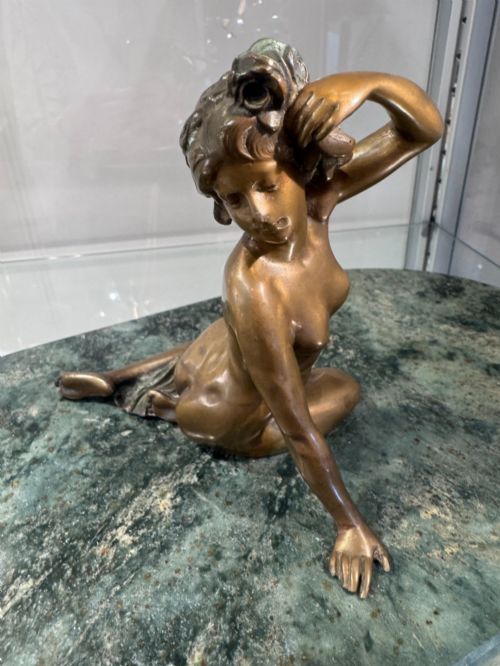
A bronze nude figurine represents the human figure without clothing, rendered in metal through casting methods developed over generations. These works range from classical subjects inspired by antiquity to stylised figures created during the twentieth century.
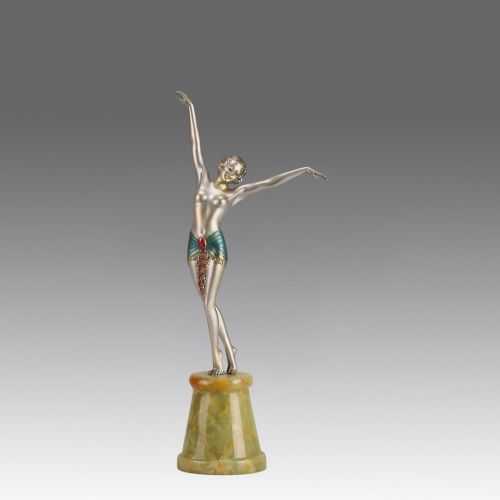
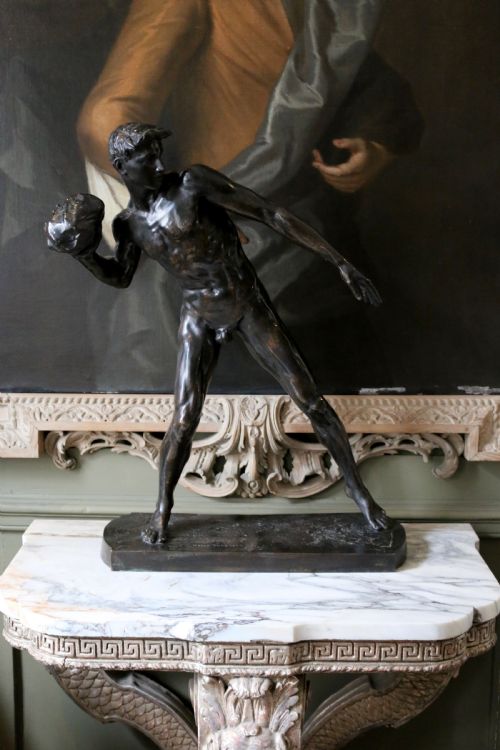
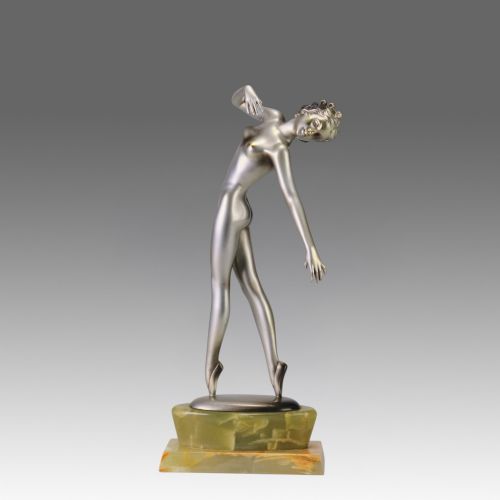
The versions most commonly met on this page date from the nineteenth and early twentieth centuries, spanning Victorian, Art Nouveau, and Art Deco movements. Subjects include mythological figures, dancers, athletes, and allegorical representations of morning or spring.
Many smaller sculptures function as cabinet pieces, desk ornaments, or car mascots, while larger examples stand on marble or onyx bases. They bridge domestic decorative arts and classical sculpture traditions.
Materials and casting methods
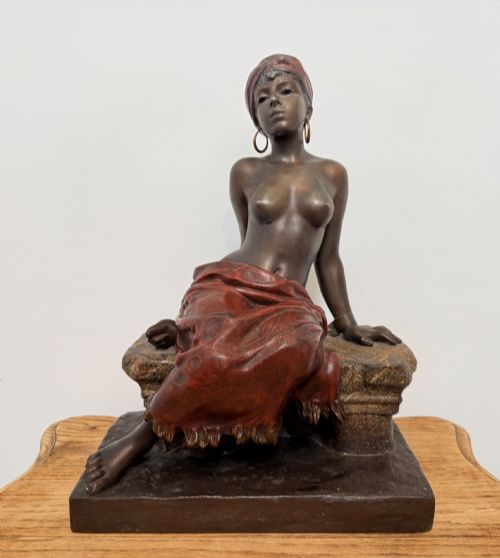
Foundry work relies on metal alloys, primarily bronze, alongside gilt bronze, silvered bronze, and spelter. These metals are cast and then finished with patination, ranging from dark green and verdigris to cold-painted polychrome details.
Many figures are mounted on contrasting plinths made of marble or onyx, providing stability and visual weight. Enamel accents occasionally appear on twentieth-century works to add colour and decorative surface pattern.
The frog prince makes an unexpected appearance among classical dancers and solemn athletes.
Distinctions in craftsmanship
The quality of the patination or cold-painted surface alters the visual depth of a figure, with applied pigments or chemical patinas ageing distinctly over time. The integration between the bronze figure and its stone base also indicates the care taken during assembly.
Ferdinand Preiss·Josef Lorenzl·Hamo Thornycroft·Demetre Chiparus·Bergman·Sibylle May·Hector Lemaire·Aristide Maillol·Maurice Guiraud Riviere·Hebrard·Canova·Pierre Le Faguays·Claire Jeanne Roberte Colinet·Edmond Leveque·Paul de Boulogne·Paul Philippe
The Bronze Nude Figurine Glossary
- Patination
- The chemical treatment or natural oxidation applied to the surface of metal to produce colour and tone. This finish protects the bronze while defining highlights and shadows.
- Cold-painted
- A technique where paint is applied to a cold metal object rather than fired in a kiln. This method is frequently found on Austrian figures from the early twentieth century.
- Spelter
- A zinc-based alloy used as an economical alternative to bronze for sculptural figures. It often receives a bronze-coloured metallic coating to mimic heavier metal.
- Grand Tour
- A cultural journey through Europe undertaken by wealthy young men during the eighteenth and nineteenth centuries. Souvenirs included miniature bronzes cast after classical antique sculptures.
- Cire perdue
- The lost-wax casting method allowing intricate detail by melting away the wax model from the surrounding mould before pouring molten metal.
Bronze Nude Figurine: Frequently Asked Questions
What is cold-painted bronze?
Cold-painted bronze refers to metal sculptures decorated with unfired paints, often using natural pigments applied over a prepared surface. This technique allows for polychrome details on garments and skin.
Invented workshops in Vienna popularised the method for small decorative figurines and animal groups during the late nineteenth and early twentieth centuries.
How do I distinguish bronze from spelter?
Bronze is a heavy, durable copper alloy that rings when struck gently and takes a rich chemical patina. Spelter is a lighter zinc alloy that feels softer and shows grey metal beneath surface wear.
Many twentieth-century decorative figures use spelter as a cost-effective substitute for cast bronze.
What is a Grand Tour bronze?
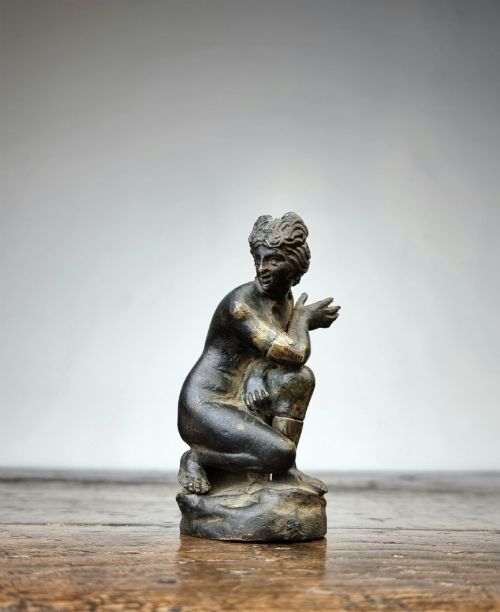
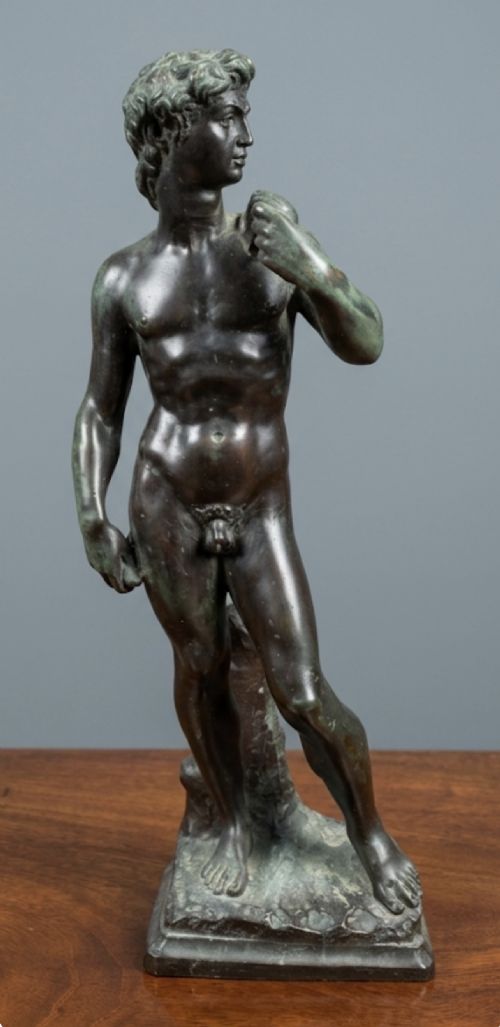
Grand Tour bronzes are small-scale reproductions of classical statues cast in Italy or France for travellers touring classical sites. They document famous ancient sculptures housed in European museums.
These pieces often feature dark or verdigris patination designed to simulate excavated antiquities.
How should I clean a bronze figure?
Dust bronze figures gently with a soft, dry brush to prevent dirt accumulation in crevices. Avoid using water, soap, or metal polishes that strip historical patination.
Applying a light microcrystalline wax preserves the surface finish against atmospheric moisture.