

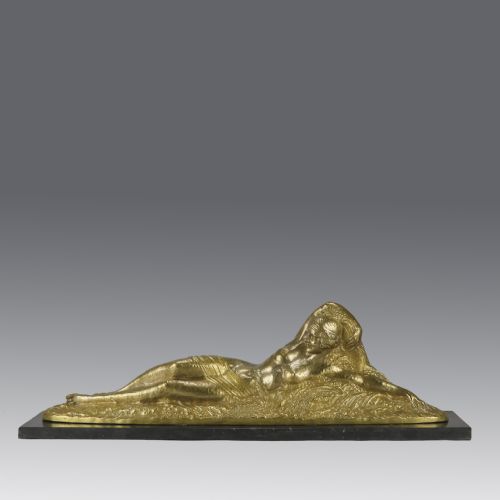


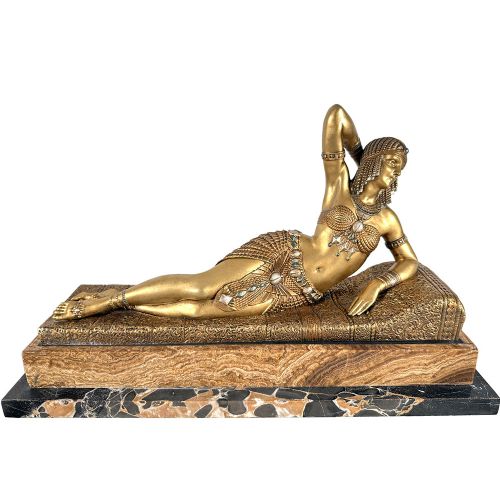


Reclining Nude Bronze
These reclining nude bronze figures capture the human form with enduring grace, offering tactile elegance and classical poise for any interior.
Reclining Nude Bronze
When you search for reclining nude bronze pieces, you encounter sculptural works that portray the human form in repose across various historical periods. The inventory spans from nineteenth century French classical interpretations to twentieth century creations.
You meet several distinct object types on this page, including standalone sculptures, figurines, and functional bookends. The materials extend beyond metal alone, frequently incorporating stone bases.
The dominant style represented is Art Deco, alongside nineteenth century French and neoclassical examples. These diverse forms reflect changing artistic tastes in figure sculpture over several decades.
How They Were Made
The pieces are cast in metal, predominantly bronze alongside patinated and gilt variants, and occasionally alternative alloys such as spelter. These metal figures are frequently mounted onto heavy stone plinths made from marble, onyx, or slate.
Surface finishes vary through patination or gilding, which alters the visual texture and tone of the metal. Artisans shaped these materials into figurative studies with detailed attention to posture and drapery.
Reclining Nude Bronze Retail Price Guide 2026
Typical asking prices for reclining nude bronze among the pieces listed under this phrase on Sellingantiques today, from the lower quarter to the upper quarter. They describe what is for sale here now, not the wider market.
The inventory combines standalone sculptures and figurines with functional bookends mounted on marble, onyx, and slate.
What Varies in Quality
The distinction between tiers rests upon the fidelity of the casting and the nuance of the surface finish. Finer examples display crisp anatomical definition and deliberate patination that enhances the sculptural depth.
The integration of the metal figure with its stone base also indicates quality, where marble, onyx, or slate is selected and cut to complement the reclining posture above.
Demetre Chiparus·Josef Lorenzl·Sibylle May·Edmond Leveque·James Pradier·Susse Freres·Ugo Cipriani
The Reclining Nude Bronze Glossary
- Patinated bronze
- Bronze that has been chemically treated to alter its surface colour. This process creates subtle tones ranging from deep brown to green.
- Gilt bronze
- Metal covered with a thin layer of gold or gold-coloured material. It provides a bright, reflective surface finish.
- Spelter
- A zinc alloy commonly utilised as a substitute for bronze in decorative figures. It offers a lighter weight alternative for sculptural objects.
- Neoclassical
- An artistic style inspired by the classical art and culture of ancient Greece and Rome. It emphasises balance, proportion, and restrained elegance.
- Art Deco
- A design style characterised by sleek lines, stylised forms, and modern geometric influences. It flourished internationally during the interwar period.
Reclining Nude Bronze: Frequently Asked Questions
What periods do these sculptures date from?
The pieces span from the nineteenth century through to the early twentieth century, encompassing works created around eighteen eighty and the nineteen twenties and thirties.
This broad chronological range includes both nineteenth century French classical traditions and later Art Deco interpretations.
How were these decorative items used?
These pieces functioned primarily as standalone sculptural artworks for display on desks, mantelpieces, or dedicated stands within domestic interiors.
Some specific examples, such as classical ladies sculptures, were also adapted and weighted to serve as functional bookends.
What styles are most common here?
Art Deco is heavily represented among the twentieth century figures, showcasing stylised depictions of the human form.
Alongside this, nineteenth century French and neoclassical aesthetics appear in works depicting classical subjects and mythological figures like Ariadne.