
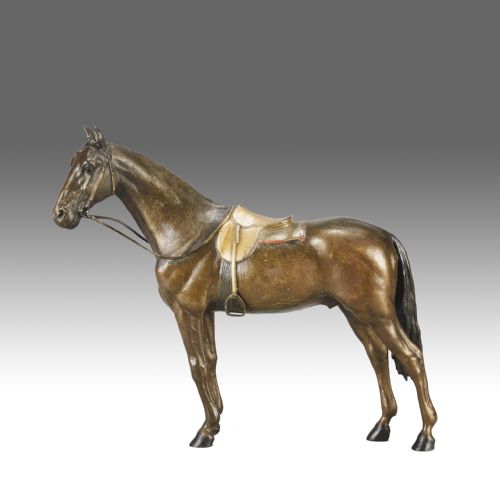
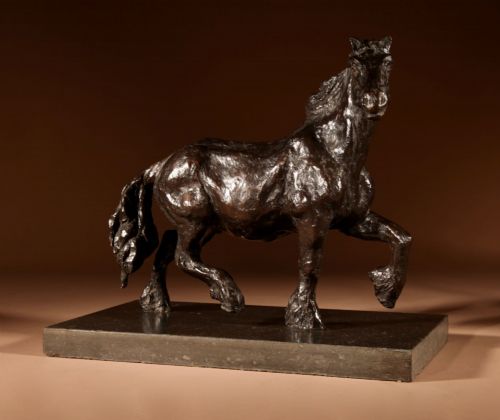
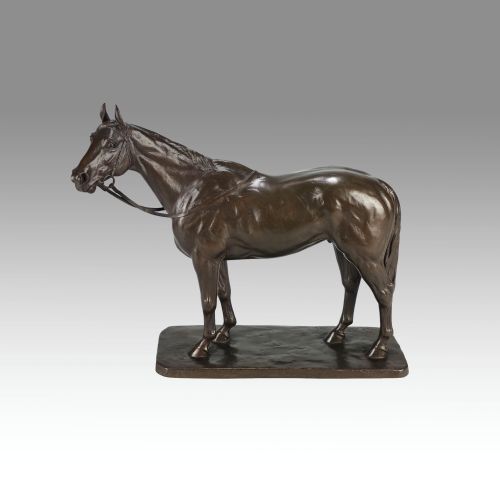
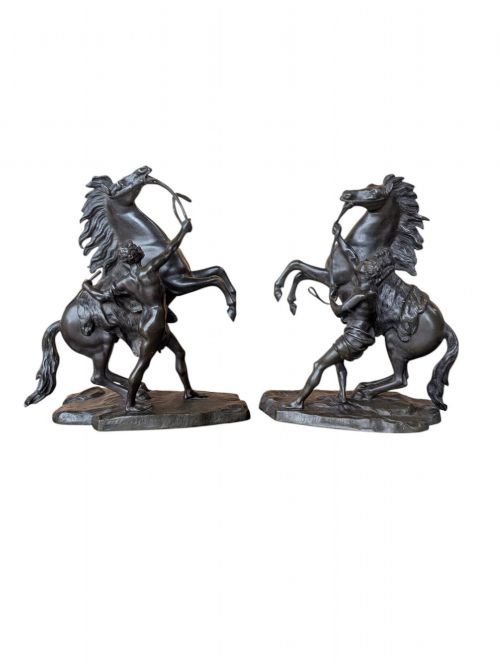
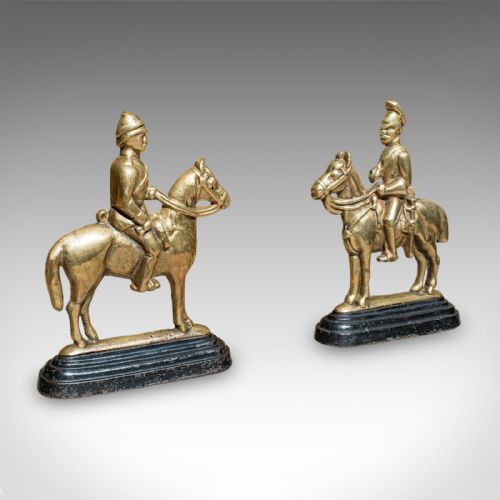
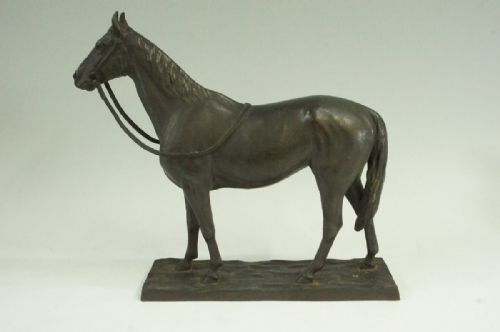
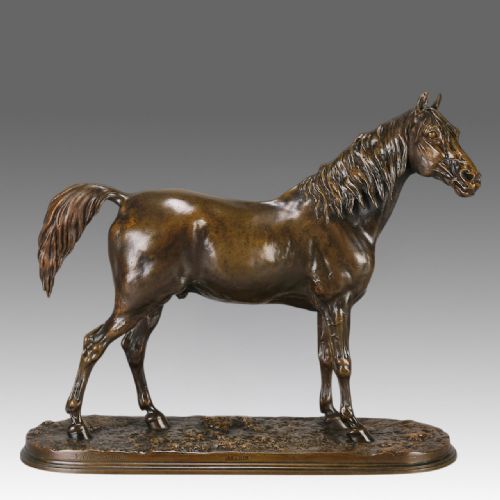

Bronze Horse Figurine
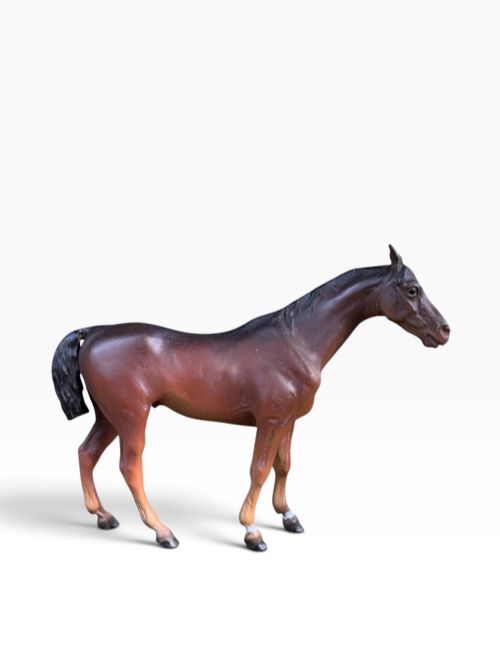
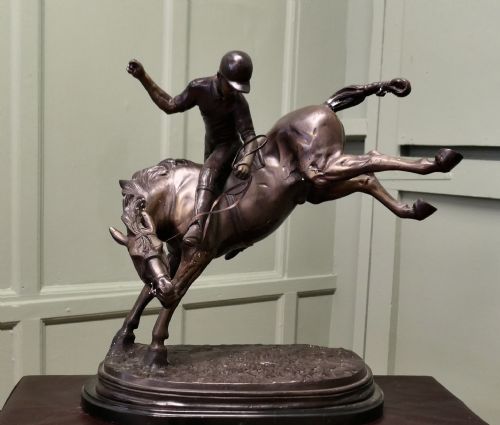
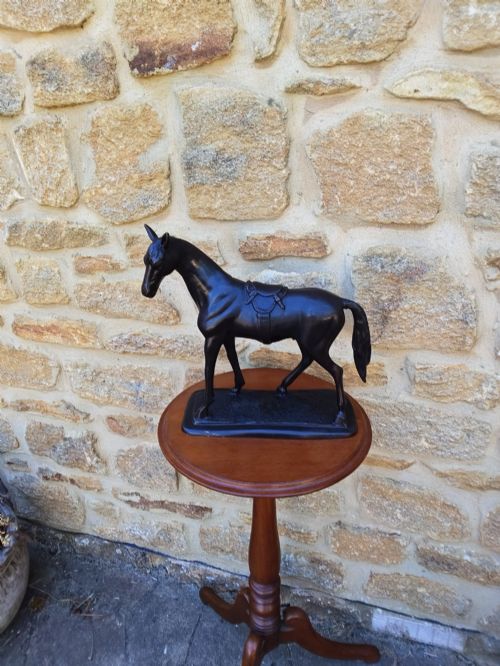
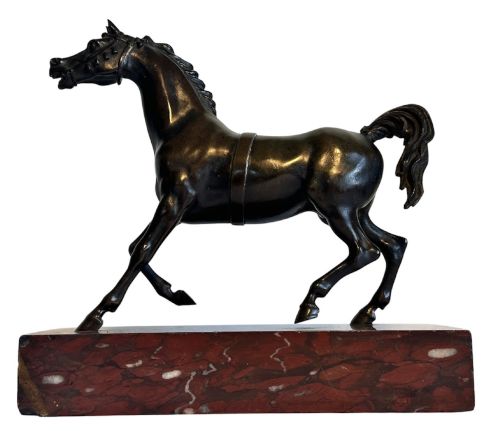
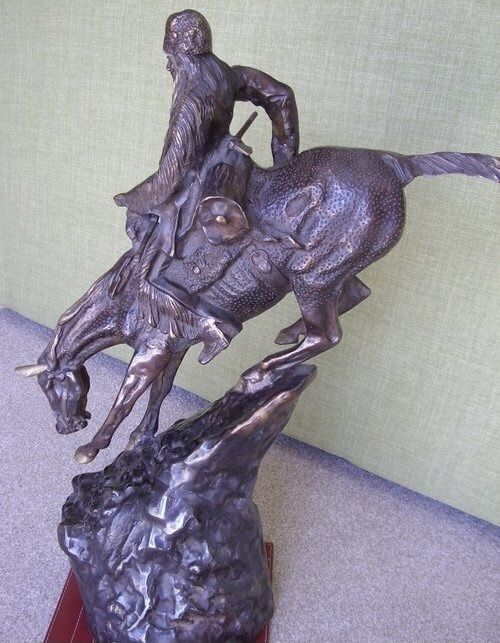
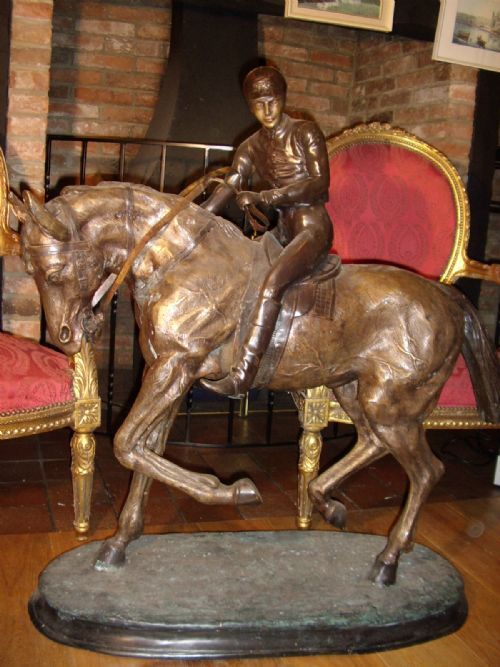
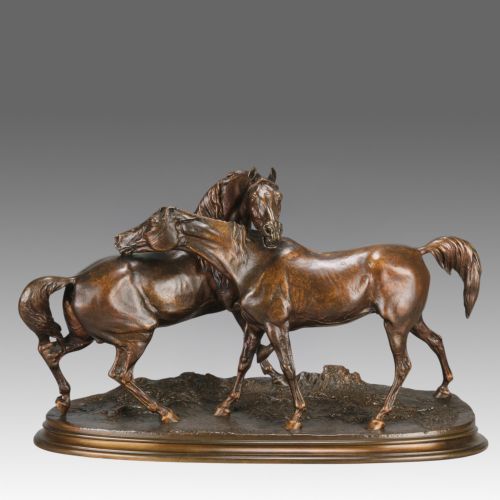
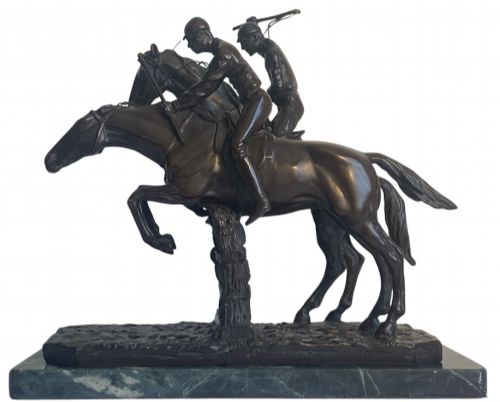
A bronze horse figurine captures muscle, movement and equestrian form through metalwork spanning the nineteenth and twentieth centuries.
Bronze Horse Figurine
When searching for a bronze horse figurine, buyers encounter a diverse selection of nineteenth and twentieth-century animalier sculptures, bookends and desk objects. The most common pieces on this page are French and Austrian animalier bronzes depicting stallions, racers and working draft horses.
These sculptures range from small cabinet figures to large grand tour souvenirs and architectural studies. Many are mounted on marble or wooden bases, reflecting the formal presentation styles of the Victorian and Art Deco periods.
How they were made
The listings record pieces produced using traditional metal casting techniques, finished with patination, cold-painting, or gilding. Many works combine cast bronze with marble bases, brass details, and painted wooden elements.
Foundries applied chemical patinas to achieve deep brown and metallic tones, while specific makers utilised cold-painting to add polychrome surface colour directly onto the metal.
Bronze Horse Figurine Retail Price Guide 2026
Typical asking prices for bronze horse figurine among the pieces listed under this phrase on Sellingantiques today, from the lower quarter to the upper quarter. They describe what is for sale here now, not the wider market.
Listings feature bronzes from the 17th century through the Art Deco period, incorporating marble, brass, and hand-painted finishes.
What varies in quality
Quality rests in the precision of the cast and the crispness of anatomical detail in the musculature, mane and tack. Sculptures that retain subtle surface chasing and clear foundry signatures stand apart from later, softer casts.
The integration of the figure with its base also defines the standard of the piece, whether mounted on carved marble plinths or cast as a single unified bronze study.
Pierre Jules Mêne·Franz Bergman·Kunio Itô·John Willis Good·Luigi Secchi·Pierre Lenordez·Xavier Raphanel
The Bronze Horse Figurine Glossary
- Animalier
- A nineteenth-century artistic movement focused on the realistic depiction of animals. Sculptors in this tradition studied anatomy closely.
- Cold-painted bronze
- A technique where paint is applied to a cold bronze object rather than fired in a kiln. This finish requires careful preservation.
- Patinated bronze
- Metal treated with chemical solutions to produce a specific surface colour. This coating protects the bronze while defining its visual tone.
- Grand Tour
- Souvenirs collected by travellers visiting European cultural sites during the nineteenth century. These often include classical bronze studies and architectural models.
Bronze Horse Figurine: Frequently Asked Questions
What is an animalier bronze horse?
An animalier bronze horse is a realistic sculpture created during the nineteenth or twentieth century focusing on equine anatomy and movement.
These works were produced by prominent European and international sculptors who specialised in animal subjects.
How do I display a bronze horse figurine?
These figures suit tabletops, mantelpieces, and desks, often resting upon marble or wooden plinths that provide stability.
Keep them away from direct heat sources and moisture to preserve the patinated or cold-painted surfaces.
What is a cold-painted bronze?
A cold-painted bronze is a metal sculpture decorated with paint without high-temperature firing.
This method was favoured by Austrian makers to produce vibrant polychrome details on small equestrian figures.
How do I identify nineteenth-century pieces?
Nineteenth-century pieces often feature Victorian styles, French animalier foundry marks, or Grand Tour marble bases.
Examination of the cast quality and patination helps distinguish these earlier works from later twentieth-century productions.