




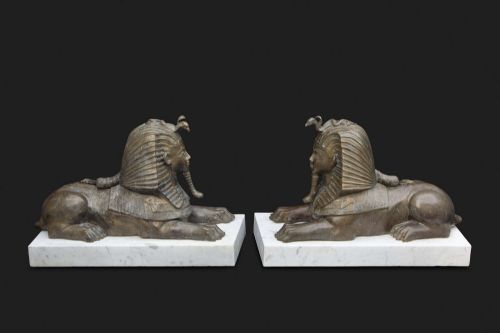
Bronze Figure on Plinth
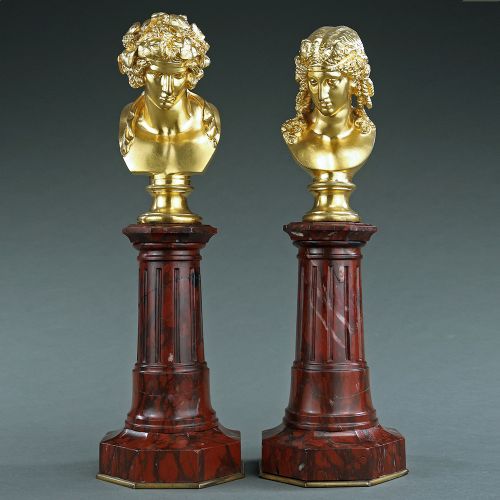
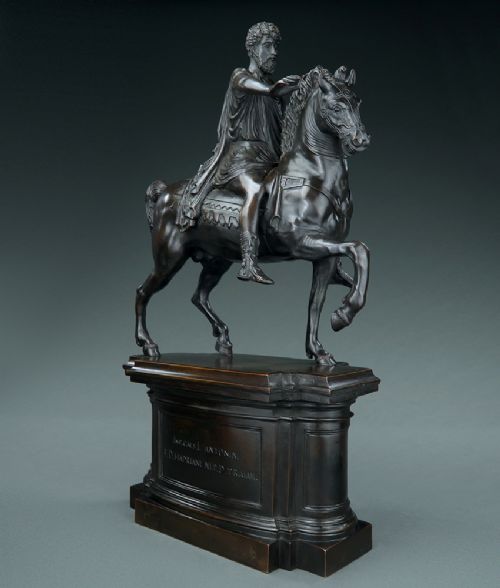
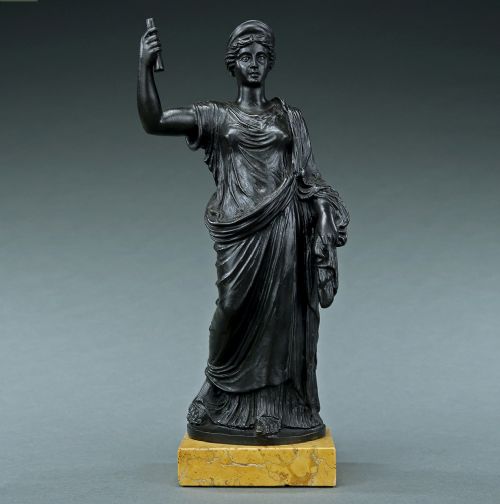
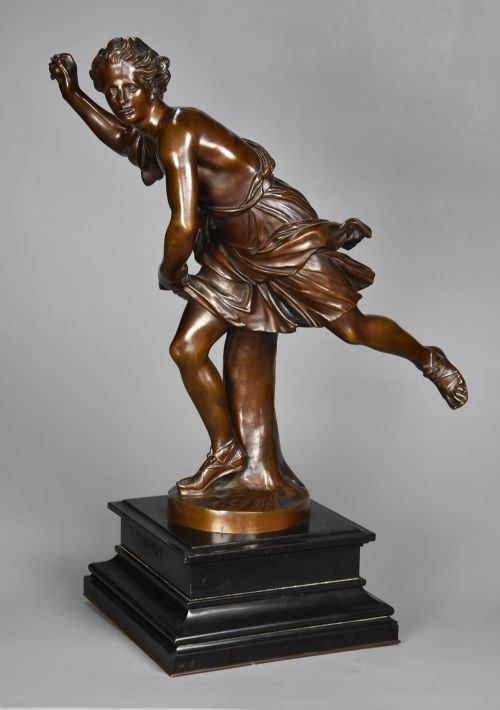
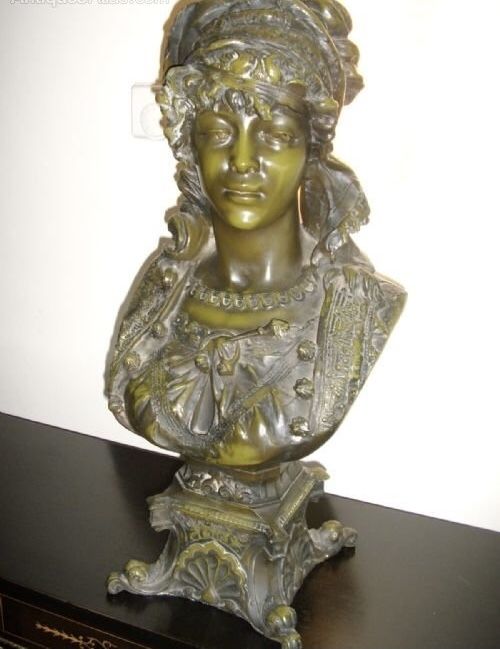
These bronze figure on plinth works unite classical mythology, animal studies and decorative figures raised upon stone or wood bases.
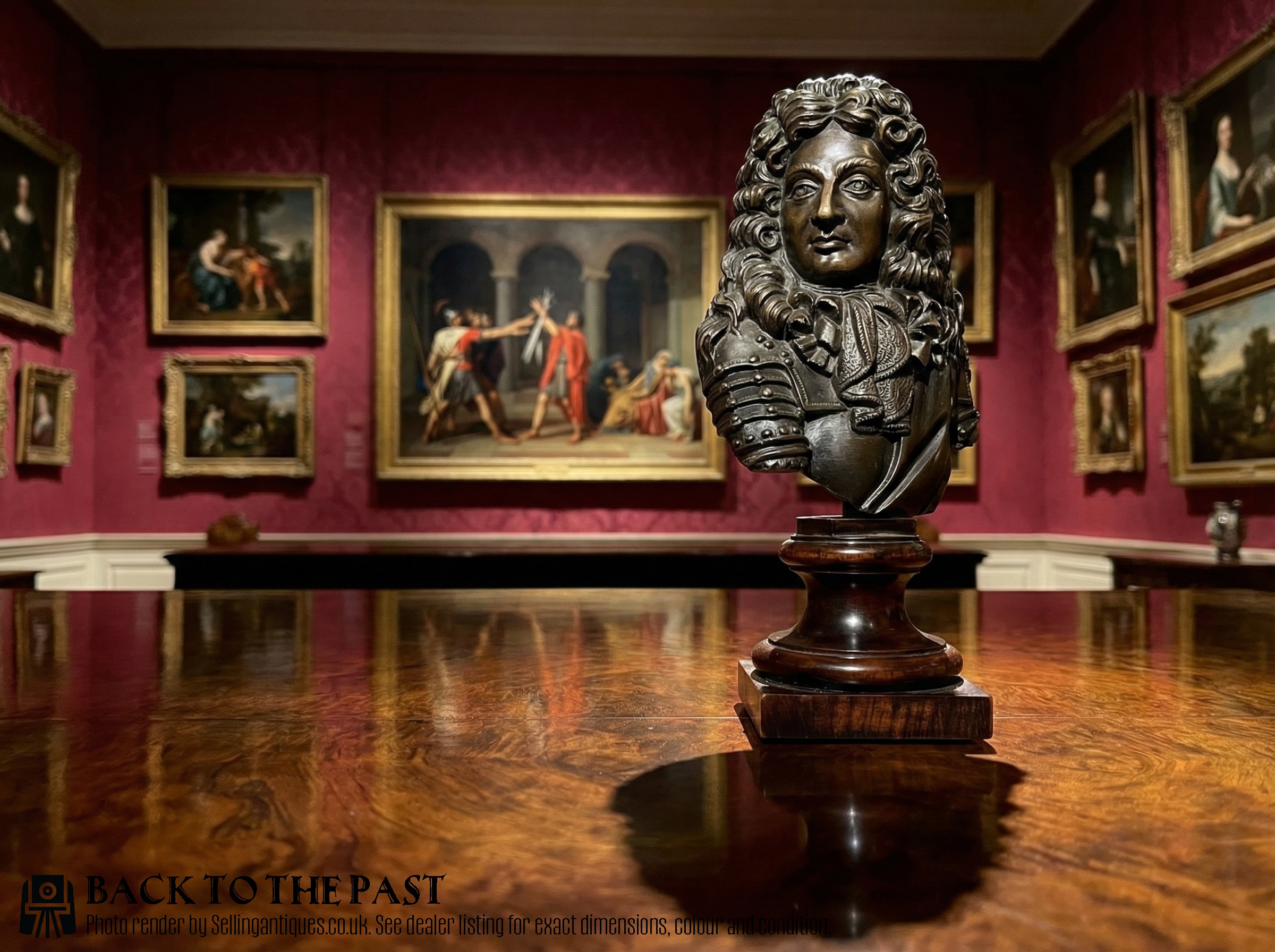
Bronze Figure on Plinth
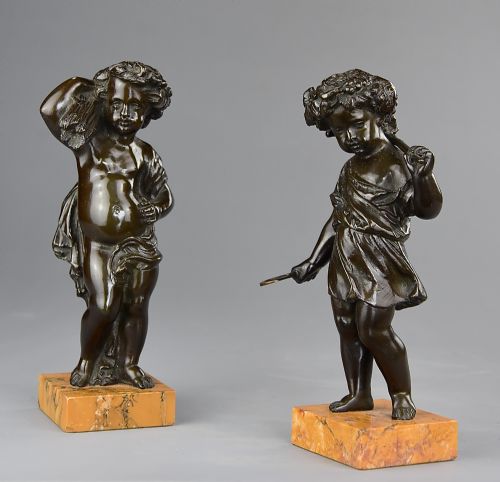
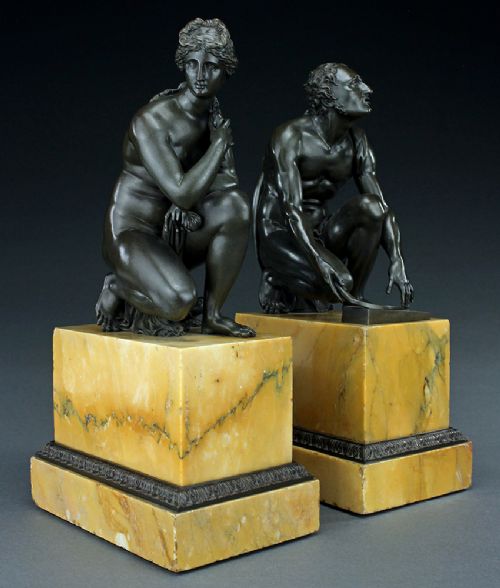
A bronze figure on plinth brings together cast metal sculpture and a supporting base, most commonly formed of marble, onyx or wood. These pieces span classical subjects such as goddesses, mythological heroes and grand tour souvenirs alongside naturalistic animal studies and later twentieth century dancers.
The dominant examples encountered in this selection originate from the nineteenth and early twentieth centuries, reflecting neoclassical, art nouveau and art deco aesthetics. Makers utilised patinated bronze, gilt bronze and ormolu, pairing them with heavy plinths to elevate the sculpture.
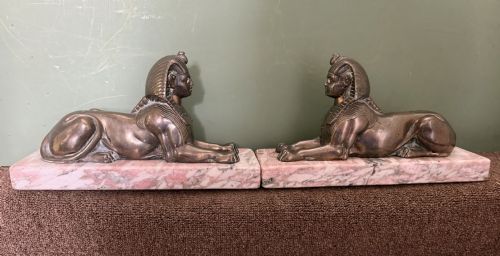
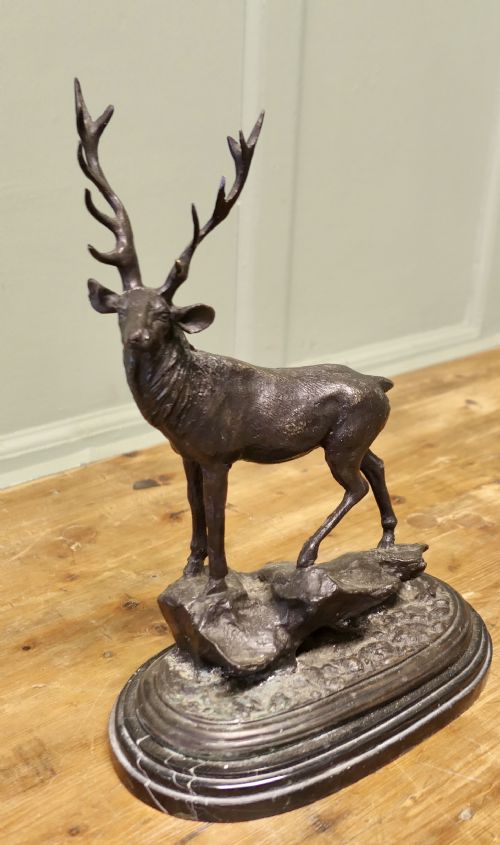
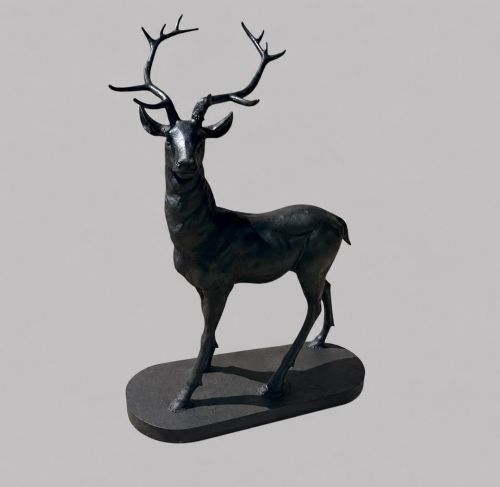
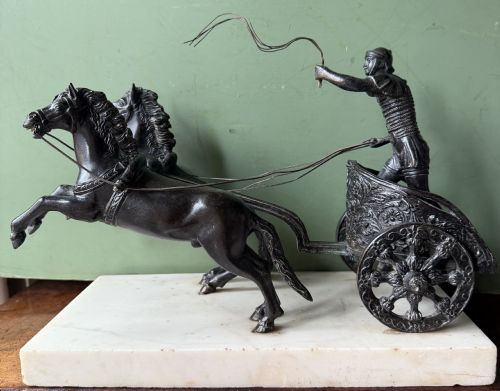
Forms range from monumental sphinxes and charioteers to table lamps, oil lamps and intimate statuettes of stags, foxes and human figures. The plinth serves both a structural role in stabilising the cast and a visual purpose in framing the composition.
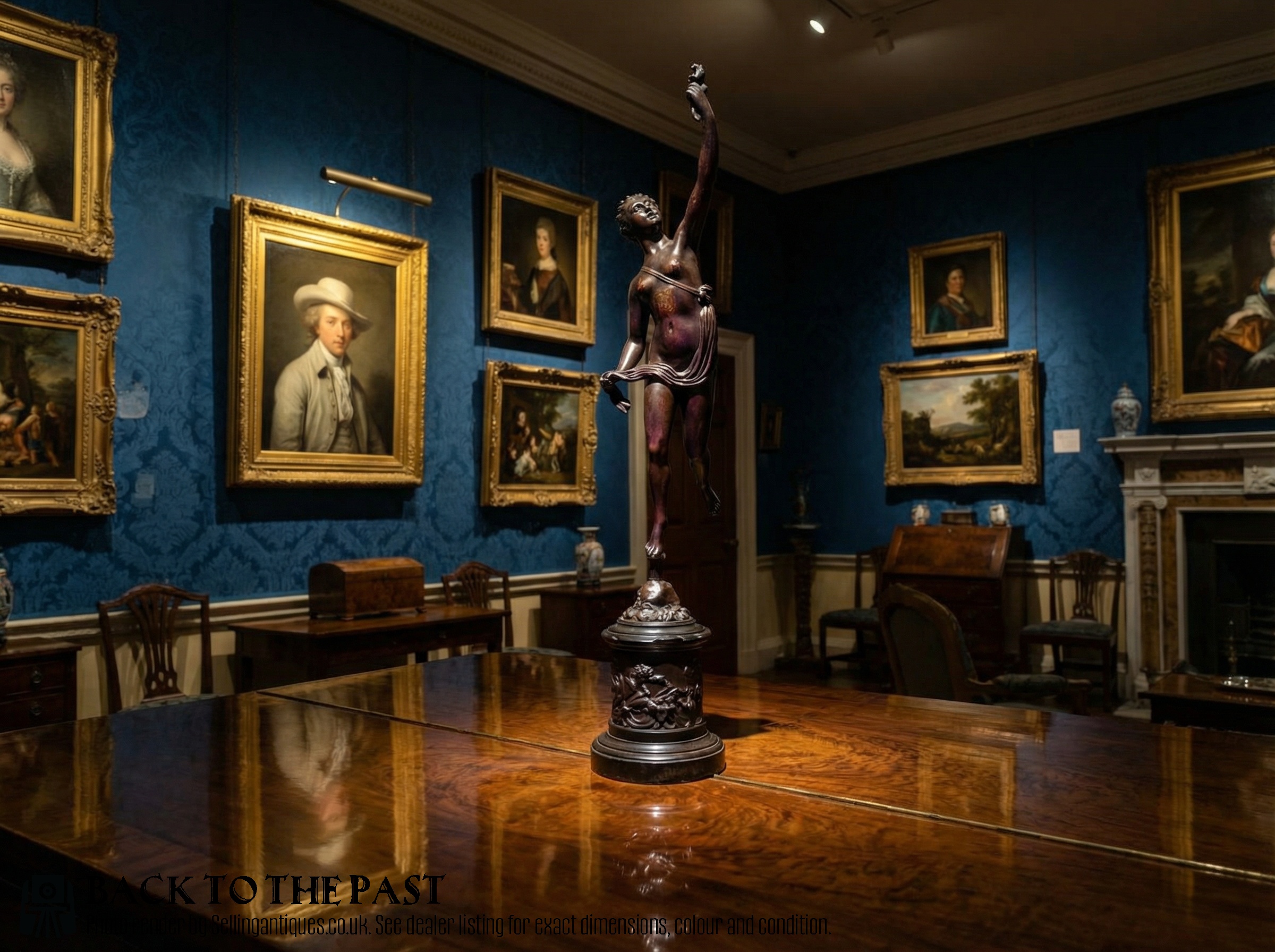
Materials and Casting Techniques
Foundries produced these works primarily through traditional metal casting methods, utilising copper alloys to create durable figures with fine surface detail. Artisans then applied patination acids or gold gilding to achieve specific tonal finishes, ranging from deep brown patinas to brilliant ormolu.
The supporting bases rely on dense natural materials such as carrara marble, siena marble, malachite, onyx and seasoned hardwoods like olive wood. These plinths were cut, turned and polished to provide a stable foundation for the heavier metal sculptures mounted upon them.
Bronze Figure on Plinth Retail Price Guide 2026
Typical asking prices for bronze figure on plinth among the pieces listed under this phrase on Sellingantiques today, from the lower quarter to the upper quarter. They describe what is for sale here now, not the wider market.
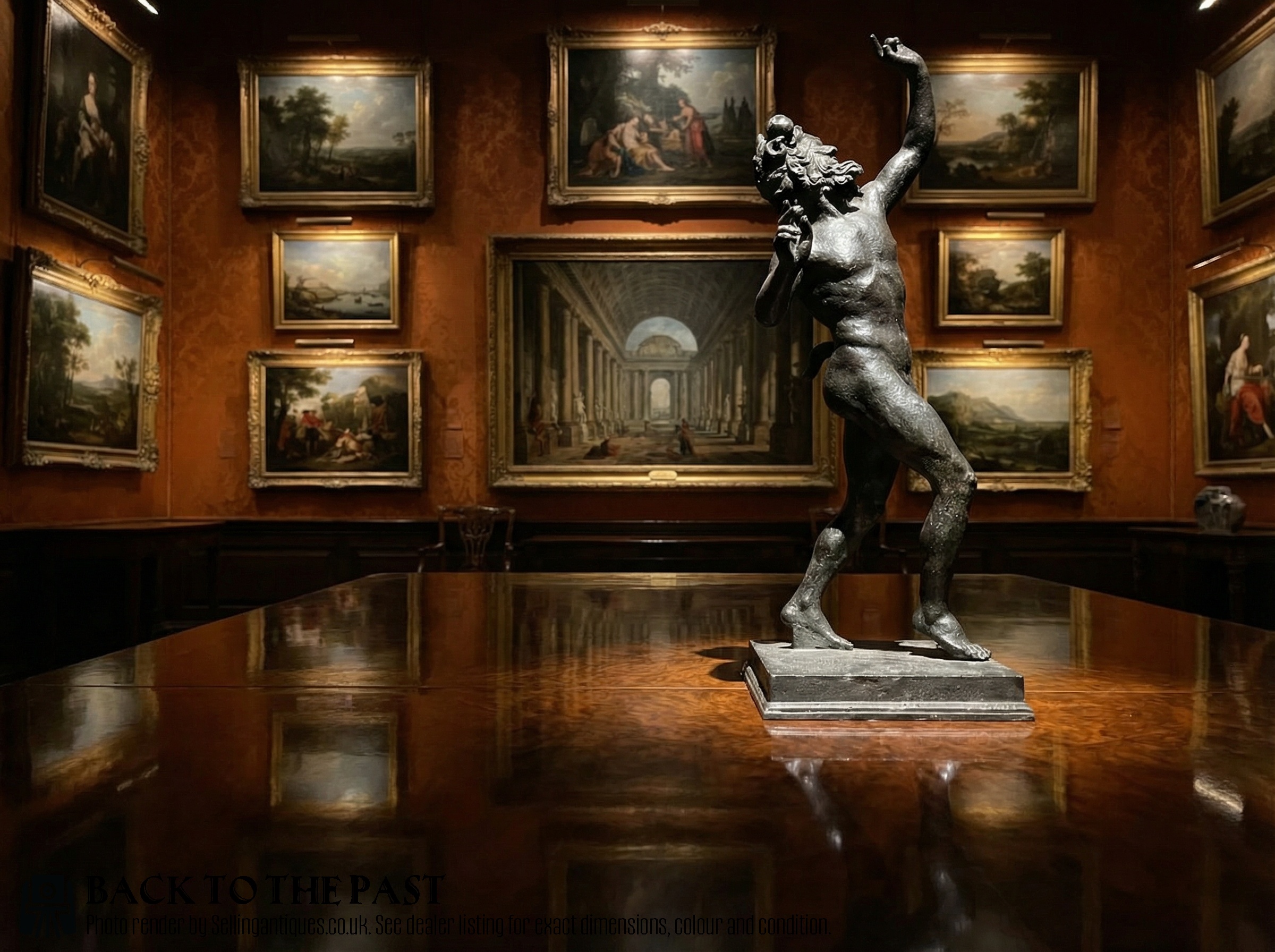
The selection includes animal studies, human figures, oil lamps and architectural souvenirs set upon stone bases.
Distinctions in Quality
Quality rests upon the crispness of the metal chasing and the depth of the casting, where superior works retain sharp anatomical definition and subtle surface textures. Weaker pieces display softened details and visible seam lines from hurried finishing work in the foundry.
Barbedienne·Josef Lorenzl·Carl Kauba·Philip Blacker·Aristide Maillol
The Bronze Figure on Plinth Glossary
- Patinated bronze
- Bronze that has been chemically treated to alter the surface colour, usually producing rich brown, green or near-black tones. This layer protects the metal while enhancing visual depth.
- Ormolu
- Gilt bronze produced by applying a finely ground high-carat gold mercury amalgam to a bronze object. The process creates a brilliant golden finish common on neoclassical and decorative works.
- Grand tour
- Souvenirs and classical reproductions collected by wealthy travellers on educational tours of Italy during the eighteenth and nineteenth centuries. These typically depict ancient statues, busts or architectural models.
- Animalier
- A nineteenth-century artistic movement focused on the realistic portrayal of animals, particularly wild beasts and domestic creatures in motion. Sculptors working in this style studied anatomy extensively.
Bronze Figure on Plinth: Frequently Asked Questions
What is a grand tour bronze?
Grand tour bronzes are reduced-scale souvenir copies of classical antiquities collected by travellers touring European cultural sites during the nineteenth century. They served as scholarly mementos for domestic display.
These pieces capture famous statues found in Italian museums and archaeological excavations. They offer a tangible link to classical heritage through careful metal casting and mounting.
How do I identify marble plinth types?
Marble plinths vary in colour and veining depending on the quarry source, with white carrara, yellow siena and black marble appearing frequently in these sculptures. The stone type often helps indicate the period of manufacture.
Heavier, highly polished bases paired with gilt or patinated bronze typically point towards nineteenth-century craftsmanship. Examining the underside reveals the age of the fixings and the stone-cutting technique.
Where should I display a bronze figure?
These sculptures require stable surfaces capable of supporting the combined weight of the metal figure and the stone plinth. Placing them away from direct heat sources protects the patination and any underlying wood components.
Adequate lighting from the side emphasises the three-dimensional modelling and surface patination of the bronze. Stable indoor humidity prevents degradation of both the metal and the supporting marble base.
What does animalier mean in sculpture?
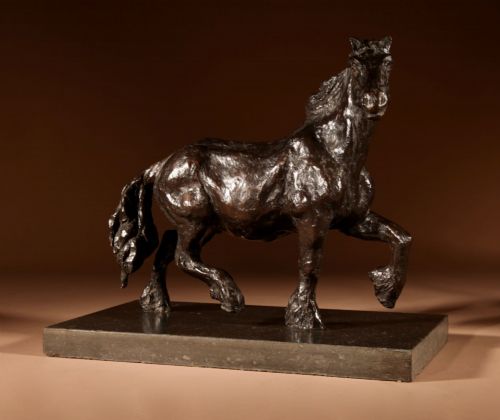
Animalier refers to the realistic depiction of animals in art, a genre that gained immense popularity across Europe during the nineteenth century. Sculptors focused on capturing animals in dynamic or naturalistic poses.
These figures often show stags, greyhounds or horses caught mid-movement. The realistic musculature and anatomical precision distinguish them from purely decorative animal ornaments.