

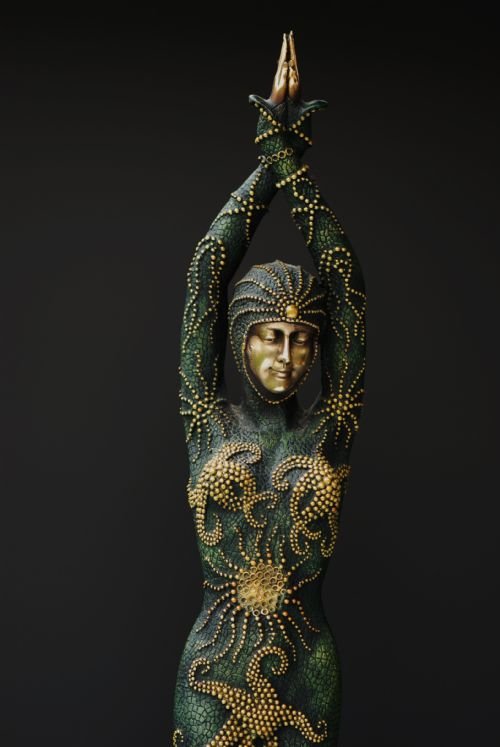
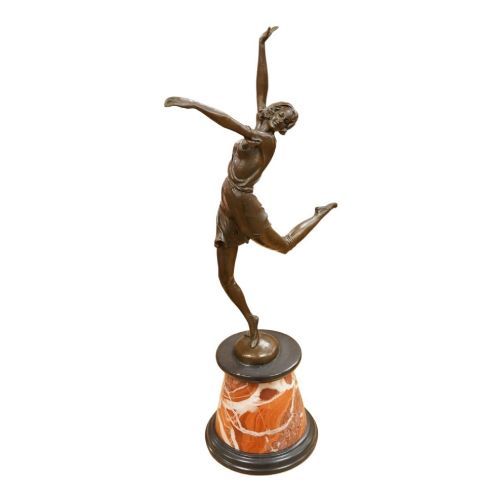
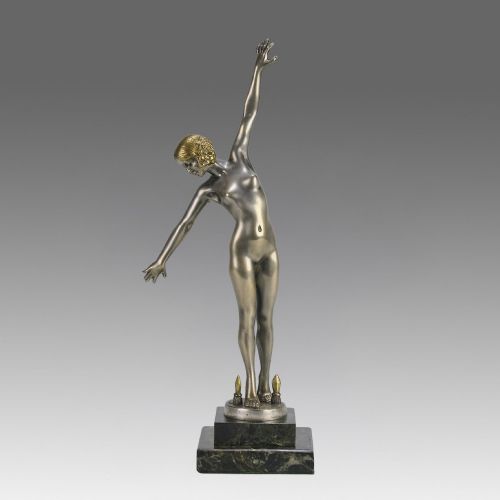
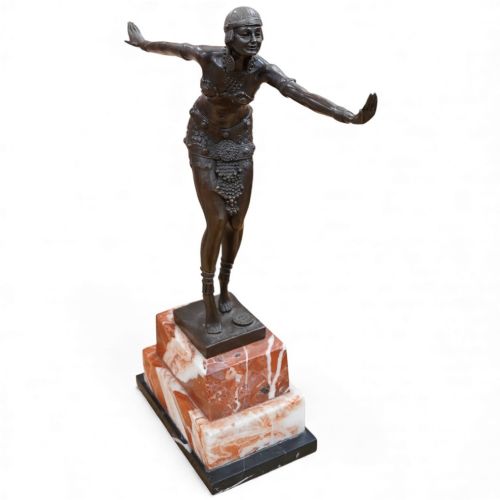





Bronze Dancer Statue
These pieces capture movement in metal, spanning decorative mantel figures and grand sculptural interpretations of the human form.
Bronze Dancer Statue
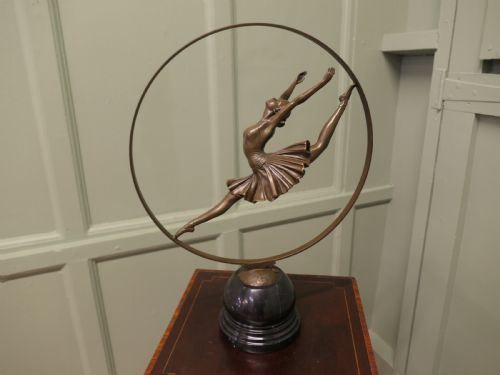
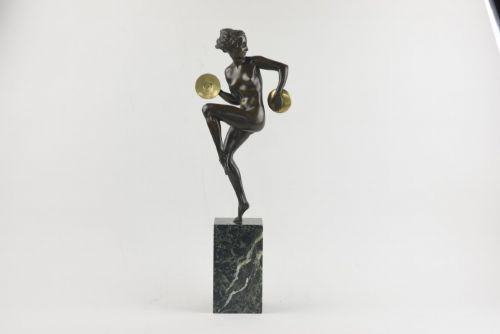
A bronze dancer statue encompasses figurative sculptures shaped around motion, often depicting figures caught mid-step, balance or stretch. The selection ranges widely in origin, featuring nineteenth-century interpretations alongside twentieth-century European and international works.
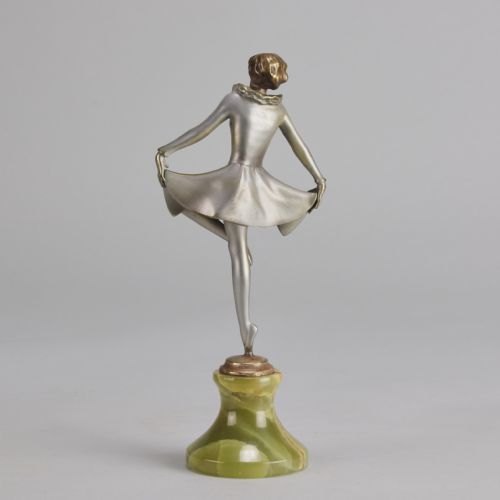
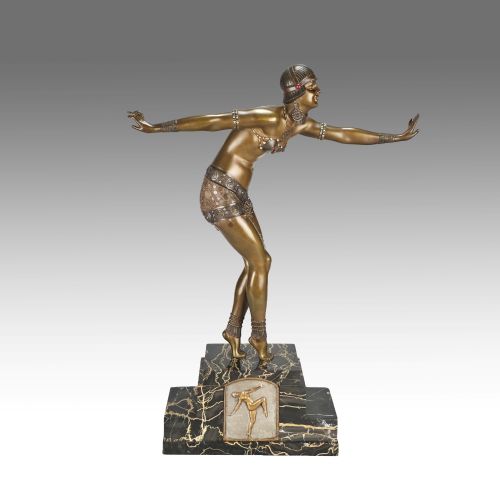
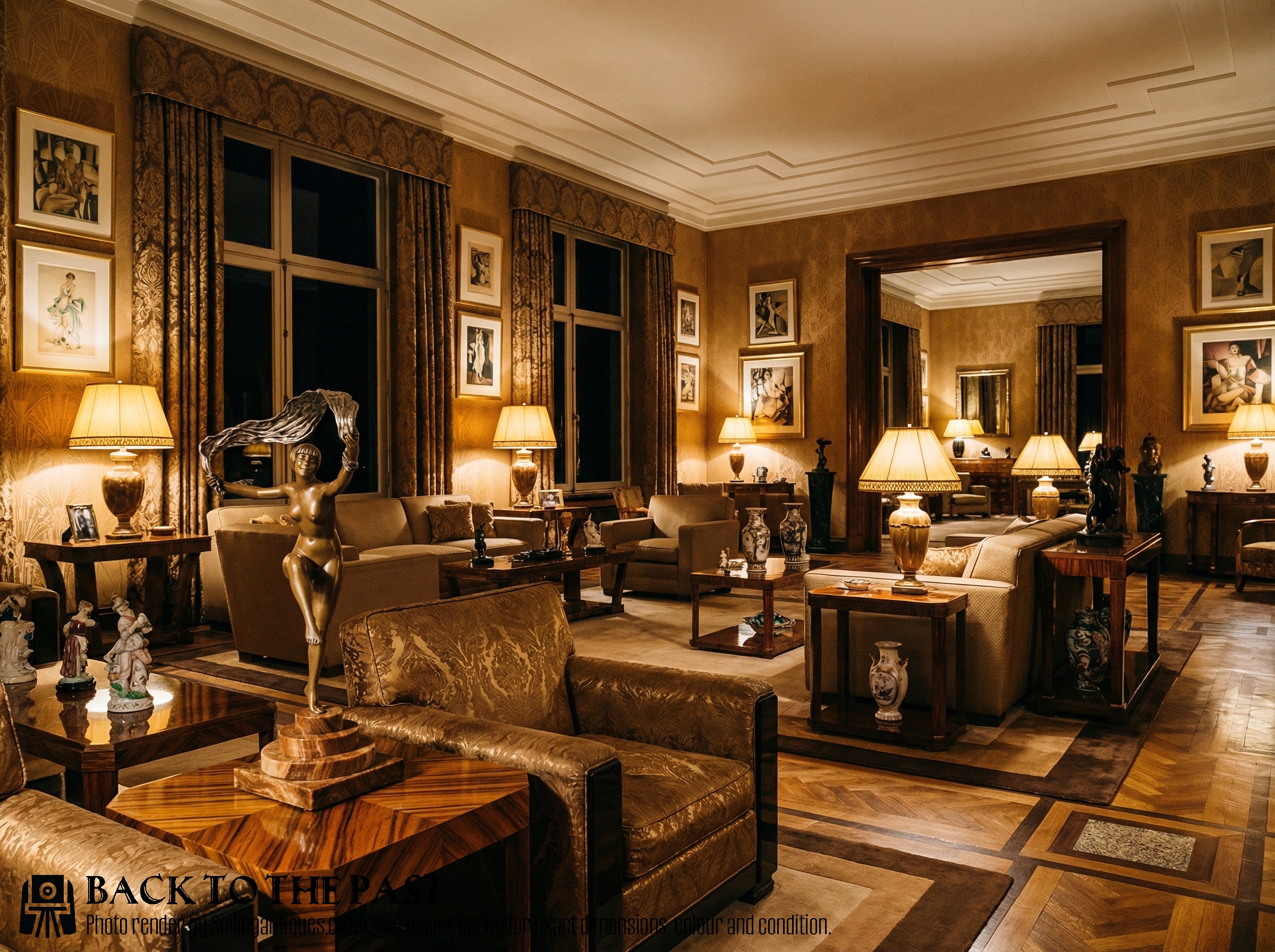
Art Deco figures dominate the selection, heavily influenced by the aesthetics of the nineteen-twenties and nineteen-thirties. These pieces frequently pair metallic patination with substantial stone plinths to ground the dynamic poses.
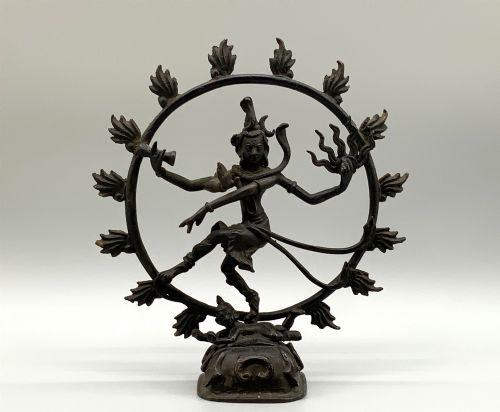
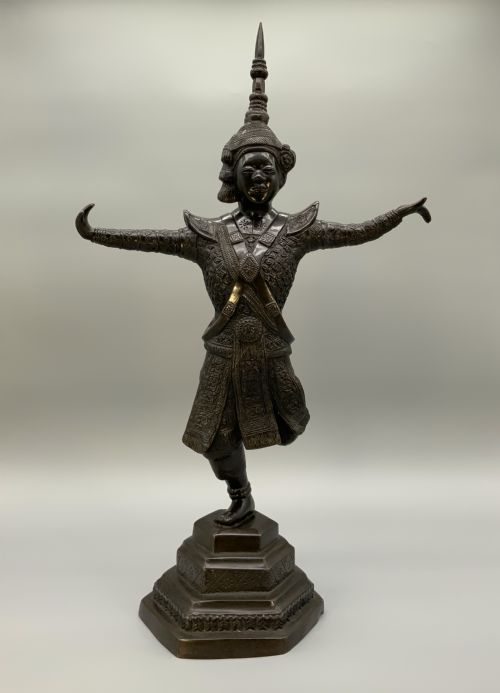
Beyond Western European modernism, the category holds traditional and regional interpretations, including South Asian representations and works from international applied arts schools. Collectors encounter table lamps, lighters and standalone statuettes serving both decorative and functional roles.
Materials and construction methods
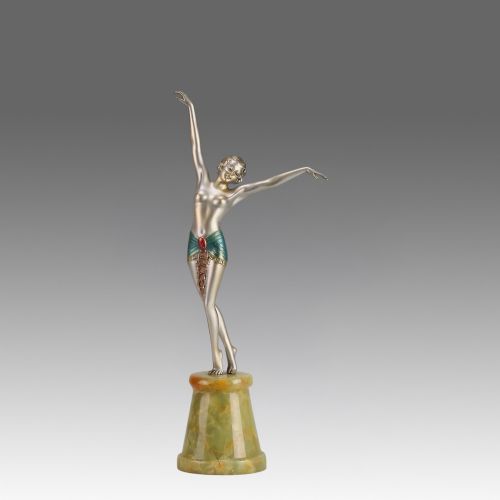
Foundries utilised traditional casting techniques to shape molten metal into intricate limbs, flowing garments and expressive faces. Many examples combine bronze with cold-painted details, silvering or gilt finishes to highlight surface textures and drapery.
Statues frequently rest upon heavy bases cut from marble or onyx, providing stability for figures with outstretched arms or poised on single toes. Alternative metallic compositions such as spelter or patinated metal appear alongside solid bronze editions.
Bronze Dancer Statue Retail Price Guide 2026
Typical asking prices for bronze dancer statue among the pieces listed under this phrase on Sellingantiques today, from the lower quarter to the upper quarter. They describe what is for sale here now, not the wider market.
Listings feature works created across the nineteenth and twentieth centuries, using bronze, spelter, marble, and onyx.
Evaluating sculptural execution
The finish of the surface also dictates standard, with masterworks displaying careful cold-painting, even patination or rich gilding that survives intact. Furthermore, the integration between the metal figure and its stone plinth reveals the original maker's attention to structural balance.
Pierre le Faguays·Josef Lorenzl·Demetre Chiparus·Aurore Onu·C J R Colinet·Rousseau·Maurice Guiraud Riviere·Paul Philippe·Pierre Laurel·Rene Andre Varnier·Paul de Boulogne
The Bronze Dancer Statue Glossary
- Cold-Painted
- A technique where oil paint is applied to cured metal without subsequent firing. This surface treatment allows for vivid coloration on garments and hair.
- Spelter
- A zinc-based alloy commonly utilised as a less costly alternative to bronze. It accepts metallic patination well but possesses a lighter weight and softer durability.
- Patinated Metal
- Metal treated with chemical solutions to produce a specific surface coloration or aged tone. This process protects the underlying material while enhancing visual depth.
- Shiva Nataraja
- A depiction of the Hindu god Shiva performing the cosmic dance of creation and destruction. These traditional bronzes follow ancient iconographic rules.
Bronze Dancer Statue: Frequently Asked Questions
What periods do these dancer sculptures date from?
The pieces span multiple eras, with a strong concentration of works originating from the early twentieth century, particularly the nineteen-twenties and nineteen-thirties. Nineteenth-century examples also appear within the selection.
Earlier nineteenth-century works include traditional cast bronzes from different global regions, whereas twentieth-century pieces lean heavily into modern European design movements.
How are the figures mounted?
Many figures are secured directly onto heavy bases made from contrasting stone materials like marble or onyx. These plinths offer necessary weight distribution.
The stone bases often feature polished or stepped profiles characteristic of the period in which the sculpture was cast.
What is the difference between bronze and spelter figures?
Bronze is a durable copper alloy capable of holding exceptionally sharp casting details and a rich natural patina over time. Spelter is a softer, zinc-based alloy used historically for more accessible decorative objects.
While both materials can receive similar surface treatments or paint, bronze commands greater longevity and structural resilience.
Were these statues used for lighting?
Certain sculptural forms double as functional items, incorporating lamp fittings or mechanisms into the overall composition. These pieces integrate illumination directly with the human figure.
Such objects combine decorative metalwork with utilitarian household use typical of applied art designs.