



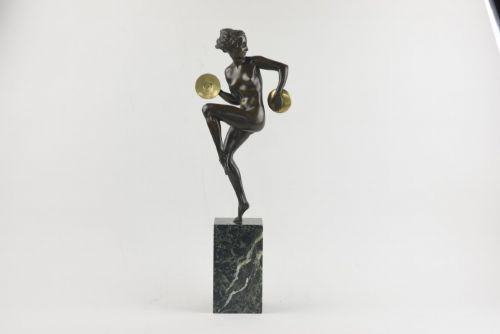

Bronze Dancer Figurine
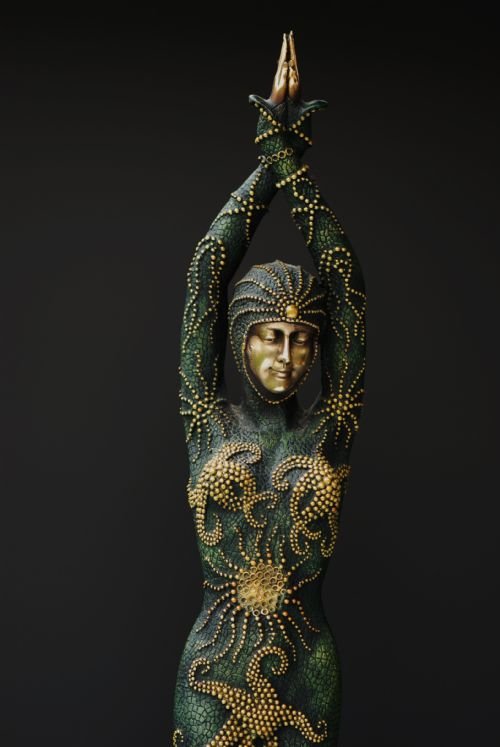
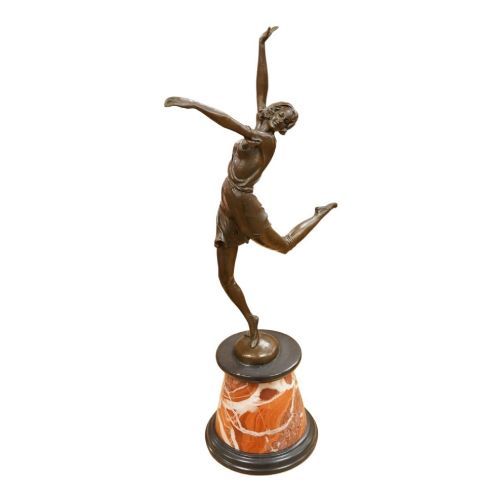
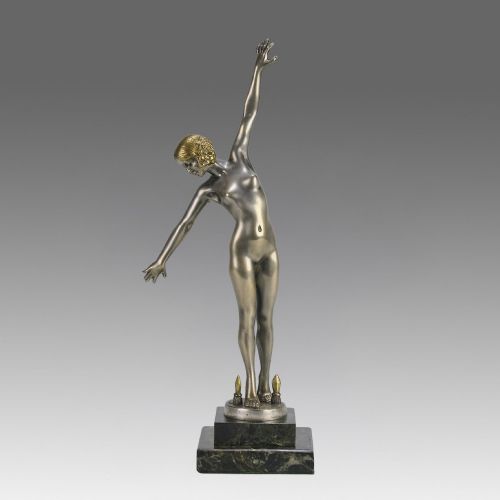
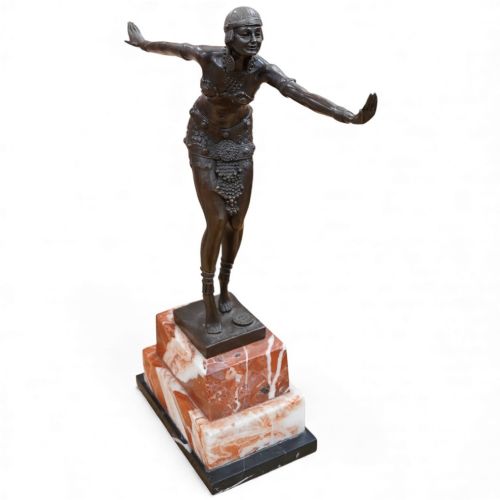
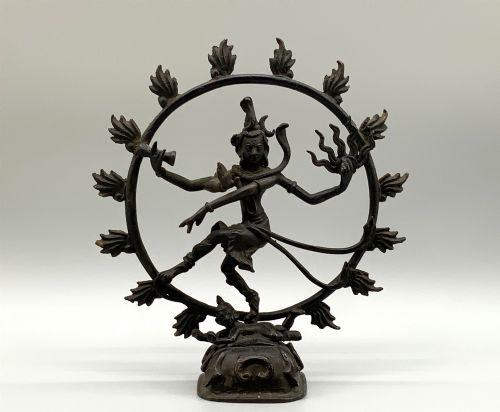
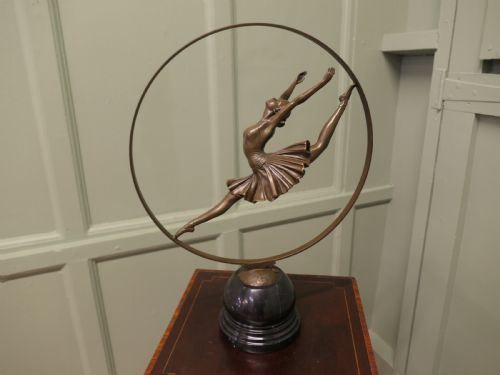
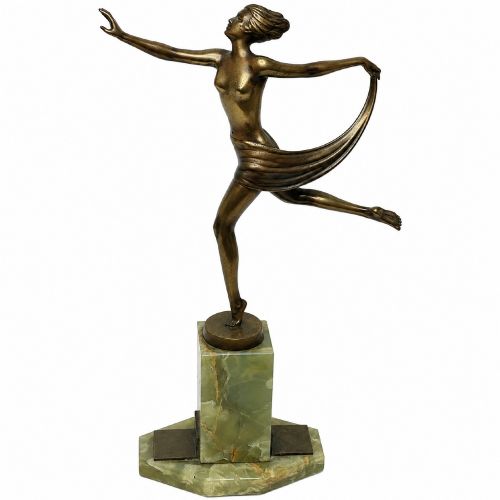
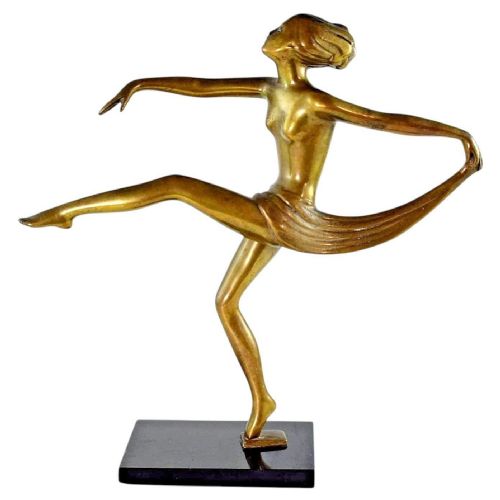
These bronze dancer figurine pieces capture dynamic movement in metal, bringing vitality and sculptural presence to an interior.
Bronze Dancer Figurine
A bronze dancer figurine represents figures in motion, ranging from classical interpretations to modernist interpretations. The listings concentrate heavily on Art Deco works produced during the 1920s and 1930s, alongside nineteenth-century examples and regional pieces.
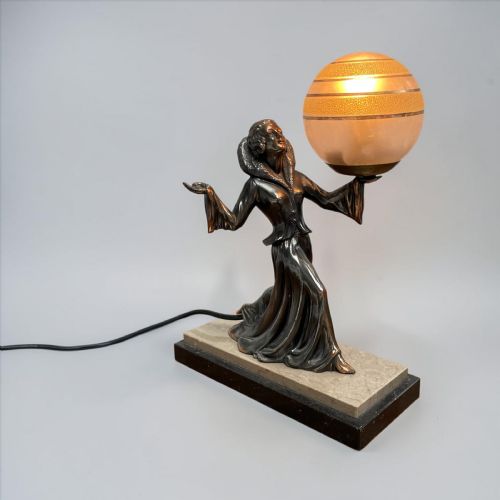
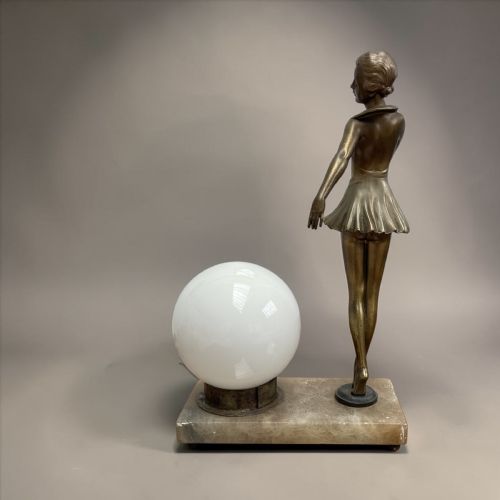
Most pieces stand upon heavy bases of marble or onyx to anchor the dynamic postures of the figures. Formats vary from small tabletop statuettes to larger sculptures and functional table lamps incorporating the dancing figure.
Materials and methods
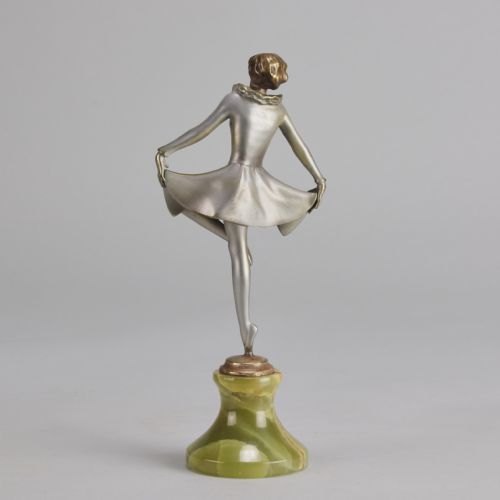
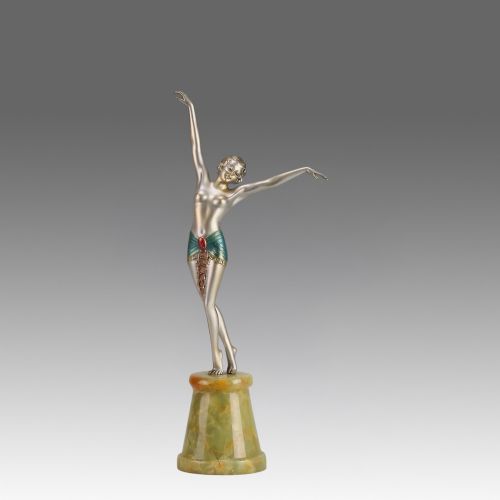
Foundries cast these figures in bronze or related metal alloys such as spelter, often applying cold-painted polychrome surfaces, silvering or gilt. Cold painting involves applying pigment to the cooled metal rather than firing it in a kiln.
Makers frequently combined materials within a single work, mounting metal figures onto multi-coloured marble or onyx plinths. Certain works utilise chryselephantine techniques, combining metal elements with carved ivory.
Bronze Dancer Figurine Retail Price Guide 2026
Typical asking prices for bronze dancer figurine among the pieces listed under this phrase on Sellingantiques today, from the lower quarter to the upper quarter. They describe what is for sale here now, not the wider market.
The listings feature works from the 1900s through the 1940s, executed in bronze, spelter, marble, and onyx.
Factors of distinction
The choice of base material and the structural stability of the figure also divide the standard of production. Superior examples demonstrate balanced composition where the dynamic tension of the pose remains secure upon its stone plinth.
Pierre le Faguays·Josef Lorenzl·Demetre Chiparus·Aurore Onu·C J R Colinet·Maurice Guiraud Riviere·Paul Philippe·Pierre Laurel·Rene Andre Varnier·Paul de Boulogne
The Bronze Dancer Figurine Glossary
- Spelter
- A zinc-based alloy frequently used as a less costly alternative to bronze in figure production. It takes patination well but possesses a lighter weight and softer surface texture than true bronze.
- Cold-painted
- A method where pigment is applied to metal sculptures without subsequent kiln firing. This technique produces vibrant polychrome clothing and skin tones on figures.
- Chryselephantine
- A term describing sculptures combining metal with carved ivory or bone. This method was widely adopted by Parisian ateliers during the early twentieth century.
- Patination
- The chemical or natural treatment of a metal surface to alter its colour and tone. Artisans use patination to highlight sculptural contours and simulate age.
- Base
- The supporting plinth, usually formed from polished marble or onyx, that secures the footing of the statuette. It provides essential weight and visual contrast to the metal figure above.
Bronze Dancer Figurine: Frequently Asked Questions
How are these figures cleaned?
Dust surfaces gently with a soft, dry brush to prevent accumulation in crevices and around the base. Avoid using water, liquid polish or chemical cleaners on patinated or cold-painted surfaces.
Marble or onyx plinths may be wiped with a slightly damp cloth, provided moisture does not contact the metal portions of the sculpture.
Were these figures signed?
Many professional foundry pieces carry the signature or stamp of the artist, frequently inscribed directly into the bronze or onto the marble base. Signatures varied from clear cast names to subtle incisions.
Unsigned examples also exist from the period, particularly pieces cast in spelter or produced by anonymous foundry workshops.
What is the difference between bronze and spelter?
Bronze is a robust copper alloy that accepts detailed chasing and durable patinas. It forms heavy, resilient sculptures designed to last indefinitely.
Spelter is a softer zinc alloy that feels lighter and shows a more brittle fracture under stress. It was widely utilised for commercial figures during the early twentieth century.
Where should I display them?
Position figures on stable, level surfaces such as mantelpieces, sideboards or specialised display cabinets where their silhouettes can be viewed clearly. Ensure the display location avoids direct sunlight to protect cold-painted surfaces and delicate patinas.
Because many pieces incorporate heavy stone bases, confirm that the supporting furniture can adequately bear the weight.