






Bronze Classical Figure Statue
A bronze classical figure statue brings the gravity of antiquity and nineteenth-century foundry work into domestic spaces through enduring metal forms.

Bronze Classical Figure Statue
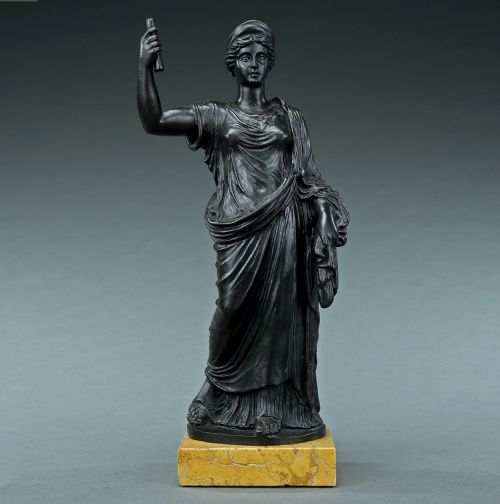
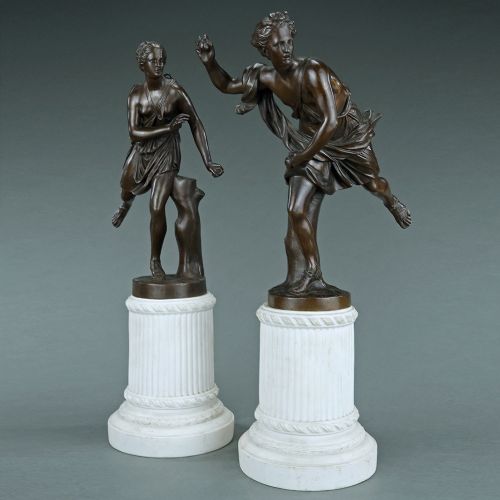
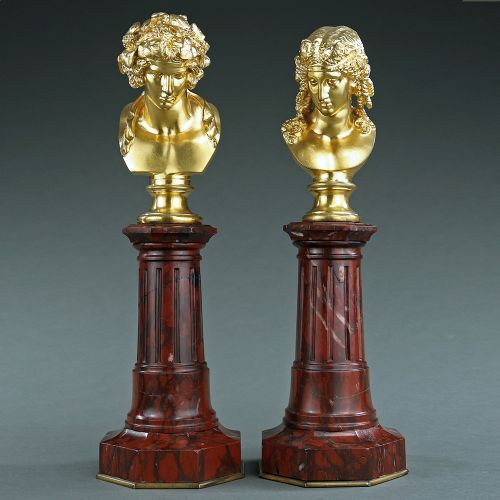
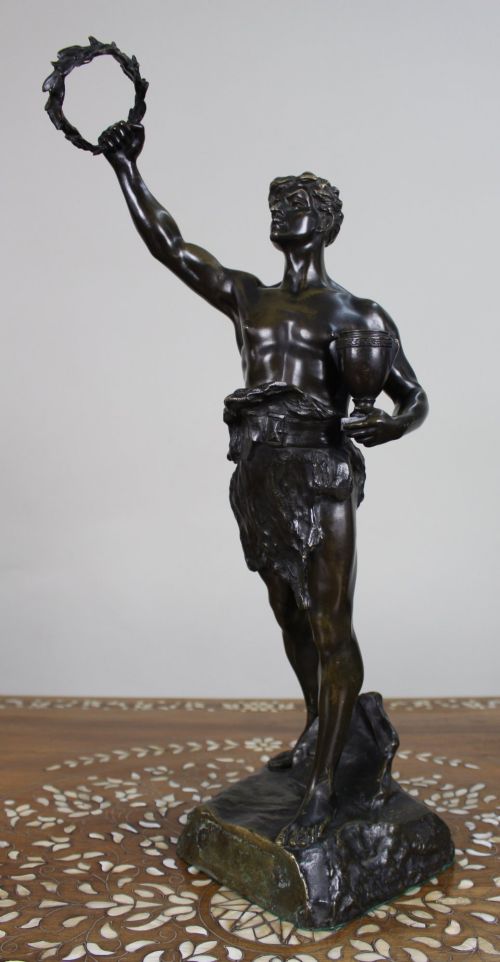
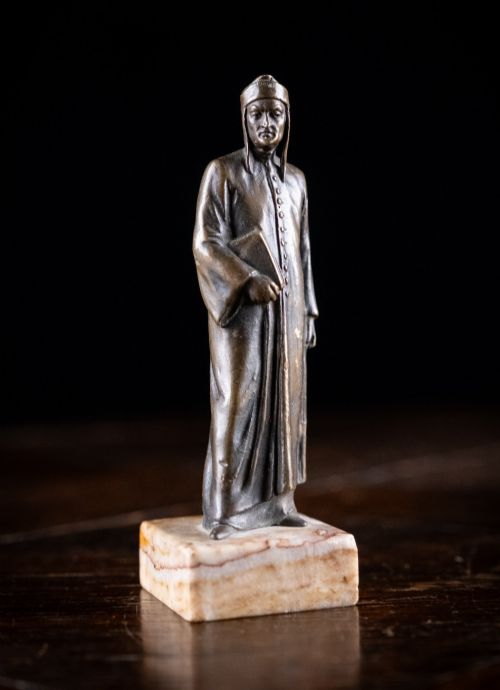
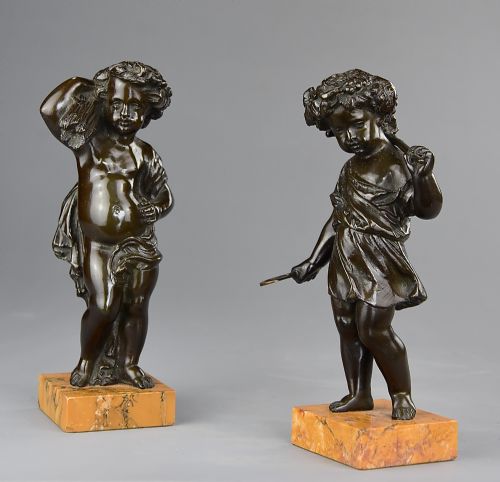
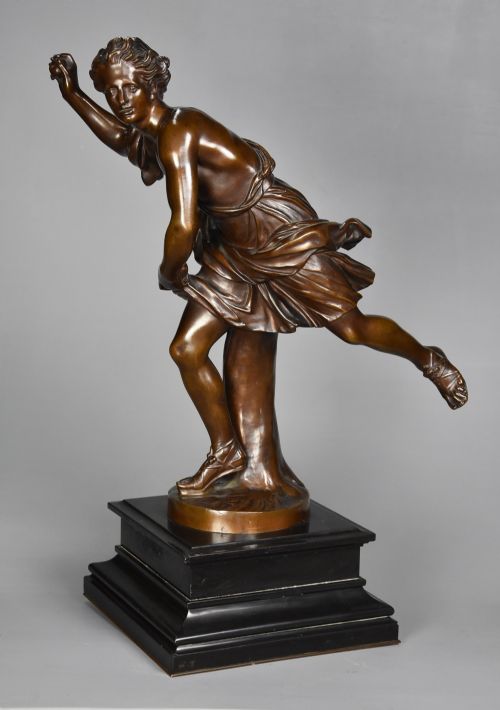
A bronze classical figure statue draws on ancient myth, heroic sculpture, and neoclassical design, spanning small Grand Tour souvenirs and substantial nineteenth-century French casts. Buyers encounter subjects from mythological deities and literary figures to Roman soldiers, dancers, and putti.
Most examples originate from the nineteenth century, reflecting European foundry traditions in France, Italy, and Britain. These sculptures take the form of standalone figures, group compositions, mantel clocks, and figural table lamps.
The aesthetic leans heavily on Neoclassical, Grand Tour, and French Empire styles, often replicating celebrated antiquities found in European museums. These pieces serve as focal points for studies, libraries, and formal drawing rooms.
Materials and casting methods
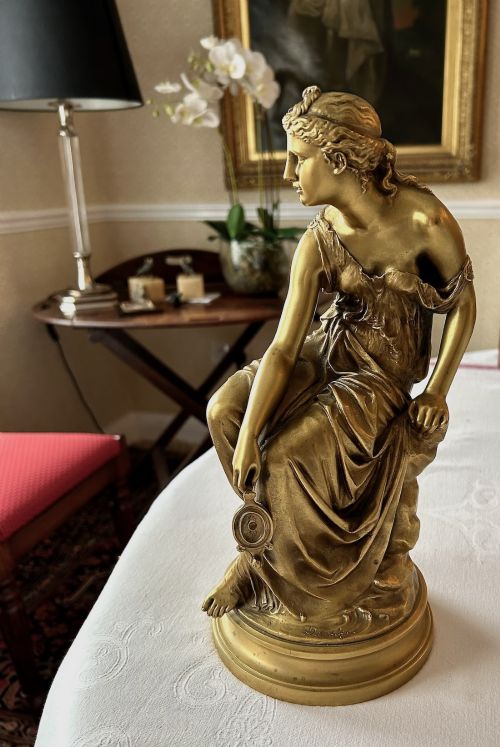
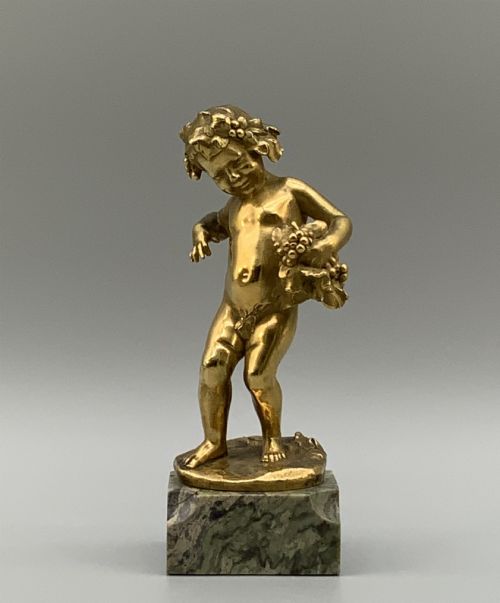
Foundries utilised traditional lost-wax casting and sand casting techniques to capture intricate details in bronze, followed by hand-chasing to refine surfaces. Many pieces combine dark patinated bronze or bright gilt bronze with contrasting bases carved from white, green, or fossil marble.
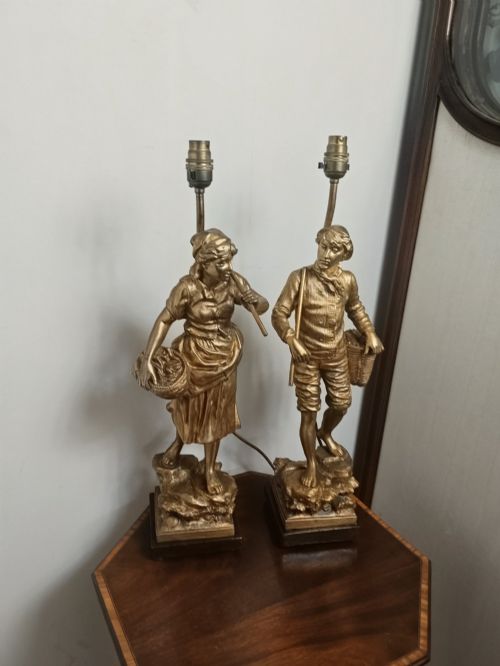
Finishing methods varied from polished fire-gilding and subtle patination to cold-painted pigments on specific early twentieth-century works. Secondary supports occasionally incorporate wood, plaster, or alternative metals like spelter for lesser domestic ornaments.
Object forms range from freestanding mythological sculptures and table lamps to working mantel clocks incorporating figural bronzes.
Distinctions in craftsmanship
The mounting and integration with the base dictate overall cohesion, as fine sculptures sit securely on heavy, high-grade marble plinths rather than lightweight substitutes. Surface patination also plays a role, with deep, stable patinas indicating careful handling and superior chemical application.
Etienne-Henri Dumaige·Susse Frères·Ferdinand Barbedienne·Pierre le Faguays·Moreau Family·G. Amodio Naples·Hamo Thornycroft·Émile Louis Picault·Emile Carlier
The Bronze Classical Figure Statue Glossary
- Grand Tour
- A traditional educational trip through Europe undertaken by upper-class young men, resulting in the acquisition of art and small bronze souvenirs.
- Patinated bronze
- Metal treated with chemical solutions to produce a controlled surface colour, typically rich brown, black, or green, protecting the alloy and enhancing visual depth.
- Lost-wax casting
- A historic method where a molten metal is poured into a mould created by replacing a wax model with a refractory material, allowing exceptional detail.
- Gilt bronze
- Bronze coated with a layer of gold, historically achieved through mercury amalgamation or modern electroplating, giving a bright golden finish.
- Neoclassical
- A Western cultural movement drawing inspiration from the art and culture of classical antiquity, prevalent in architecture and sculpture during the eighteenth and nineteenth centuries.
Bronze Classical Figure Statue: Frequently Asked Questions
Where should I place a bronze figure at home?
These sculptures suit stable surfaces such as mahogany sideboards, library desks, or dedicated console tables away from direct moisture. Their substantial weight makes them secure anchor points in traditional rooms.
Ensure the display height allows proper viewing of facial expressions and surface patination, particularly for smaller desk-height subjects.
How do I clean nineteenth-century bronze?
Dust the surface regularly with a soft, dry natural bristle brush to prevent particle accumulation in recessed areas. Avoid water, abrasive cloths, and chemical polishes that strip original patination.
Professional conservation wax may be applied sparingly by specialists if the metal shows dryness, but routine maintenance requires only gentle dusting.
What is the difference between bronze and spelter?
Bronze is a durable copper and tin alloy capable of holding sharp chisel work and supporting heavy weight. Spelter is a cheaper zinc-based white metal alloy frequently used for mass-produced nineteenth-century figures.
Spelter feels lighter, sounds duller when tapped, and shows grey metal beneath chips in the surface finish.
Why do some figures stand on marble bases?
Marble plinths provide structural stability for narrow-footed figures while adding visual contrast through varied stone colours like black, red, or fossil grey. This practice stems from Grand Tour traditions where ancient statues required supportive architectural mounting.
Original mounts often match the period of the cast and form an integral part of the overall composition.
How can I identify a Grand Tour bronze?
Grand Tour pieces typically represent famous ancient Roman or Greek sculptures housed in European museums, reduced in scale for travellers. They often feature characteristic nineteenth-century patination and heavy stone or marble bases.
Foundry marks or Italian workshop stamps occasionally appear on the underside or base edge.