


Victorian Bronze Table Light
These nineteenth-century pieces bring weight and warmth to a room, and a victorian bronze table light remains a striking choice for any desk or sideboard.

Victorian Bronze Table Light
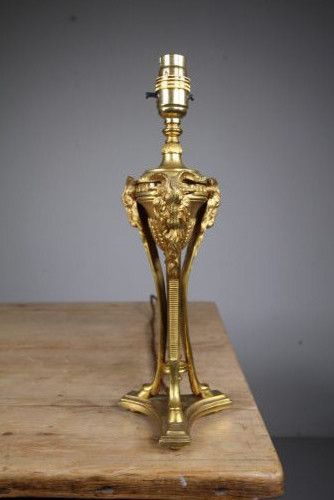
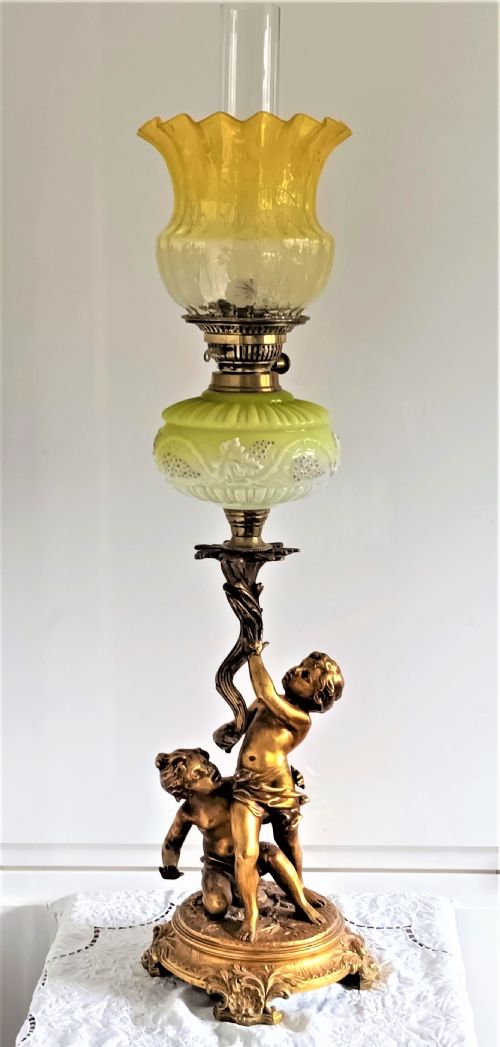
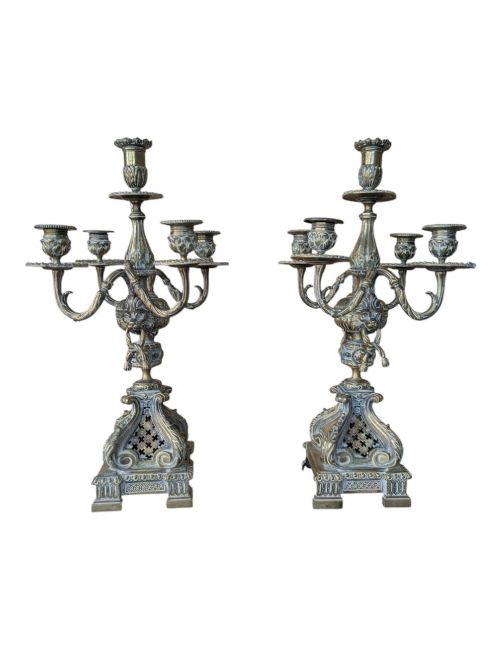
When you search for a victorian bronze table light, you encounter pieces that span the nineteenth century, including conversions from earlier lighting forms and oil lamps alongside dedicated bases. The selection on this page relies heavily on French and English works from the eighteen-eighties and eighteen-nineties, often incorporating cast figures, classical columns, or foliate designs.
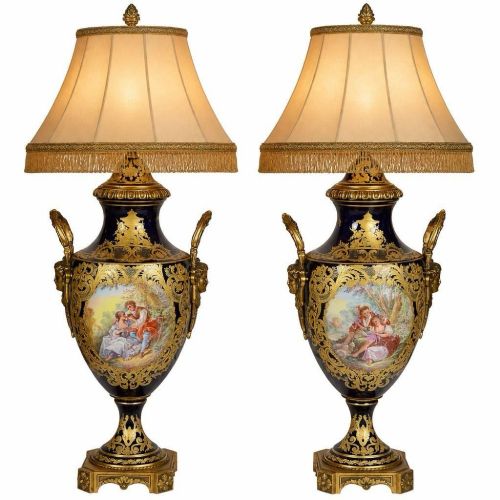
Many of these objects began life as candlesticks, candelabra, or oil lamps before being adapted for electricity in later decades. You will frequently find pairs alongside individual statement pieces, utilising materials such as porcelain, marble, and glass alongside the foundational metalwork.
How they were made
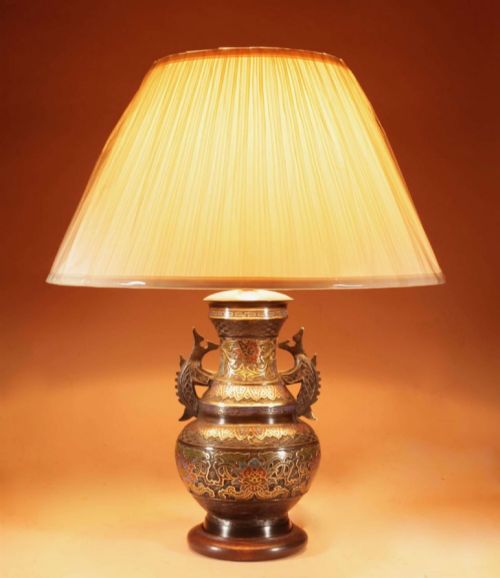
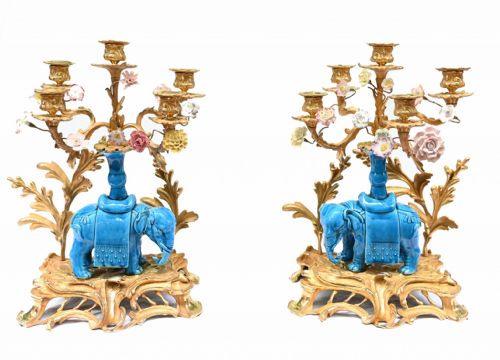
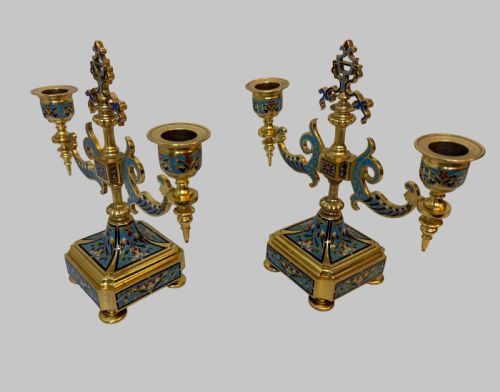
The primary construction relies on cast bronze, brass, or ormolu, sometimes combined with patinated finishes or cold-painted details. Makers integrated decorative elements like champlevé enamel, porcelain inserts, and rock crystal columns into the metal structures.
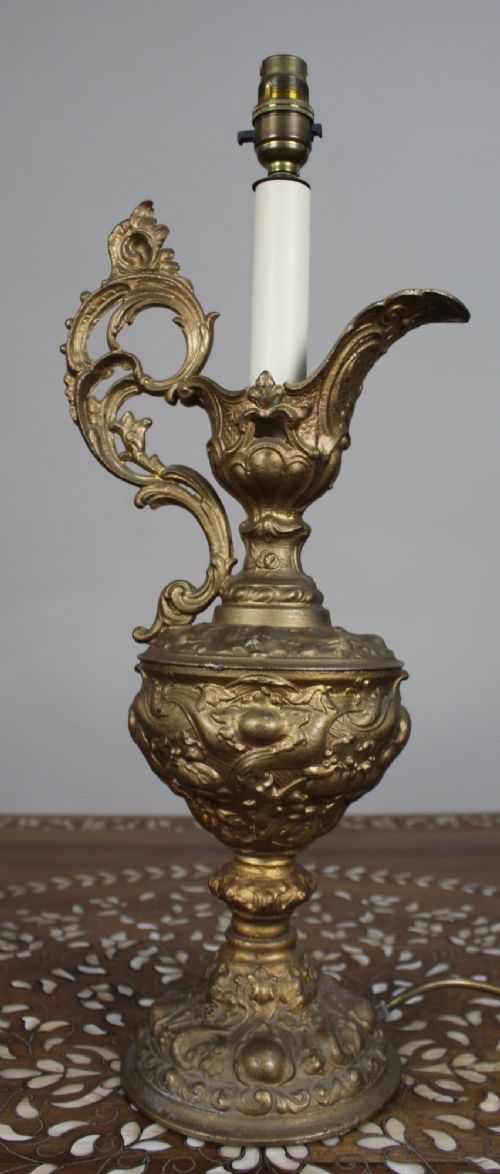
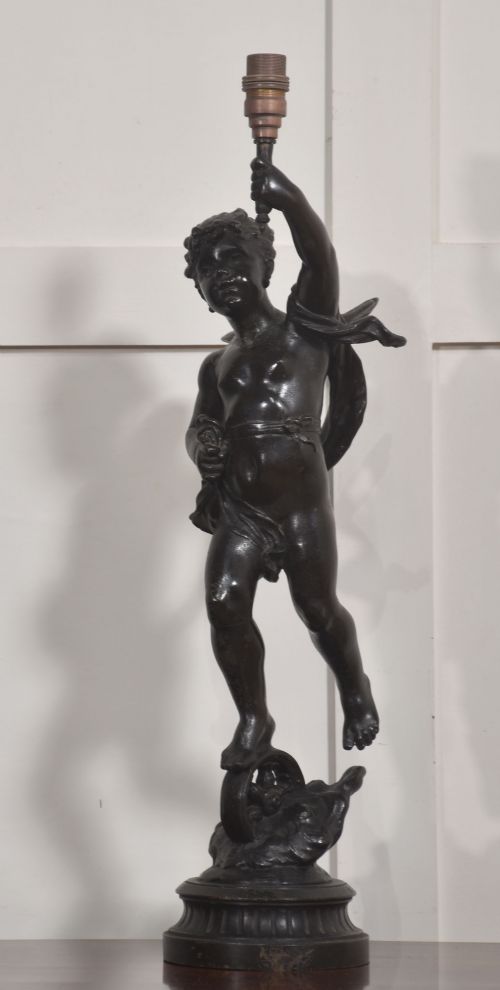
Casting methods of the period allowed for intricate figural work, such as cherubs, ewers, and mythological subjects. Gilding and hand-finishing provided the rich surface textures seen across the surviving examples.
Listings feature materials including marble, porcelain, glass, and fabric alongside bronze and brass.
What varies in quality
The distinction between standard production and exceptional work rests on the crispness of the casting and the depth of the chasing. Superior examples exhibit finely rendered details in facial expressions, drapery, and ornamental motifs without smoothing from wear or hasty finishing.
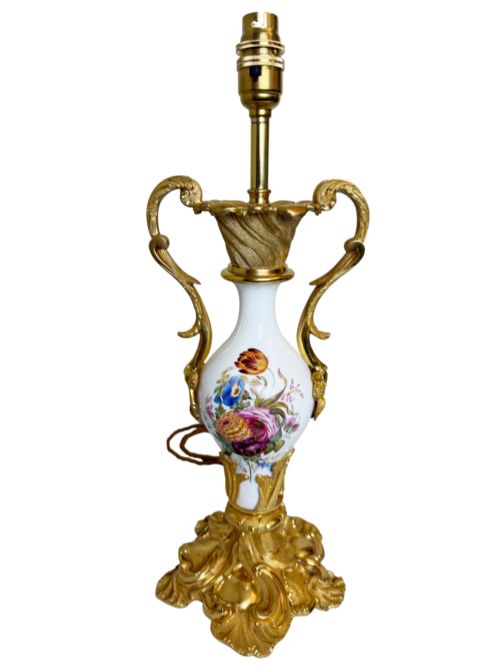
Material integration also separates the tiers, with high-end pieces featuring hand-painted porcelain panels, substantial marble plinths, or complex multi-part bronze assemblies rather than simpler stamped sheet metal or basic turned brass.
Emile Picault·Joseph Hinks·Jean-Jules Cambos
The Victorian Bronze Table Light Glossary
- Ormolu
- Gilded bronze, where a layer of gold amalgam is applied to a bronze base and heated to bond the metals. This technique creates a rich, enduring golden finish often found on decorative mounts and candelabra.
- Champlevé
- An enamelling technique where troughs or cells are hollowed out in the metal surface and filled with vitreous enamel powder before firing. The resulting coloured patterns sit flush with the surrounding metal.
- Patination
- The surface alteration of bronze through age, handling, or chemical treatment, creating a distinct colouration and sheen. A natural patina develops over decades of exposure.
- Candelabra
- A branched candlestick designed to hold multiple candles simultaneously, frequently adapted into electrified lamps during the twentieth century. These pieces often feature symmetrical arms and ornate central stems.
- Spelter
- A zinc alloy commonly used as a less expensive alternative to bronze during the nineteenth century. It takes finishes well but is softer and lighter than genuine bronze.
Victorian Bronze Table Light: Frequently Asked Questions
Were these always electric lamps?
Most of these pieces started as oil lamps, candlesticks, or candelabra before receiving modern wiring during later decades. The conversions preserve the original nineteenth-century metalwork while accommodating contemporary bulbs.
Makers of the period produced lighting designed for oil or wax, meaning present fittings represent subsequent adaptations for domestic electricity.
How do I distinguish bronze from spelter?
Bronze offers a heavier weight and a cooler touch than spelter, alongside a more resilient surface structure. Spelter is a softer zinc alloy that can show bubbling beneath the paint or plating.
Examining the underside or unexposed areas often reveals the paler grey metal characteristic of spelter beneath the surface finish.
What styles dominate these designs?
French Rococo Revival, Neoclassical, and Meiji period influences appear frequently across the selection. Makers drew heavily on classical antiquity, French chateau aesthetics, and Japanese decorative arts.
This stylistic variety reflects the eclectic tastes of the nineteenth-century interior, where historical motifs were reinterpreted for domestic lighting.
Can I find matching pairs?
The inventory includes numerous pairs of candelabra and candlesticks converted into table lamps. These matched sets provide symmetrical lighting options for sideboards, mantels, or large desks.
Single lamp bases also appear, often representing larger figural pieces or specialised column designs intended to stand alone.