


British Sterling Silver
British sterling silver brings together centuries of domestic craft, ranging from Georgian serving spoons to mid-century modern tableware.
British Sterling Silver
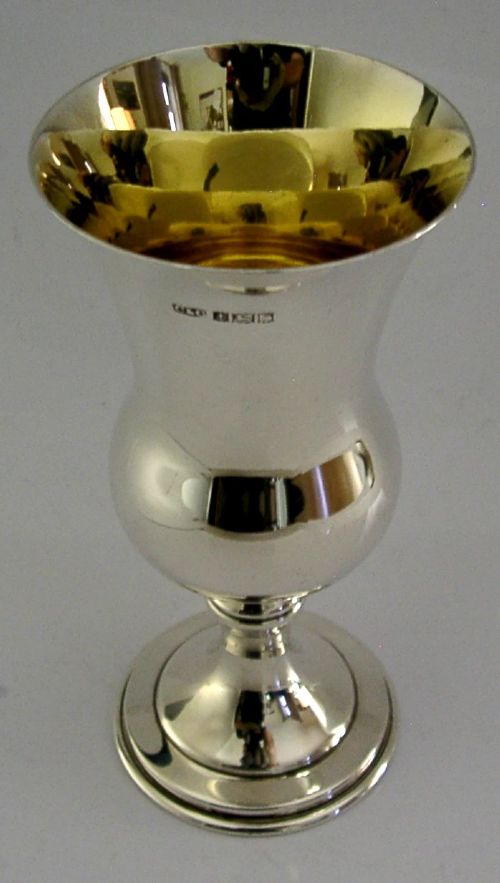
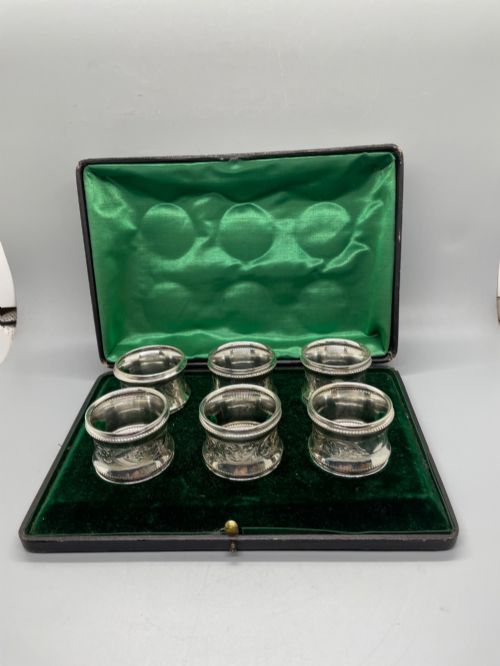
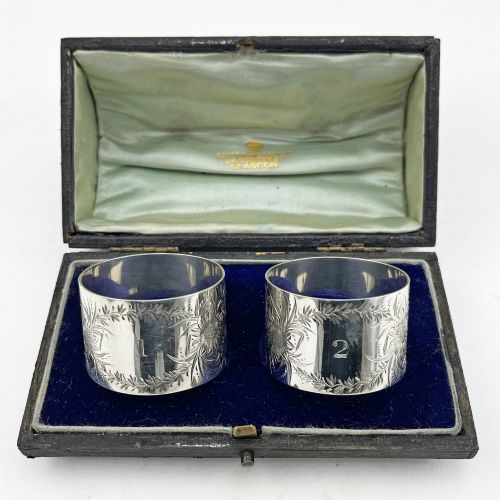
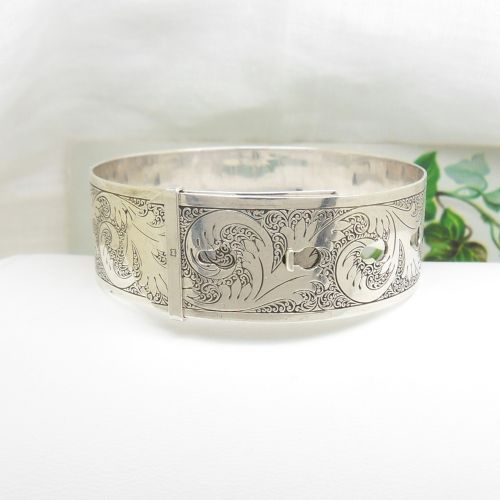
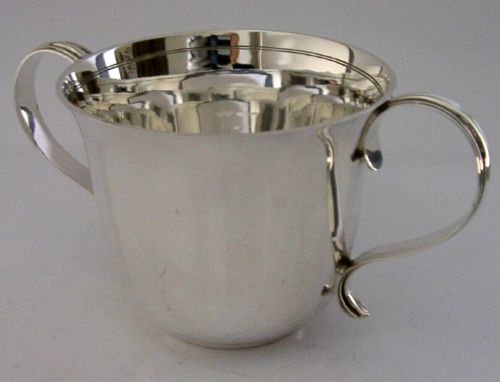
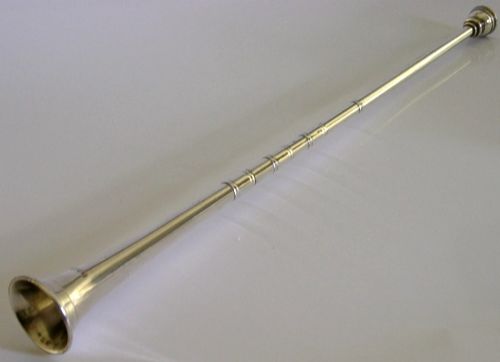
When searching for british sterling silver, buyers encounter an array of functional objects, including napkin rings, caddy spoons, bowls, dishes, and candlesticks. The selection spans the Victorian, Edwardian, and George V periods, extending through Art Deco and mid-century modern designs.
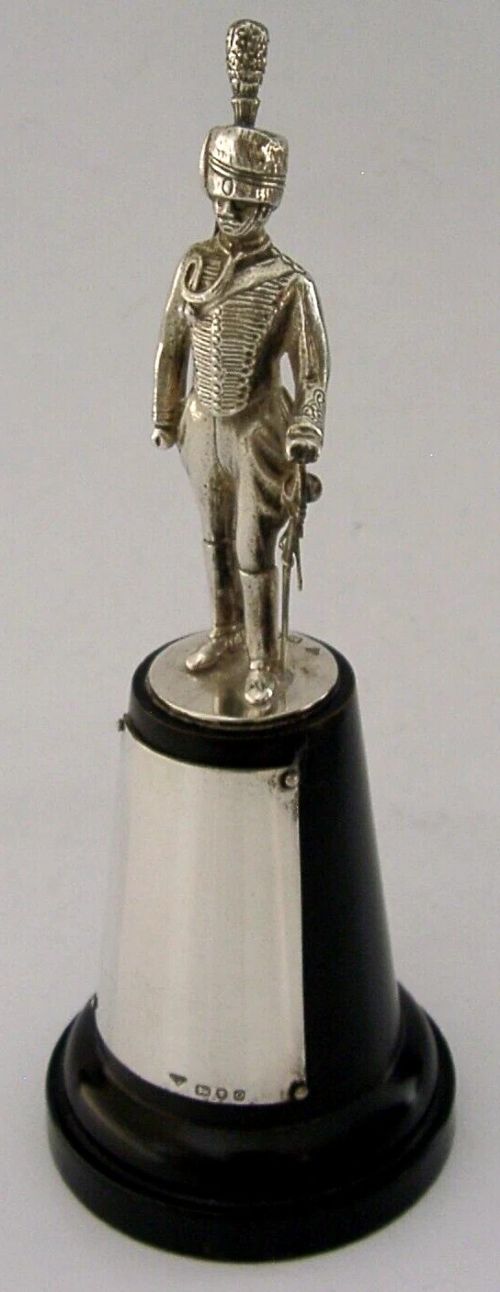
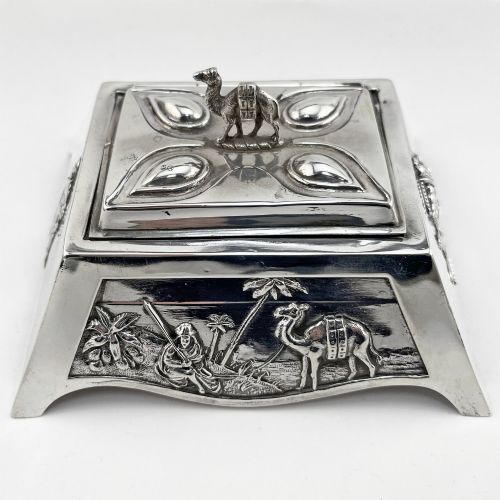
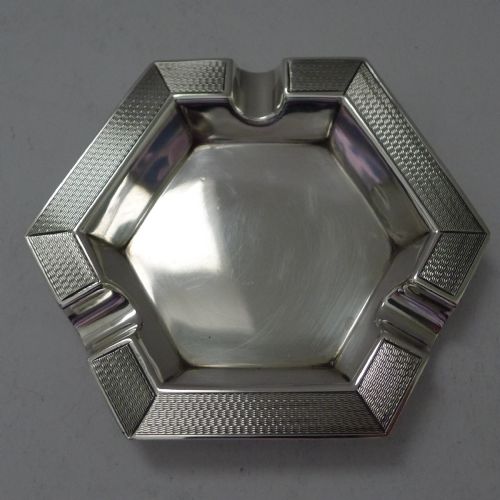
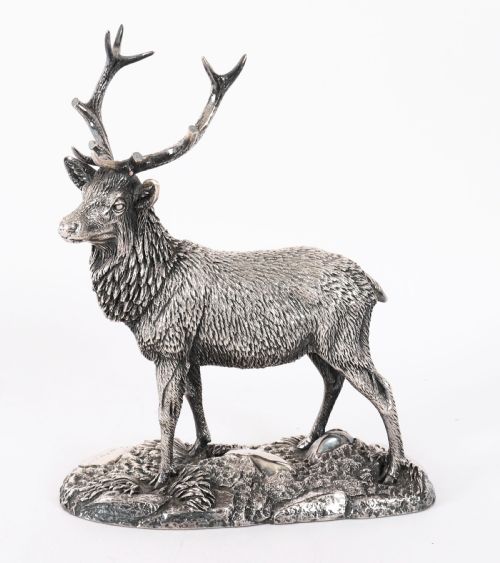
Most items on this page reflect twentieth-century production, notably from the 1900s to the 1950s, though earlier Victorian examples appear. Forms range from everyday flatware and ashtrays to decorative animalier sculptures and novelty tea caddy spoons.
Materials and construction
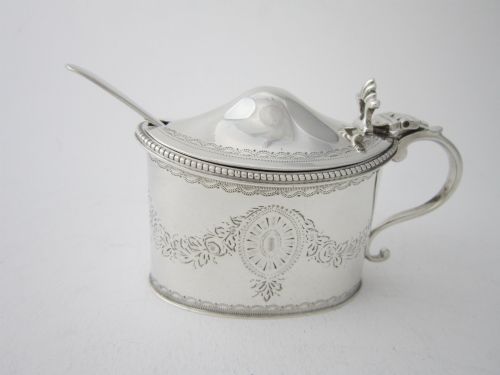
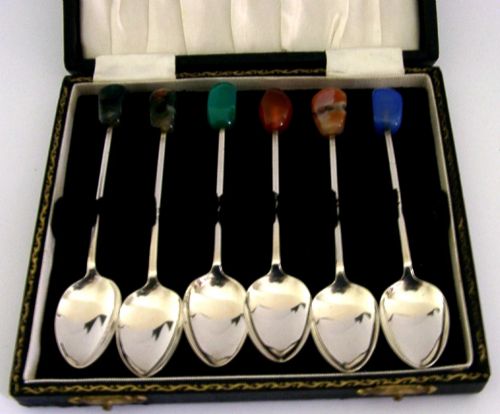
Makers utilised solid sterling silver alongside supplementary materials such as glass liners for mustard pots, blue john fluorite, agate, leatherette, and wood. Enamel and vitreous enamel frequently add colour to brooches, spoons, and small decorative pieces.
Techniques varied from traditional hand-beating and hammering, seen in Arts and Crafts pieces, to detailed casting used for animalier sculptures and novelty items. Hallmarks stamped directly into the metal record the assay office, standard, and date of manufacture.
British Sterling Silver Retail Price Guide 2026
Typical asking prices for british sterling silver among the pieces listed under this phrase on Sellingantiques today, from the lower quarter to the upper quarter. They describe what is for sale here now, not the wider market.
Listings feature items from the Victorian, Edwardian, and mid-century periods, incorporating materials such as blue john fluorite, enamel, and glass.
Assessing craftsmanship and design
Quality rests in the weight of the metal and the crispness of the maker's mark, distinguishing heavy, substantial pieces from lighter utilitarian items. The presence of specialised materials like blue john fluorite or hand-applied vitreous enamel elevates the standard of a piece.
Design ambition separates standard production wares from pieces bearing specific artistic movements, such as Art Deco geometric lines or Arts and Crafts hand-hammered textures. Maker attribution to notable workshops further shapes the standing of individual items.
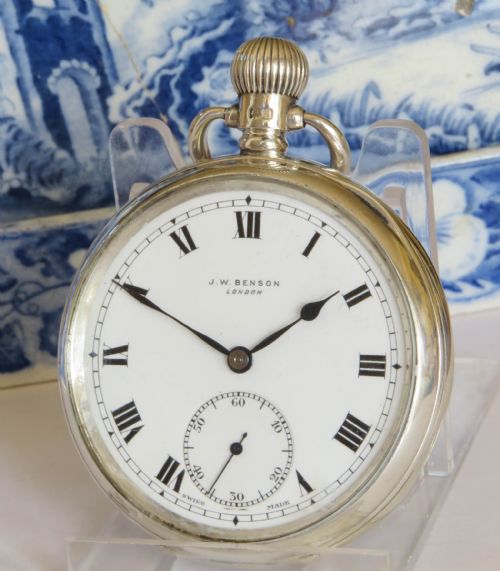
J W Benson·Liberty·Tom Mackie·Sampson Mordan·Geoffrey Bellamy·Aaron Lufkin Dennison·A H Darby And Son·William Neale·Barker Bros·Goldsmiths And Silversmiths Company·Worshipful Company Of Harberdashers·R E Stone
The British Sterling Silver Glossary
- Sterling silver
- An alloy consisting of 92.5 percent silver by mass, with the remainder composed of copper or other metals. This standard has been legally regulated in Britain for centuries.
- Hallmark
- A series of official marks stamped on precious metals in the United Kingdom. These symbols indicate the maker, the assay office, the purity standard, and the year of production.
- Caddy spoon
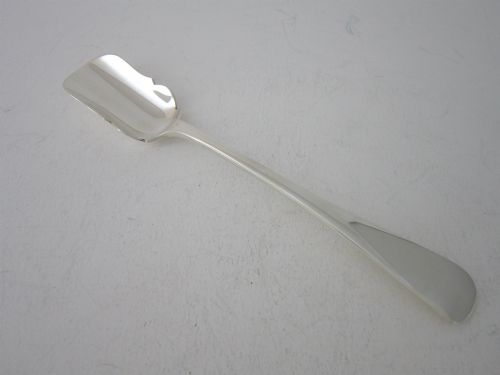
- A short-handled spoon specifically designed for measuring loose tea leaves from a caddy. They were produced in numerous novelty and regional styles during the nineteenth and twentieth centuries.
- Tazza
- An ornate shallow bowl or cup mounted on a stem and foot. They frequently appear in decorative metalwork and dining services.
- Animalier
- A style of sculpture focusing on the realistic portrayal of animals. In silverwork, this includes freestanding figures of birds, pheasants, and stags.
British Sterling Silver: Frequently Asked Questions
How do I read british silver hallmarks?
British silver hallmarks typically include a standard mark for sterling silver, a leopard head or anchor for the assay office, and a letter code corresponding to the year of manufacture.
Reference books and online date tables help match these stamped letters and symbols to exact decades across the Victorian and twentieth-century periods.
What is the difference between solid silver and sterling silver?
Solid silver generally refers to objects made entirely of silver rather than plated base metal. Sterling silver specifically denotes the strict legal standard of 92.5 percent silver purity.
All British sterling silver items meant to carry the designation must meet this alloy standard and bear the appropriate official hallmarks.
How were caddy spoons used?
Caddy spoons were utilised in tea service to scoop dry tea leaves from storage caddies into teapots. Their shallow bowls and short handles allowed them to fit neatly inside decorative containers.
Makers produced them in varied designs, ranging from plain fiddle patterns to novelty shapes modelled after hands, leaves, and shells.
How should I clean antique silver?
Antique silver benefits from gentle washing in warm water with mild soap followed by drying with a soft cloth. Harsh abrasive pastes remove fine details and age patination.
Specialist silver cloths or liquid polishes designed for sterling silver help maintain the surface shine without wearing down engraved or stamped hallmarks.