

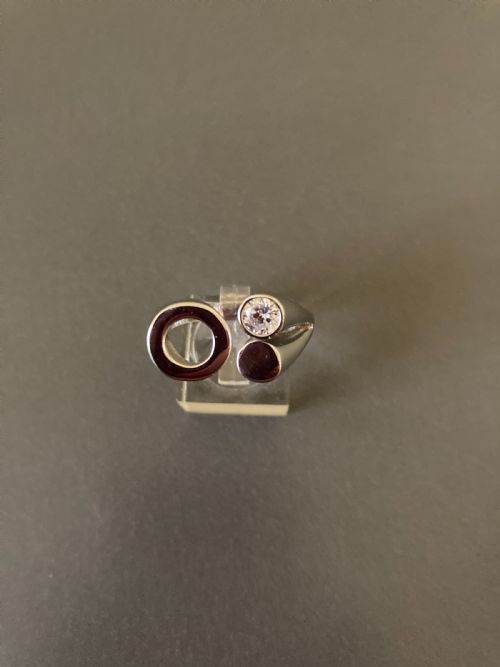


Mid Century Silver Ring
A mid century silver ring brings together the clean lines of mid-century design and the cool gleam of sterling silver.
Mid Century Silver Ring
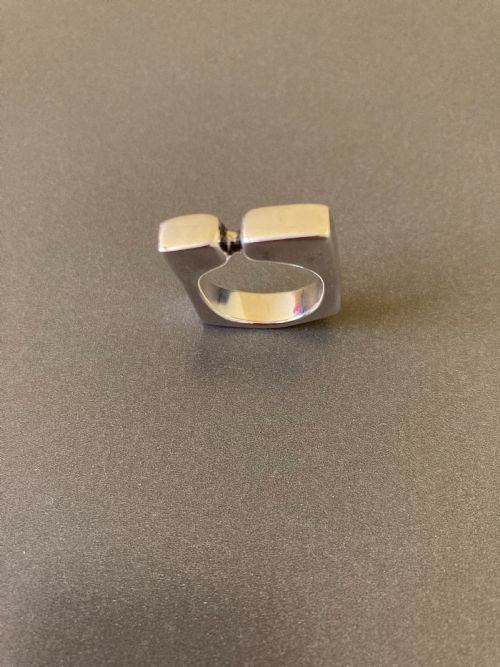
A mid century silver ring is a wearable piece of mid-century design, typically appearing in styles from the 1940s, 1950s, and 1960s. These pieces often showcase the modernist aesthetic that defined the era, leaning towards sculptural forms and clean geometric lines.
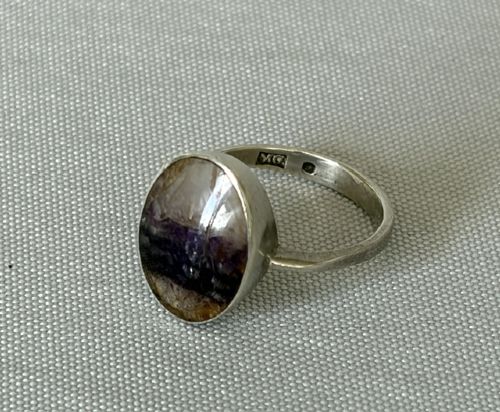
Most examples found in this category originate from British or Scandinavian workshops, with Danish Modern and Mid-Century Modernist designs forming a significant portion of the selection. Alongside classic plain silver bands, you will frequently encounter versions set with enamel, abalone shell, Blue John fluorite, or diamonds.
While the search points directly to finger jewellery, the broader selection of rings and related items includes everything from diamond solitaires to enamelled statement pieces. Buyers select these pieces for their distinct period character and the wearable artistry of mid-century silverwork.
Materials and construction
These rings rely primarily on sterling silver and standard silver as their foundational metal, often shaped through casting, hand-hammering, or sheet fabrication. Silversmiths of the period favoured clean metallic expanses that highlighted the natural lustre of the material.
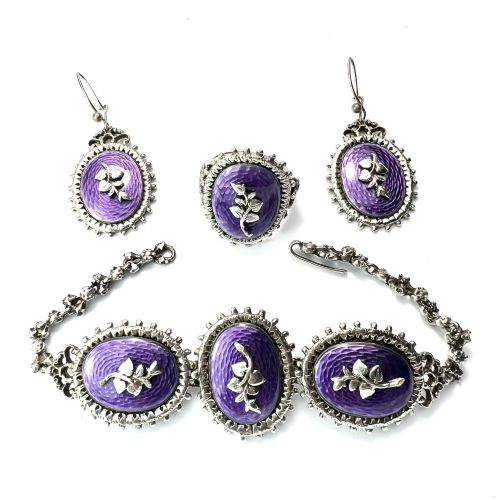
Many designs incorporate contrasting elements, such as vibrant vitreous enamel, natural stones like Blue John fluorite and abalone shell, or faceted diamonds set in platinum or silver. These materials were carefully integrated into the modernist metalwork to create striking visual depth.
Mid Century Silver Ring Retail Price Guide 2026
Typical asking prices for mid century silver ring among the pieces listed under this phrase on Sellingantiques today, from the lower quarter to the upper quarter. They describe what is for sale here now, not the wider market.
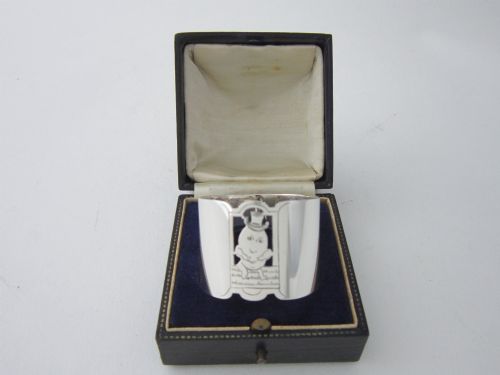
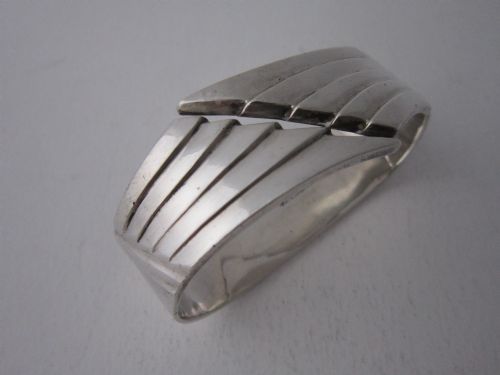
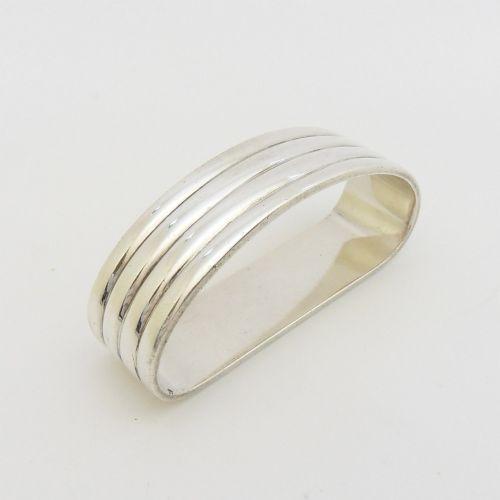
Mid-century designers applied their love for clean metalwork to everything from finger rings to tiny silver thimbles and napkin rings.
Assessing quality in period silverwork
Quality in a mid century silver ring rests heavily on the clarity of the maker's design vision and the precision of the silversmith's execution. Finer examples display crisp casting or forging lines, secure stone or enamel settings, and balanced proportions that sit comfortably on the hand.
The distinction between standard production pieces and superior works often lies in the individuality of the modernist styling and the quality of supplementary materials, such as high-grade enamel work or well-matched diamonds. Maker attribution also plays a strong role, with documented pieces from notable Scandinavian and British silversmiths demonstrating superior finish and thoughtful construction.
R. E. Stone·Georg Jensen·Harold Arthur Lazarus·Randers Silver·David-Andersen·Arne Johansen·Carrington and Co·Andresen Scheinpflug
The Mid Century Silver Ring Glossary
- Sterling silver
- An alloy consisting of 925 parts silver per thousand, providing the primary metal standard for the majority of these rings. This composition ensures both durability and a bright finish.
- Mid-Century Modern
- A design movement spanning roughly from the 1940s to the 1960s, characterised by clean lines, organic curves, and a rejection of heavy historic ornament. It forms the stylistic backbone of these rings.
- Vitreous enamel
- A coloured glass paste fused to the surface of the silver through high-temperature firing. This technique produces vibrant, glossy decorative panels on modernist jewellery.
- Solitaire
- A ring featuring a single prominent gemstone, most commonly a diamond in mid-century engagement and dress rings. The setting is designed to draw all attention to the central stone.
Mid Century Silver Ring: Frequently Asked Questions
How do I date a mid-century silver ring?
Dating these rings usually relies on a combination of hallmarks, maker's marks, and distinct stylistic cues. British pieces often feature assay office letters and date stamps that pinpoint the exact year of manufacture.
Scandinavian and international pieces may carry maker marks and general period indicators from the 1940s through the 1960s. Comparing the design against known modernist portfolios helps narrow down the decade.
How do I recognise Scandinavian modernist rings?
Scandinavian modernist rings from this period are distinguished by organic forms, abstract geometric shapes, and a minimalist approach that lets the silver take centre stage. They frequently use clever negative space and unadorned surfaces.
Look for workshop stamps originating from Norway or Denmark, such as Randers Silver or David-Andersen. These marks often accompany clean, sculptural silhouettes quite distinct from traditional British Victorian or Edwardian jewellery.
What is Blue John and how is it used?
Blue John is a scarce variety of fluorite found primarily in Derbyshire, England, known for its striking purple, blue, and yellow concentric bands. In mid-century jewellery, small cabochons of this stone were cut and polished to highlight the natural colour patterns.
Set against polished silver, Blue John provides an earthy, colourful focal point. Its inclusion is a hallmark of specific British modernist pieces from the period.