
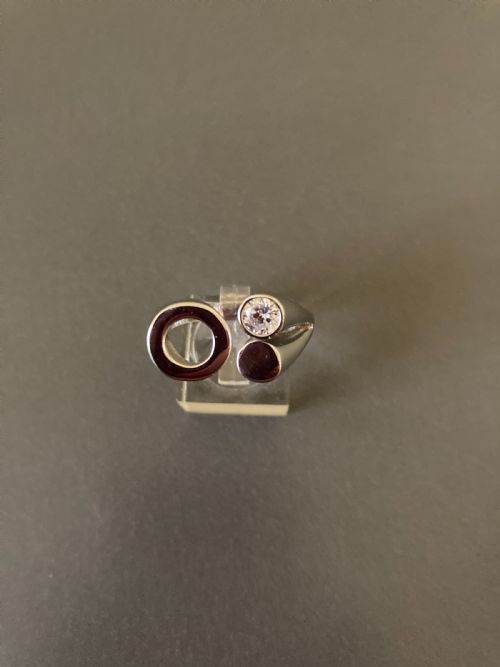


Geometric Silver Ring
A geometric silver ring is a sharp, architectural piece of jewellery designed to bring clean lines and structure to the hand.
Geometric Silver Ring
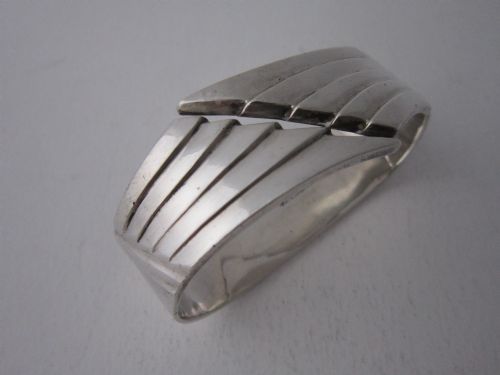
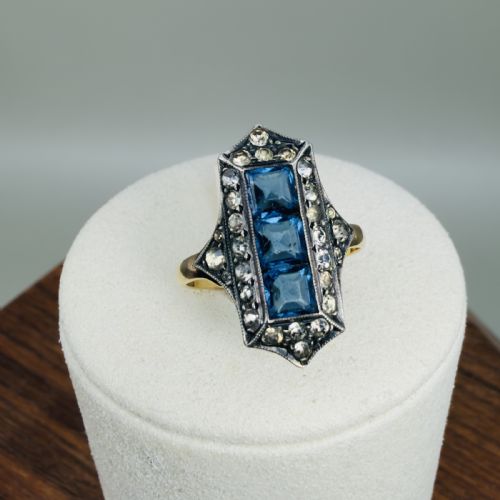
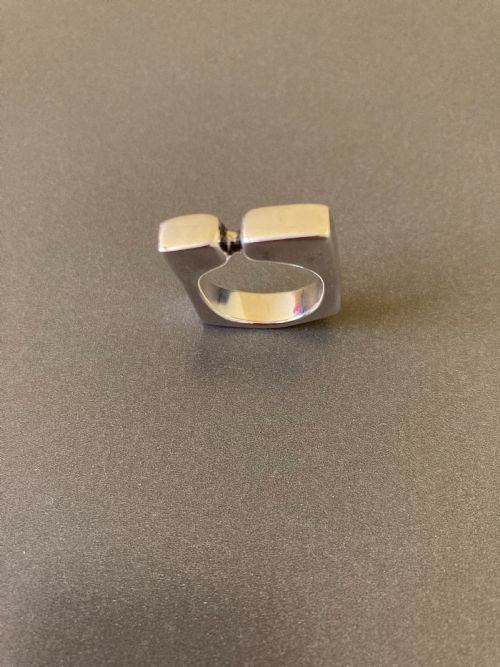
A geometric silver ring is defined by crisp angles, linear bands, and architectural shapes that draw the eye immediately. When searching for a geometric silver ring, buyers frequently encounter pieces born from the Art Deco, Mid-Century Modern, and Scandinavian Modern movements. These designs span several decades, reaching from the experimental forms of the 1920s and 1930s through to the clean minimalism of the 1950s and 1960s.
The selection ranges from sleek cocktail rings featuring central stones to broader bands shaped by modernist silversmiths. Alongside finger jewellery, related forms occasionally appear, though the core of the search centres firmly on wearable silver rings. Origins stretch across British makers and continental European workshops, particularly in Denmark, ensuring a diverse mix of regional aesthetics within the same structural vocabulary.
How they were made
Makers shaped sterling silver and silver gilt into rigid, linear mounts, often combining the cool metal with platinum or 18ct gold accents. These structural foundations were frequently designed to secure diamonds, sapphires, zirconia, or paste stones within precise bezel or cluster settings.
The construction relies on disciplined metalwork, where sharp angles and symmetry take precedence over soft curves. Workshops utilised casting and hand-fabrication techniques to achieve the zig-zags, parallel channels, and tiered faces characteristic of the era.
Listings for this search span the 1920s to the 1960s, featuring sterling silver, platinum, 18ct gold, and diamond.
What varies in quality
The distinction between ordinary and exceptional examples lies in the crispness of the lines and the architectural ambition of the design. Superior pieces demonstrate absolute precision in how stones are flush-set or stepped into the silver framework, with no slackness in the geometry.
Weight and balance also dictate distinction, as finer rings maintain a substantial feel on the hand despite delicate cut-out work. The integrity of the maker's mark and the preservation of sharp facet edges further separate standard production from masterwork output.
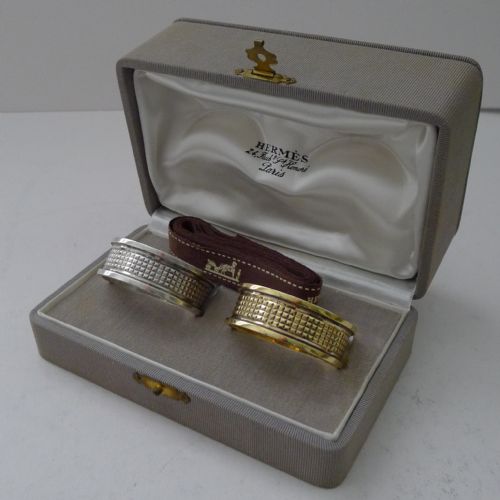
R. E. Stone·Hermes, Paris·Randers Silver
The Geometric Silver Ring Glossary
- Art Deco
- A design style dominant in the 1920s and 1930s characterised by symmetry, geometric precision, and streamlined forms. It heavily influences the angular silhouettes found in many silver and diamond rings.
- Cluster set
- An arrangement where a central stone is surrounded by a tight cluster of smaller gems. This technique maximises visual impact and creates distinct geometric patterns on the finger.
- Silver gilt
- Sterling silver that has been coated with a thin layer of gold. This treatment introduces warm metallic tones while retaining the underlying structure of silver.
- Old cut
- A diamond cutting style prevalent in the early twentieth century featuring smaller tables and broader facets. These stones emit a softer, deeper glow compared to modern brilliant cuts.
Geometric Silver Ring: Frequently Asked Questions
What periods do these rings come from?
The pieces span several decades of twentieth-century design, drawing heavily from the 1920s, 1930s, 1940s, 1950s, and 1960s.
Art Deco and modernist movements dominate the aesthetic, reflecting the architectural tastes of those specific eras.
How do I care for a silver ring?
Sterling silver benefits from regular, gentle cleaning with a soft microfibre cloth to maintain its brightness.
Avoid harsh chemical dips, especially when the mount includes delicate paste stones, diamonds, or gold accents.
Are these rings suitable for daily wear?
Many of these pieces are robust enough for everyday use, particularly solid silver bands and secure bezel settings.
Items featuring elevated stone clusters or delicate platinum work require more mindful wear to protect the structural geometry.
How do I distinguish Art Deco from Mid-Century styles?
Art Deco designs tend to feature symmetrical, high-contrast patterns often paired with diamonds, onyx, or sapphires.
Mid-Century and Scandinavian Modern pieces typically lean towards minimalist silver forms, smooth surfaces, and organic yet disciplined geometry.