

Sterling Silver Ring
Discover a sterling silver ring within this collection of historic jewellery, tableware accessories and small boxes.
Sterling Silver Ring
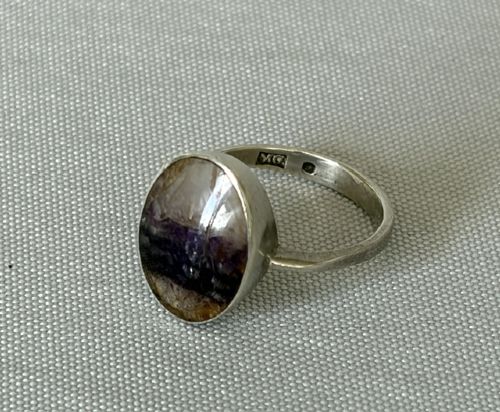
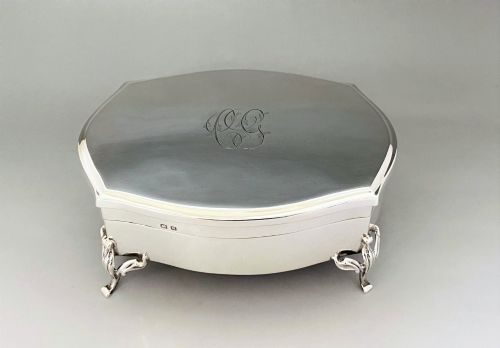
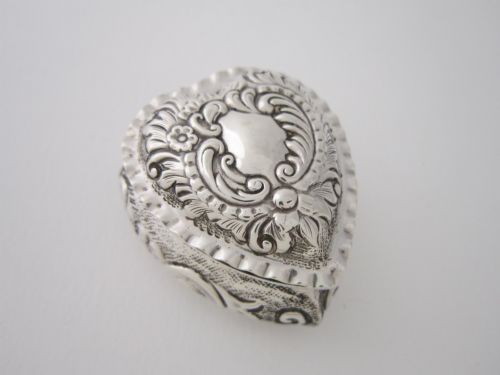
When searching for a sterling silver ring, buyers encounter items ranging from Victorian and Edwardian dress rings set with moonstones or paste to mid-century modern designs incorporating gemstones like blue john. Beyond finger rings, the selection includes related items bearing the term ring, such as napkin rings, wine bottle collars, and ring boxes.
The pieces span multiple decades from the late nineteenth century through the mid-twentieth century, encompassing George V, Art Deco, and Arts and Crafts styles. Makers and assay offices from Birmingham, Chester, and London contributed to this diverse array of silver objects.
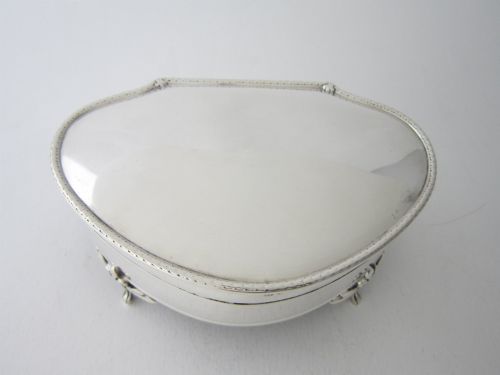
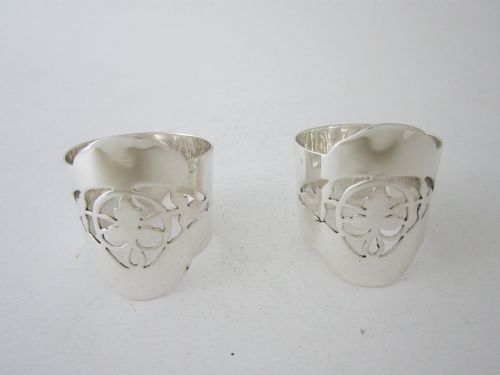
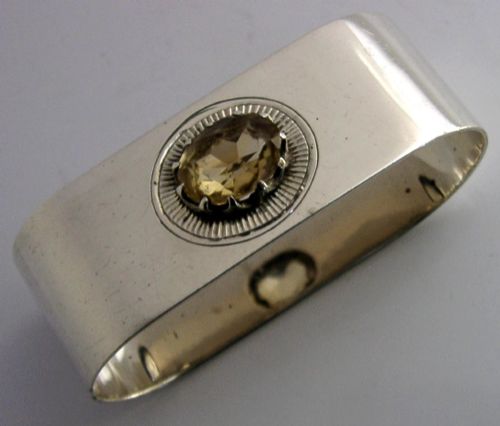
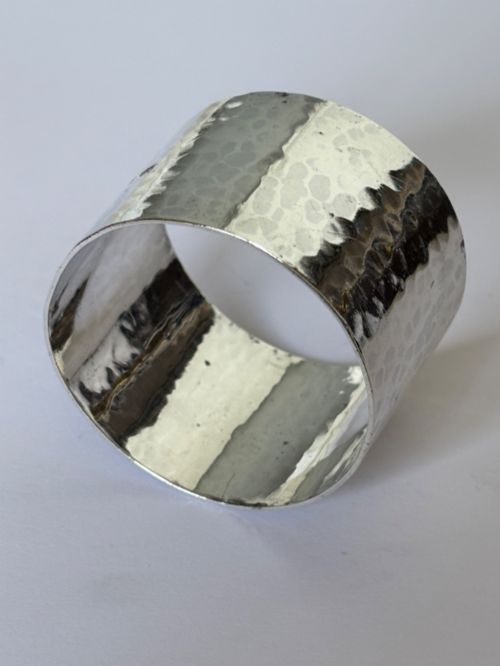
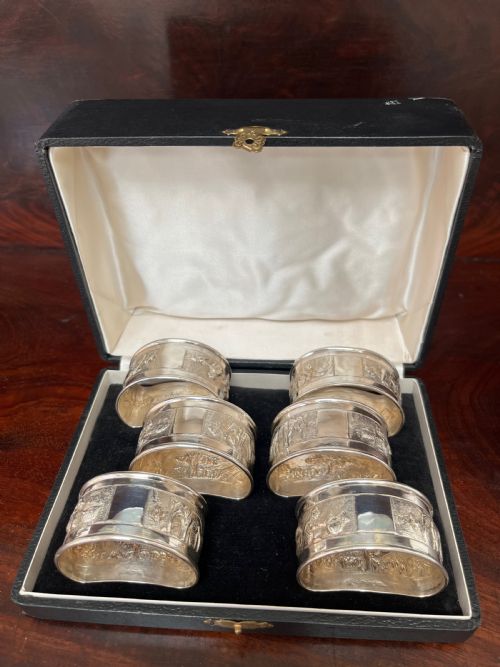
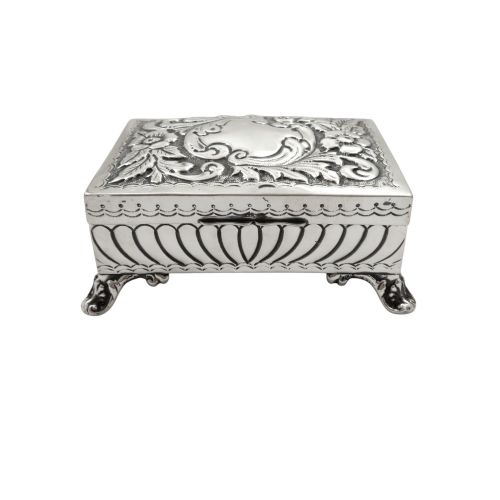
Napkin rings form a large portion of the tableware listings, often appearing in fitted presentation cases, sometimes accompanied by velvet, silk, or leatherette linings. Jewellery boxes and ring trees complete the domestic assortment.
Materials and Techniques
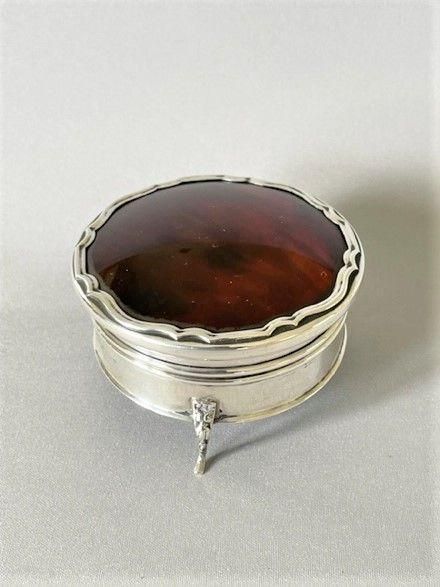
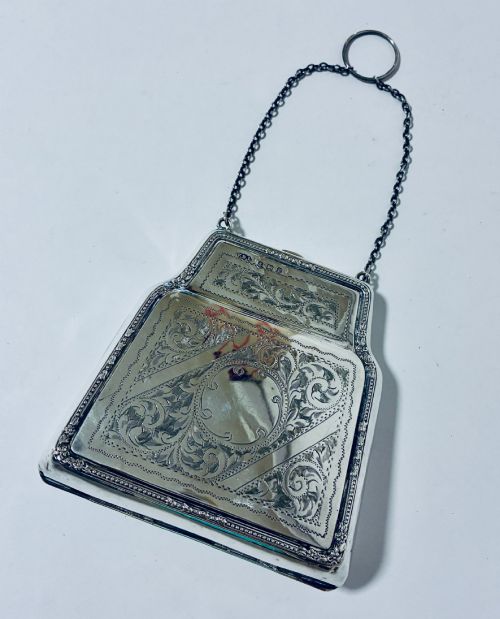
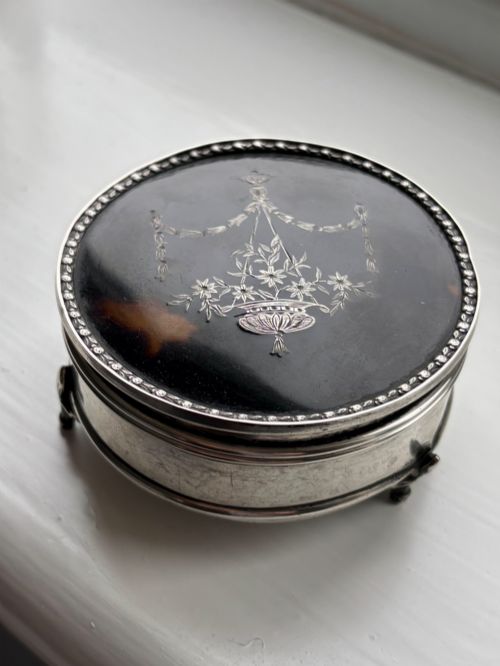
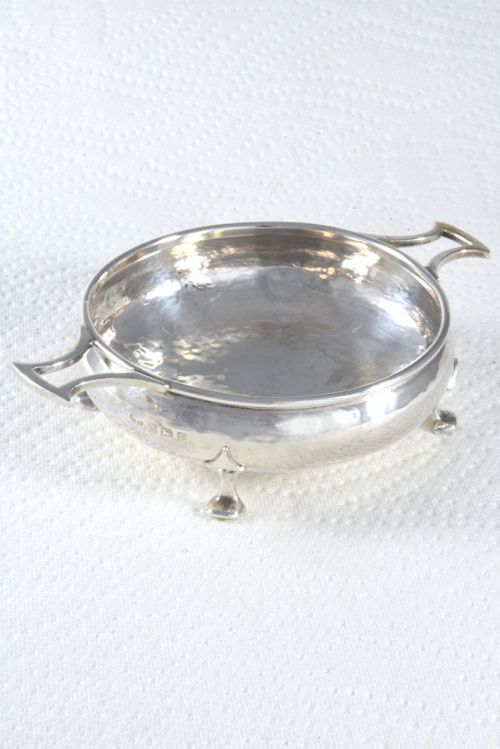
Makers utilised solid sterling silver, applying techniques such as hand hammering, engine turning, and piercing to decorate surfaces. Frames and boxes incorporate interior linings of velvet, silk, and leatherette, while dressing table items occasionally pair silver with tortoiseshell.
Gemstone setting involves citrine, moonstones, paste, agate, and blue john fluorite secured within silver bezels or claws. Certain napkin rings and boxes feature applied cast motifs including animals, horseshoes, and flora.
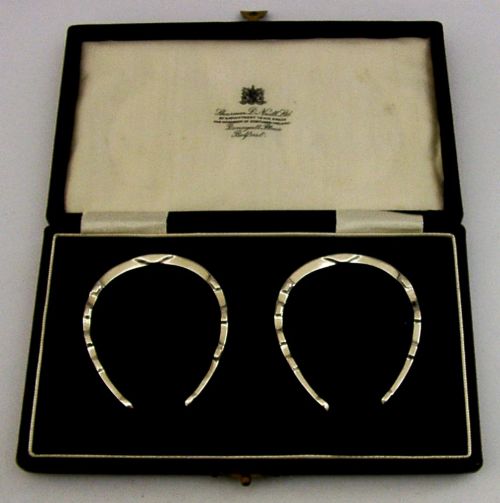
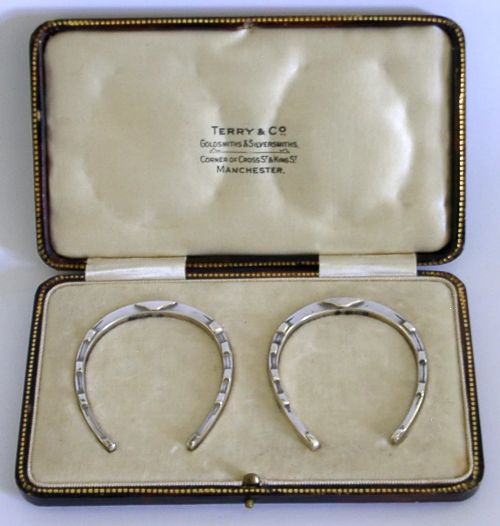
Several silver napkin rings are shaped like lucky horseshoes, ready to guard the dining table.
Markers of Quality
Superior items display crisp hallmarks, substantial metal weight, and deliberate hand-finishing by noted makers or workshops. The precision of engraved details and the snug fit of cased sets indicate higher manufacturing standards.
The integration of unusual natural materials, such as blue john or high-grade cabochon moonstones, elevates individual pieces above standard production work.
Albert Edward Jones·R. E. Stone·Georg Jensen·Arne Johansen·Ollivant and Botsford
The Sterling Silver Ring Glossary
- Sterling silver
- An alloy containing 92.5 percent silver by mass, with the remainder consisting of copper or other metals. This standard has served as the baseline for British plate and jewellery for centuries.
- Assay office
- An official body that tests the purity of precious metals and stamps items with hallmarks. Towns such as Birmingham and Chester maintained active assay offices during the Victorian and George V periods.
- Cabochon
- A gemstone shaped and polished with a smooth, convex domed surface rather than faceted. This cut appears frequently on antique moonstone and agate dress rings.
- Engine turning
- A mechanical technique used to engrave precise, intricate geometric patterns into metal surfaces. This method decorates many cased napkin rings from the early twentieth century.
- Paste
- Hand-cut glass utilised to imitate precious gemstones in antique jewellery. Art Deco eternity bands and dress rings frequently employ coloured paste stones.
Sterling Silver Ring: Frequently Asked Questions
How are antique napkin rings normally sold?
Napkin rings frequently appear as pairs or complete sets of four and six, housed within original fitted cases lined with velvet, silk, or leatherette.
Individual examples also occur, often featuring specific decorative motifs such as animals, lucky horseshoes, or floral engravings.
What materials accompany the silver in boxes?
Trinket and jewellery boxes from the Victorian and Edwardian eras commonly combine solid sterling silver with tortoiseshell or internal fabric linings.
Smaller ring boxes and dressing table containers utilise these contrasting textures to protect stored items.
How do I identify the date of a piece?
British pieces carry full sets of hallmarks stamped directly into the metal, denoting the assay office, the standard of silver, and a specific date letter.
Comparing these stamps against official assay records reveals the exact year of manufacture for items spanning the Victorian to mid-century periods.
What styles dominate mid-century pieces?
Mid-century items often reflect Arts and Crafts traditions or early modernism, with clean lines and exposed gemstones such as blue john fluorite or abalone shell.
Designers working during the 1940s and 1950s favoured simpler geometric forms alongside traditional hand-wrought silver techniques.