


British Modernist Artwork
British modernist artwork brings together bold experimentation and striking visual forms, offering collectors a direct link to the pioneering shifts of twentieth-century visual culture.
British Modernist Artwork
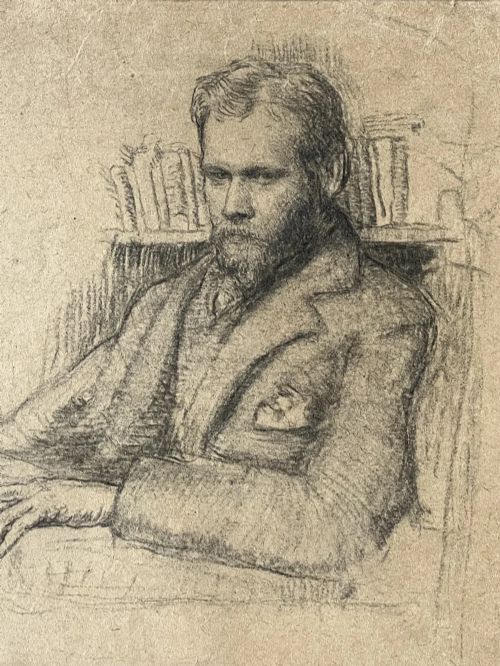
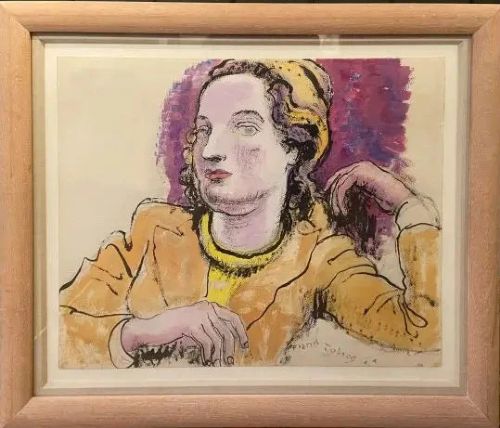
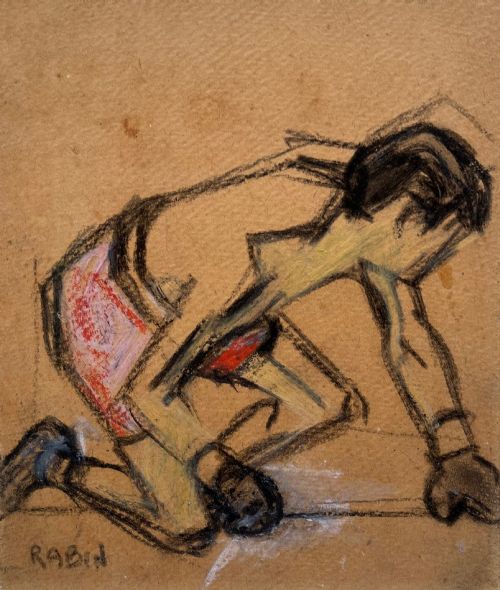
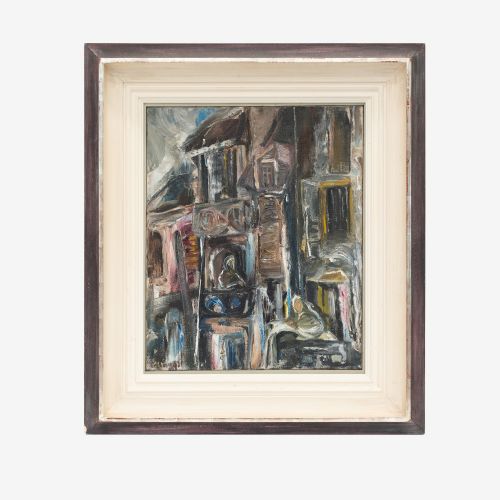
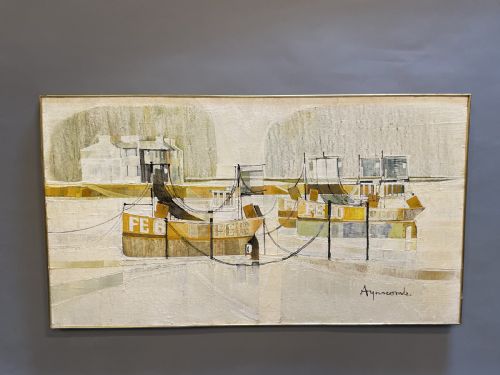
The objects take many forms, including framed paintings, original drawings, and expressive portraits that reflect broader European avant-garde currents. Artists working across Britain during these decades engaged with cubism, post-impressionism, and abstract expressionism to challenge traditional representation. These pieces serve as tangible records of a dynamic era in British art history, grounded in specific regional hubs like Cornwall and London.
Materials and techniques
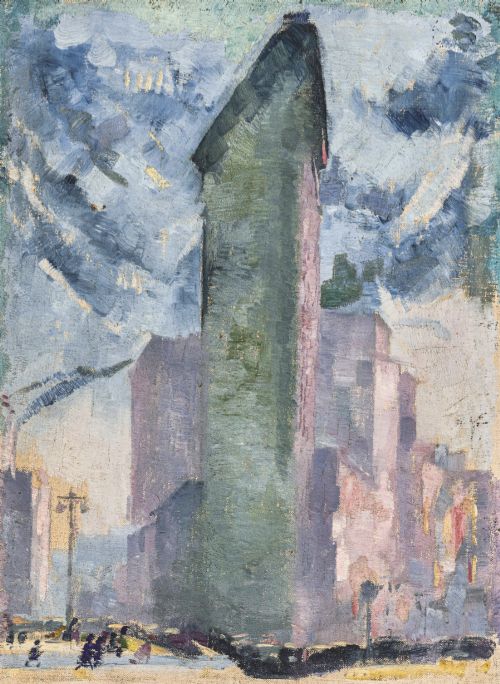
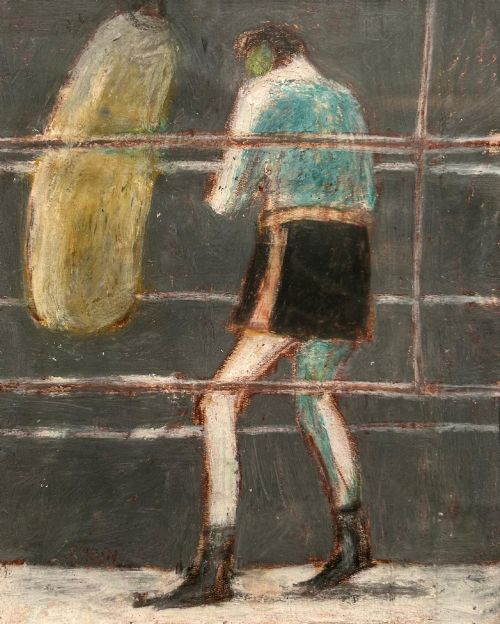
The physical construction of these works relies heavily on traditional supports such as canvas, wood, and paper, paired with oil paint, watercolour, gouache, pastel, and ink. Artists applied these mediums with varying degrees of texture, from flat geometric planes to thick impasto that emphasises the gesture of the hand. The choice of substrate often defines the intimate scale of works on paper alongside the more commanding presence of oil paintings on canvas or board.
Techniques range from structured cubist geometry and precise pencil studies to free-flowing abstract watercolours and expressive landscape interpretations. Makers utilised these methods to explore form, light, and subject matter without the constraints of strict academic realism. Each piece demonstrates the deliberate interplay between the physical medium and the underlying artistic philosophy of its period.
Listings span from nineteen-ten to nineteen-sixty, encompassing wood, paper, canvas, and various oil formulations.
Assessing quality and execution
Quality in these pieces rests upon the strength of the composition, the sureness of the hand, and the clarity of the artistic vision. Stronger examples demonstrate a confident mastery of medium and form, whether through the rigorous lines of a cubist interior or the expressive brushwork of a coastal landscape. The relationship between the maker's intent and the final execution dictates the visual impact of the work.
Provenance and documentation also contribute significantly to the standing of an individual piece, offering insight into its exhibition history and origin. Works that retain a clear connection to established artistic circles or known studios carry greater contextual weight. Ultimately, the distinction between pieces lies in the conviction of the mark-making and the internal balance of the design.
Augustus John·Frank Dobson·Alfred Wolmark·Samuel Rabin·Lilian Colbourn·Elisabeth Frink·Denis Mitchell·Barbara Hepworth·Edward Carter Preston·William McCance·Adrian Heath·Lillian M. Harrison·Mary Fedden·Bernard Meninsky·Henry Bird
The British Modernist Artwork Glossary
- Cubism
- An early twentieth-century avant-garde art movement that revolutionised European painting and sculpture. It broke subjects down into geometric shapes and multiple viewpoints.
- Gouache
- An opaque water-based paint that dries to a matte finish. It allows for vibrant colour saturation and crisp linear control on paper supports.
- Impasto
- The technique of laying paint thickly on a surface so that it stands out from it. This method gives physical dimension and visible brush texture to oil paintings.
- Post-Impressionism
- A predominantly French art movement that developed from about eighteen-eighty-six to nineteen-hundred-and-fourteen, extending impressionism while rejecting its limitations. It influenced subsequent British modernism through an emphasis on symbolic content and heavier brushwork.
- Provenance
- The chronology of the ownership, custody, or location of a historical object. A documented origin establishes authenticity and historical context.
British Modernist Artwork: Frequently Asked Questions
What defines british modernist artwork?
These pieces are defined by their departure from strict academic realism, embracing abstraction, cubism, and expressive colour use. They reflect the experimental spirit of twentieth-century British visual culture.
The works encompass various mediums, from oil on canvas to gouache on paper, produced across decades marked by significant social and artistic transformation.
How should I hang these pieces?
Consider framing works on paper with conservation-grade materials to protect them from light exposure. Positioning them away from direct sunlight preserves the integrity of watercolours and gouache.
Oil paintings on canvas or board require stable environmental conditions, avoiding excessive humidity and rapid temperature fluctuations to maintain the substrate and paint layers.
How can I tell periods apart?
Early periods often show lingering post-impressionist influences or precise academic training, while the nineteen-thirties introduce structured geometric experiments and figurative distortion. Mid-century works increasingly embrace abstraction and expressive handling of paint.
Examining the chosen materials, framing styles, and any accompanying documentation helps anchor a piece within its specific decade of creation.
Where were these works produced?
Many pieces originate from distinct artistic hubs across Britain, including London and coastal communities in Cornwall associated with St Ives. These locations fostered collaborative environments where modernism flourished.
Regional galleries, artists' studios, and specific retail outlets occasionally documented in the provenance also point to the distribution and exhibition of these works.