




Vintage Nude Sketch
A vintage nude sketch brings immediate character to a wall, offering direct line and shadow from decades past.
Vintage Nude Sketch
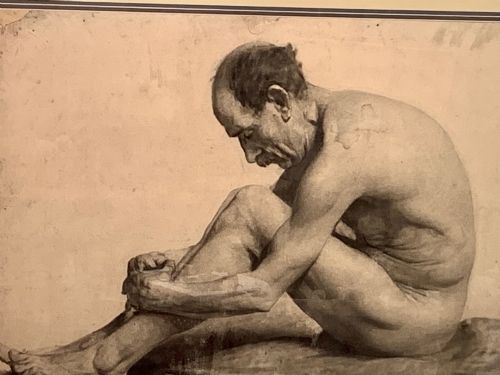
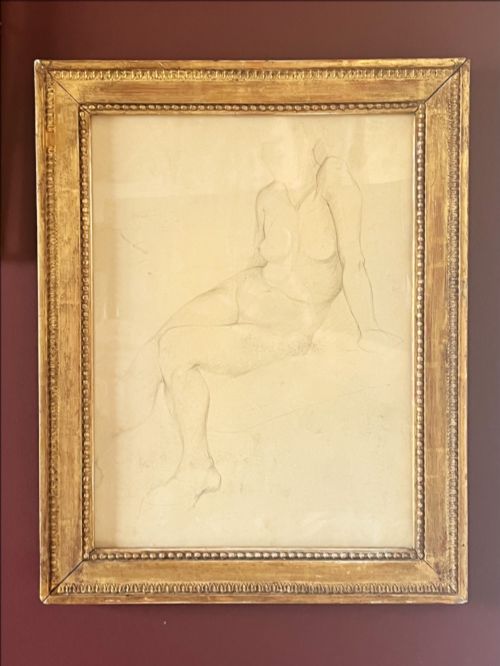
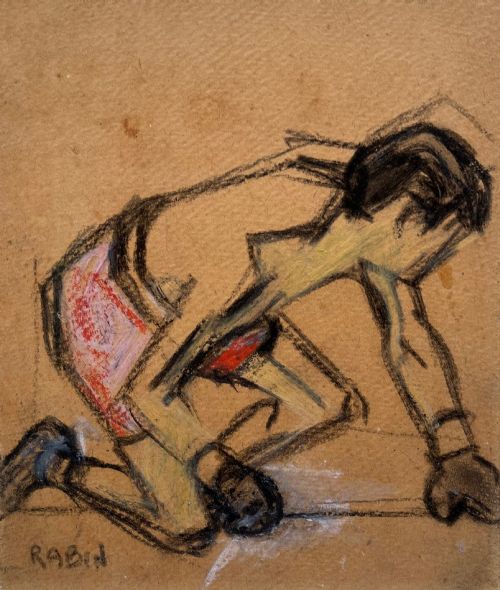
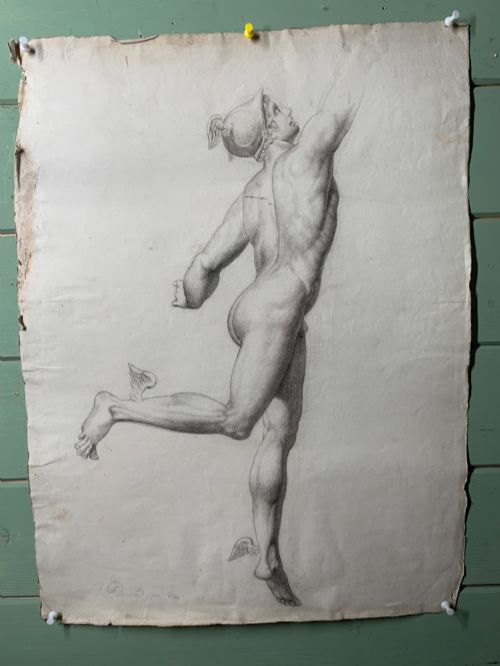
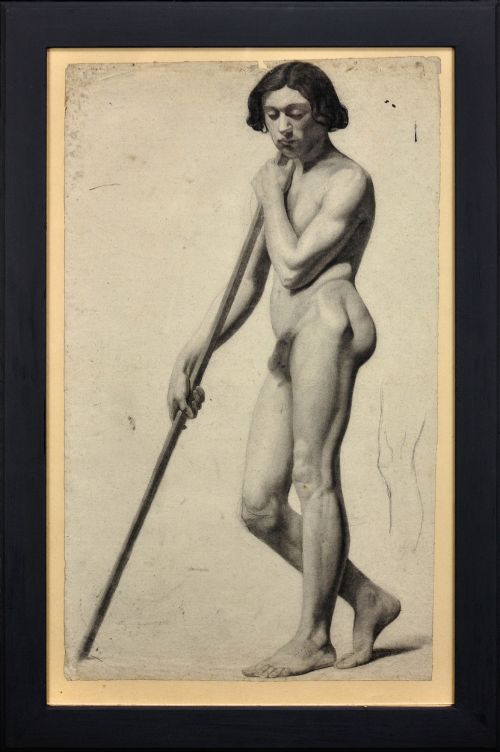
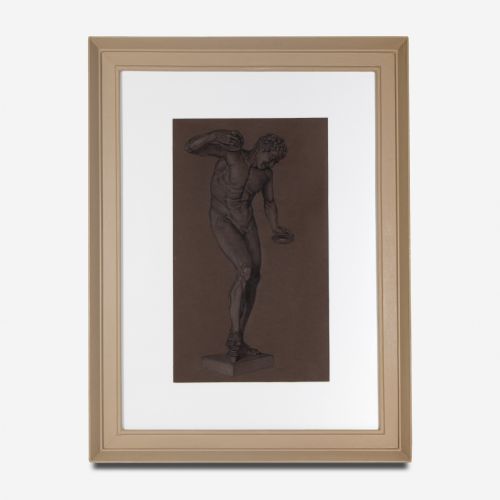
A vintage nude sketch captures the human form through hand-drawn lines on paper, emerging from periods such as the Georgian era through to the mid-twentieth century. These works range from rigorous academic life studies to avant-garde interpretations executed in charcoal, graphite, chalk, and ink. Buyers encounter framed drawings and original artwork that display varying approaches to the figure, from classical proportions to modernist abstraction.
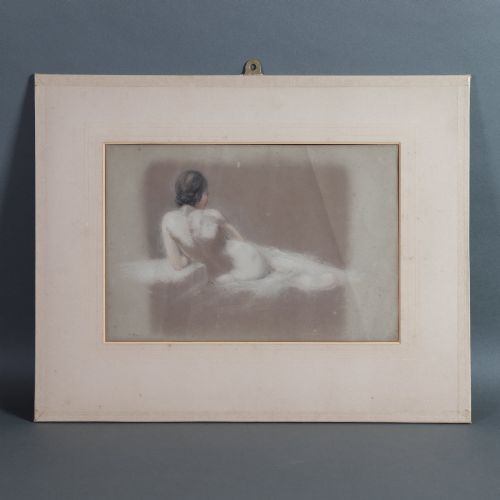
The pieces on this page lean heavily into twentieth-century British and European traditions, alongside earlier academic works. You find subjects ranging from recumbent and seated female figures to male life studies carrying a staff. Most examples arrive framed in wood or glass, preserving the delicate paper surfaces against the passage of time.
How they were made
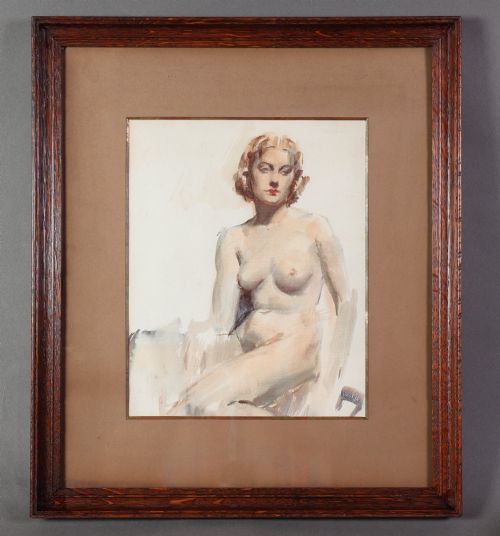
Artists relied primarily on paper supports, applying media such as graphite, charcoal, chalk, and pastel to build form and tone. Charcoal and chalk allow for sweeping, expressive shadows, whilst graphite and ink provide precise linear definition. Mixed media and watercolour also appear, adding washes of colour to underlying drawn structures.
Works often originated in formal art schools or private studios as life studies from models. Master draughtsmen utilised techniques spanning academic realism, cubism, and neoclassical styles. Finished sheets found placement behind glass within wooden frames, frequently gilt or simple in profile.
Several nude studies double as historic illustrations for erotic poetry and postmistress portraits.
What varies in quality
The strength of the draughtsmanship dictates the calibre of the piece, separating confident anatomical rendering from hesitant line work. Masterly control over shadow and light reveals the artist's ability to capture volume and weight on a flat sheet of paper. Works originating from recognised artists or established European schools carry stronger provenance and artistic conviction.
The harmony between the artwork and its period frame also influences the overall standard. Preservation of the paper medium without excessive foxing or deterioration maintains the integrity of the drawing. Execution speed and expressive freedom distinguish a vital life study from a rigid academic exercise.
William Etty·Augustus John·Henry Arthur Roberts·Demetrios Galanis·Winifred Eugene Ballard·Mariette Lydis·Frank Dobson·Kees van Dongen·Henry Bird
The Vintage Nude Sketch Glossary
- Academic Realism
- A style of painting and drawing produced under the influence of European academies of art, emphasising strict adherence to classical proportions and anatomical precision. It forms the basis of many nineteenth-century life studies.
- Life Study
- A drawing or painting of the human figure taken from a live model, often created within an art school setting. These exercises test the artist's ability to capture transient poses and musculature.
- Deux Crayon
- A drawing technique utilising two distinct crayons or chalks, usually black and red or white, on tinted paper. This method allows the artist to build both deep shadows and bright highlights simultaneously.
- Recumbent
- A term describing a figure lying down or reclining. This posture frequently appears in classical and modern studies of the nude.
- Provenance
- The chronological history of the ownership of a work of art, establishing its authenticity and previous collections. Strong provenance adds significant context to a drawing.
Vintage Nude Sketch: Frequently Asked Questions
What is a vintage nude sketch?
A vintage nude sketch is an original drawing on paper depicting the human figure, produced during past decades or centuries. These works utilise media like charcoal, graphite, and chalk.
They capture the shifts in artistic style from strict academic training to modernist abstraction across various European schools.
How were these drawings used?
Artists created many of these sketches as life studies in art schools to master human anatomy and proportions. Others served as preliminary studies for larger paintings or illustrations.
Today, collectors frame and display them as finished pieces of fine art on residential walls.
How do I style a vintage sketch at home?
These works suit placement in studies, living rooms, or hallways where their subtle tones can be appreciated up close. Pairing them with simple wooden or gilt frames helps anchor the paper against a wall.
Keep them out of direct sunlight to prevent the charcoal, chalk, or paper from fading over time.
How do I identify the period of a drawing?
The style of the artwork often points to its era, moving from neoclassical academic realism to twentieth-century cubism and modernist abstraction. Signatures, dates, and framing materials also offer clues to the decade of creation.
Subject matter and the specific handling of graphite or charcoal reflect the prevailing artistic conventions of the time.