

Paper Figure Study
A paper figure study captures the human form through line and tone, offering a direct record of the artist's hand.
Paper Figure Study
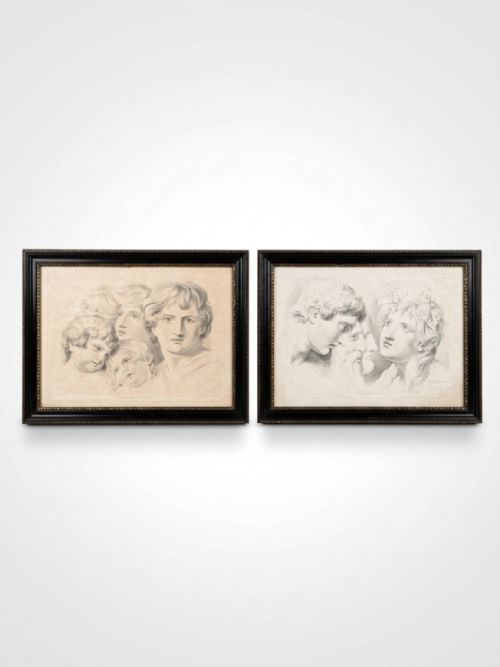
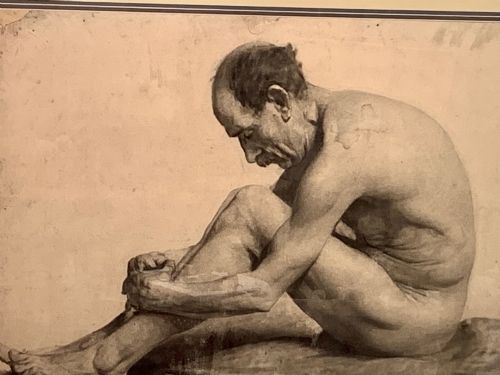
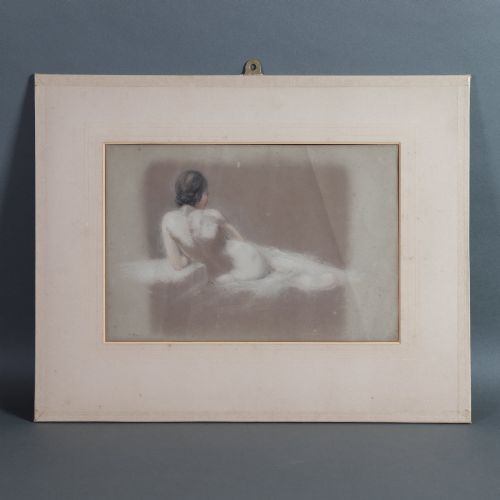
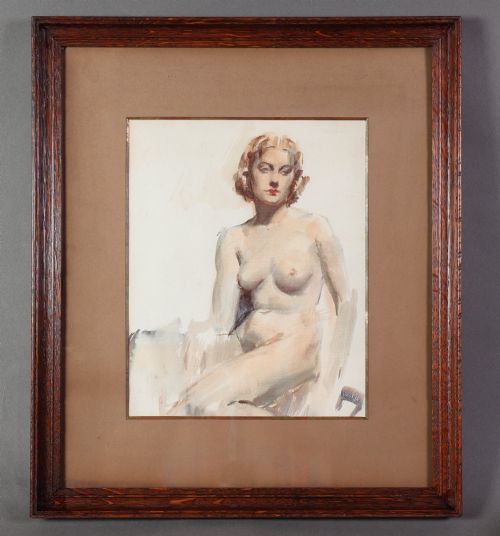
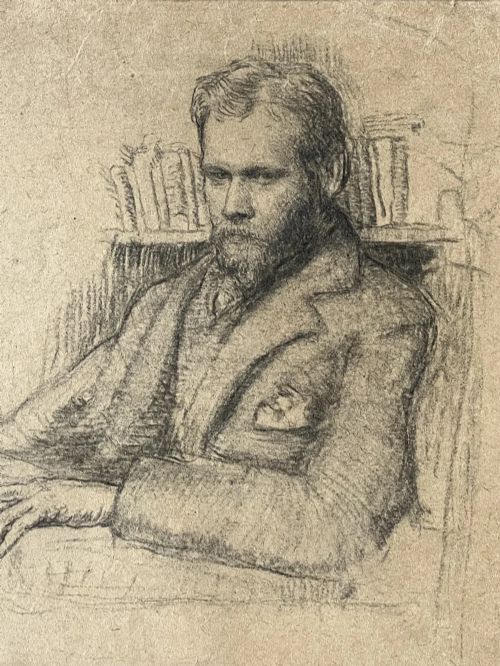
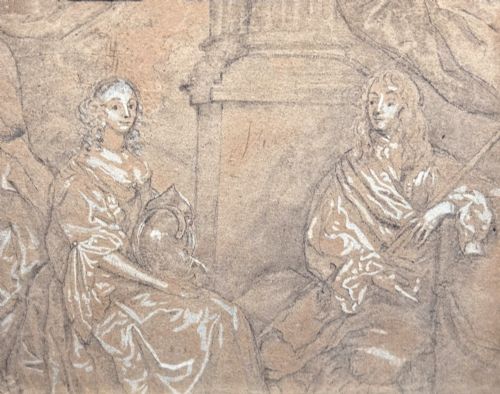
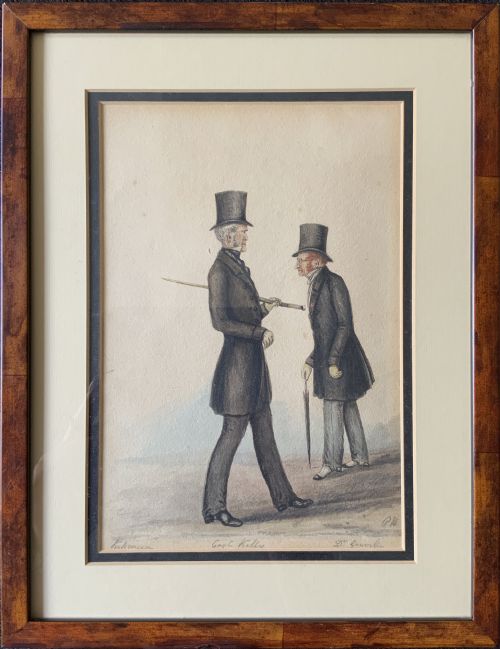
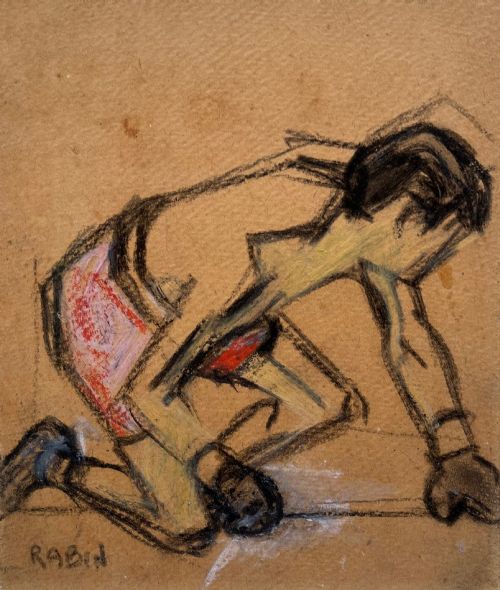
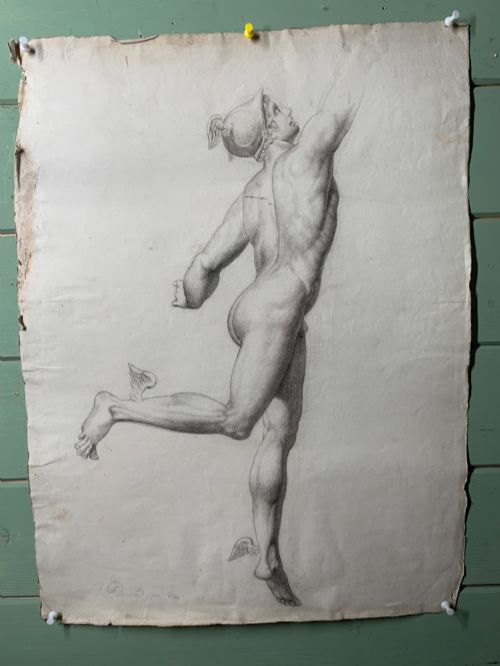
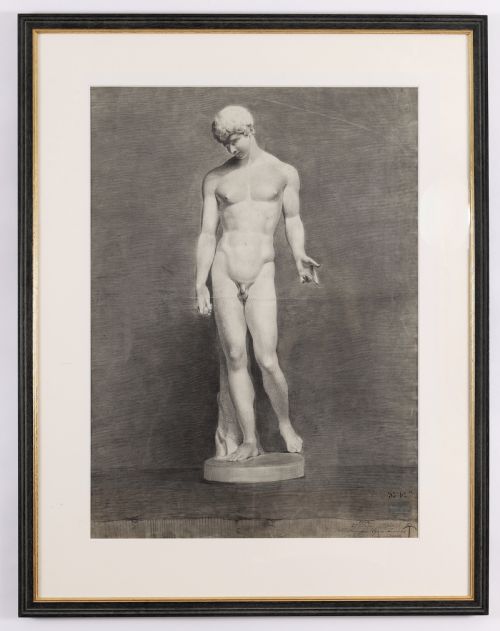
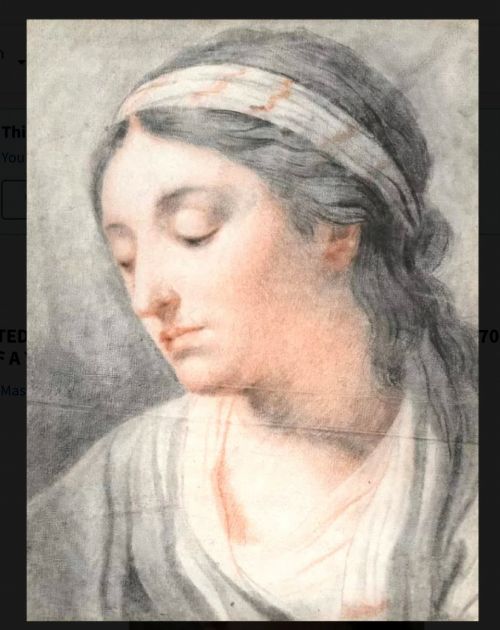
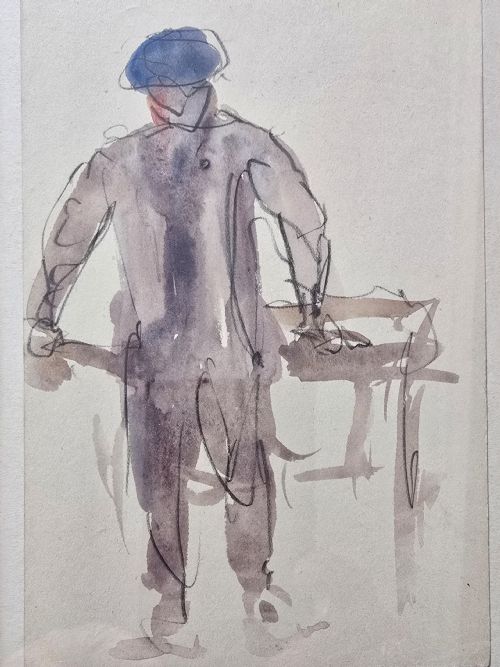
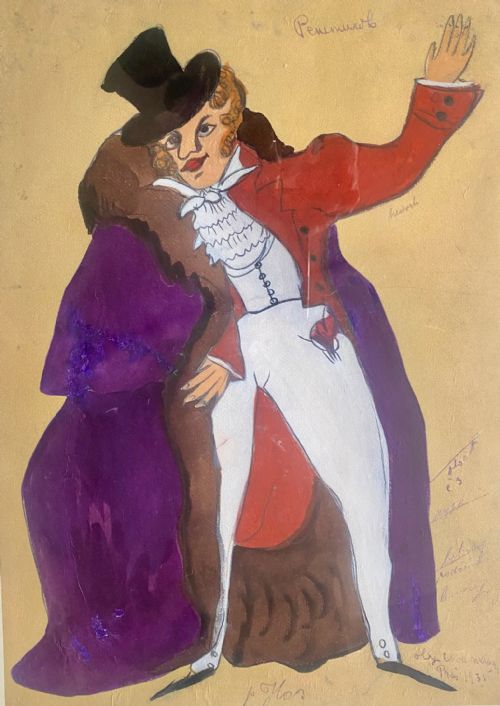
A paper figure study represents a preparatory or finished work focusing on the human body, spanning periods from the seventeenth century through to the mid-twentieth century. The selection ranges from classical academic life drawings of nudes to portraits and character sketches.
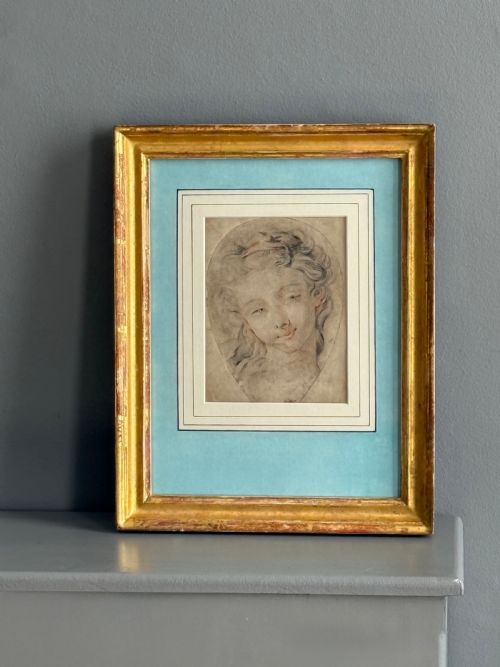
Most examples found here originate from British, French, and Italian schools, rendered in framed formats suitable for display. These works function as primary documents of artistic training and observational skill.
Buyers encounter both rapid compositional drafts and highly finished academic submissions. The subject matter extends from historical figures and theatrical characters to anonymous models posed in studios.
Materials and Technique
Artists relied primarily on paper supports, sometimes utilising prepared surfaces like pith paper or tinted sheets to enhance tone. Drawing media included graphite, charcoal, red chalk, sanguine, ink, and gouache, often combined in mixed media approaches.
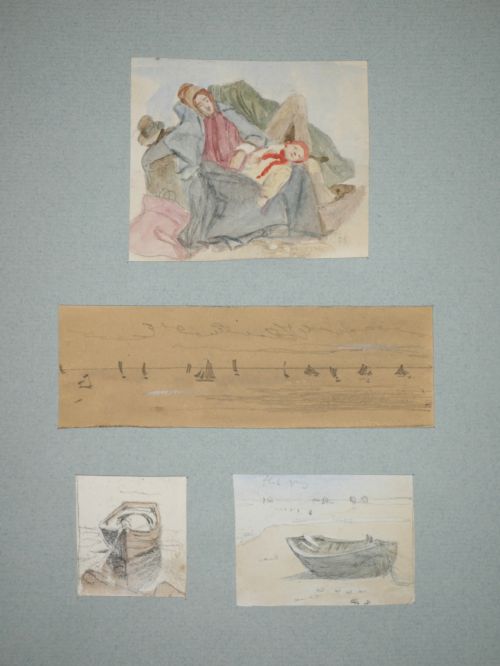
Watercolour and oil paints appear on paper supports for works requiring greater chromatic depth. Draftsmen utilised fine line work, cross-hatching, and tonal shading to establish volume and anatomical accuracy.
Listings feature works executed in graphite, charcoal, red chalk, ink, and watercolour across the seventeenth to twentieth centuries.
Assessing Quality
Quality rests upon the sureness of the line and the precision of anatomical rendering. Superior works demonstrate an acute understanding of weight, muscle structure, and posture, whereas lesser examples rely on stiff outlines and flat shading.
The sophistication of the preparatory process dictates value, distinguishing rapid studio exercises from exhibition-ready submissions. Provenance and attribution to documented academic traditions elevate the standing of a piece.
James Smetham·William Etty·Francois Boucher·Augustus John·Carl Haag·Peter Lely·Samuel Rabin·Francois Andre Vincent·Michael Healy·Picabia·Henry Arthur Roberts·Lucien Gibert·Cipriani·Alfred Dehodencq·Pierre Paul Prud'hon·Demetrios Galanis·Robert Richard Scanlan·Lucien Freud
The Paper Figure Study Glossary
- Academic Realism
- A style of painting and drawing produced under the influence of European academies of art, prioritising strict adherence to classical standards. It often involves rigorous life studies of the human form.
- Sanguine
- A type of red chalk used extensively for sketching and portraiture, prized for its warm earthy tone. Artists frequently used it for detailed figure studies during the eighteenth and nineteenth centuries.
- Recto and Verso
- Terms designating the front and back of a sheet of paper respectively. Many historic drawings contain studies or sketches on both sides.
- Preparatory Study
- A preliminary sketch or drawing made in preparation for a larger finished painting, sculpture, or print. These works reveal the developmental stages of a composition.
- Deux Crayon
- A drawing technique utilising two colours of chalk or crayon, typically black and red on tinted paper, to create contrasting highlights and shadows.
Paper Figure Study: Frequently Asked Questions
What is a paper figure study?
A paper figure study is a drawn or painted representation of the human body executed on paper. These pieces serve as records of anatomical observation and artistic composition.
They range from rapid sketches capturing movement to formal academic nudes produced within studio environments.
How should I frame a paper drawing?
Paper works require conservation-grade framing to prevent degradation from light and atmospheric moisture. Acid-free mounts keep the paper from touching the glass directly.
Displaying these pieces away from direct sunlight preserves the stability of graphite, chalk, and watercolour pigments.
How do I identify the period of a drawing?
Dating relies on the watermark of the paper, the drawing medium, stylistic conventions, and any inscribed signatures or dates. Academic drawings often follow distinct anatomical standards typical of specific centuries.
Comparative study with documented works by known schools provides further chronological context.
What is an academic life study?
An academic life study is a detailed drawing or painting of a live model, produced as part of traditional art school training. These exercises focused on mastering proportion, light, and shadow.
Such works frequently depict figures posed with props or adopting classical stances.