

Original Vintage Figure Artwork
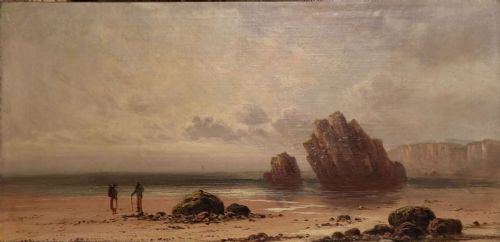
Original vintage figure artwork captures the human form through oil, pencil and watercolour from the nineteenth and twentieth centuries.
Original Vintage Figure Artwork
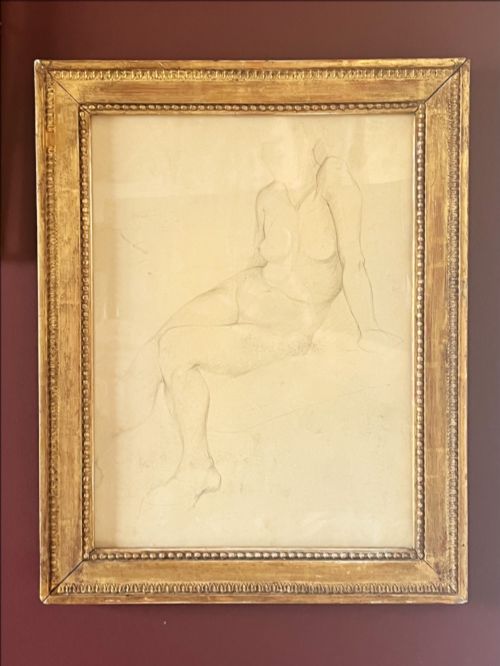
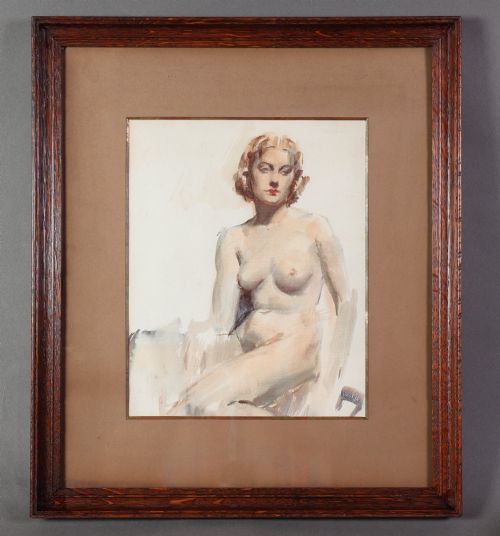
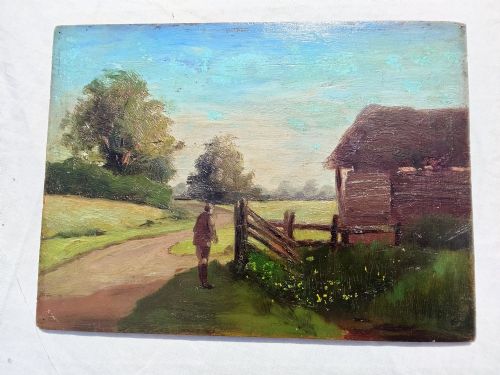
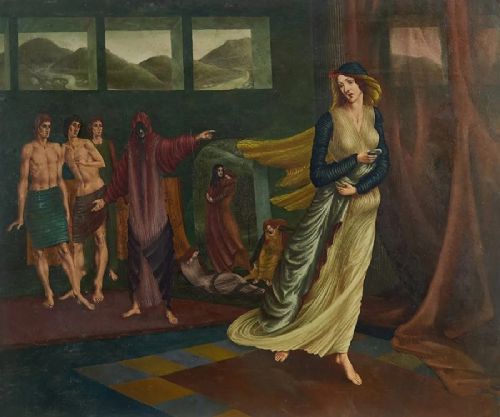
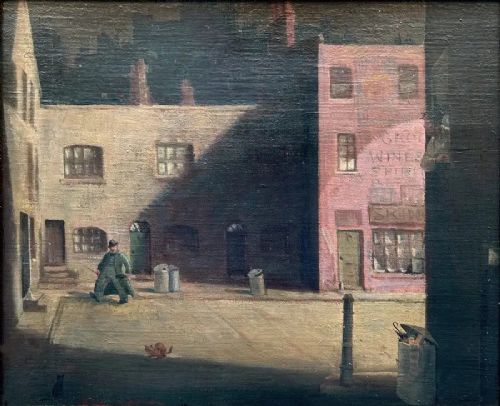
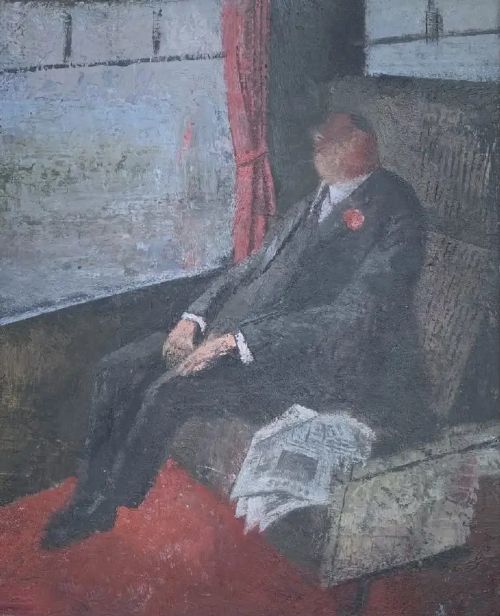
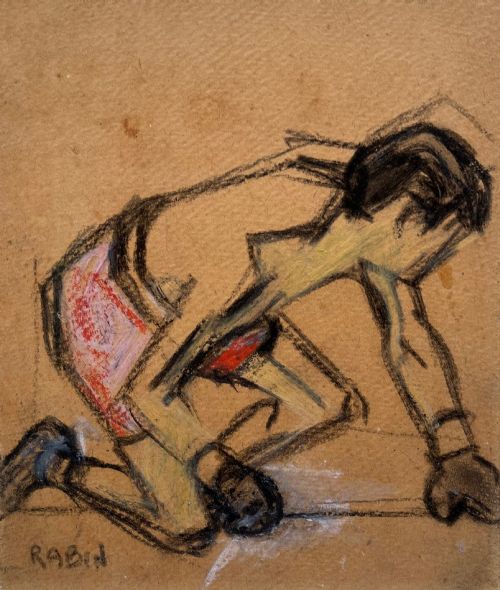
Original vintage figure artwork encompasses oil paintings, charcoal drawings, watercolours and etchings centred on human subjects. Collectors seeking original vintage figure artwork encounter academic life studies, Impressionist street scenes, nudes and coastal compositions spanning the nineteenth century through to the mid-twentieth century.
The selection ranges from detailed nineteenth-century pencil drawings to 1950s modernist canvases and mid-century portraits. Pieces frequently emerge from British, French and Italian schools, reflecting academic training, Impressionism and mid-century expressionism.
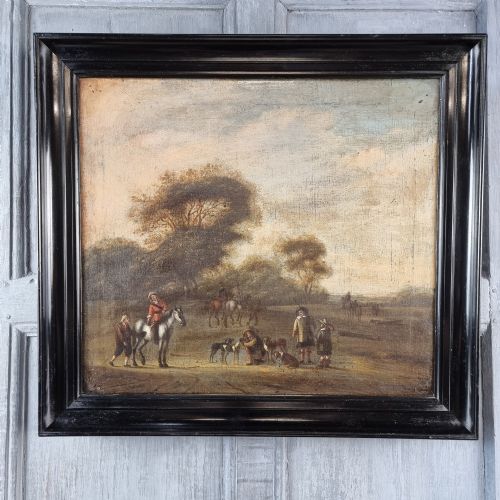
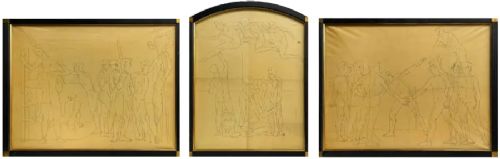
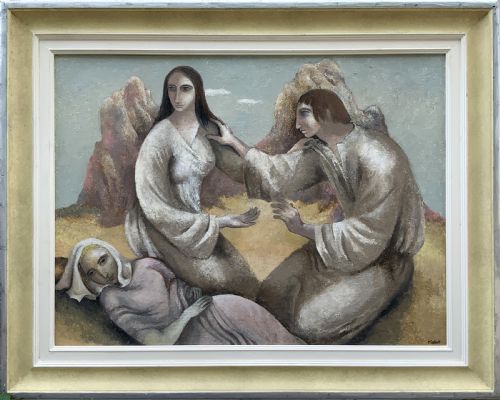
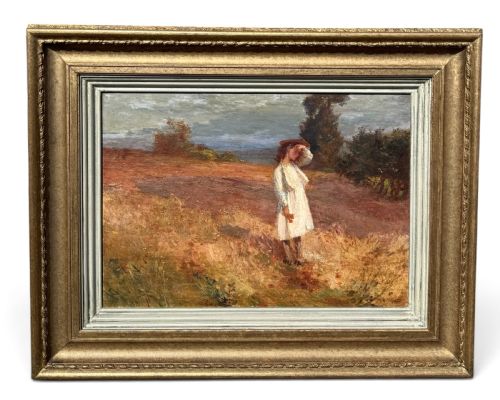
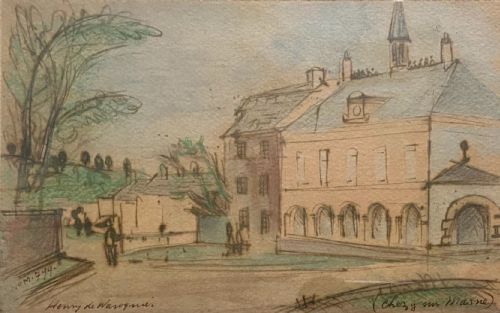
Works appear in various formats including framed oils on canvas, wooden panels, ink drawings on paper and triptychs. Each piece preserves the hand of the artist through distinct mark-making, whether through the bold impasto of a portrait or the delicate strokes of a watercolour sketch.
Materials and Technique
Artists executed original vintage figure artwork using oil paint on canvas or wooden panel, pencil, charcoal, ink and watercolour on paper. Oil pigments allowed for rich layering and impasto texture, while charcoal and graphite captured immediate gestures in life-drawing sessions.
Support materials varied from stretched canvas and heavy art paper to wooden boards and glass panels. Frames often accompanied these works, ranging from antique gilt mouldings to simpler wooden surrounds that protected the delicate mediums within.
Musicians, circus performers, bathers and petanque players share wall space with silent circuses and tamer of fish drawings.
Assessing Quality in Figure Art
Quality in original vintage figure artwork rests on the confidence of the draughtsmanship, the handling of anatomy and the expressive capture of the subject. Masterful proportion and deliberate brushwork distinguish accomplished academic and modernist pieces from standard decorative studies.
The integration of light, shadow and tone reveals the technical skill of the maker. Works exhibiting nuanced chiaroscuro, sophisticated colour palettes and deliberate composition demonstrate superior artistic execution.
Thomas W Lascelles·Francis Plummer·James Stroudley·Francisco Sancha·Samuel Rabin·Christine Nesbit·Umberto Volpato·Henry de Waroquier·Louis Icart·Florence Adelina Hess·Ronald Ossory Dunlop·Augustus John·Thomas Hicks·Henry Arthur Roberts·Gaetan Dumas·Allan Douglas Davidson·John Merrifield·Demetrios Galanis·E A Minardo
The Original Vintage Figure Artwork Glossary
- Impasto
- Paint applied thickly to a canvas or panel, standing out in relief from the surface. This technique adds tactile dimension and visible brush texture to portraits and landscapes.
- Chiaroscuro
- The strong contrast between light and dark tones within a composition. Artists utilised this method to create dramatic depth and focus upon the human figure.
- Triptych
- A work of art divided into three sections or three carved panels hinged together. These pieces often presented narrative sequences or thematic groupings.
- Etching
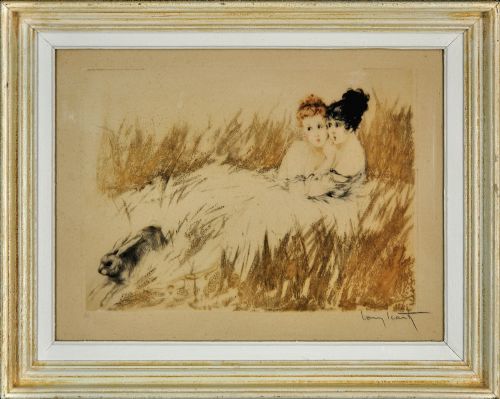
- A printmaking process where lines are incised into a metal plate with acid before ink is applied. Hand-coloured examples include delicate watercolour washes added after printing.
Original Vintage Figure Artwork: Frequently Asked Questions
What periods do these artworks span?
The pieces span from the seventeenth century through the Victorian era, the 1920s, 1930s, 1940s and 1950s.
Most examples concentrate in the nineteenth and mid-twentieth centuries, showcasing academic and modernist movements.
How were these figure artworks displayed?
Many pieces are housed in antique gilt frames or wooden surrounds chosen to complement the medium.
Drawings on paper and delicate watercolours typically require framing under glass for preservation.
What mediums were used by the artists?
Artists utilised oil paint, charcoal, pencil, ink, watercolour and chalk on supports such as canvas, paper and wooden board.
Mixed media approaches also appear, combining ink and watercolour on paper.
How do I identify academic life studies?
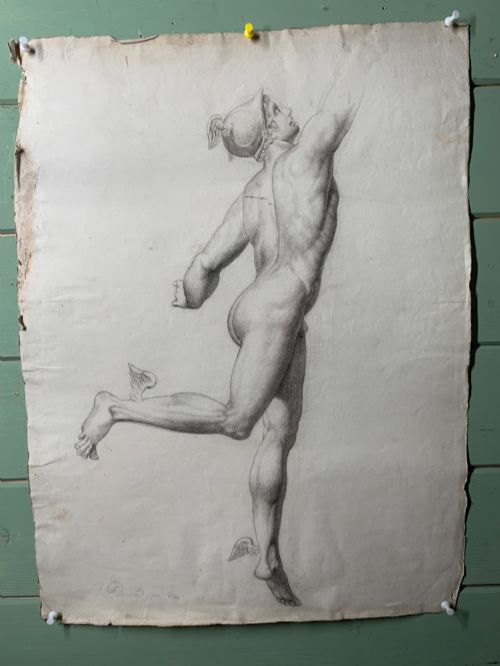
Academic studies often focus on the detailed anatomical rendering of male or female nudes posed with props like staves.
These pieces reflect formal training methods utilised in nineteenth-century European art schools.