

British Hallmarked Silver
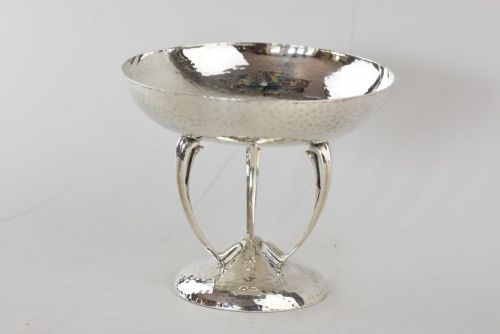
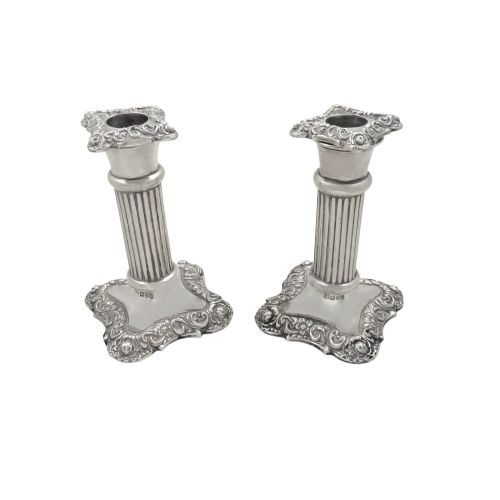
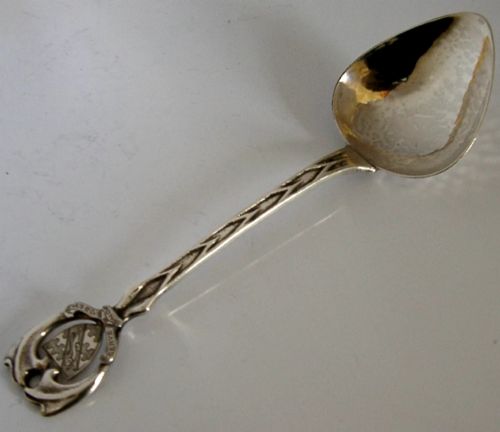
British hallmarked silver brings solid sterling craftsmanship and official assay office marks directly to your table.
British Hallmarked Silver Forms
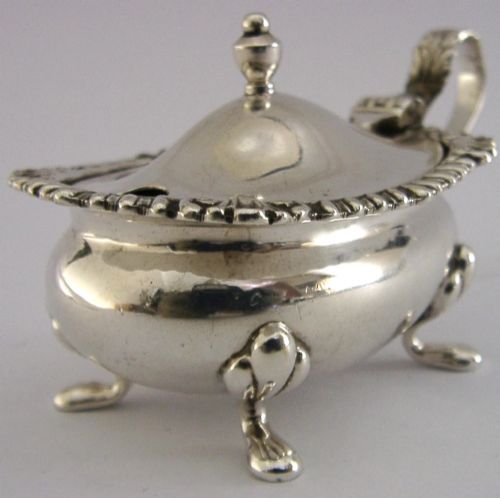
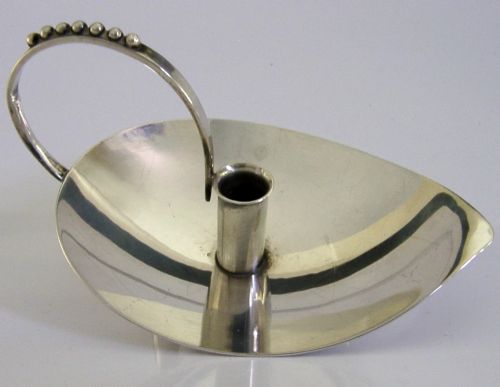
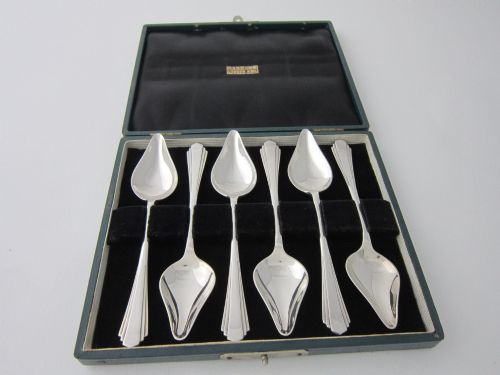
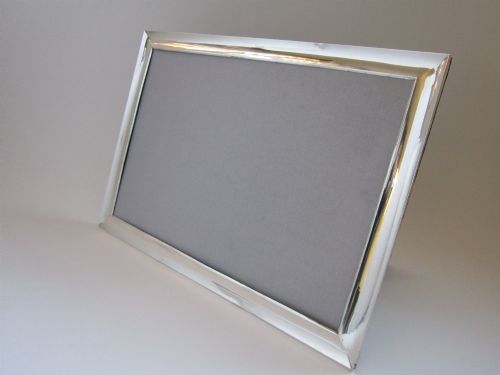
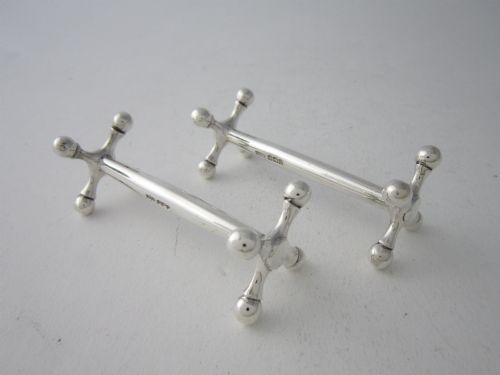
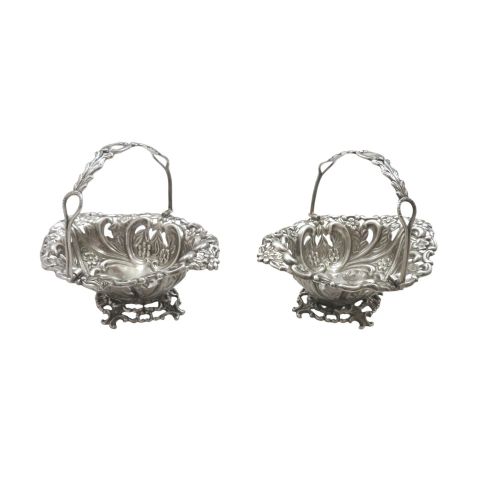
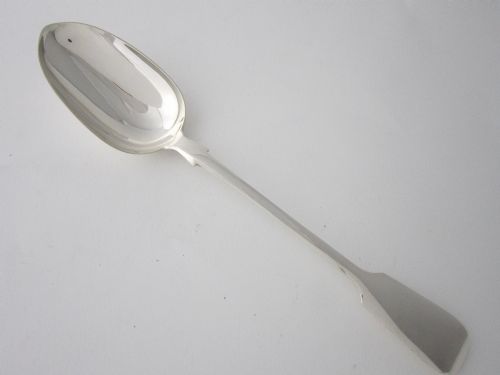
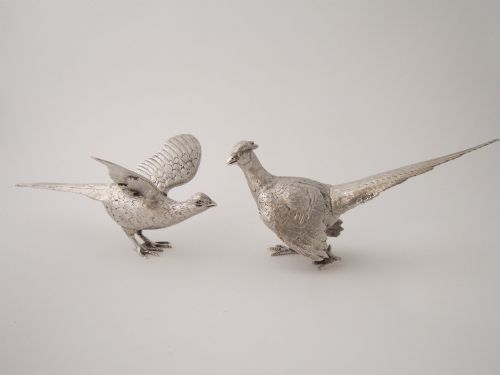
Most examples date from the opening decades of the twentieth century, particularly the 1900s, 1910s, and 1920s. These domestic and table objects showcase traditional British forms that were produced for everyday utility and formal display alike.
Materials and Construction
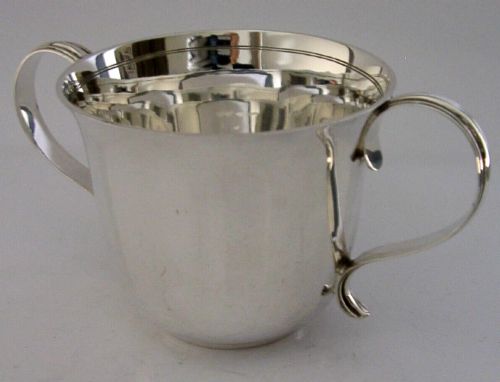
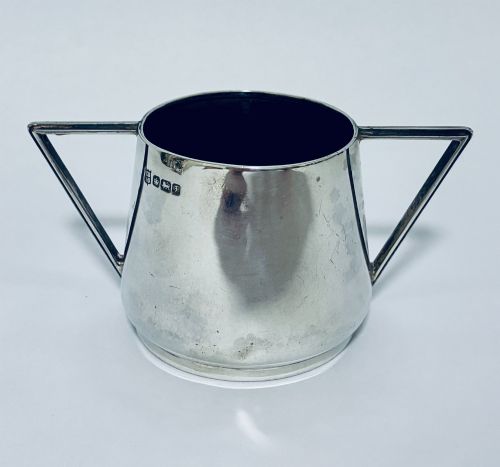
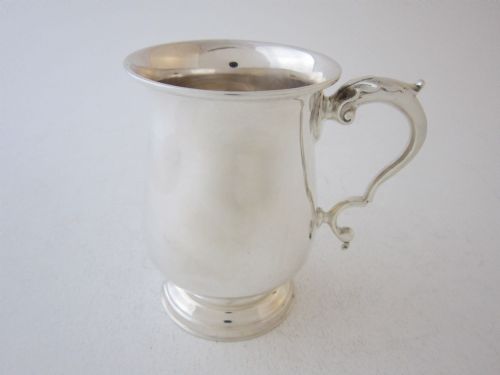
Every piece recorded in these listings is fashioned from solid sterling silver, ensuring a substantial weight and bright metallic lustre. Items like the heavy George V christening mug and the Edwardian sugar caster demonstrate the thick gauge of metal typical of the period.
The manufacturing process combined traditional silversmithing techniques with mandatory assay office testing. Stamping the official hallmarks onto the sterling body guaranteed the purity of the metal before the finished article reached the market.
Retail Price Guide 2026
Typical UK retail prices for british hallmarked silver, calculated from the Sellingantiques database of over a million retail prices indexed since 2003. This retail price guide relies exclusively on Sellingantiques data; no external sources or auction records are used, so the figures do not describe the wider market.
Silver sugar casters were once indispensable for dusting sweet treats before tea time became a formal British ritual.
Judging Quality
Quality in british hallmarked silver depends largely on the thickness of the sterling metal and the crispness of the chased or cast details. Heavier items maintain their structural integrity and decorative relief far better through decades of use.
The legibility of the official hallmarks also dictates desirability. Clear, well-struck assay marks allow collectors to trace the exact year of production and the origins of the piece with absolute certainty.
The British Hallmarked Silver Glossary
- Sterling silver
- A standard alloy consisting of ninety-two point five percent silver and seven point five percent other metals, usually copper, chosen to increase durability. This is the primary material found across the entire selection.
- Hallmark
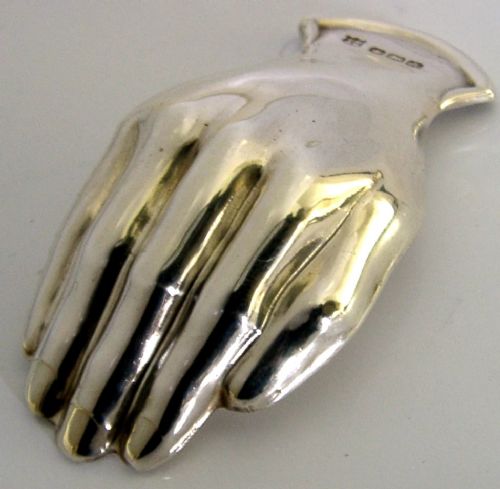
- An official stamp applied by an assay office to certify the purity of precious metal items. These marks typically include symbols for the maker, the standard, the assay office, and the date letter.
- Edwardian
- A stylistic and historical period spanning the reign of King Edward the Seventh from 1901 to 1910. Pieces from this era often lighter designs compared to heavy Victorian predecessors.
- George V
- The historical period covering the reign of King George the Fifth from 1910 to 1936. Items from this era reflect steady traditional craftsmanship through the turbulent years of the First World War and beyond.
Frequently Asked Questions
What is british hallmarked silver?
British hallmarked silver refers to articles made of sterling silver that bear official government assay office stamps.
These marks guarantee the purity of the metal and often indicate the year and place of manufacture.
How do I date these silver pieces?
Dating relies on the distinct date letters and town marks stamped into the sterling metal during the assay process.
Reference tables match these small stamped letters to specific years within the Edwardian and George V periods.
How should I clean silver?
Gentle washing with warm soapy water and a soft cloth removes everyday dust without harming the metal.
Abrading the surface with harsh commercial dips should be avoided to preserve the original finish and clear hallmarks.
Were these items used daily?
Many objects like christening mugs and sugar casters were intended for active domestic use rather than passive display.
Their solid sterling construction allowed them to withstand handling while retaining their decorative appeal over generations.