

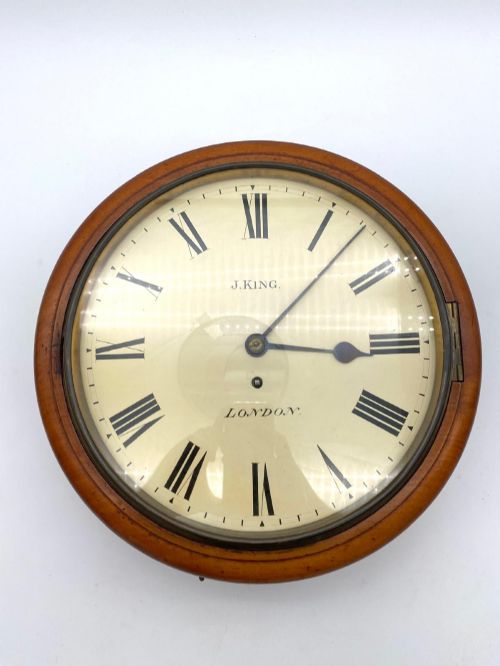
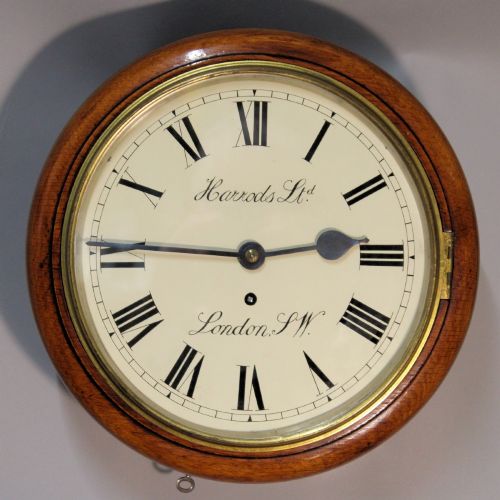
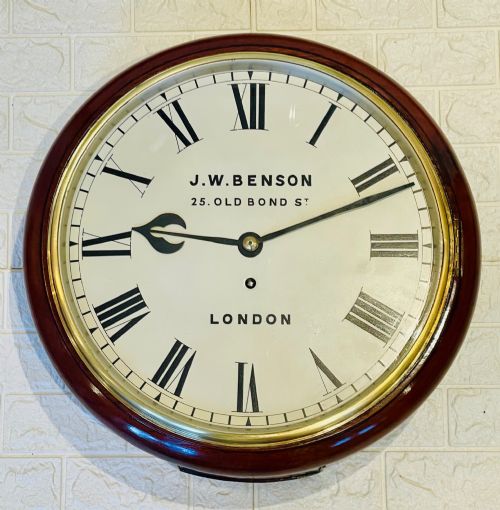
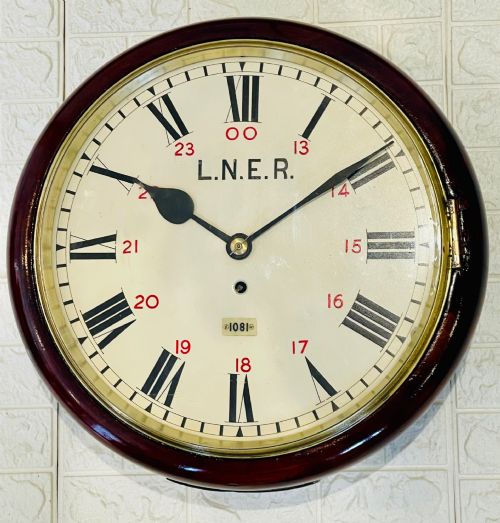
Brass Numeral Wall Clock
A brass numeral wall clock brings dependable timekeeping and robust character into a room, spanning railway offices, stations, and domestic parlours across the nineteenth and twentieth centuries.
Brass Numeral Wall Clock
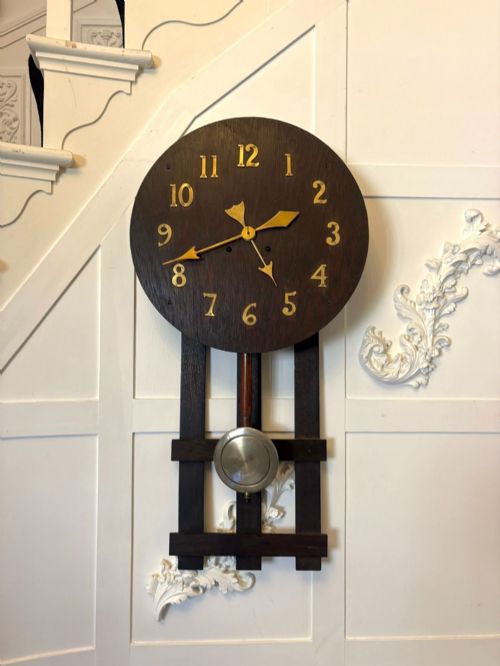
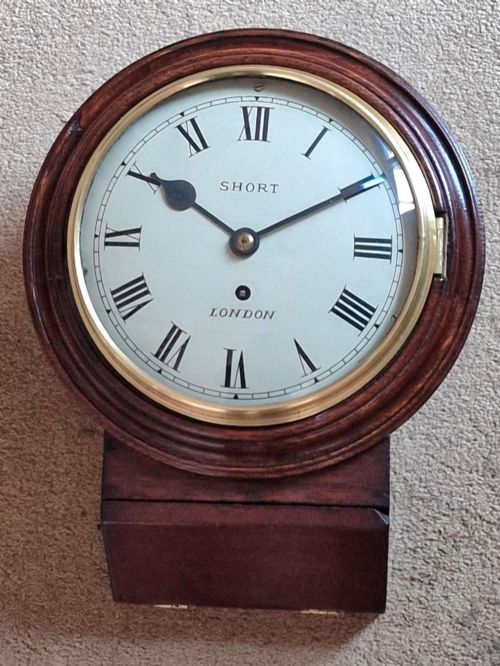
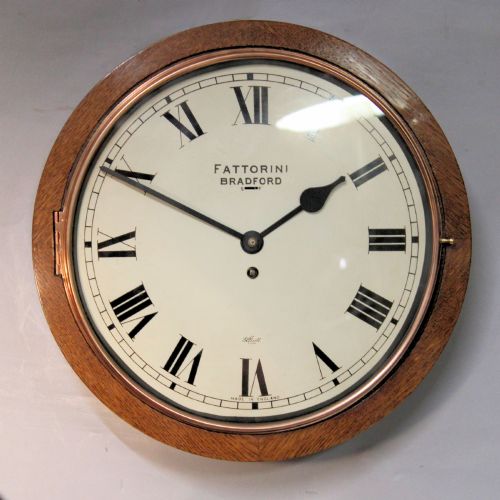
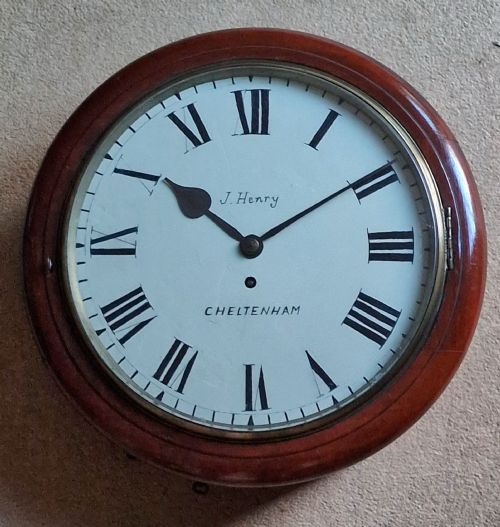
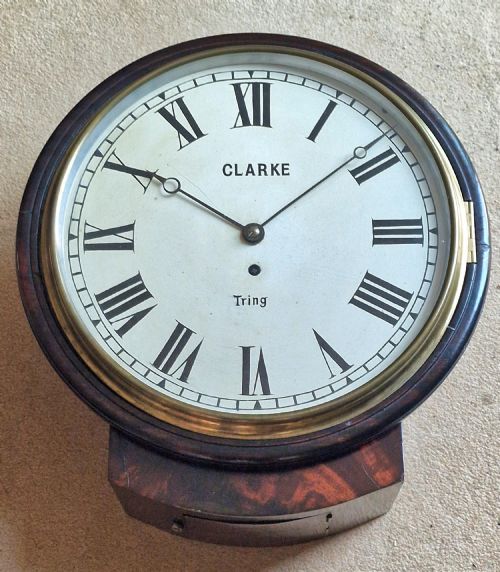
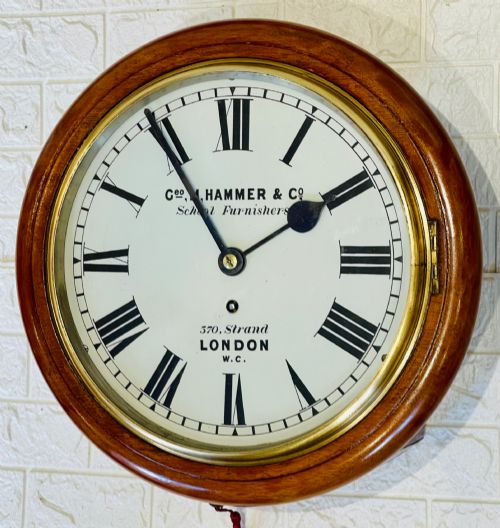
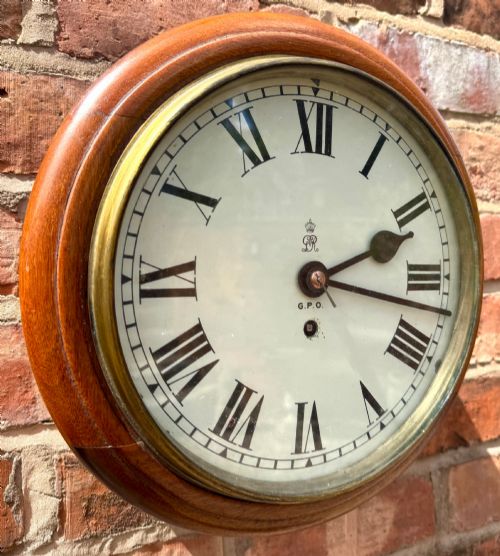
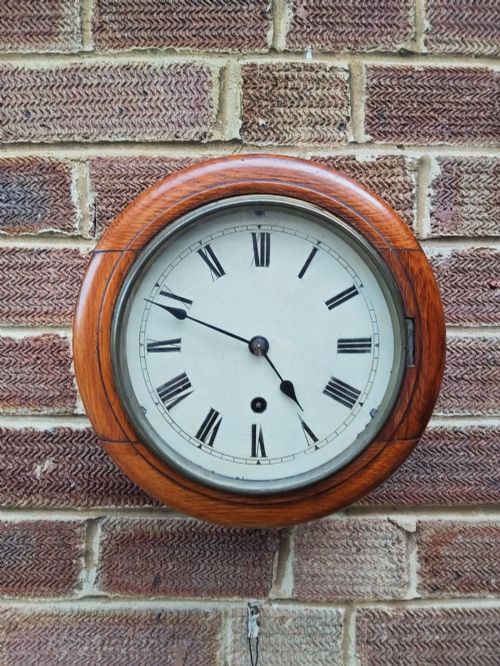
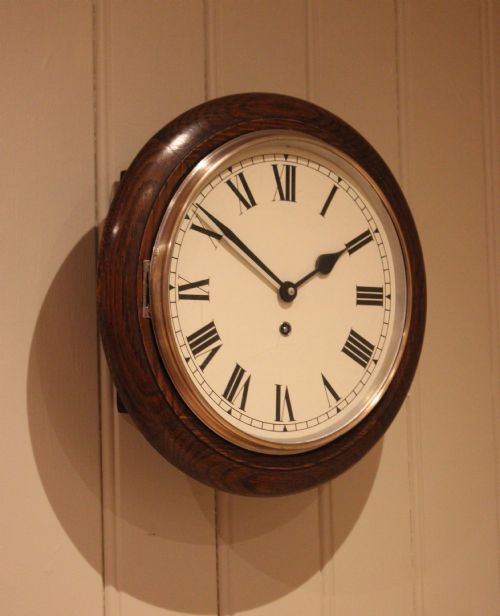
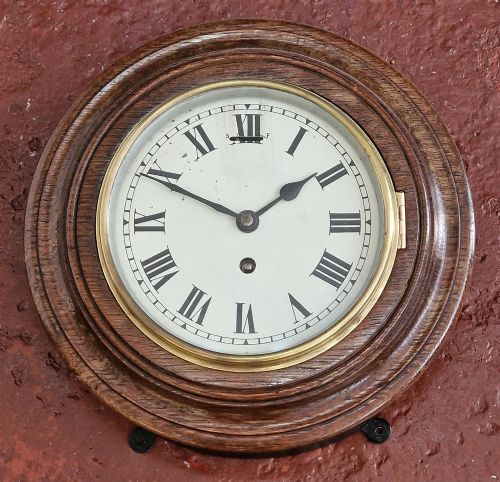
A brass numeral wall clock is primarily found in sturdy timber cases such as oak, mahogany, and walnut, often taking the form of a dial clock or drop dial design. These pieces originate from periods ranging through the Victorian era, the Edwardian years, and into the early twentieth century.
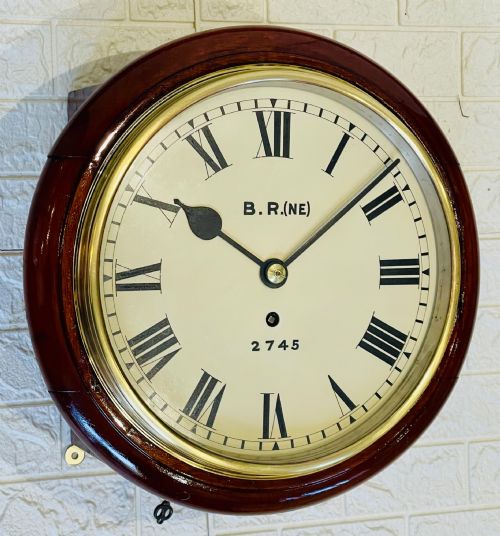
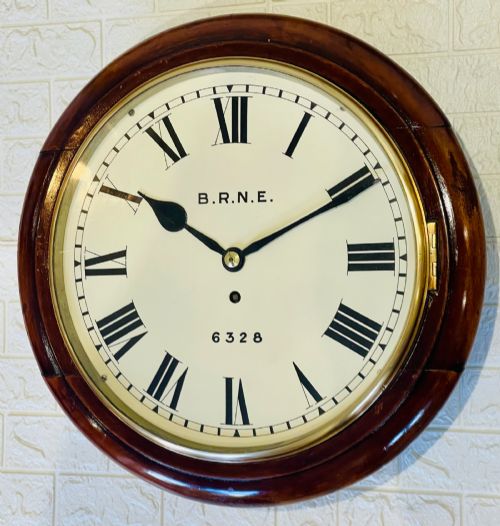
Many examples trace their heritage to specific networks like the North Eastern Railway, London and North Eastern Railway, British Railways, and the General Post Office, reflecting utilitarian deployment in public service. Alongside these railway and office clocks, domestic variants appear with Arts and Crafts influences or simple eight-day striking movements.
The layout typically centres on a clear dial protected by glass, with individual brass numerals applied or painted to ensure legibility from a distance. Dial sizes vary from small domestic versions measuring six inches across to larger station diameters.
Materials and construction
Cases are constructed from solid native timbers including oak, mahogany, and walnut, frequently steam-bent or joined to form circular or drop-case housings with hinged bottom access doors. The timber surfaces are finished to highlight the natural grain, complemented by brass bezels that hold the protective glass front.
Movements rely on mechanical fusee or striking mechanisms driven by chains or cords, paired with enamel or metal dials bearing the brass numerals. Iron and steel components form the internal gears and escapements, while painted or enamelled dial faces provide contrast for the numerals.
Brass Numeral Wall Clock Retail Price Guide 2026
Typical asking prices for brass numeral wall clock among the pieces listed under this phrase on Sellingantiques today, from the lower quarter to the upper quarter. They describe what is for sale here now, not the wider market.
Railway clerks relied on these brass numerals to keep trains punctual while dodging coal smoke and office tea.
Judging quality and character
Quality rests upon the precision of the fusee movement and the crispness of the dial and brass numerals, where maker signatures and clean engraving elevate an ordinary timepiece. Cases fashioned from dense, well-figured oak or mahogany with intact locking side doors and original bezels demonstrate superior workshop standards.
The integration of provincial or London maker signatures, alongside verified railway or postal service provenance stamped onto the timber case or painted on the dial, distinguishes standard utility pieces from historically significant examples.
Harrods·W&H Sch·J Henry Cheltenham·George Clarke Tring·John Wilson London·Francis Perigal London·Sly Weymouth·Camerer Cuss and Co·Atkins of Warwick·F W Elliott
The Brass Numeral Wall Clock Glossary
- Fusee
- A conical pulley used in mechanical clocks to maintain an even pull on the movement as the mainspring unwinds. This device ensures consistent timekeeping throughout the duration of the wind.
- Drop Dial
- A clock case featuring a circular dial at the top and an extended wooden trunk below, which houses the pendulum swing. This style was widely adopted for offices and stations.
- Dial Clock
- A wall-mounted timepiece designed with a prominent face and a compact rear box containing the movement. They are often associated with public and institutional buildings.
- Lever Escapement
- A mechanism that controls the release of power from the gear train to the pendulum or balance wheel. It allows clocks to operate reliably even when subjected to minor vibrations on a wall.
- Convex Dial
- A clock face that curves outward toward the viewer to minimise glare from windows and gas lighting. This shape improves legibility from oblique angles in busy rooms.
Brass Numeral Wall Clock: Frequently Asked Questions
How do I wind a fusee wall clock?
You insert the winding key into the aperture on the dial face and turn it gently clockwise until you feel resistance from the mainspring.
Care should be taken not to overwind the movement, stopping as soon as the spring is fully tensioned to protect the chain and fusee cone.
Why do some clocks have railway company letters?
Many railway companies marked their station and office clocks with initials such as N.E.R or G.P.O to maintain internal inventory and ensure accountability across the network.
These stamps on the dial or timber case provide a documented history of operational use before the clocks entered private collections.
Where should I hang a heavy oak wall clock?
A sturdy wall clock requires direct mounting into a brick wall or a solid wooden stud using a heavy-duty screw or anchor supporting the bracket.
Hanging it on hollow plasterboard without proper support risks damaging both the timber case and the delicate mechanical movement inside.
How do I tell a Victorian dial clock from a later one?
Victorian models frequently feature single chain fusee movements housed in mahogany or oak cases with hinged side inspection doors and cast brass bezels.
Later twentieth-century versions often adopt lever escapements or simpler time-only mechanisms housed in lighter oak veneers without the traditional side access doors.