


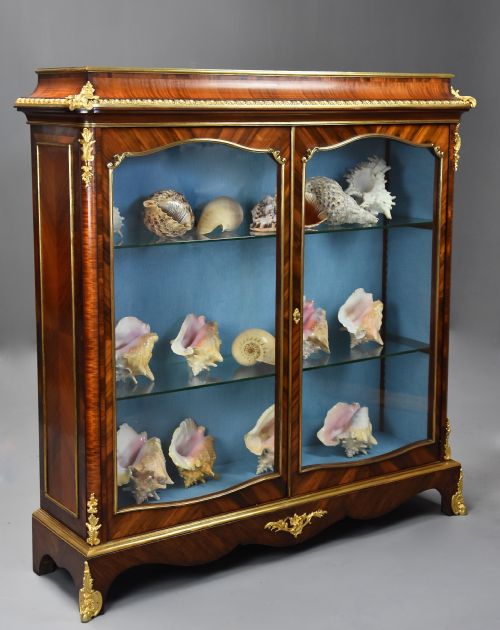

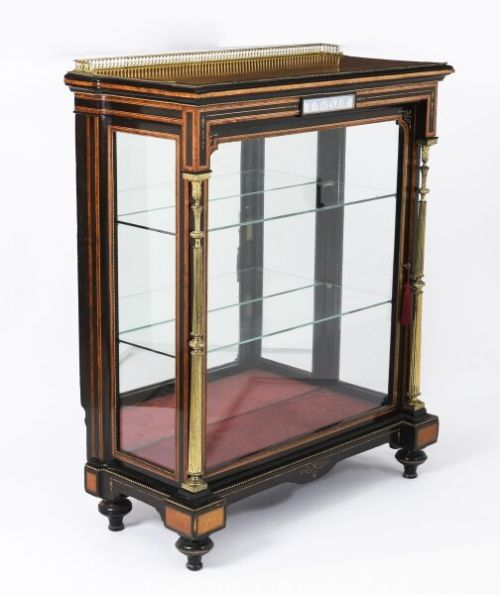
Brass Mounted Vitrine
A brass mounted vitrine is a glazed display cabinet designed to showcase fine objects, combining glass panels with metal mounts.
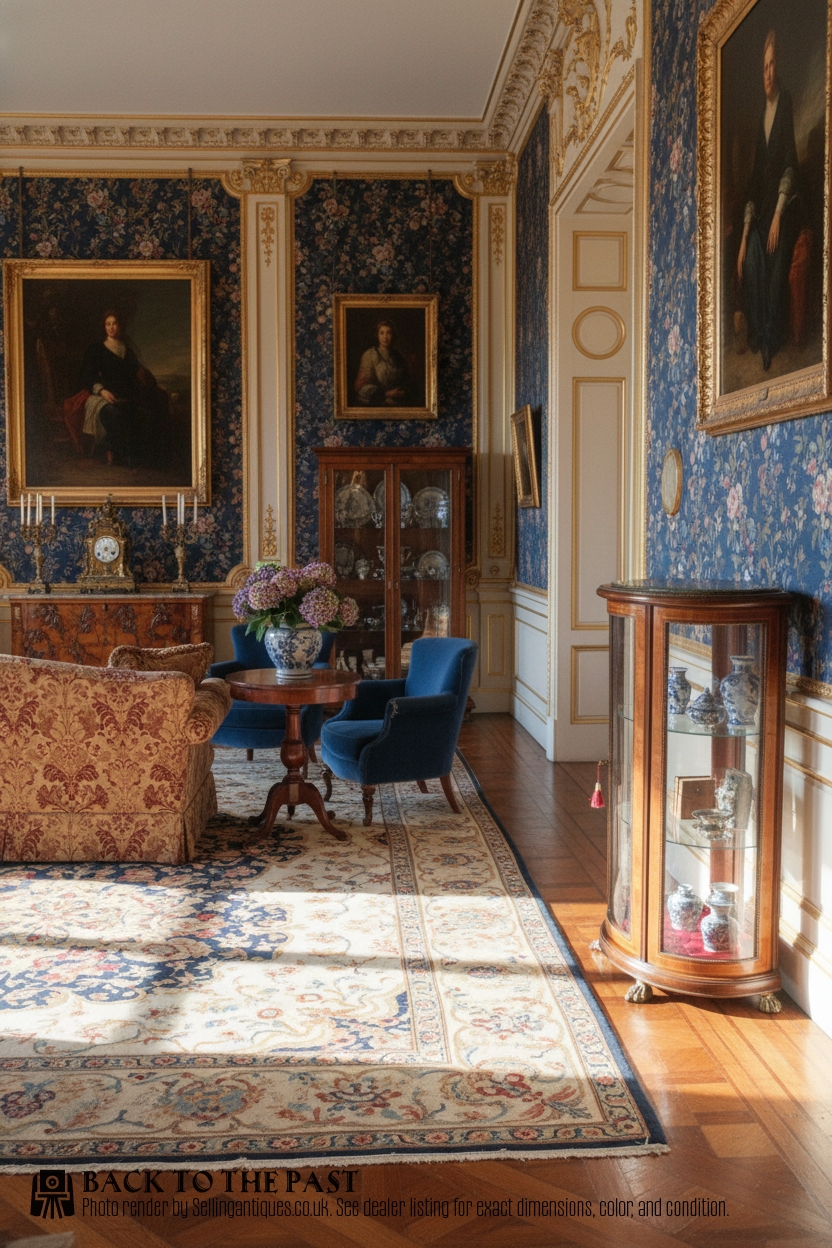
Brass Mounted Vitrine
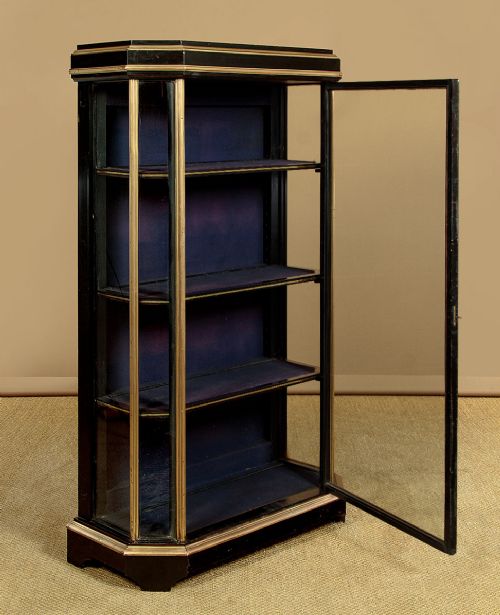
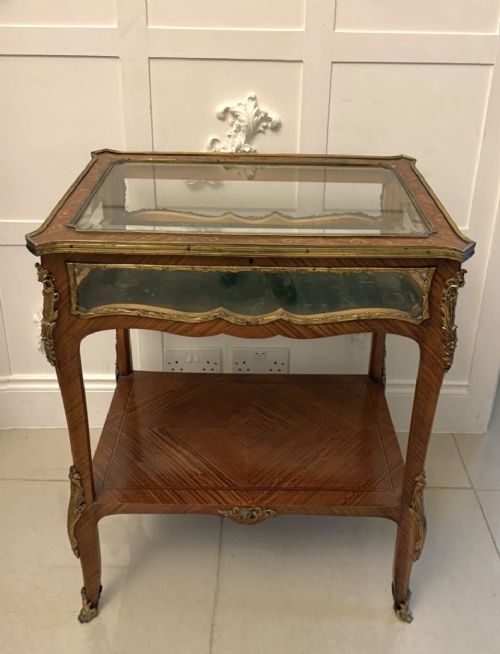
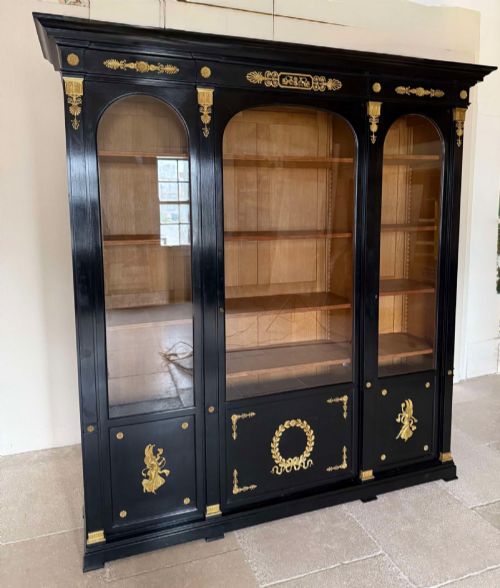
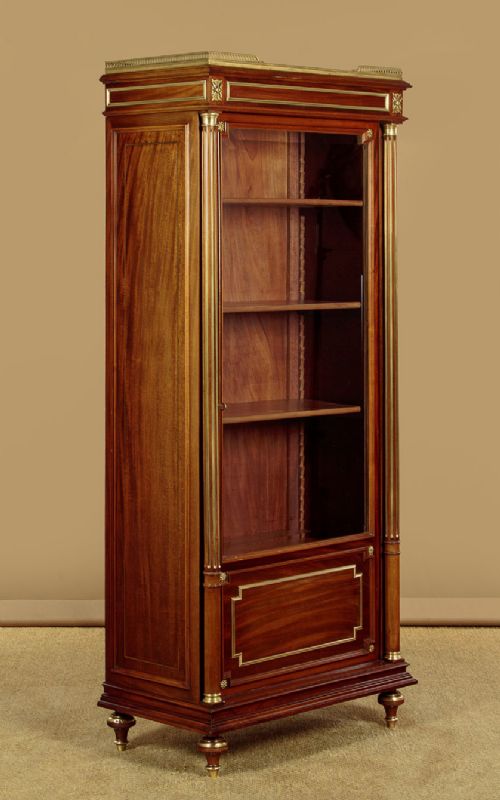
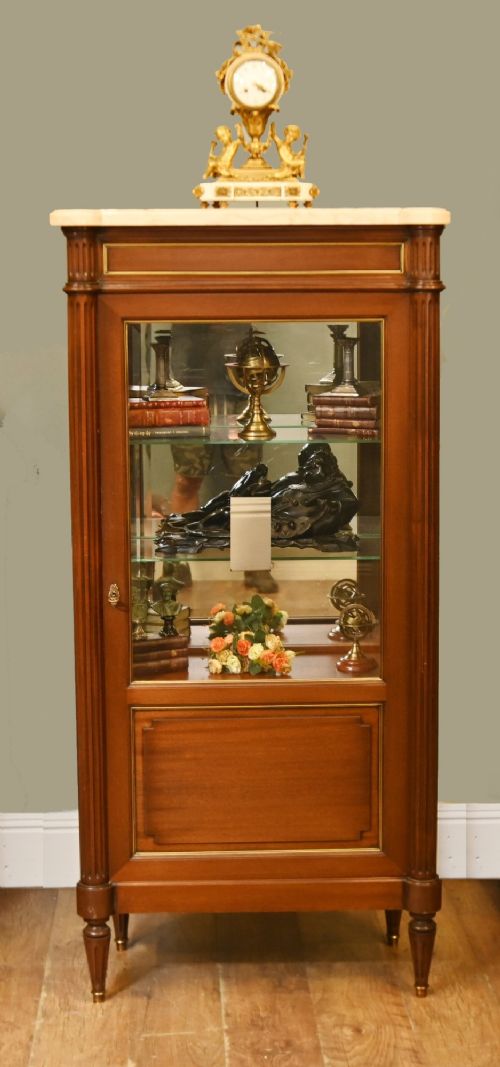
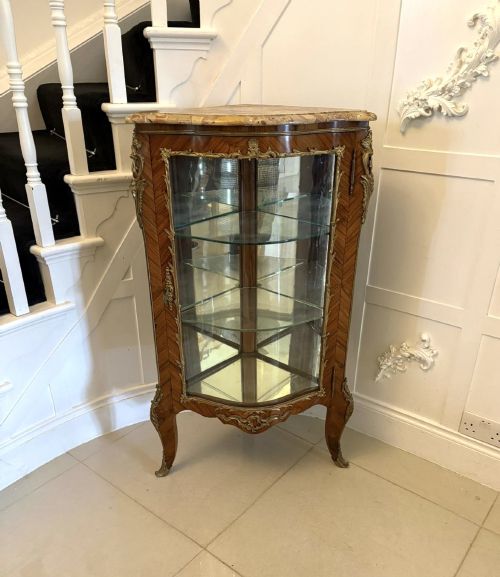
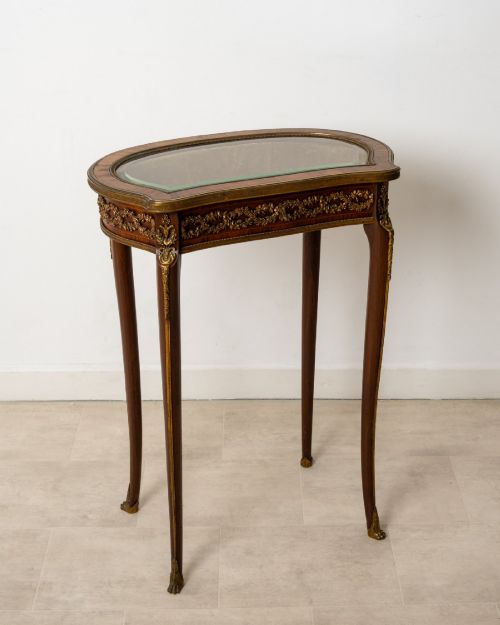
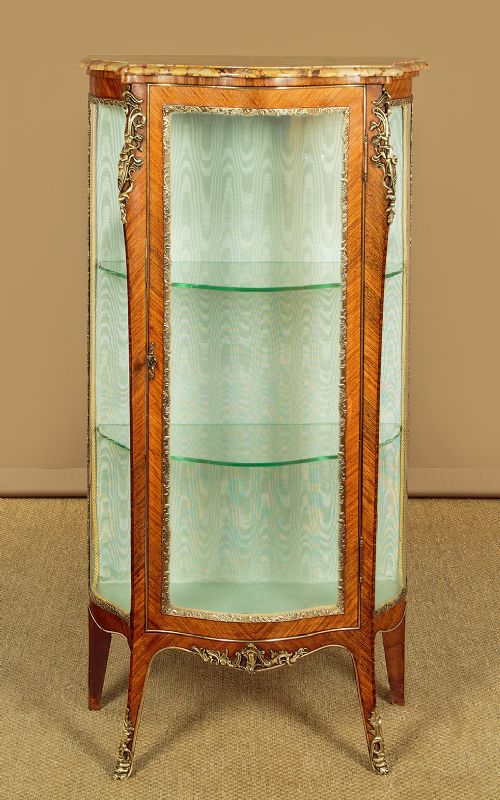
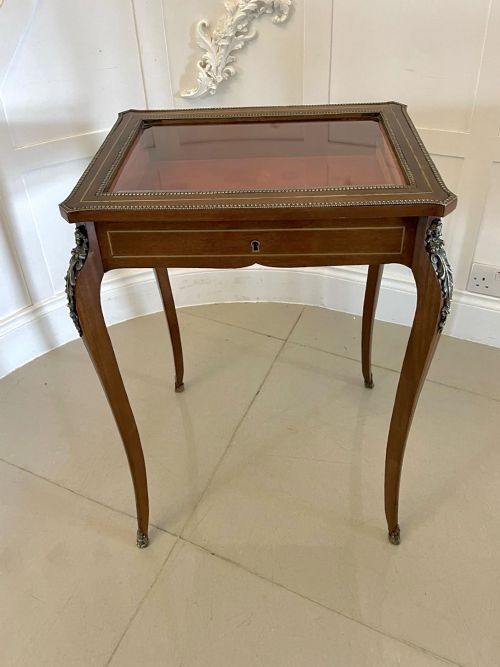
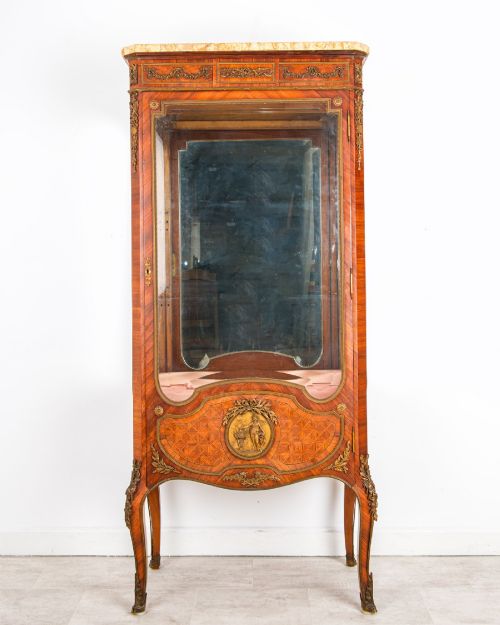
When you examine a brass mounted vitrine, you encounter nineteenth-century and early twentieth-century display furniture primarily rooted in French design traditions. These pieces appear as freestanding cabinets, pier cabinets, and low display tables designed to hold precious objects and porcelain.
The selections span revival movements including Louis XV, Louis XVI, and Napoleon III styles, alongside French Chateau and Directoire aesthetics. Forms range from narrow standing cabinets to large credenzas and serpentine corner units.
Makers utilised rich timbers such as mahogany, kingwood, rosewood, and walnut, often finished with marquetry, parquetry, or Boulle inlay. Glass panels dominate the upper sections to permit all-around viewing of the contents within.
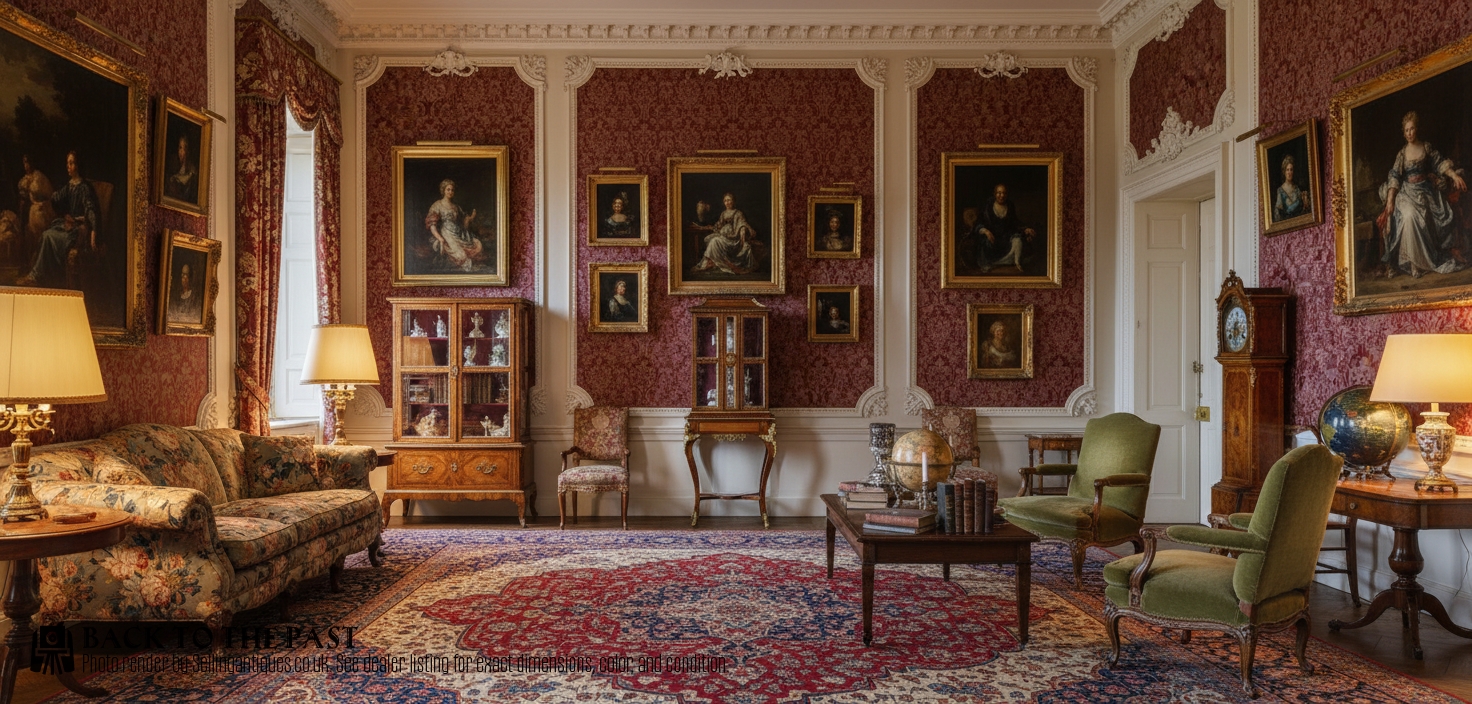
Materials and construction
Cabinet makers built these pieces using solid and veneered hardwoods like mahogany, kingwood, and rosewood over robust structural carcasses. Selected panels frequently feature intricate marquetry, parquetry, or tortoiseshell and brass Boulle inlay.
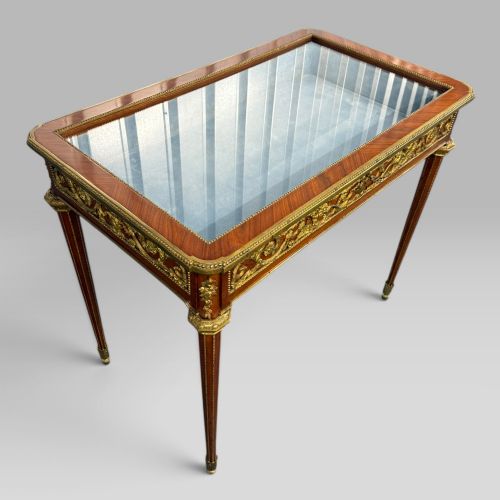
Cast metal mounts in brass, gilt brass, and ormolu edge the glass panes, frame the doors, and accentuate the structural corners. Marble tops frequently cap the upper surfaces of nineteenth-century examples to provide a durable and weighty finish.
Brass Mounted Vitrine Retail Price Guide 2026
Typical asking prices for brass mounted vitrine among the pieces listed under this phrase on Sellingantiques today, from the lower quarter to the upper quarter. They describe what is for sale here now, not the wider market.
Listings feature periods spanning from the mid-nineteenth century through the Edwardian era and into the 1930s.
Variations in quality
Superior examples distinguish themselves through the crispness of their ormolu or brass mountings and the complexity of their cabinetwork. Finely cast mounts show sharp detail and secure seating against the timber or marble.
The choice of underlying veneers and the precision of the marquetry or Boulle work indicate the workshop standard. Well-balanced proportions and refined glazing bars separate standard production cabinets from master-attributed pieces.
François Linke·Paul Sormani
The Brass Mounted Vitrine Glossary
- Vitrine
- A glass-fronted display cabinet designed for exhibiting ceramics, glass, and small decorative objects. These pieces rely on extensive glazing to maximise interior visibility.
- Ormolu
- Gilded bronze used for decorative mounts and edgings on fine furniture. This technique provides a bright metallic contrast to dark woods.
- Boulle
- A form of marquetry employing brass and tortoiseshell inlaid in ornate scroll patterns. It is named after the French cabinet maker André-Charles Boulle.
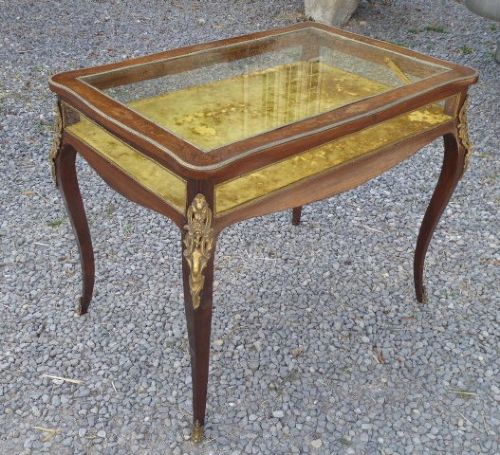
- Bijouterie table
- A glass-topped display table designed specifically for jewellery and small curiosities. They often feature velvet or fabric-lined interiors.
- Pier cabinet
- A tall, narrow cabinet designed to fit against the wall space between windows. These units maximise vertical display potential in compact rooms.
- Marquetry
- Decorative patterns formed by fitting together thin slices of various coloured woods and other materials. It creates pictorial or geometric surface designs.
Brass Mounted Vitrine: Frequently Asked Questions
What is a brass mounted vitrine used for?
These cabinets were originally created to display porcelain, miniatures, and precious curiosities safely behind glass.
Today, they serve the same function in domestic interiors, protecting collections while keeping them fully visible.
How do I date a vitrine cabinet?
Dating relies on identifying the prevailing revival style, the timber veneers, and the construction methods used in the carcass.
Nineteenth-century examples frequently feature heavy ormolu mounts and marble tops, whereas twentieth-century pieces often adopt simpler mahogany frames.
Where should I place a vitrine?
Vitrines suit drawing rooms, studies, and hallways where natural light can illuminate the glass panels and interior contents.
Avoid positioning them in direct sunlight to protect internal fabric linings and sensitive wooden veneers from fading.
What is the difference between a vitrine and a bijouterie table?
A vitrine is a vertical cabinet with upright glass doors and shelves intended for standing objects and porcelain.
A bijouterie table is a low, flat-topped display table with a glazed surface designed for viewing small items from above.