


Brass Mounted Urns
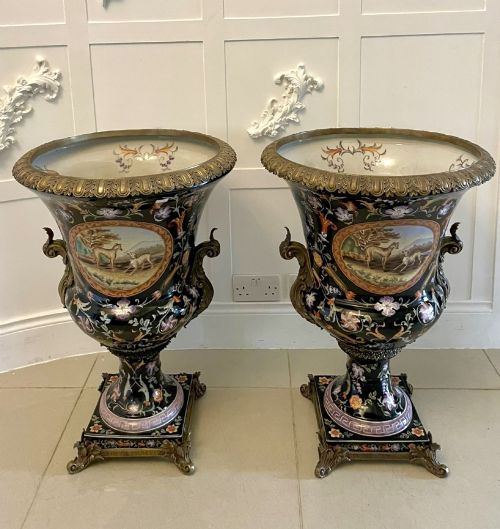
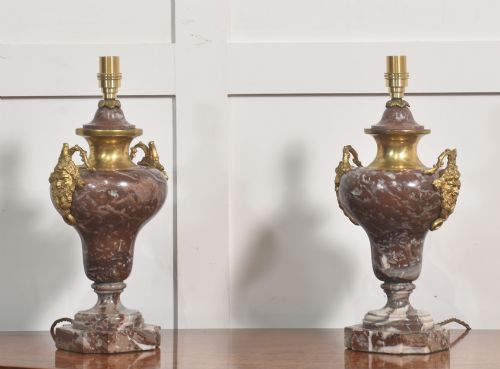
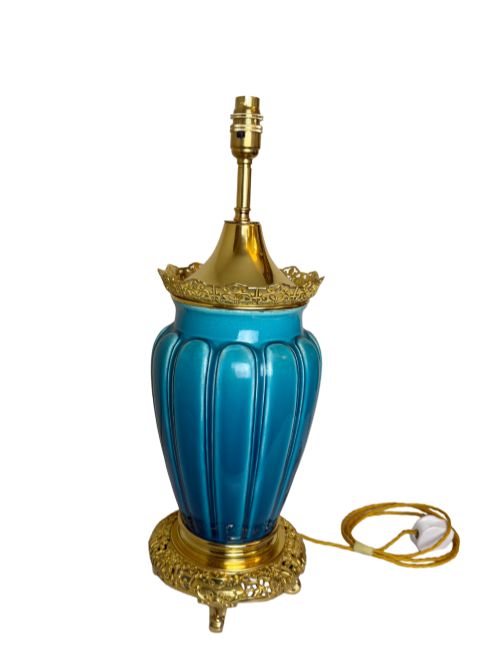
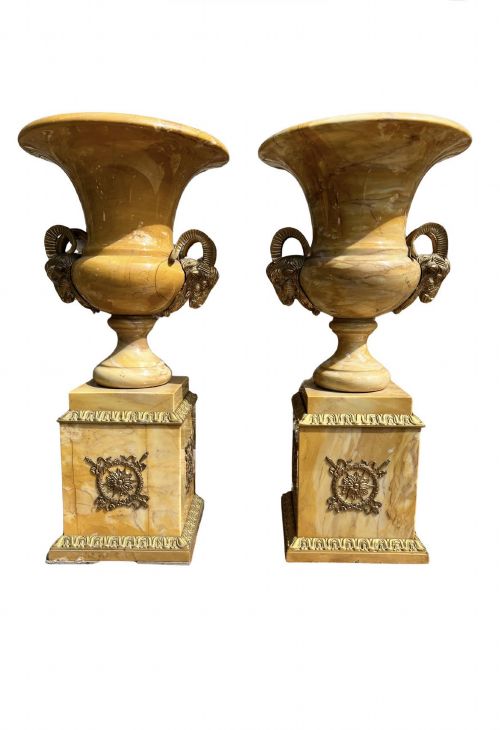
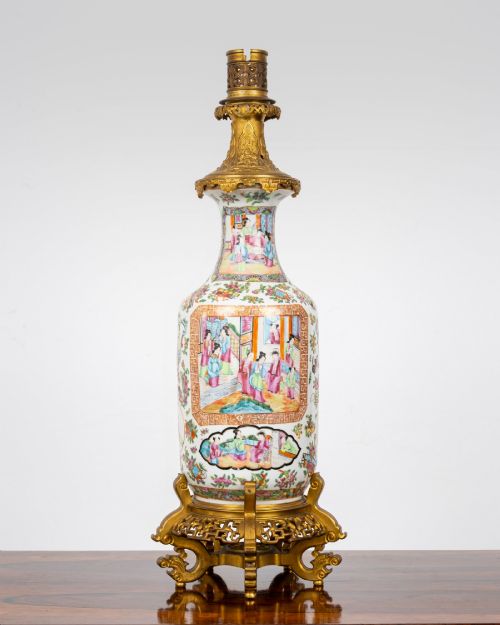
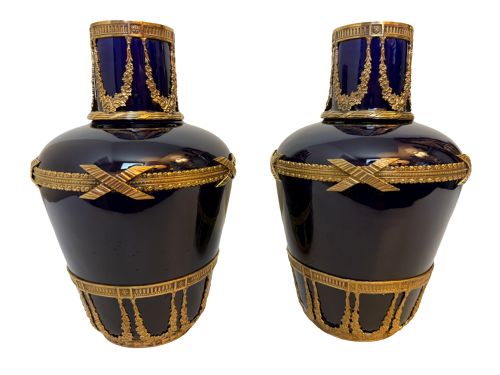
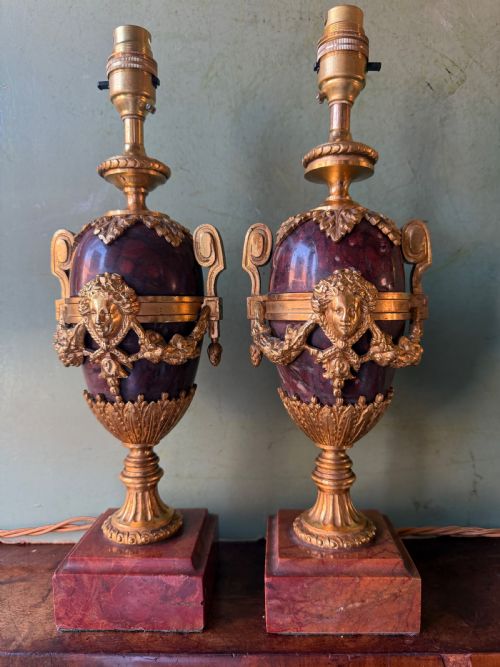
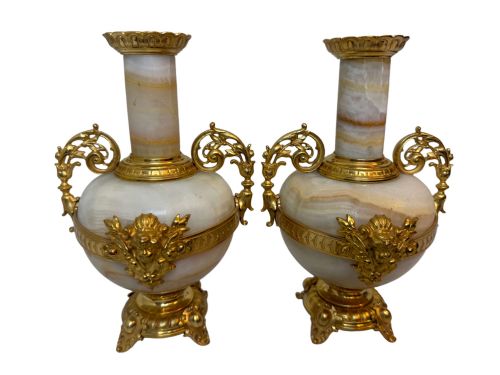
Brass mounted urns bring classical formality and mixed media texture to a room, combining stone or ceramic bodies with cast metal trims.
Brass Mounted Urns
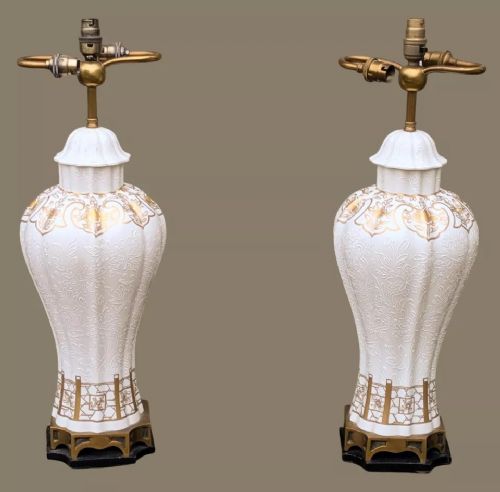
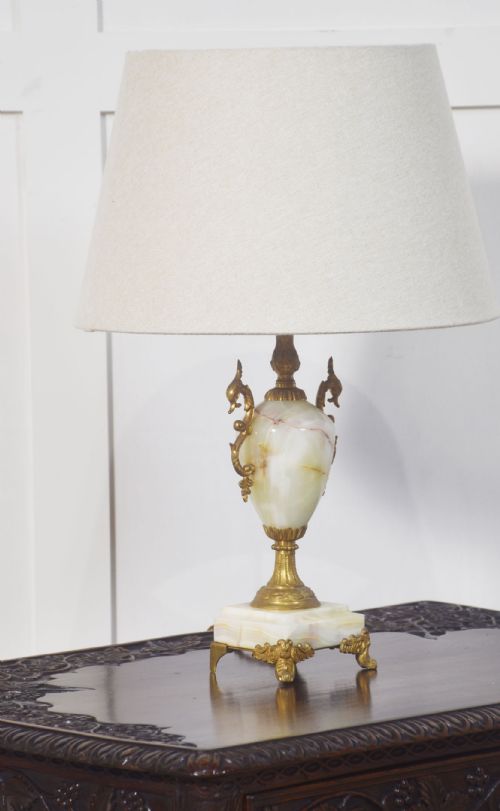
Brass mounted urns are decorative vessels and functional objects enhanced with metal collars, handles, bases, or feet. When you search for brass mounted urns on this page, you encounter pieces that function as table lamps, mantel clocks, jardinières, and decorative vases.
The selections span the nineteenth century into the early twentieth century, with French styles predominating alongside Italian, English, and Asian influences. Objects range from decorative porcelain and glass vessels to practical copper samovars and tea urns fitted with brass handles and taps.
How they were made
Makers combined natural stone, porcelain, or glass with cast brass, ormolu, and gilt bronze. Metal mounts were cast, chased, and gilded before being secured to turned marble bodies or ceramic vessels using pins, screws, or adhesives.
Ceramic components involved hand-painted glazes, transfer printing, or porcelain bodies from factories such as Sèvres or Paris. Stonework required skilled cutting and polishing of marble, onyx, or granite to achieve smooth column, baluster, or vase forms.
What varies in quality
The choice of stone and ceramic body dictates the overall standard. Dense, richly figured marble and hand-painted porcelain with detailed gilding elevate a piece above standard moulded glass or plain ceramic bodies.
James Ritchie And Son·JP Delettrez·Samson
The Brass Mounted Urns Glossary
- Ormolu
- Gilded bronze or brass applied to furniture, clocks, and decorative vessels. This technique was widely utilised in French workshop production during the eighteenth and nineteenth centuries.
- Samovar
- A heated metal urn traditionally used to boil water for tea. These pieces frequently combine heavy copper bodies with cast brass spigots, handles, and feet.
- Jardinière
- An ornamental pot or receptacle designed to hold plants or flowers. They often take urn forms and feature metal mounts around the rim and base.
- Baluster
- An architectural shape resembling a moulded pillar or vase with a swelling lower portion. Many ceramic and stone lamp bases adopt this silhouette.
- Jasper ware
- A type of fine stoneware developed by Josiah Wedgwood. It is characterised by a matte coloured body with applied white neoclassical reliefs.
Brass Mounted Urns: Frequently Asked Questions
What is a brass mounted urn?
A brass mounted urn is a decorative vessel or utilitarian container, such as a tea urn or jardinière, fitted with cast brass handles, rims, or feet.
These pieces combine materials like marble, porcelain, glass, or copper with decorative metalwork to create a formal aesthetic.
How were these urns used originally?
Some urns served practical purposes as water heaters, tea dispensers, or plant holders in nineteenth-century interiors. Others were created strictly as decorative mantel or table ornaments.
Many surviving pieces have since been converted into table lamps or paired with clock movements.
How do I style a brass mounted urn at home?
These pieces function well as focal points on side tables, sideboards, or mantelpieces, especially when paired with complementary classical furnishings.
Converted lamp versions provide ambient lighting while retaining the sculptural silhouette of the original vessel.
How can I tell the period of an urn?
Dating relies on examining the casting quality of the brass mounts, the type of marble or ceramic body, and the construction of internal fittings.
Nineteenth-century examples frequently show French neoclassical influence, hand-cut threads on screws, and hand-chased metal details.