
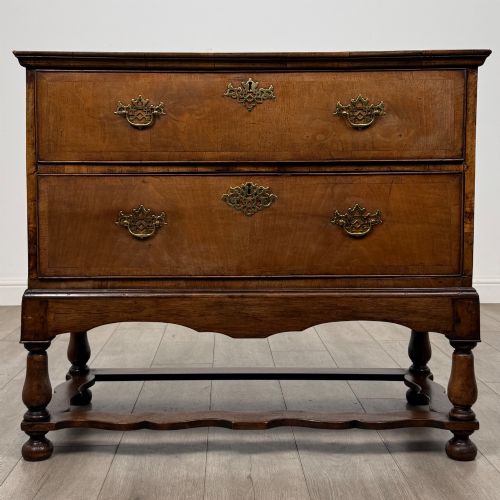
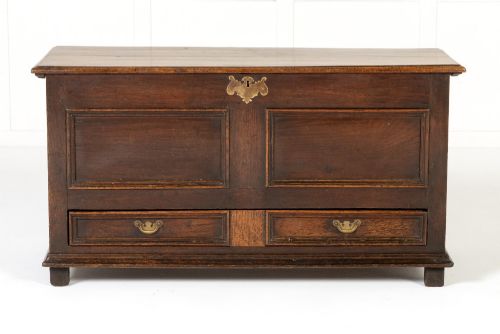
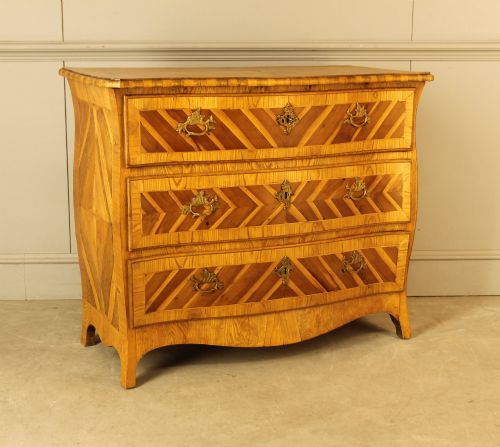
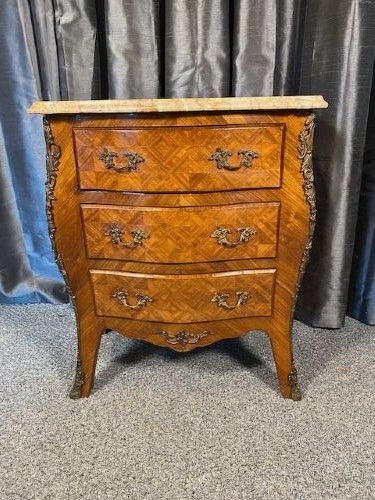
Brass Mounted Chest Drawers
These brass mounted chest drawers bring tactile warmth and enduring utility to any room, offering robust storage paired with fine metalwork.
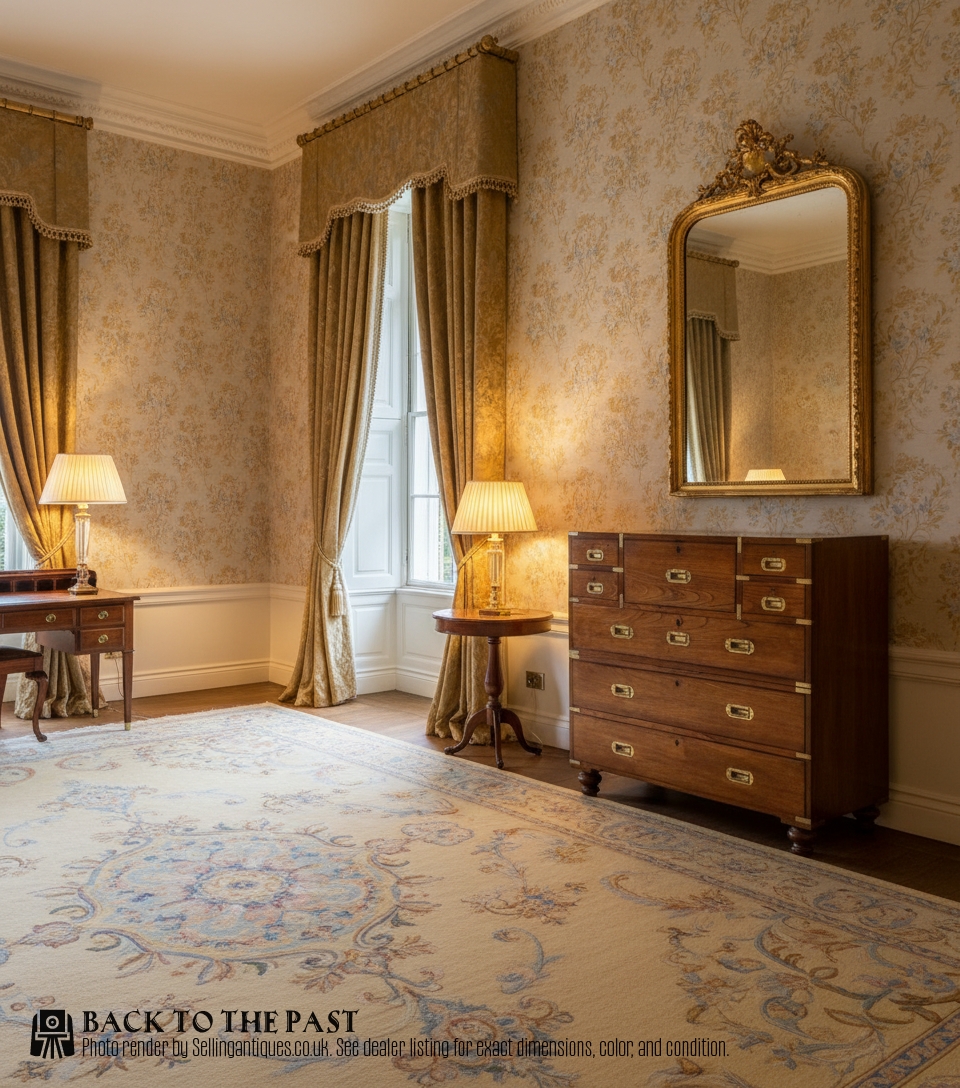
What brass mounted chest drawers are
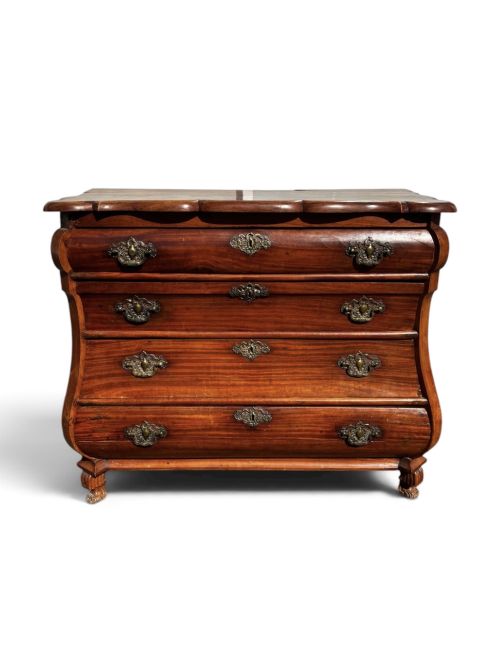
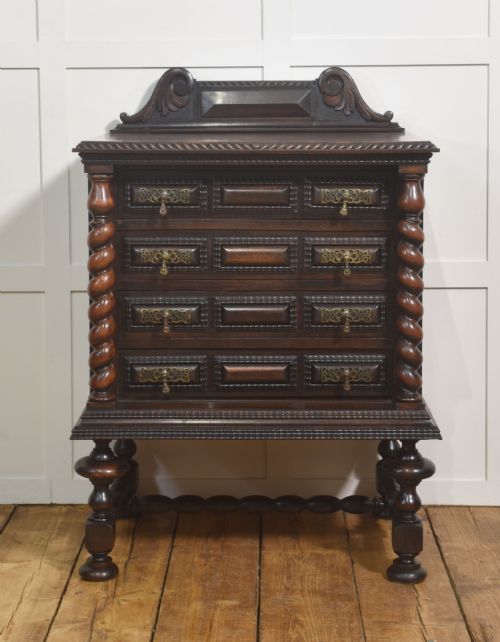
Brass mounted chest drawers combine practical storage with decorative metal fittings across various historical periods. The inventory spans pieces from the eighteenth and nineteenth centuries, reflecting diverse European and colonial workshops.
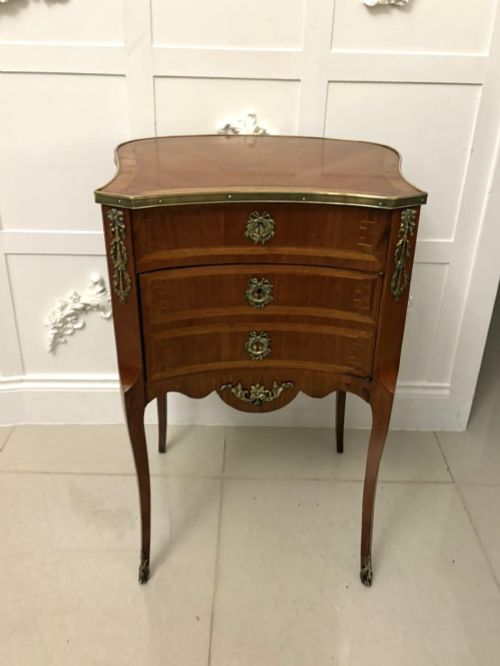
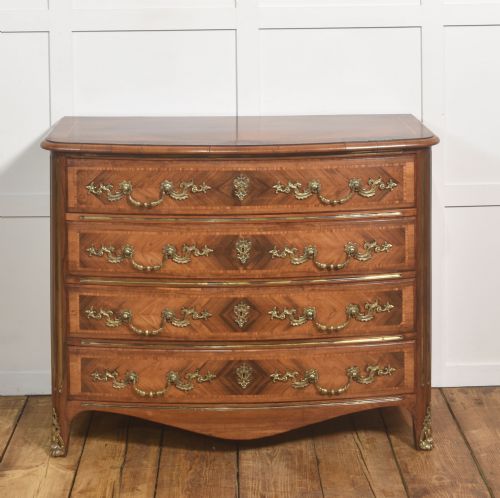
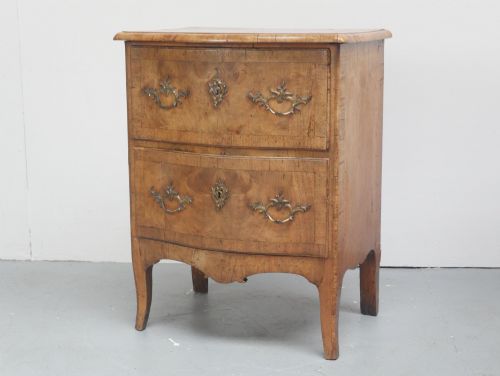
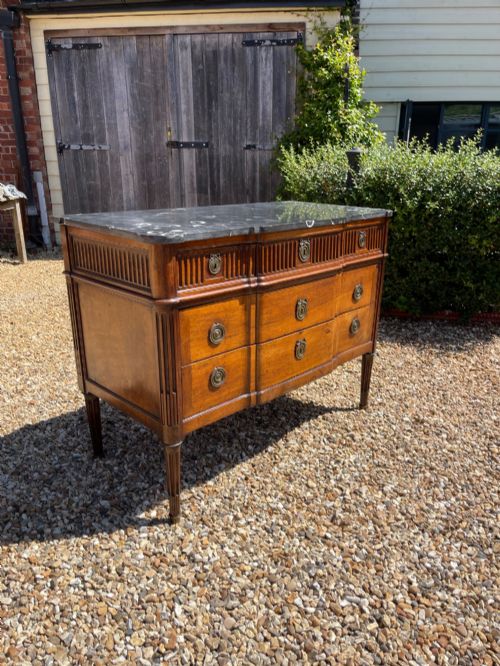
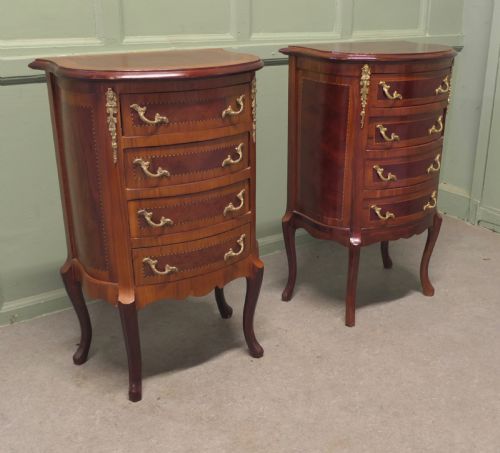
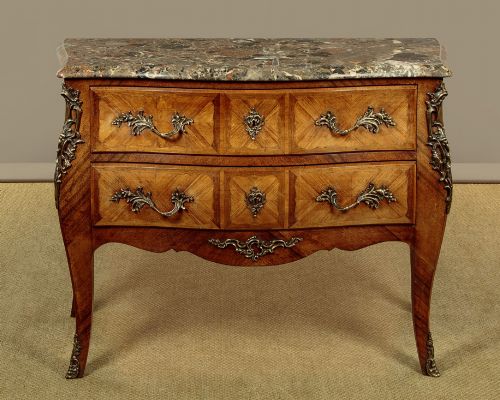
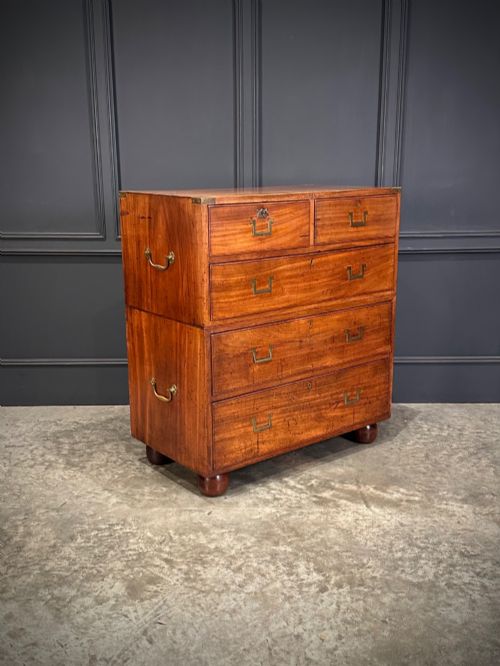
Buyers regularly encounter French Louis style serpentine and transitional pieces featuring intricate marquetry and parquetry alongside sturdy camphorwood military campaign chests. These items range from grand Rococo bombe forms to compact two-section travel pieces.
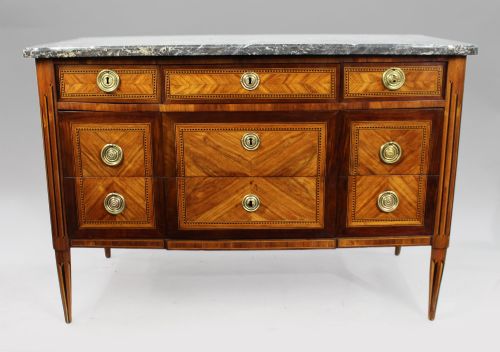
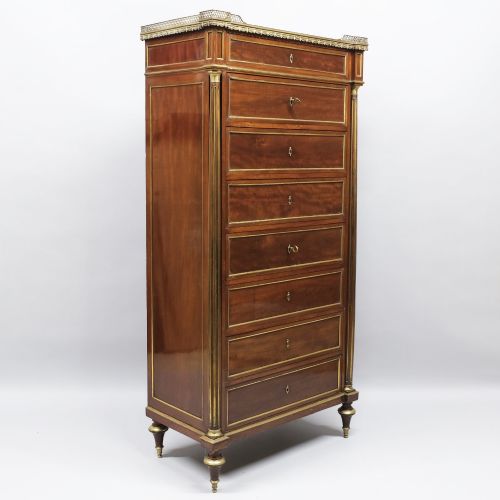
The selection includes marble-topped commodes and semainiers alongside traditional mahogany and walnut forms. Each example displays the distinctive brass mounts that define this particular style of furniture.
How they were made
Cabinetmakers utilised hardwoods such as mahogany, walnut, kingwood, birch, and fruitwood as the structural foundation for these chests. Surfaces frequently incorporate decorative veneers arranged in marquetry or parquetry patterns.
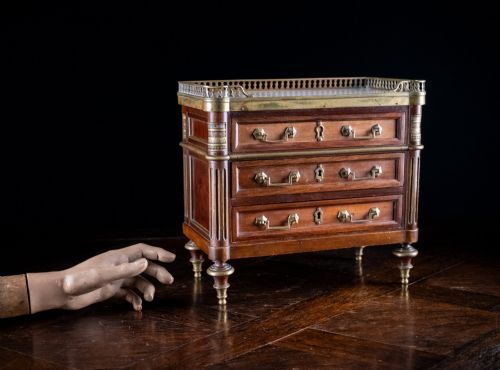
Mounts, handles, and corner brackets cast in brass or ormolu were meticulously fitted to protect vulnerable edges and enhance the visual appeal. Military campaign examples incorporated recessed brass hardware designed to withstand frequent travel.
Retail Price Guide 2026
Typical UK retail prices for brass mounted chest drawers, calculated from the Sellingantiques database of over a million retail prices indexed since 2003. This retail price guide relies exclusively on Sellingantiques data; no external sources or auction records are used, so the figures do not describe the wider market.
The inventory spans the eighteenth and nineteenth centuries, featuring walnut, mahogany, camphorwood, and kingwood.
What varies in quality
Quality rests upon the precision of the cabinetwork and the crispness of the brass casting. Superior examples demonstrate seamless veneer matching and tightly fitted drawers that operate smoothly.
The Brass Mounted Chest Drawers Glossary
- Serpentine
- A furniture front or top curving inward centrally and outward at the ends. This flowing shape demands advanced woodworking skill to execute properly.
- Bombe
- A bulging, convex shape characteristic of continental furniture. It swells outward gracefully from top to bottom.
- Ormolu
- Gilded bronze applied to furniture mounts and decorative hardware. The technique produces a rich, golden metallic lustre.
- Parquetry
- Geometric wood inlay forming patterned surfaces on furniture. Artisans arrange contrasting timber veneers in precise repeating grids.
Frequently Asked Questions
How do I date these chests?
Dating relies on timber selection, construction methods, and stylistic cues present in the hardware and secondary woods. Eighteenth-century pieces often display hand-cut dovetails and native cabinet timbers.
Nineteenth-century iterations incorporate machine-sawn elements and distinct regional hardware styles that correspond to Victorian or continental periods.
What is a campaign chest?
Campaign chests were built in sections to facilitate transport for military officers on active service. They feature recessed brass handles and corner brackets to prevent damage during transit.
These practical pieces prioritize sturdy construction and modular assembly without sacrificing polished interior storage.
Where should I place a marble top commode?
Marble top commodes suit bedrooms, hallways, or living spaces where a durable and decorative surface is advantageous. The stone top provides a cool, resilient counter that contrasts effectively against warm wood and brass.
Ensure the floor is level to support the combined weight of the timber carcase and the stone slab safely.
How do I care for antique brass mounts?
Maintain brass mounts by dusting them gently with a dry, soft cloth during routine cleaning. Avoid abrasive commercial metal polishes that can strip the historic patina or damage surrounding timber veneers.
Preserving the natural oxidation ensures the metal retains its authentic visual depth.