
Brass Mechanical Mantel Clock
A brass mechanical mantel clock is a heavy, precise keeper of time that brings both industrial beauty and rhythmic life into a room.
Brass Mechanical Mantel Clock
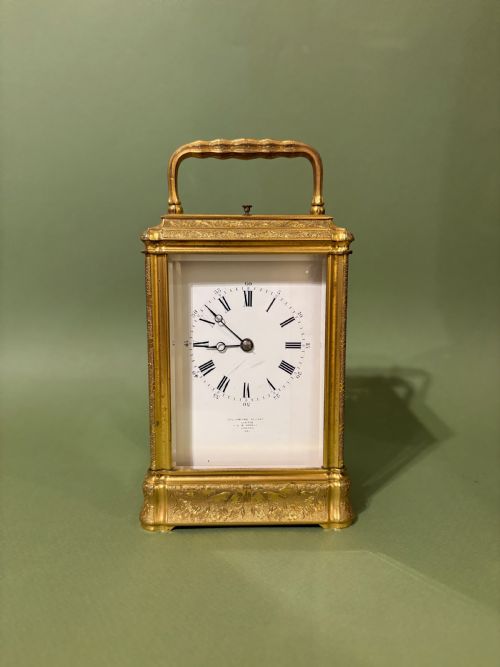
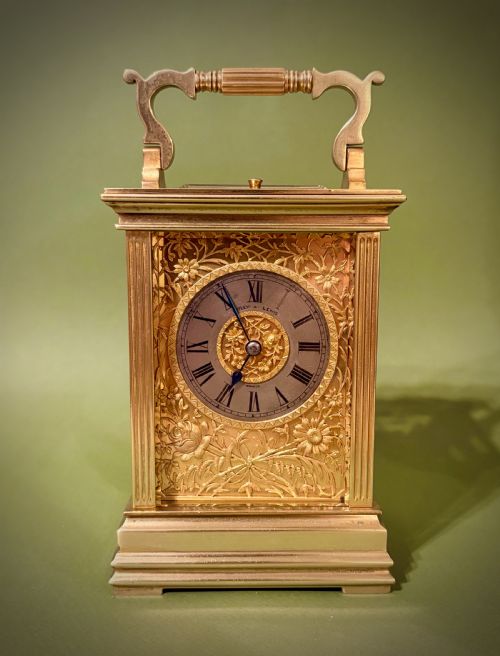
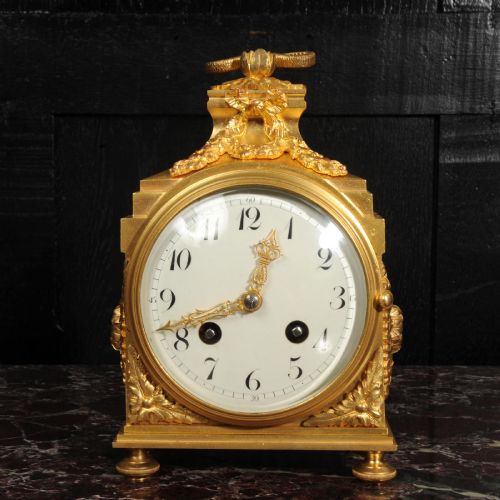
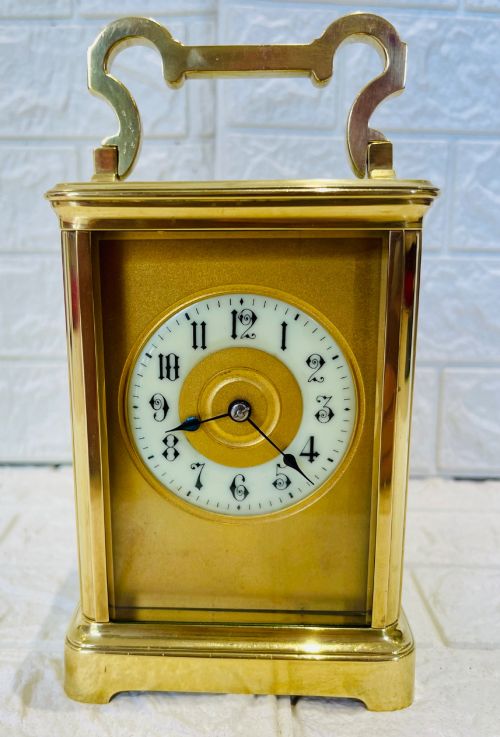
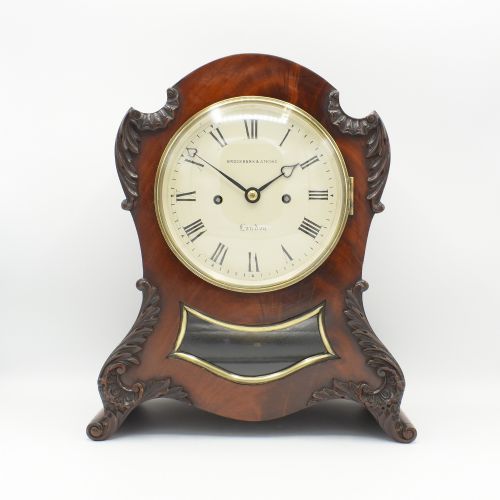
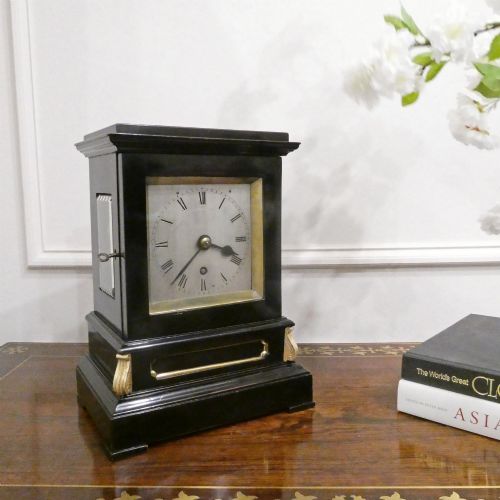
A brass mechanical mantel clock sits squarely in the tradition of portable and shelf-standing timepieces, ranging from compact travel pieces to substantial bracket clocks.
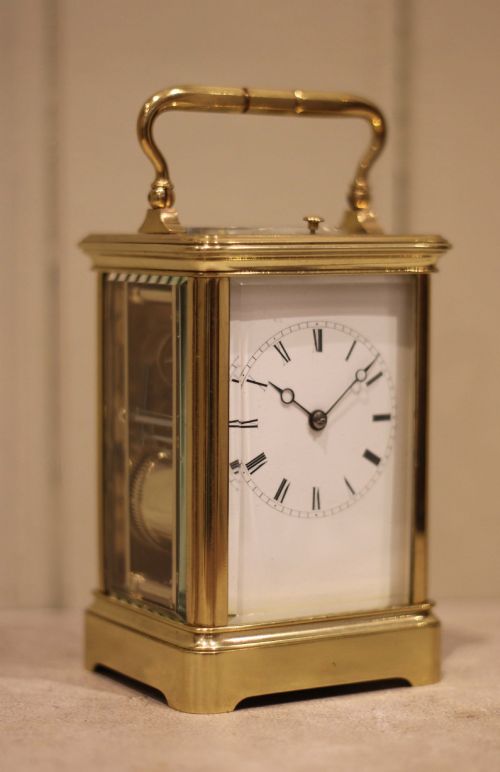
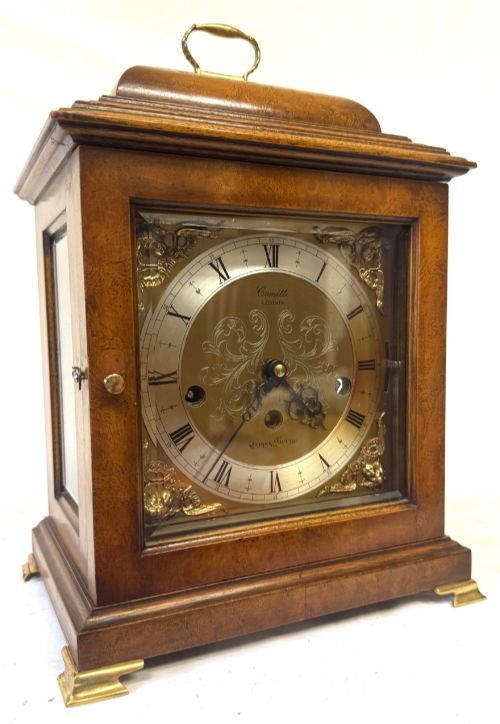
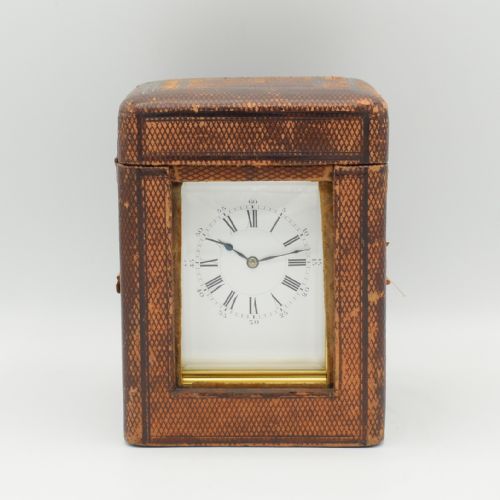
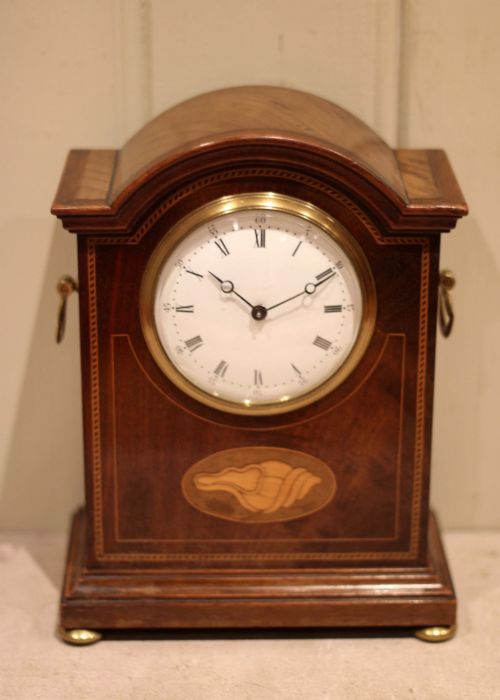
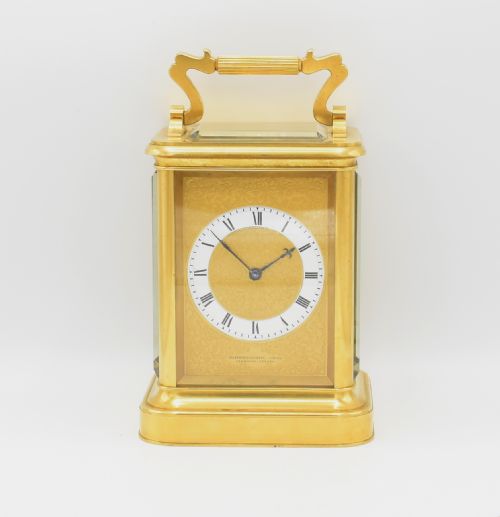
The most common iterations on this page are French carriage clocks and Victorian library or bracket clocks, housing mechanical movements inside polished metal and glass cases.
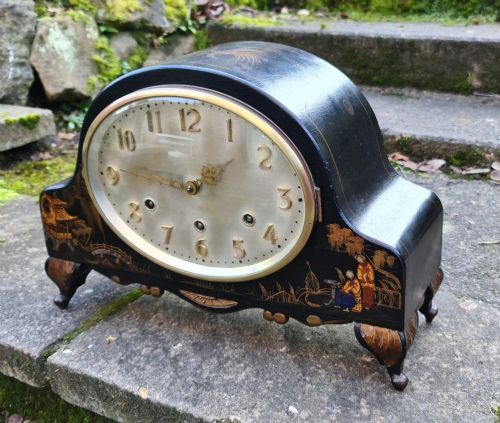
These instruments span periods from the early nineteenth century through to the Art Deco era, drawing on styles such as Victorian Gothic, Edwardian inlay, and French Belle Epoque.
Materials and Construction
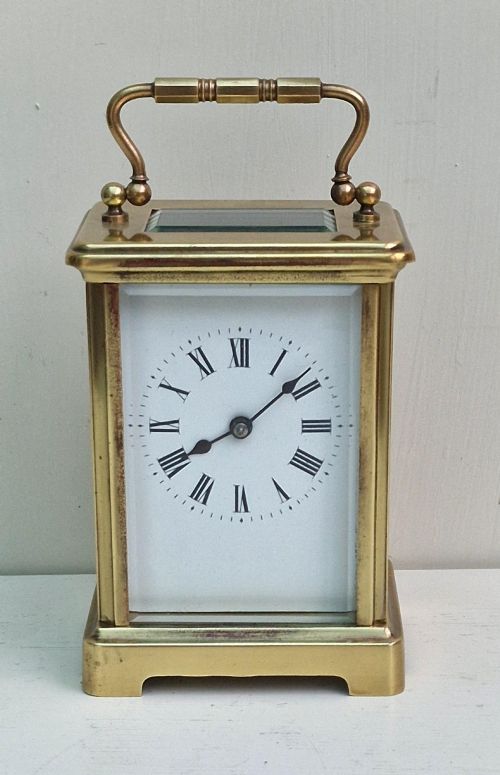
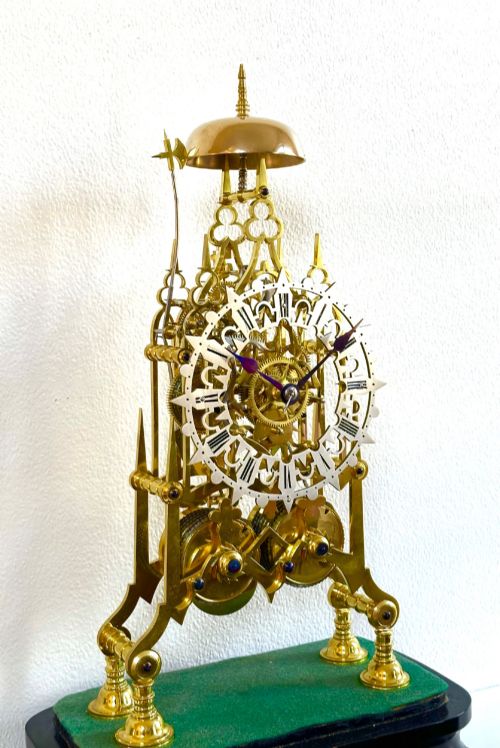
The casing relies heavily on cast or gilt brass, paired with bevelled glass panels to reveal the oscillating escapements and gear trains within.
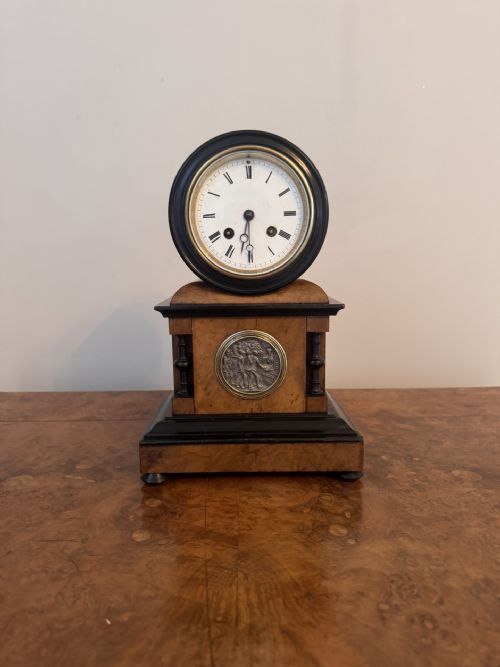
Cabinet makers framed movements in mahogany, burr walnut, ebonised wood, and occasionally oak, while dials feature silvered metal or white enamel with crisp numerals.
Movements are entirely mechanical, driven by spring barrels or fusee chains, with some incorporating complex strike, repeat, or chime mechanisms.
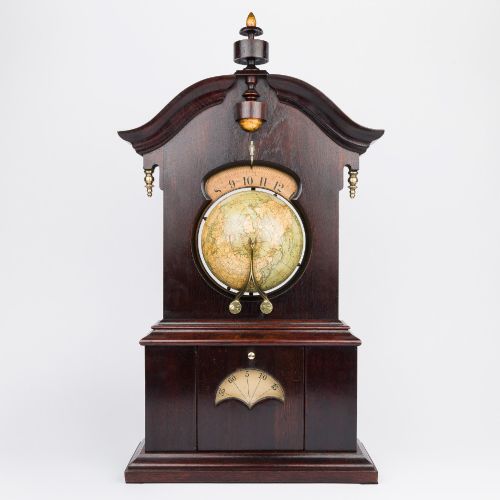
Object forms on this page range from portable carriage clocks and skeleton clocks to heavy bracket clocks, desk clocks, and anniversary clocks.
Distinctions in Standard
Quality reveals itself in the crispness of the brass casting, the depth of the case engraving, and the structural integrity of fitted travel cases.
The refinement of the mechanical movement itself - such as the presence of platform escapements, ruby jewel bearings, and complex quarter-striking functions - separates standard pieces from finer examples.
HENRI JACOT·Brockbanks & Atkins·Mappin & Webb·Drocourt Paris·Richard Winter of Chieveley·Pickford of London
The Brass Mechanical Mantel Clock Glossary
- Fusee
- A conical pulley designed to maintain even tension on the gear train as the mainspring unwinds. This mechanism ensures more consistent timekeeping.
- Carriage clock
- A small, portable spring-driven clock with a carrying handle, originally designed for travel. They are frequently housed in brass and glass gorge cases.
- Escapement
- The mechanical linkage that controls the release of power from the gear train to the balance wheel or pendulum. It translates raw spring force into measured ticks.
- Gorge case
- A stepped, pillared brass framework housing glass panels typical of nineteenth-century carriage clocks. The design allows light to flood the interior movement.
Brass Mechanical Mantel Clock: Frequently Asked Questions
How often do I need to wind a mechanical clock?
Most spring-driven mechanical clocks require winding once every eight days using a matching key. Some smaller or older desk models may need attention after thirty hours.
Regular winding keeps the tension balanced across the mainspring, ensuring the escapement maintains an accurate beat throughout its cycle.
Can I travel with an antique carriage clock?
While these clocks were originally built for travel and often include leather cases, modern transit can easily knock delicate internal escapements out of beat. It is generally safer to transport them unmounted and upright by hand.
If you must move a clock long distances, secure the pendulum or platform where possible and cushion the outer case against sharp shocks.
What causes a mechanical clock to stop running?
Stops are frequently caused by congealed old oil, accumulated dust in the gear train, or an escapement that has settled slightly out of level. A professional service usually resolves these issues.
Placing the clock on a stable, level surface is essential, as an uneven mantelpiece can alter the symmetry of the beat and halt the movement entirely.
How do I date an antique brass clock?
Dating relies on examining the style of the brass casting, the shape of the escapement platform, and any maker signatures or serial numbers stamped on the backplate. Victorian and Edwardian pieces often display distinct casework proportions.
Consulting historical maker records helps narrow down production years, particularly for signed French carriage clocks and English bracket clocks.