

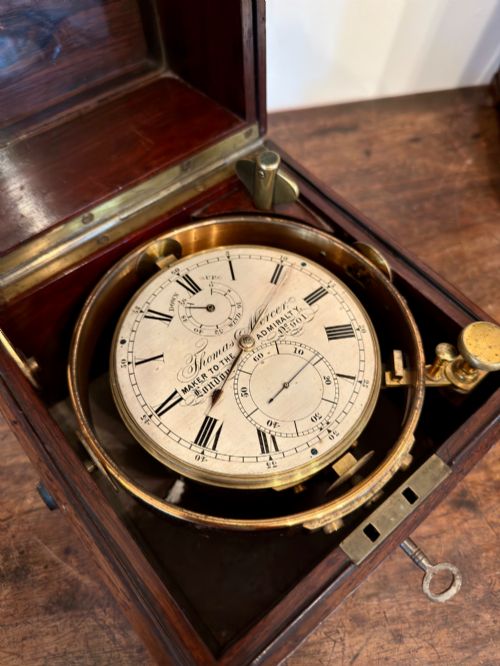


Brass Marine Clock
A brass marine clock brings precise maritime history indoors, combining heavy brass cases with reliable timekeeping for any room.
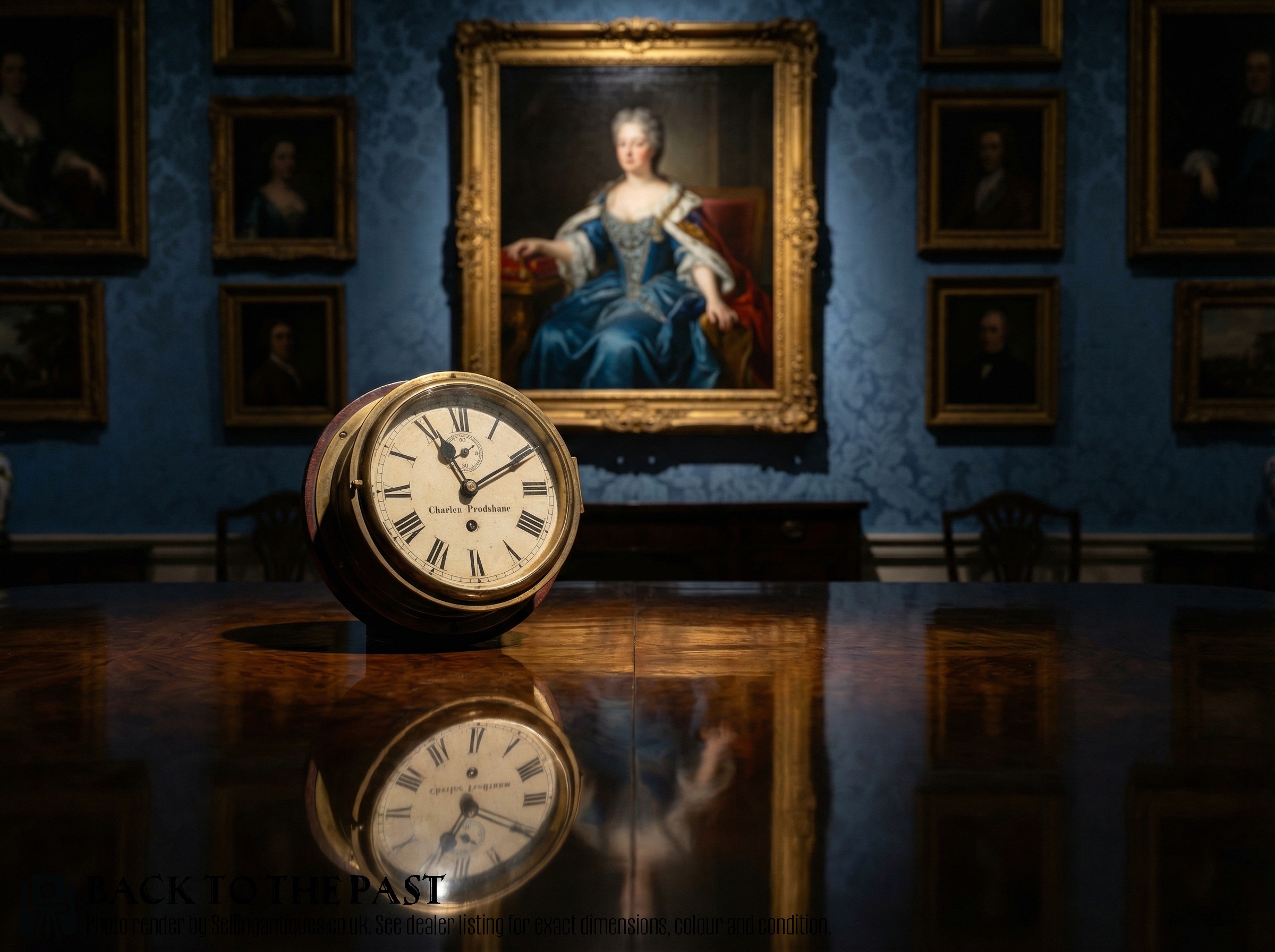
Brass Marine Clock
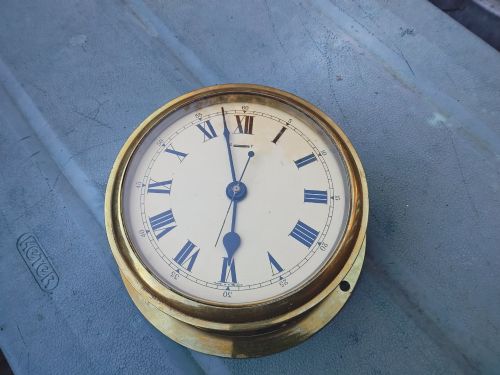
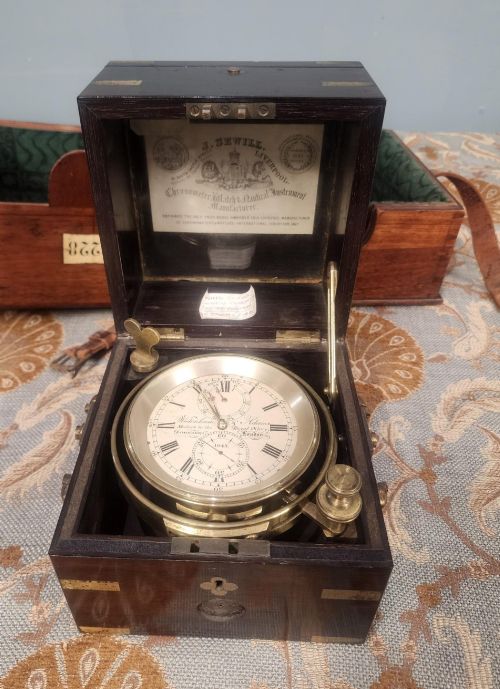
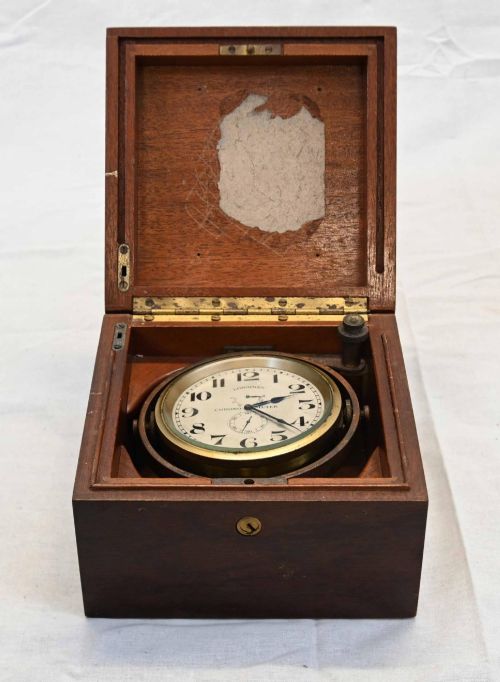
A brass marine clock is an instrument designed for use at sea, taking forms such as wall clocks, bulkhead clocks, desk clocks, and marine chronometers. These pieces range from Victorian examples to mid-century designs, reflecting centuries of maritime utility.
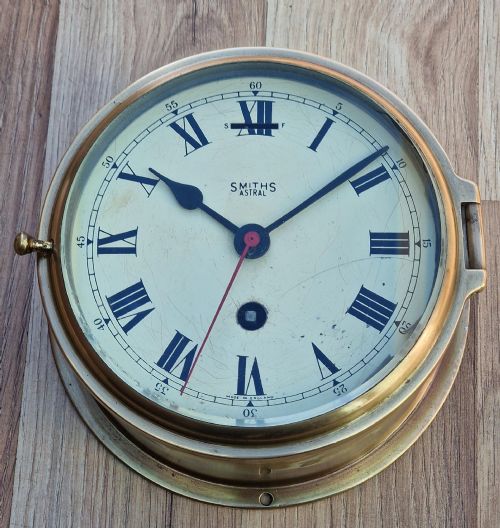
The most common items on this page are ships wall clocks and bulkhead clocks housed in heavy brass cases, often featuring enamel dials and glass covers. Makers and retailers like Thomas Mercer and Pascall Atkey of Cowes produced these for functional use on vessels.
Collectors encounter various styles spanning maritime, industrial, and Victorian nautical, alongside specific functional pieces like radio room clocks with red and green segments. Each object type carries the aesthetic of naval and merchant shipping history.
Materials and construction
Brass forms the primary housing for these instruments, often paired with glass inspection covers and substantial timber surrounds in rosewood or mahogany. Enamel and silvered metal provide the contrasting surfaces for legible dial markings.
Internal mechanisms frequently utilise chain fusee movements and steel components designed to withstand the motion of a ship. These mechanical assemblies ensure accurate timekeeping despite changes in temperature and environment.
Brass Marine Clock Retail Price Guide 2026
Typical asking prices for brass marine clock among the pieces listed under this phrase on Sellingantiques today, from the lower quarter to the upper quarter. They describe what is for sale here now, not the wider market.
Radio room clocks feature red and green dial segments to mark mandatory radio silence periods for distress signals.
Factors of quality
Quality separates simple bulkhead timepieces from complex precision instruments through the sophistication of the movement, such as twin fusee or two-day marine chronometer mechanisms. Maker attribution to notable workshops like Mercer or McCabe further distinguishes finer examples.
Thomas Mercer·James McCabe·Litherland Davies·Prescot Clock Co·Schatz of Germany
The Brass Marine Clock Glossary
- Fusee
- A conical pulley used in mechanical clocks to maintain an even pull on the movement as the mainspring unwinds. This mechanism ensures consistent timekeeping accuracy throughout the power reserve.
- Bulkhead clock
- A sturdy timepiece designed to mount directly onto the interior wall of a ship cabin. These clocks feature secure screw bezels and heavy brass cases to resist moisture.
- Marine chronometer
- A highly precise portable timekeeper used for navigation at sea to determine longitude. These instruments are typically housed in gimbaled wooden boxes.
- Silvered metal
- A metal dial surface treated with a thin layer of silver to create a matte, highly readable finish. This technique reduces glare in bright maritime conditions.
- Dial
- The face of the clock where the numbers and markers indicate the hours and minutes. Enamel dials provide a smooth, durable surface that resists tarnishing.
Brass Marine Clock: Frequently Asked Questions
Where should I hang a bulkhead clock?
These clocks suit study walls, kitchens, or hallways where their industrial brass aesthetic can anchor the room. Ensure the wall structure can support the substantial weight of the brass casing.
Mount the clock at eye level using appropriate fixings to secure the heavy frame safely against the plaster or wood.
How do I wind a fusee movement?
Use the correct winding key gently on the dial arbor, turning it clockwise until you feel resistance. Do not force the mechanism past its stopping point.
Most chain fusee movements require steady, measured turns to maintain the tension on the cone pulley without damaging the historic brass gear train.
What is the difference between a chronometer and a standard clock?
A marine chronometer is built for navigational precision, maintaining exact time under extreme motion and temperature changes at sea. They often feature specialised escapements and gimbal mountings.
Standard bulkhead clocks focus on general timekeeping for the ship crew, utilising simpler movements housed in durable brass wall cases.
How do I identify the date of a piece?
Look for hallmarks, maker signatures on the enamel dial, or inscriptions engraved on the brass casing and backplate. Names like Mercer or McCabe often correspond to documented operational periods.
Examine the construction methods, such as the style of the fusee chain and the materials used in the surrounding mahogany or rosewood box, to narrow down the decade.