





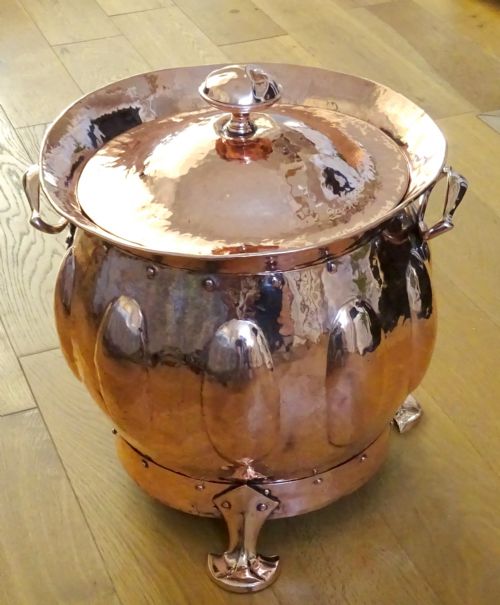

Brass Lidded Bucket
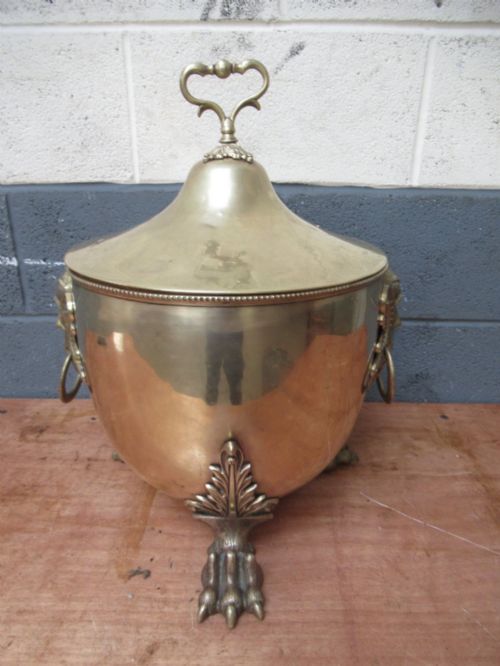
These brass lidded bucket pieces are substantial hearth vessels and barrels crafted to hold coal, logs, or provisions while adding metallic warmth to a room.
Brass Lidded Bucket
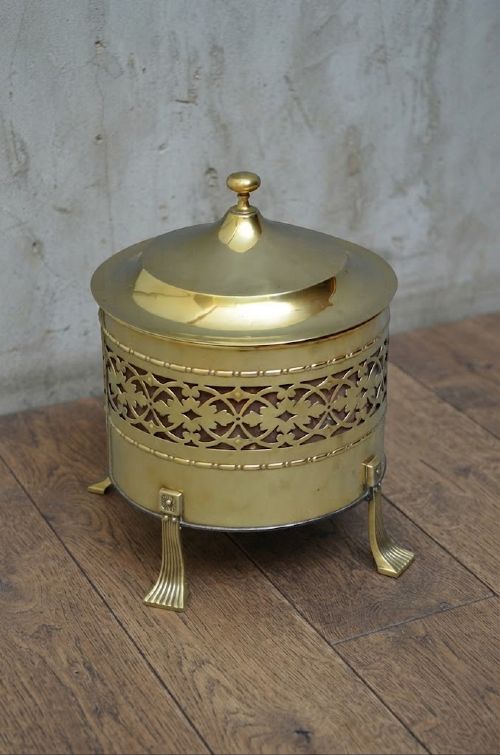
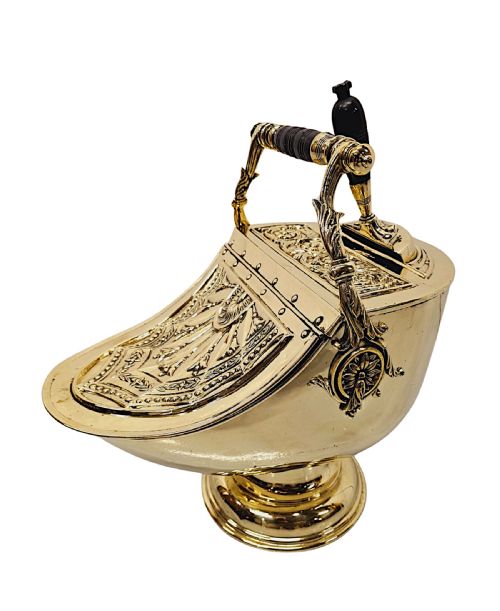
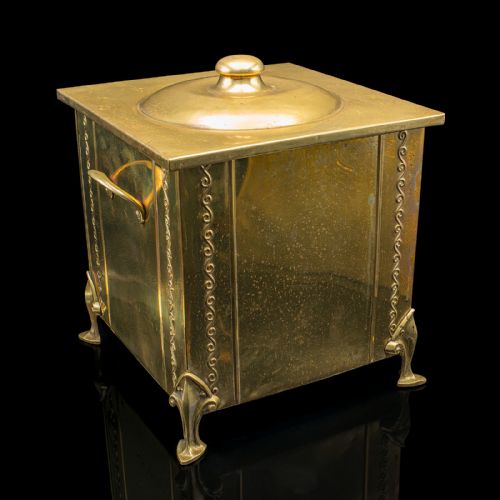
A brass lidded bucket in these listings typically appears as a Victorian or Edwardian fireside accessory designed for coal, logs, or fuel storage. The selection spans robust hearth vessels alongside coopered hardwood barrels and smaller caddy containers.
Buyers frequently encounter dual-purpose items such as coal buckets that double as planters, as well as Regency and Victorian double lidded scuttles. The forms range from simple oval log bins to ornate fretwork designs and chiseled pineapples.
Most examples originate from the nineteenth and early twentieth centuries, reflecting the heavy domestic utility needs of Victorian and Edwardian households. Maritime and Dutch country influences also appear through coopered timber construction and sailor-style rum barrels.
Materials and construction
Makers built these pieces primarily using sheet brass and copper, frequently combining them with internal metal liners and structural wood components such as oak, pine, and hardwood. Iron and gilt brass details provided additional reinforcement and ornamentation.
Sailors occasionally kept their spirits secure in oak and brass rum barrels before these vessels retired to the fireside.
Distinctions in quality
Quality rests upon the integrity of the metal gauge, the precision of the cooperage or joinery, and the crispness of decorative elements like fretwork or surface chiselling. Heavier metal and intact original liners distinguish superior domestic vessels from lighter utility pieces.
The sophistication of the design - ranging from plain functional coal scuttles to elaborate Regency double-lidded forms or detailed Art Nouveau motifs - dictates the relative distinction of individual examples.
The Brass Lidded Bucket Glossary
- Coopered
- Constructed from wooden staves fitted together and bound by metal hoops, much like a traditional barrel. This technique ensures durable cylindrical vessels.
- Fretwork
- Ornamental design pierced or cut through the brass surface using a saw or die. It adds lighter decorative relief to otherwise heavy hearth containers.
- Gilt Brass
- Brass treated with a fine layer of gold or gold-coloured wash to enhance its lustre. It provides a brighter metallic finish than unpolished alloy.
- Liners
- Removable internal metal vessels inserted to catch dirt, moisture, and debris from fuel. They protect the outer wooden or decorated body from wear.
Brass Lidded Bucket: Frequently Asked Questions
What were brass lidded buckets used for?
These vessels served primarily around the hearth to store and transport coal, logs, and other solid fuels for household fires. Some variants functioned as specific storage containers, such as sailor rum barrels or decorative butter barrels.
Lids helped contain coal dust and kept hearth debris out of sight when the containers sat beside the fireplace in Victorian and Edwardian reception rooms.
How do I date a brass lidded bucket?
Dating relies on stylistic clues, construction methods, and prevailing materials associated with periods like the Regency, Victorian, and Edwardian eras. Fretwork and specific decorative motifs often align closely with early twentieth-century or late nineteenth-century tastes.
Examining internal components, hinge types, and the method of joining metal seams also helps narrow down the manufacturing decade.
Are these buckets safe to use for real fireside storage?
Most of these historic pieces remain structurally capable of holding logs, kindling, or bagged coal beside a modern fireplace. The inclusion of original metal liners helps manage the weight and mess of actual fuel.
Care should be taken to clean soot gently and avoid abrasive polishes that might wear down thin historic brass surfaces or patinated copper.
How do I clean and maintain antique brass?
Maintenance requires gentle dusting and occasional wiping with a soft, dry cloth to preserve the natural patina built up over generations. Avoid harsh chemical dips that strip away the authentic aged character of Victorian and Edwardian metalwork.
If polishing is necessary, use a mild, non-abrasive metal cream applied sparingly around decorative details like fretwork or chiseled surfaces.