
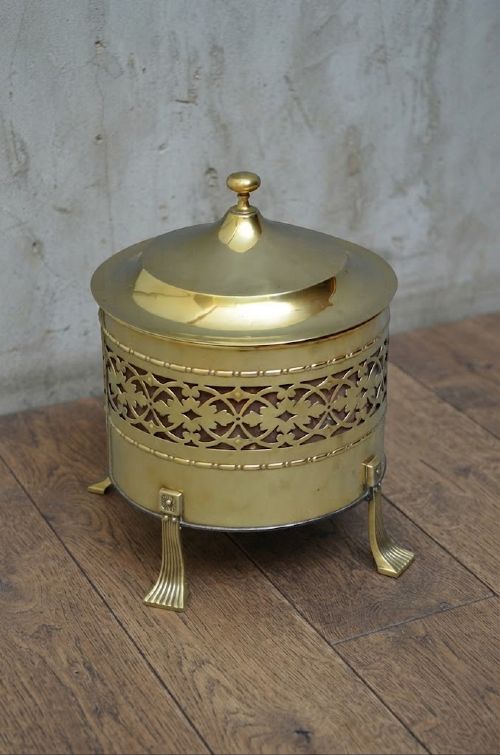
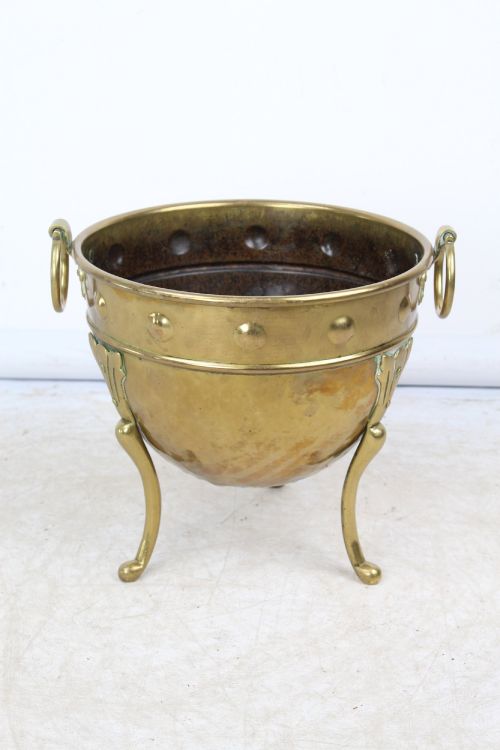
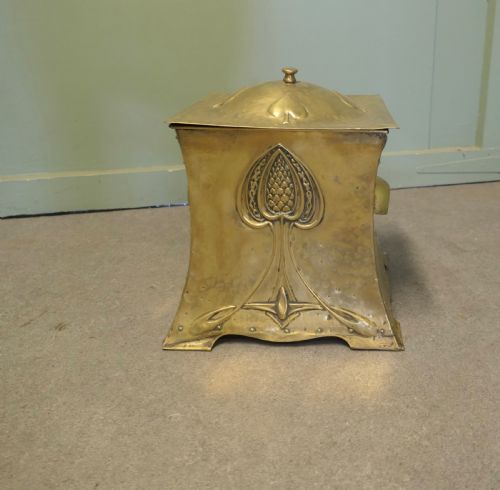
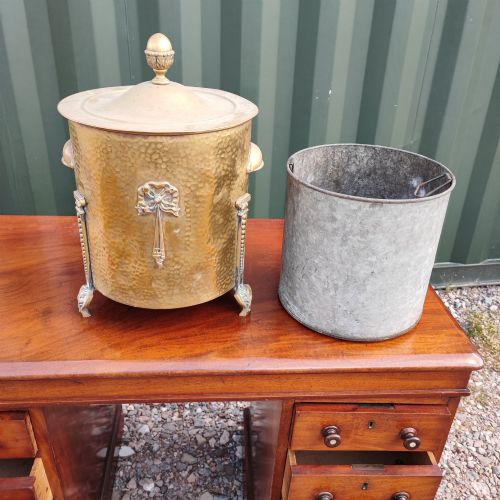




Brass Fireside Container
A brass fireside container keeps fuel ready by the hearth, combining practical coal or log storage with metalwork decorative character.
Brass Fireside Container
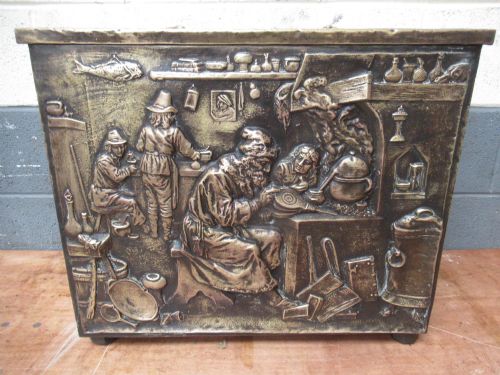
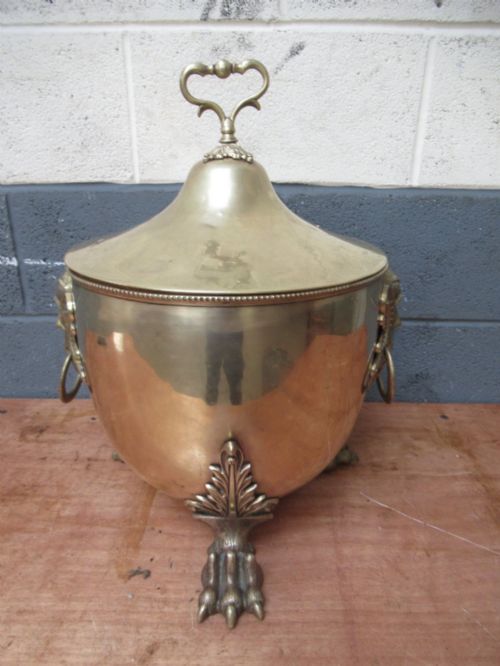
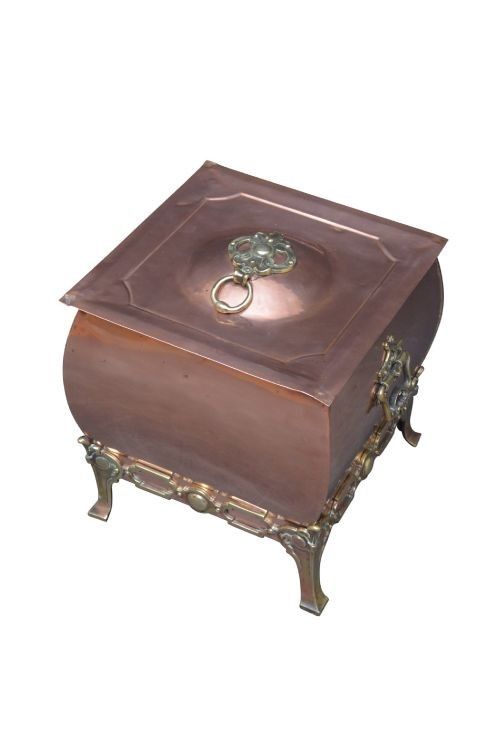
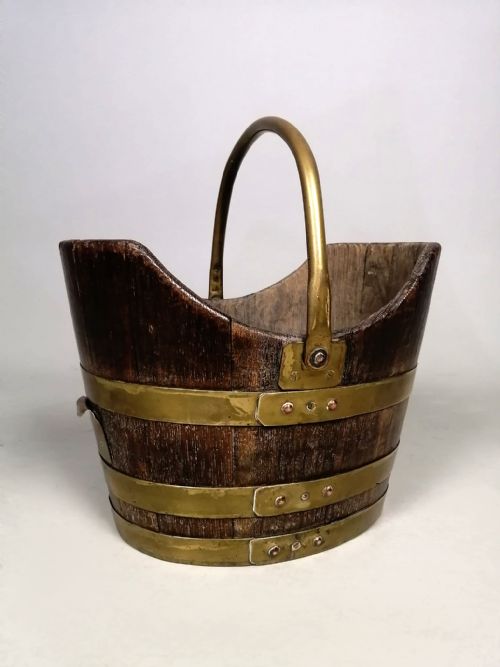
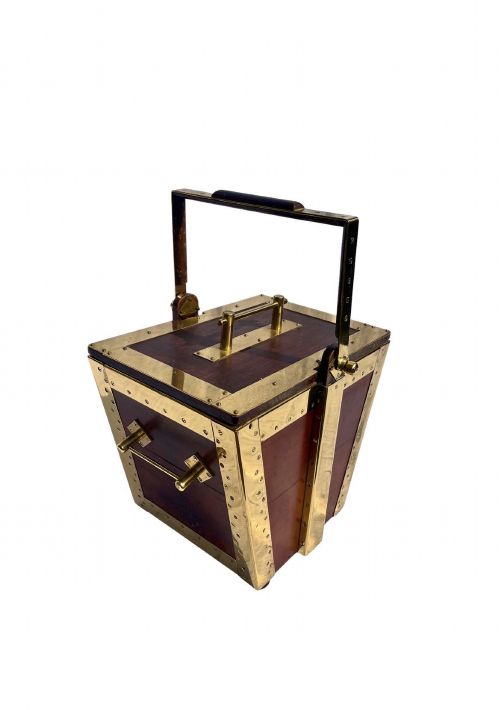
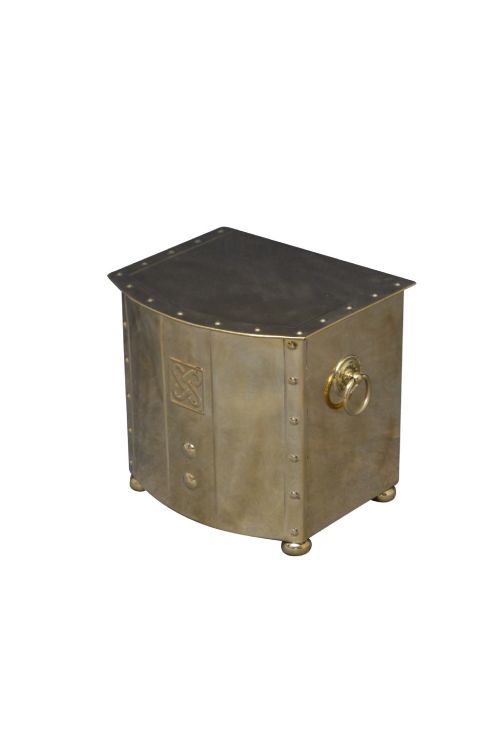
A brass fireside container serves to hold fuel beside a fireplace, taking forms such as coal scuttles, coal boxes, log bins, and buckets. These pieces appear across Victorian, Edwardian, and Arts and Crafts periods, reflecting the domestic needs of coal and wood heating.
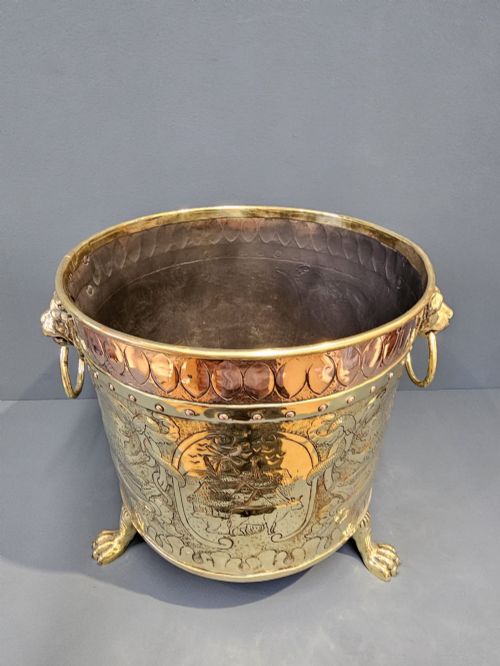
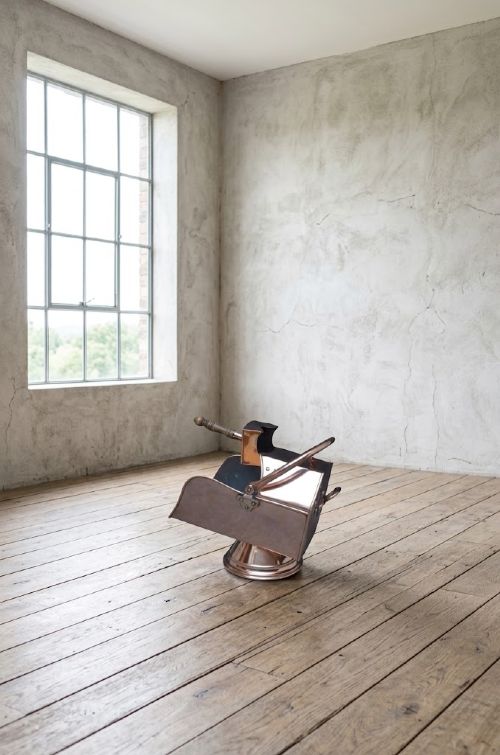
The version most commonly met on this page is the Victorian or Edwardian brass or copper coal scuttle or bucket. Many examples combine brass with copper banding, and several retain original metal liners or companion shovels.
How They Were Made
Maker construction relies heavily on sheet brass and copper, frequently joined by visible rivets or formed into helmet shapes and cylindrical bins. Wood components such as oak and mahogany appear in coopered log buckets and carved boxes.
Surface decoration involves embossed motifs, repoussé work, and fretwork designs, often associated with Arts and Crafts or Art Nouveau aesthetics. Certain pieces incorporate iron hardware and turned wooden handles for daily handling.
Several coal bins and scuttles retain their original metal liners and companion fireside shovels.
What Varies in Quality
Quality depends upon metal gauge thickness and structural integrity, distinguishing heavy domestic vessels from lighter decorative items. Thicker metal resists dents and maintains form under the weight of coal or logs.
Hand-finished details such as crisp repoussé embossing, riveted construction, and original fitted liners or matching shovels elevate the standing of a piece.
Henry Loveridge·Benham and Froud·Petrus Ramus
The Brass Fireside Container Glossary
- Coal scuttle
- A vessel designed for carrying and storing coal, often featuring a hinged lid or a sloping helmet profile. These items sit beside the hearth for daily replenishment of the fire.
- Repoussé
- A metalworking technique where a design is hammered into relief from the reverse side. This method creates textured surface decoration on brass and copper bodies.
- Coopered
- Wood construction formed from tight-fitting staves bound by metal hoops, similar to barrel making. This technique appears on wooden log buckets and bins.
- Fretwork
- Ornamental design created by piercing or cutting patterns through sheet metal or wood. This detail typically decorates the body or rim of Edwardian examples.
- Helmet
- A traditional coal scuttle shape featuring a flared, asymmetrical mouth reminiscent of headgear. The profile allows easy pouring of fuel into the grate.
Brass Fireside Container: Frequently Asked Questions
What is a brass fireside container used for?
These vessels serve to store and transport coal, logs, or kindling beside an open fireplace or stove. They keep fuel close at hand while concealing it within a decorative metal container.
Many designs include swing handles and matching shovels to assist with tending the fire and replenishing the grate safely.
How do I identify a Victorian coal scuttle?
Victorian examples frequently utilise heavy gauge brass or copper, often displaying embossed decoration or riveted construction. Stylistic cues include helmet profiles and Arts and Crafts motifs.
Period pieces regularly incorporate original internal metal liners designed to contain coal dust and moisture.
Are these containers suitable for modern woodburners?
These historical bins and buckets function effectively beside modern woodburners and open hearths for holding logs or kindling. Their robust metal or coopered wood construction withstands regular domestic use.
Checking dimensions ensures the vessel accommodates the specific log lengths required for your stove.
What is the difference between a coal box and a scuttle?
Coal boxes typically take a rectangular or lidded box form, sometimes incorporating wooden panels or carved details. Scuttles generally feature open or helmet-shaped mouths with angled spouts for pouring.
Both items served the same fireside purpose but offered different methods for accessing and containing fuel.
How should I clean antique brass and copper?
Maintenance usually involves gentle dusting and occasional cleaning with appropriate metal polishes to preserve the aged surface finish. Excessive cleaning can remove desirable patination accumulated over decades of use.
Inspecting the interior liner helps manage soot and residue without harming the exterior decorative metalwork.