


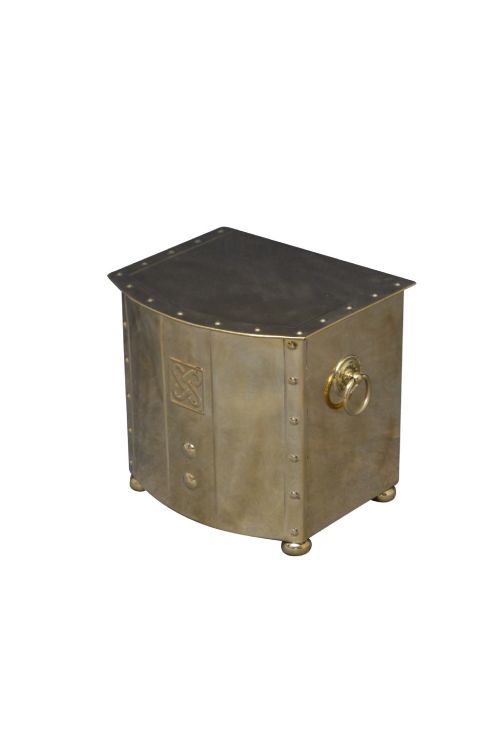

Edwardian Brass Bucket
An edwardian brass bucket brings immediate warmth to a hearth, combining solid metalwork with practical utility for the fireside.

Edwardian Brass Bucket
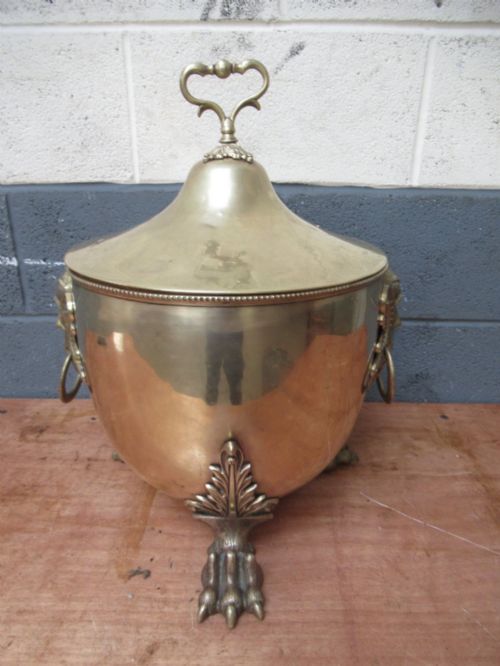
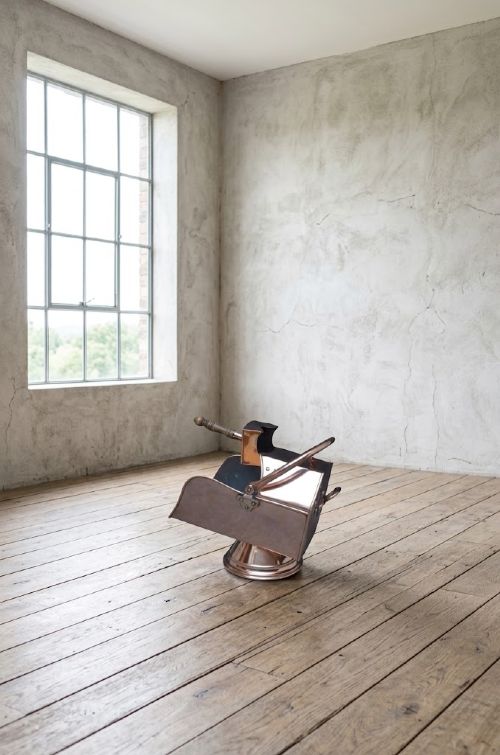
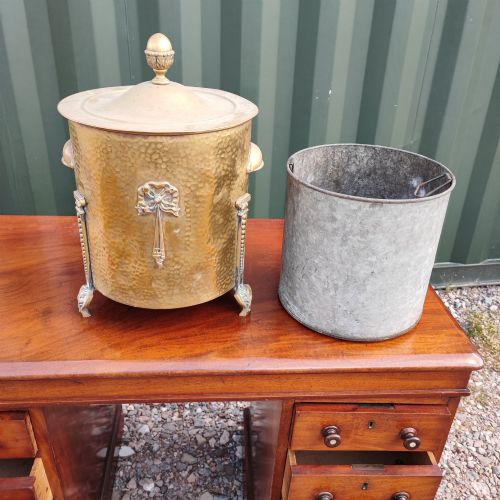
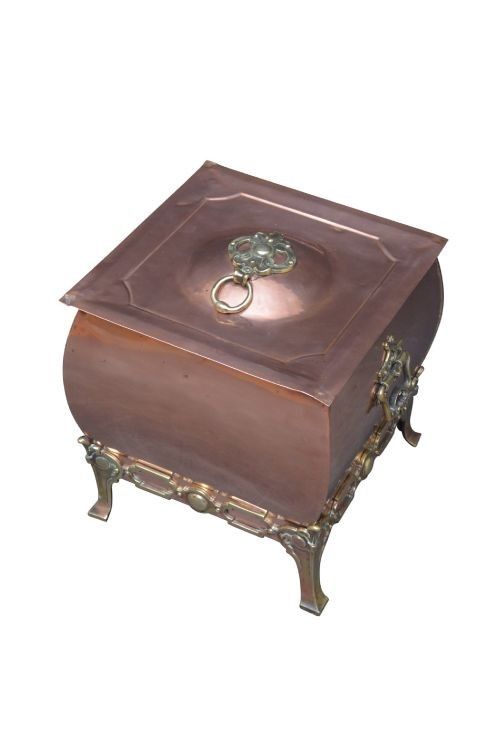
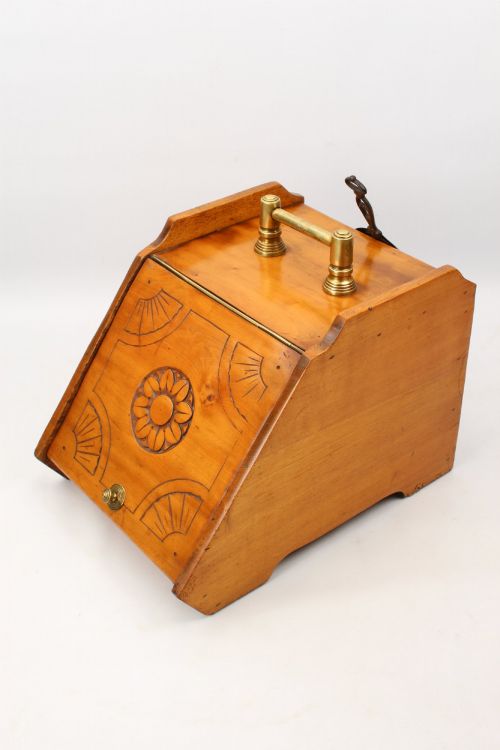
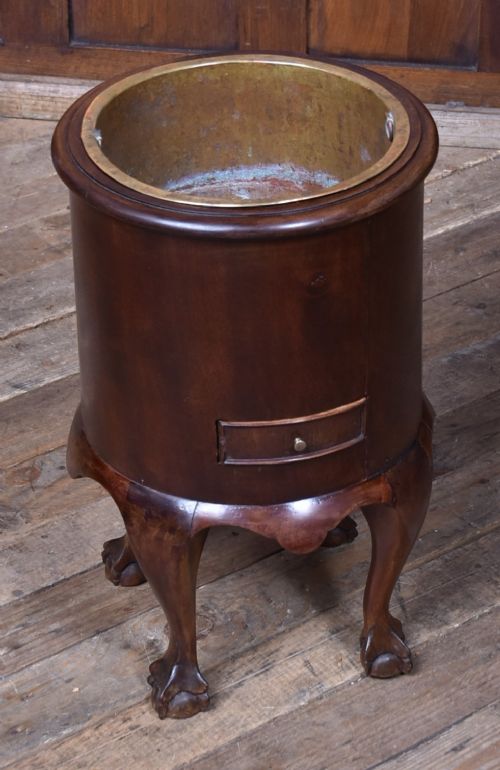
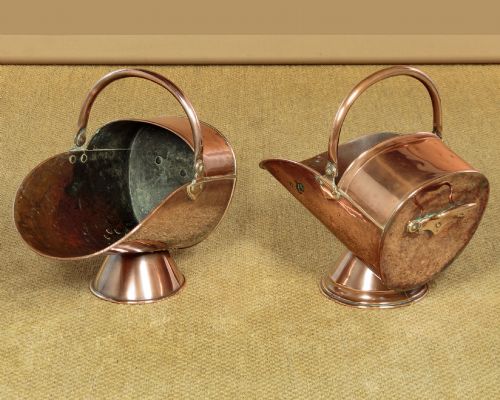
When you search for an edwardian brass bucket, you encounter functional fireside containers designed to hold coal, logs or kindling for an open fire. These pieces typically date from the Edwardian period or the broader nineteenth century, often appearing alongside related items like copper helmets, coal scuttles and umbrella stands. Many examples double as planters, jardiniere vessels or wine coolers depending on their interior liners and general shape.
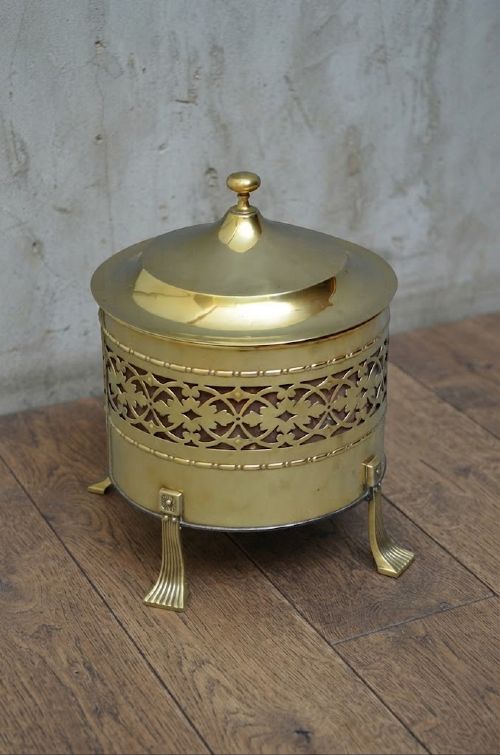
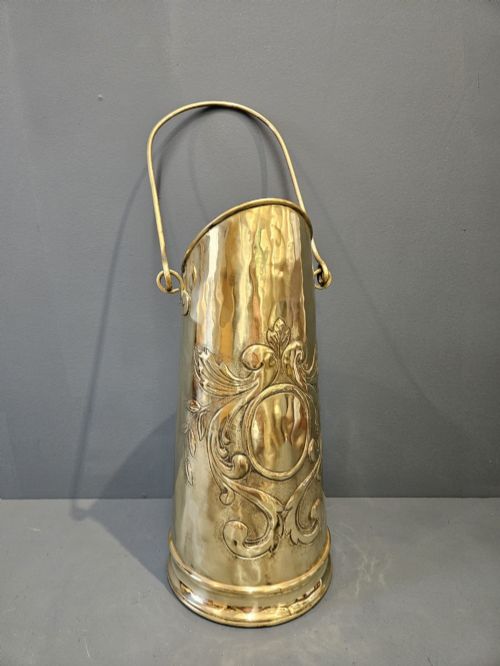
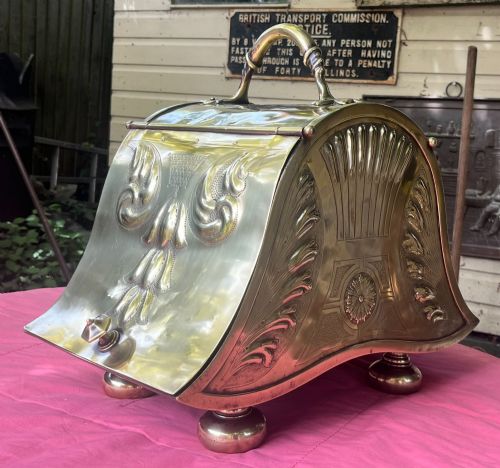
The version you are most likely to meet on this page is a round or helmet-shaped metal bucket featuring a swing handle and sometimes decorative fretwork or embossed patterns. They bridge the gap between heavy industrial utility and domestic interior ornament, reflecting the craft movements of their day. Buyers often place them beside a fireplace to store fuel or utilise them empty as decorative objects in a hallway or living room.
How They Were Made
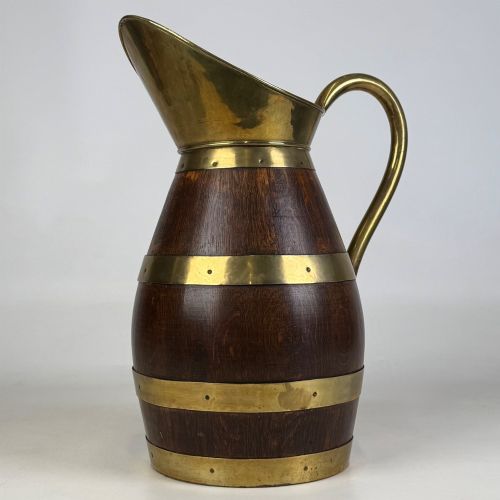
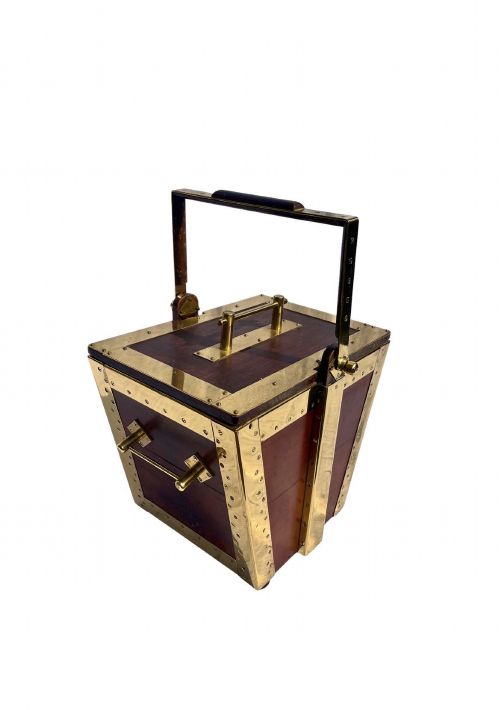
Makers constructed these pieces primarily from sheet brass and copper, frequently pairing the metal bodies with wooden bases, oak staves or mahogany stands. Rivets, dovetail joints and brass banding held the structures together, particularly in coopered wooden barrels and peat buckets. Handles often incorporated turned wooden grips or heavy cast loops attached securely to the sides of the vessel.
Surface ornamentation involved hand-beating, repoussé work, fretwork cutting and polishing to create reflective finishes characteristic of Arts and Crafts and Art Nouveau styles. Iron and galvanised metal also appeared in internal liners and structural frames to handle the heavy weight of coal and damp logs without deteriorating.
Listings feature items built from brass, copper, oak, mahogany, iron and walnut across Victorian, Edwardian and Arts and Crafts styles.
What Varies in Quality
The distinction between ordinary utility items and superior examples lies in the weight of the metal, the crispness of the hand-beaten decoration and the integrity of the construction. Heavier gauge brass and thick copper resist denting and hold their shape better under the daily strain of logs and coal. Fretwork designs and repoussé panels show varying degrees of hand skill, with sharper detailing and more complex motifs indicating superior workshop output.
The presence of original internal liners, matching shovels and solid timber framing also elevates a piece above standard mass-produced variants. Quality shows in the secure attachment of swing handles and the careful finishing of brass banding on coopered wooden bodies, ensuring the object maintains both structural strength and visual presence.
Benham and Froud
The Edwardian Brass Bucket Glossary
- Coal scuttle
- A container designed specifically for carrying and storing coal near a fireplace, often featuring a shovel and a tilted opening or hinged lid.
- Coopered
- Made by assembling curved wooden staves bound together with metal hoops, a technique traditionally used for barrels and tubs.
- Jardiniere
- An ornamental pot or stand intended for holding live plants or flowers rather than solid fuel.
- Purdonium
- A box or cabinet designed to store household coal discreetly, typically incorporating a sloping front and an internal metal liner.
- Repoussé
- A metalworking technique where the artisan hammers the design from the reverse side to form a raised pattern on the front.
Edwardian Brass Bucket: Frequently Asked Questions
What were they used for originally?
These vessels served primarily as functional containers for transporting and storing coal, wood or peat for household fireplaces.
Over time, many adapted to secondary domestic roles as umbrella stands, plant holders or general storage bins around the home.
How do I clean brass safely?
Gentle washing with warm soapy water and a soft cloth removes everyday dust and soot without harming the historic surface.
Strong chemical polishes should be used sparingly to preserve the natural patina built up over decades of domestic use.
Can I use them as planters?
Many examples include original metal liners that protect the outer structure from moisture and soil.
If using a piece without a liner, placing a separate waterproof tray inside prevents water damage to the bottom of the vessel.
How do I distinguish Edwardian from Victorian pieces?
Victorian examples often display heavier, more ornate ornamentation with deep relief work and dark timber tones.
Edwardian versions frequently lean towards lighter proportions, simpler lines and influences from the Arts and Crafts or Art Nouveau movements.