



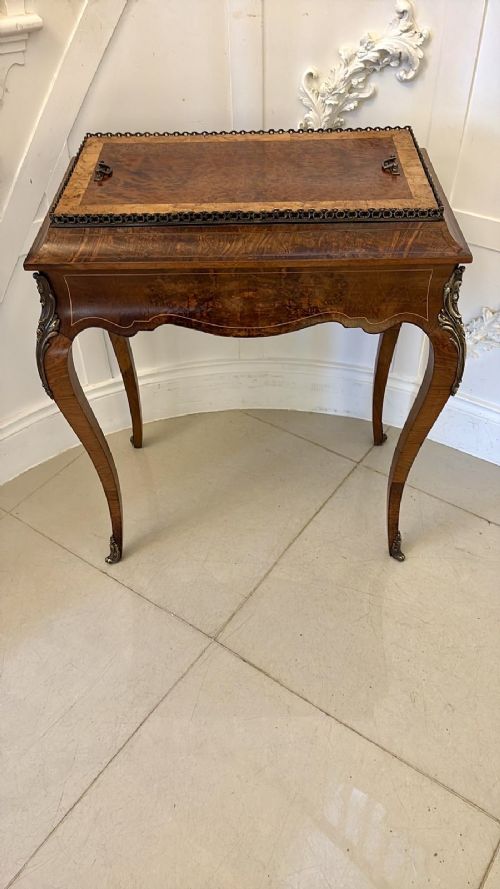

Brass Jardiniere Stand
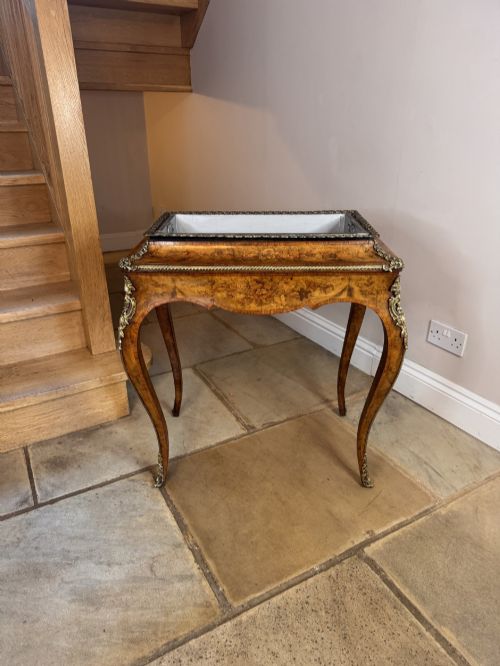
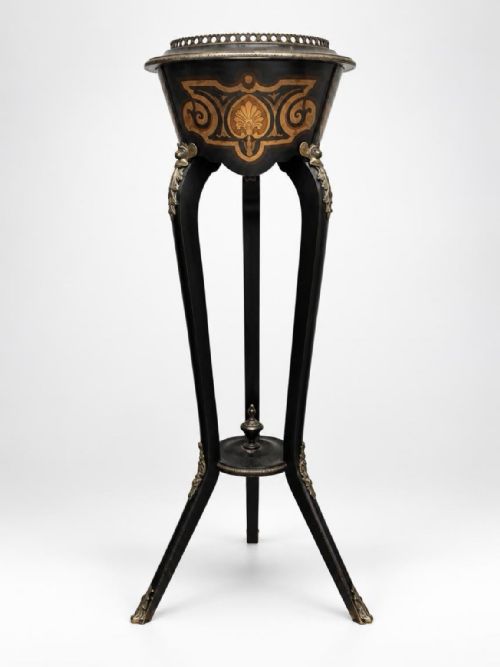
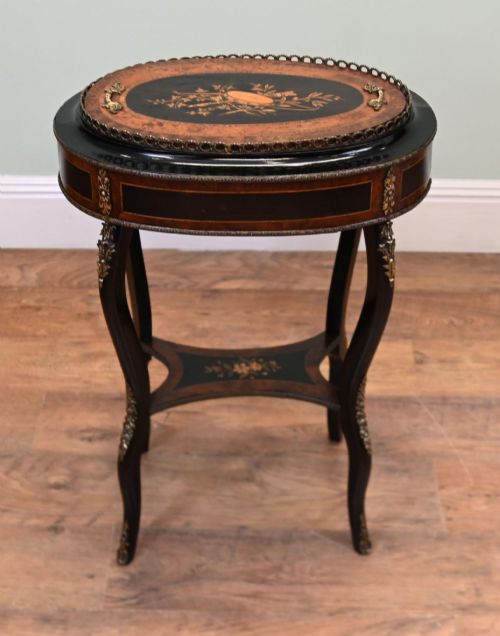
These brass jardiniere stand examples elevate indoor flora and interior schemes alike, bringing decorative metalwork and rich timber frames together.

Brass Jardiniere Stand
A brass jardiniere stand provides an elevated vessel designed to hold indoor plants, flowers, or occasionally wine bottles. When searching for a brass jardiniere stand, buyers encounter pieces originating from Georgian, Victorian, and Edwardian periods, as well as continental workshops.
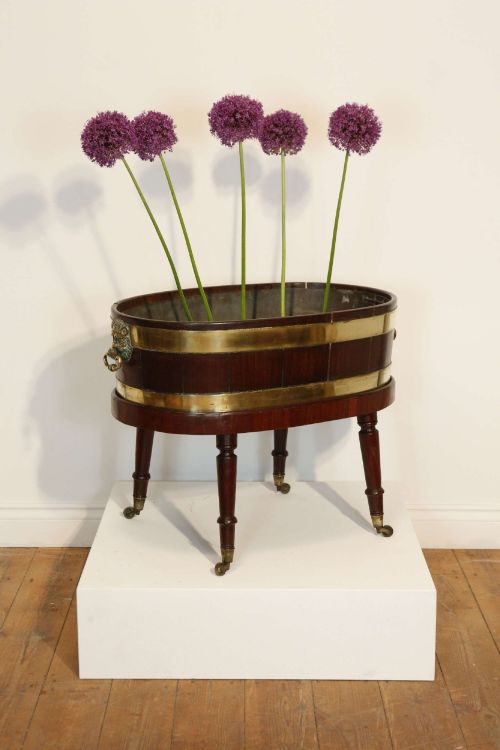
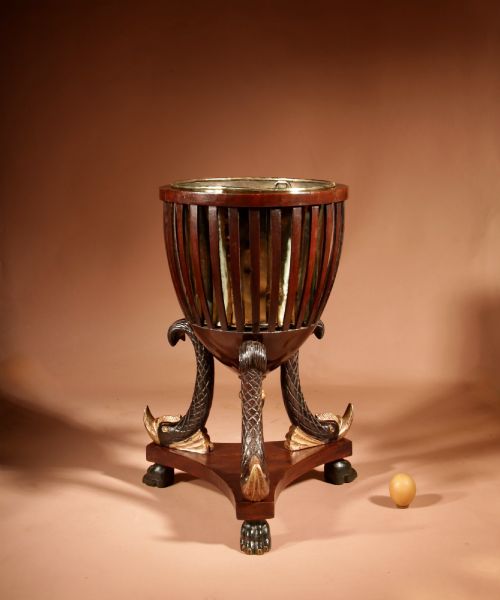
The dominant formats span freestanding wooden stands fitted with brass liners or bindings, alongside wholly metallic vessels resting on dedicated legs. Examples frequently cross paths with wine coolers, cellarettes, and tea stoves, reflecting overlapping domestic uses across the nineteenth and early twentieth centuries.
Materials and Techniques
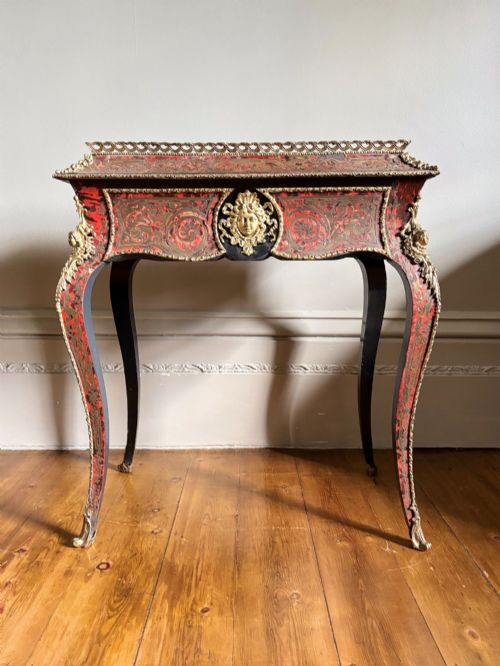
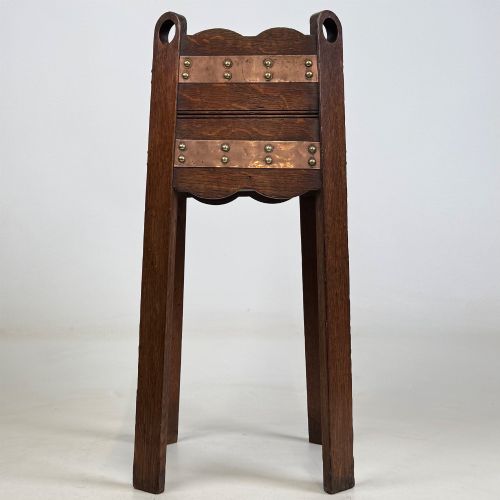
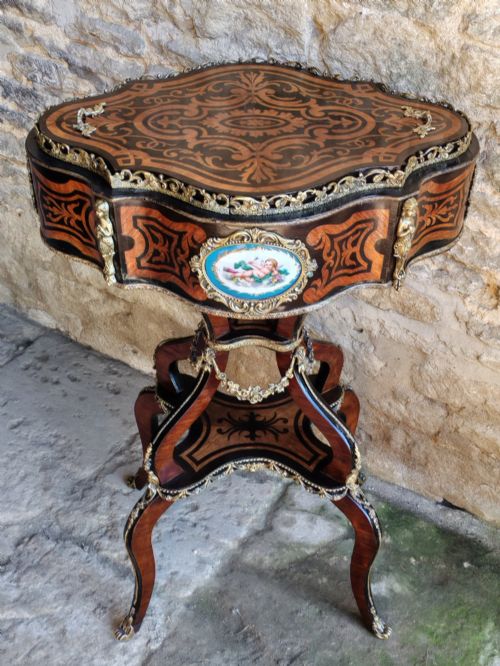
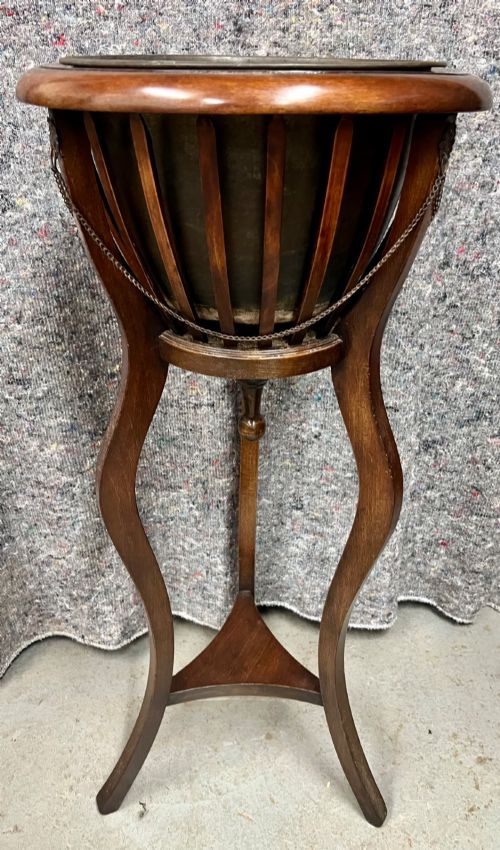
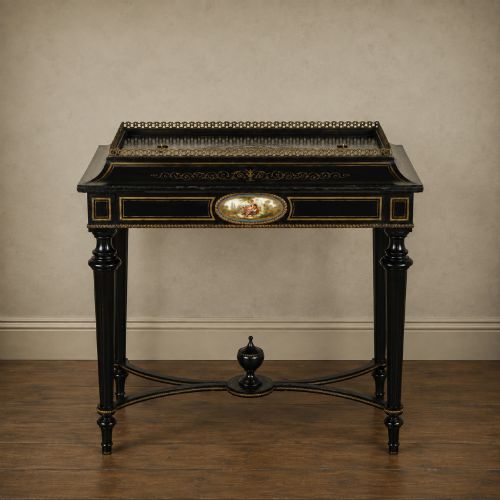
Construction relies heavily on traditional timber framing combined with sheet or cast brass elements. Coopered wooden barrels utilise staves held together by brass bands, while other pieces feature solid mahogany, walnut, or satinwood embellished with ormolu, marquetry, and painted porcelain plaques.
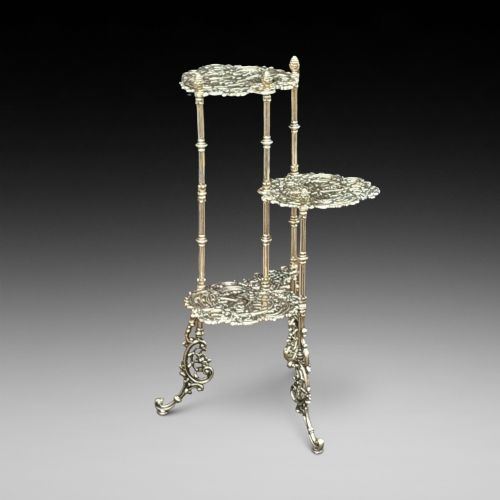
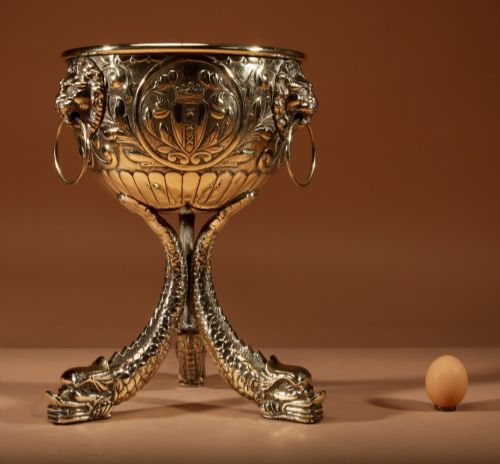
Metalworking techniques encompass embossing, casting, and hand-etching to decorate the brass bodies. Liners are traditionally fitted to protect the timber or metal frames from moisture associated with live plants and ice.
Brass Jardiniere Stand Retail Price Guide 2026
Typical asking prices for brass jardiniere stand among the pieces listed under this phrase on Sellingantiques today, from the lower quarter to the upper quarter. They describe what is for sale here now, not the wider market.
Several stands double as cocktail party accessories, serving historic duties as wine bottle coolers and ice buckets.
Quality Markers
Quality reveals itself in the crispness of brass embossing, the precision of marquetry inlay, and the structural integrity of the timber frame. Pieces that retain their original fitted metal liners and matching stands command stronger attention from collectors.
The integration of secondary decorative elements, such as painted porcelain plaques, ormolu mounts, or intricate coopered stave work, distinguishes standard utilitarian items from finer decorative examples.
Lister and Co
The Brass Jardiniere Stand Glossary
- Jardiniere
- An ornamental pot or stand for holding plants or flowers. These vessels sit independently or integrate directly into a supporting frame.
- Coopered
- Constructed from wooden staves fitted together side by side, typically bound by metal hoops. This technique originates from barrel-making traditions.
- Cellarette
- A lockable container used for storing wine bottles near the dining table. Many examples share forms with plant stands and jardiniere vessels.
- Ormolu
- Gilded bronze applied as a decorative mount on furniture and decorative objects. It appears frequently on French pieces from the nineteenth century.
- Dinanderie
- European brass or bronze wares produced by beating or casting. The term covers various historic hollowware and decorative vessels.
Brass Jardiniere Stand: Frequently Asked Questions
What is a brass jardiniere stand?
A brass jardiniere stand is an elevated container designed specifically to display indoor plants or floral arrangements. They combine metal vessels with supporting wooden or brass frames.
These pieces emerged in various domestic rooms to bring greenery indoors during the nineteenth and early twentieth centuries.
How were these stands used historically?
Households used them primarily to house potted palms, ferns, and flowering plants within entertaining spaces. Some versatile designs also functioned as wine coolers or tea stoves.
Their removable liners protected fine timber frames from water damage during daily plant care.
How do I identify a Victorian piece?
Victorian examples often feature dark hardwoods like walnut or mahogany paired with pressed brass liners or heavy cast mounts. Stylistic clues include revival motifs such as French Rococo influences.
Examination of construction methods, timber patination, and brass ageing helps confirm the nineteenth-century origin.
Are these stands suitable for modern plants?
They accommodate modern potted plants effectively, provided the original metal liner remains watertight or holds a modern inner pot. Using a protective plastic saucer inside the historic liner preserves the antique metal.
Positioning them away from direct heat sources protects the historic wood and metal surfaces.