


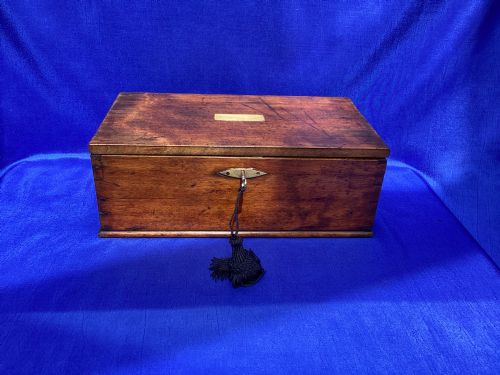

Brass Inlaid Wooden Chest
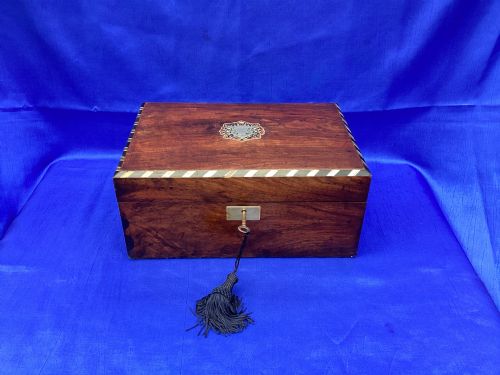
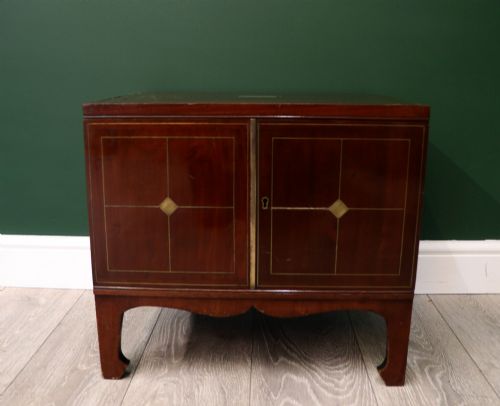
A brass inlaid wooden chest brings together rich timber and sharp metal work, offering a sturdy yet refined storage piece for the home.
Brass Inlaid Wooden Chest
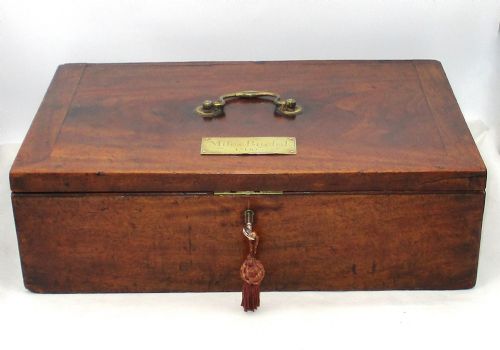
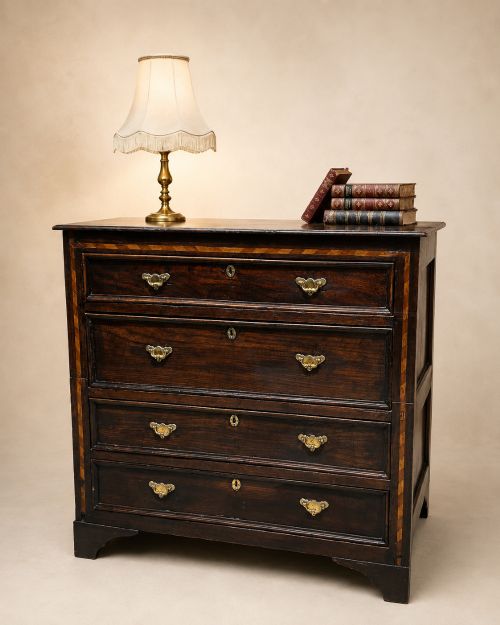
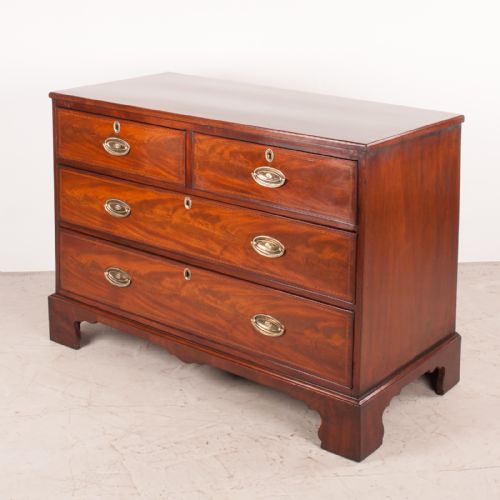
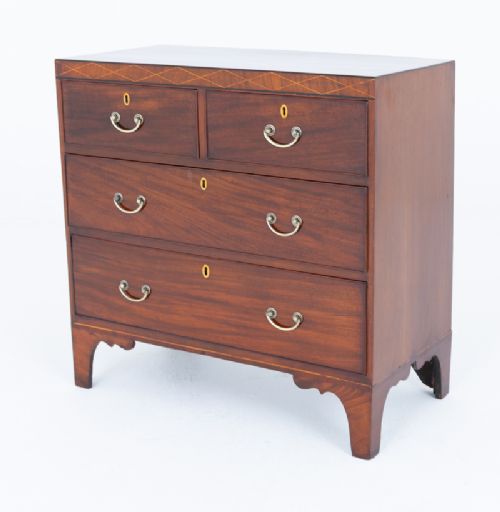
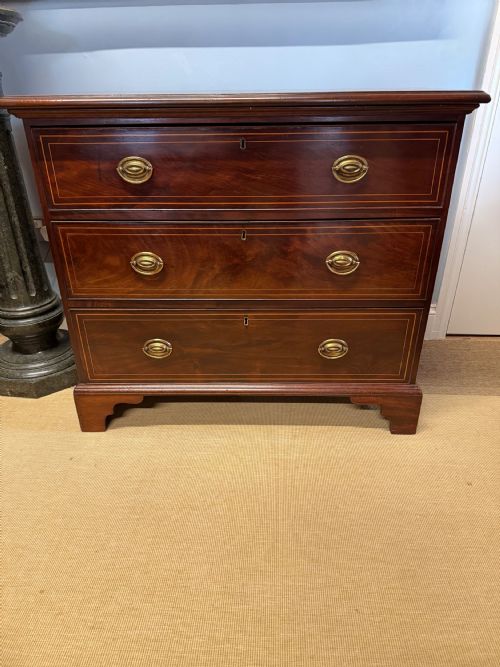
The larger forms include campaign styles and tall chests designed for practical household storage, while smaller caddies and games boxes serve more specialised domestic roles. These pieces span the eighteenth, nineteenth, and early twentieth centuries, reflecting changing tastes in surface ornamentation across British and continental workshops.
Materials and Construction Techniques
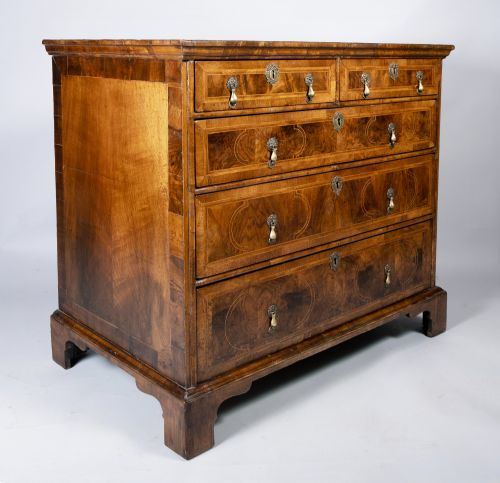
Cabinet makers utilised dense hardwoods such as mahogany, walnut, rosewood, and oak as the primary carcass and veneer materials. These timbers provided a stable, dark background that offered strong visual contrast against bright metal elements.
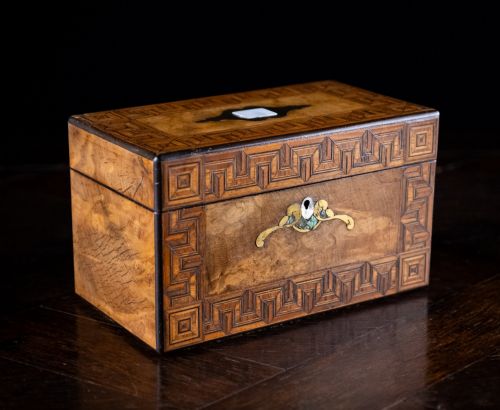
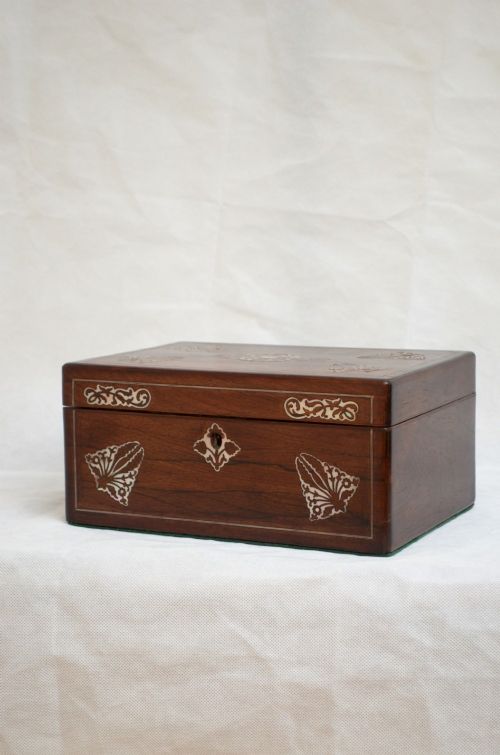
Craftsmen set thin strips and geometric motifs of brass directly into the wooden surfaces, often supplementing the design with boxwood, satinwood, or mother-of-pearl inlay. Joinery methods relied on traditional dovetailing for drawers and robust carcase construction to ensure long-term durability.
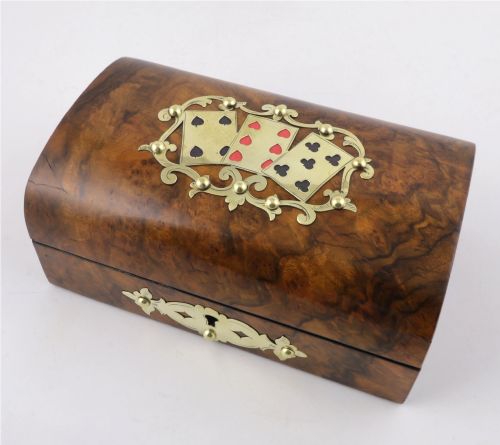
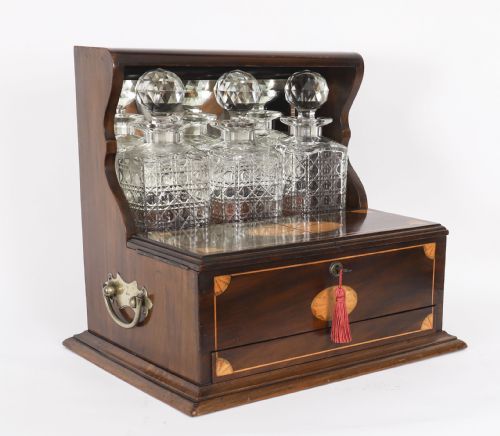
Several boxes on this page were built specifically to house dice, poker chips, and crystal decanters for evening parlour games.
Evaluating Craftsmanship and Detail
Quality rests upon the precision of the brass inlay work and how securely the metal sits flush within the surrounding timber. Finer examples display meticulous hand-cut joinery where intricate stringing and cartouches integrate seamlessly into the grain of the wood.
The choice of underlying veneer also dictates the standard of the piece, with figured mahogany, burr walnut, and rich rosewood marking out higher-grade productions. Interior fittings, such as original silk linings, cut crystal decanters, or fitted compartments, further separate standard utilitarian boxes from superior items.
Mawer and Stephenson·Holtzapffel and Co
The Brass Inlaid Wooden Chest Glossary
- Campaign style
- Furniture designed to dismantle or fold easily for military travel, often reinforced with brass corners and flush carrying handles. These pieces prioritised portability without sacrificing structural integrity.
- Tea caddy
- A small box constructed to store loose tea leaves securely, frequently featuring internal lidded compartments and lockable lids. They reflect the high value once placed on imported tea.
- Parquetry
- A geometric mosaic of wood veneer arranged in repeating patterns across a flat surface. It provides textural variety and showcases the precision of the cabinet maker.
- Tantalus
- A locked wooden stand holding decanters visible to the eye but restrained from removal without a key. This allowed hosts to control access to spirits.
- Crossbanding
- A border strip of veneer laid around the perimeter of a tabletop or drawer front with the grain running perpendicular to the central panel. It creates a neat visual frame for the main timber.
Brass Inlaid Wooden Chest: Frequently Asked Questions
What is a brass inlaid wooden chest?
A brass inlaid wooden chest is a storage piece, ranging from a large drawer unit to a small tea caddy, decorated with metal stringing or mounts.
These items utilise dense timbers like mahogany and rosewood to provide a dark, contrasting background for the bright metal details.
How were tea caddies used historically?
Tea caddies served to store expensive tea leaves securely under lock and key in the domestic parlour.
Interior compartments kept different varieties separate, protecting the valuable dry goods from moisture and pilfering.
How do I distinguish Regency from Victorian pieces?
Regency items typically date from the early nineteenth century, displaying clean classical proportions, brass stringing, and restrained rosewood or mahogany veneers.
Victorian examples often feature heavier proportions, darker finishes, and more elaborate combinations of satinwood crossbanding or mother-of-pearl.
How should I care for an antique wooden chest?
Keep wooden chests away from direct sunlight and sudden temperature shifts to prevent the timber and brass inlay from warping or lifting.
Apply occasional traditional wax polish to nourish the grain and protect the surface without sealing the wood.