
Brass Inlaid Table Clock
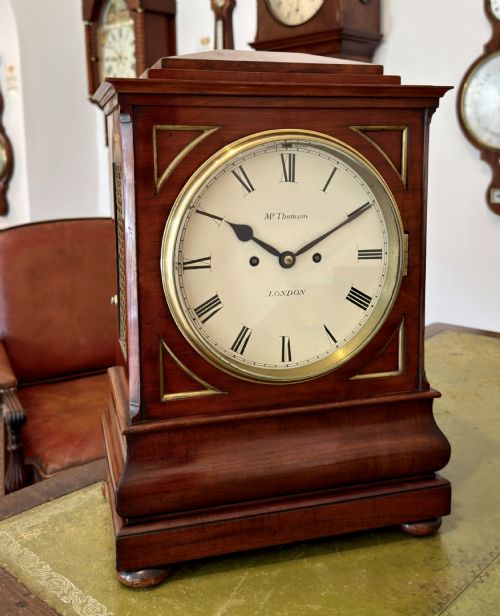
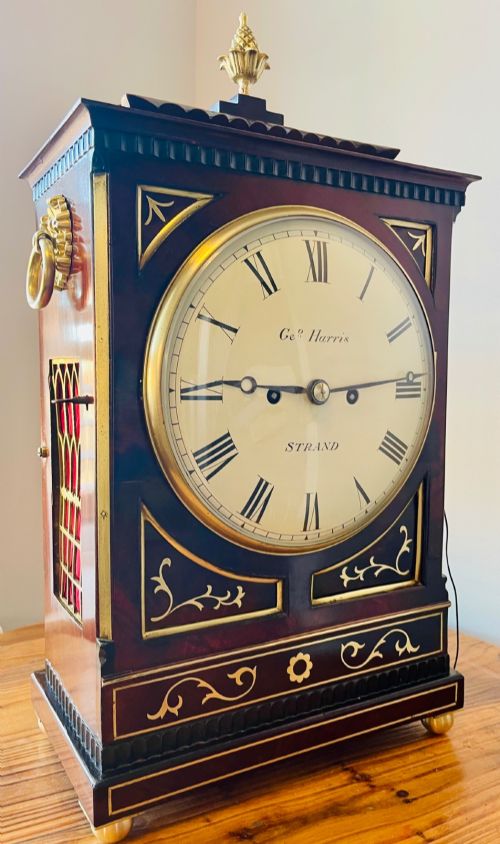
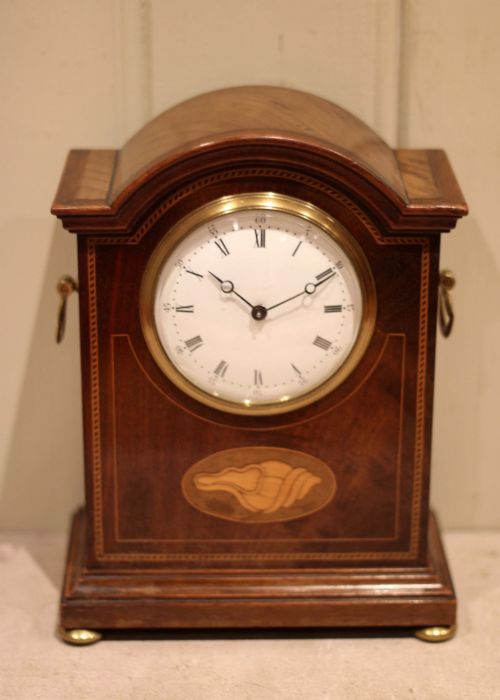
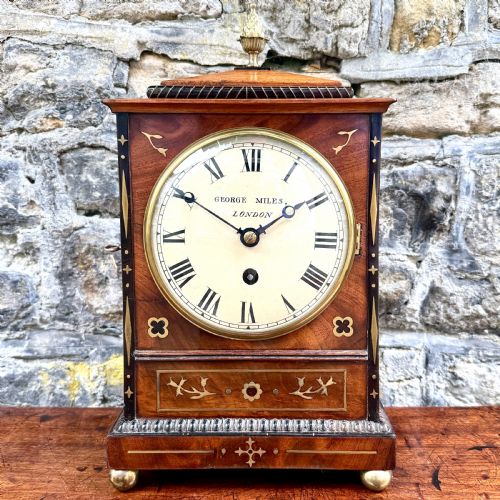
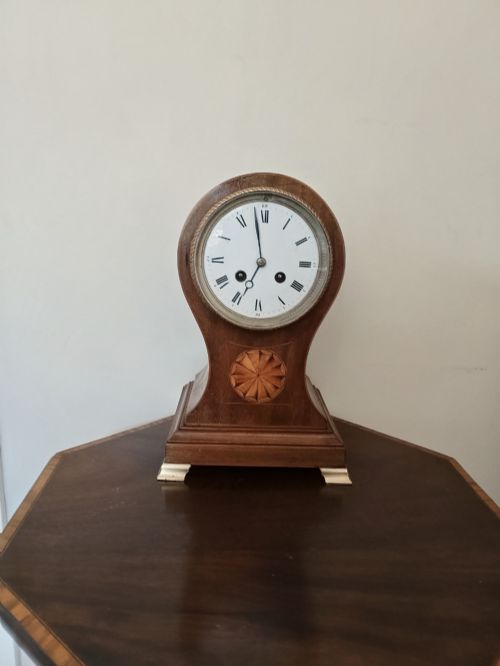
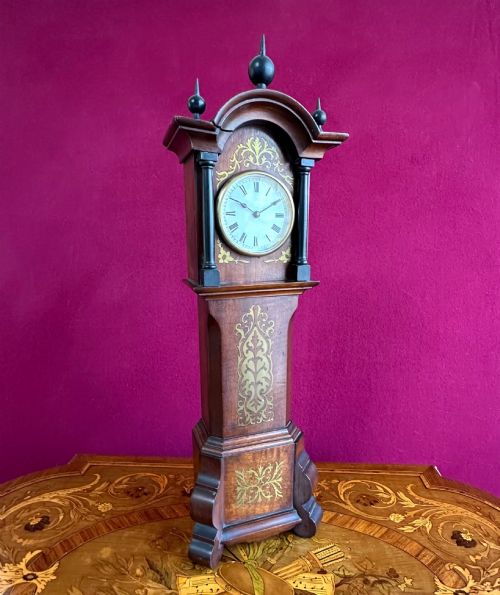
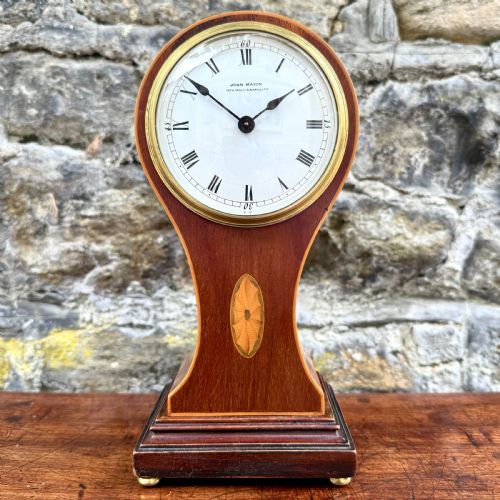
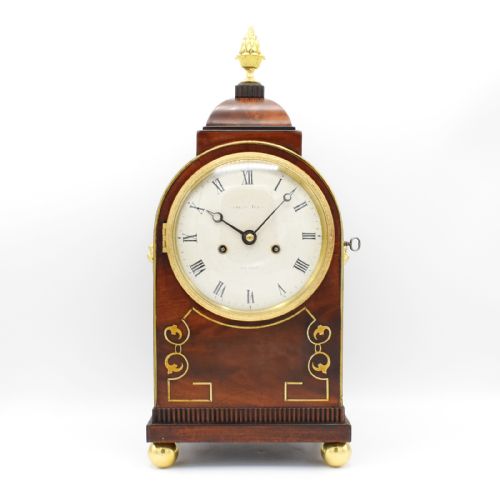
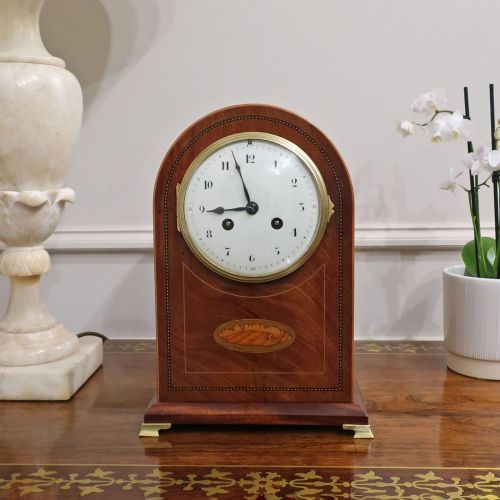
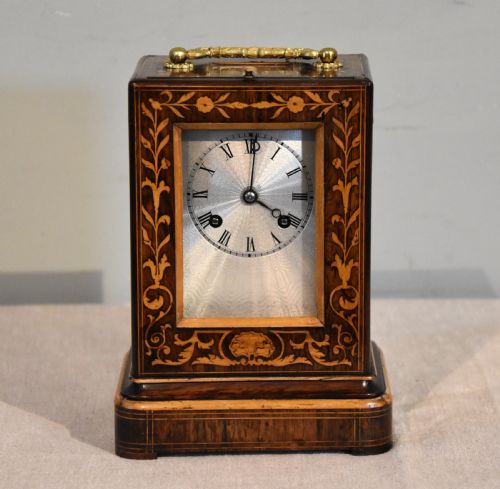
These brass inlaid table clock examples unite cabinetmaking and horology, offering neat proportions and refined brass detail for the mantel or desk.
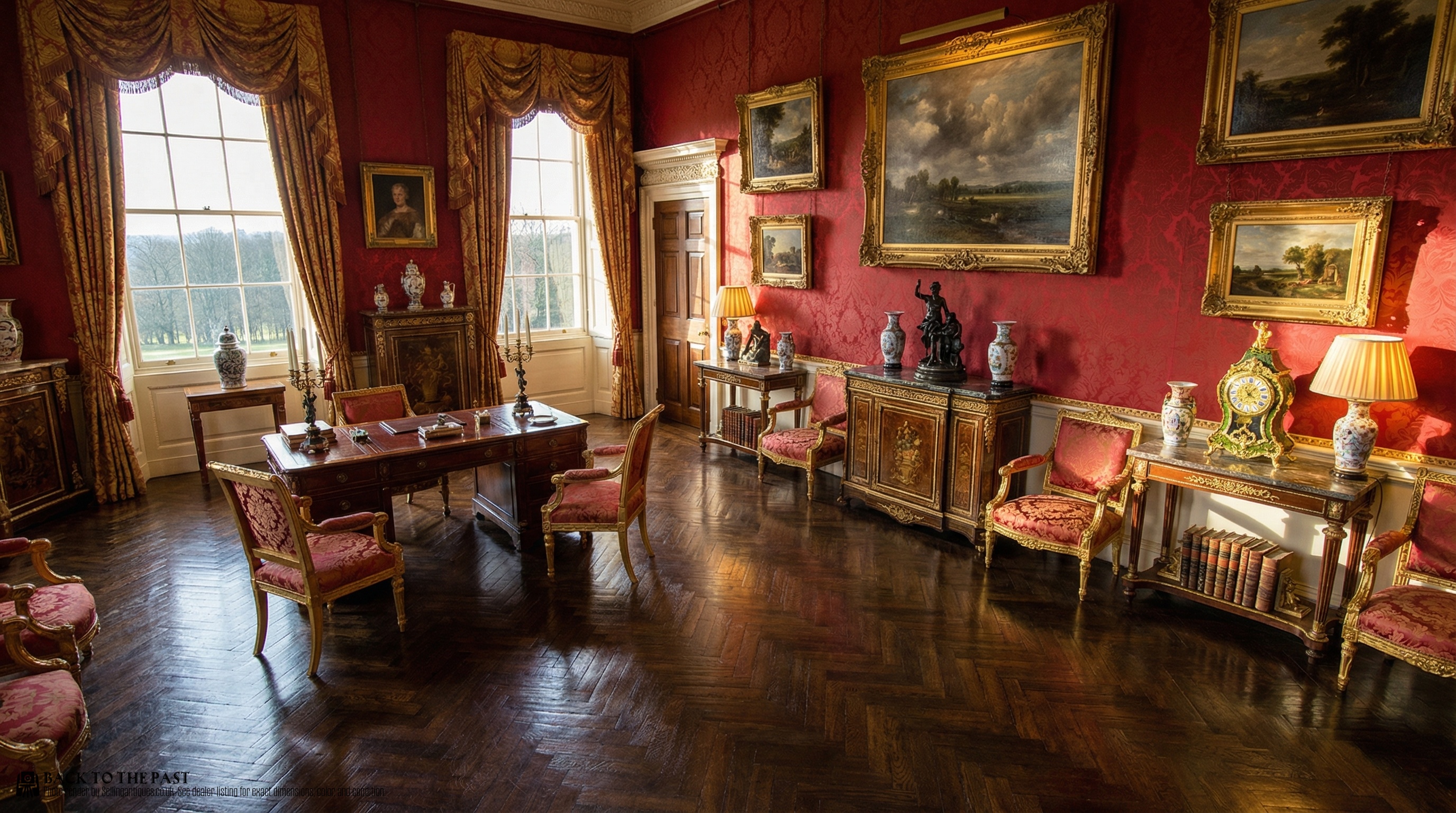
Brass Inlaid Table Clock
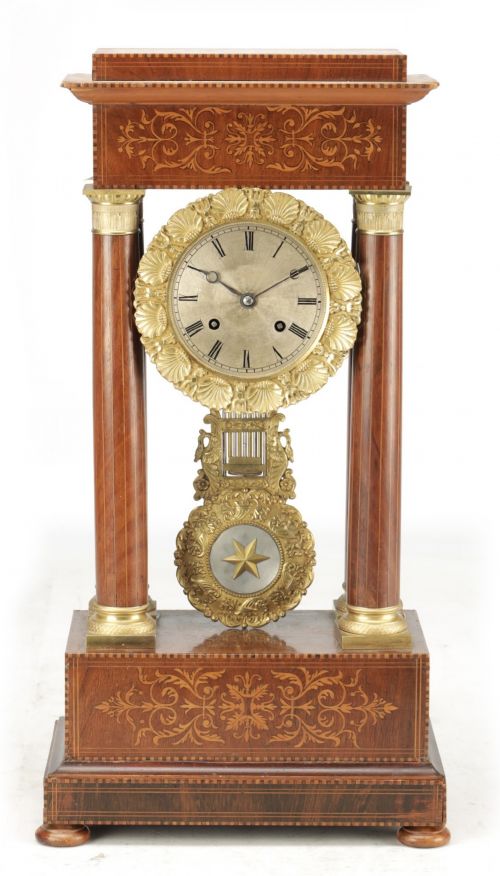
When you search for a brass inlaid table clock, you encounter portable timepieces designed for the mantel, bracket, or library shelf. The selection spans Georgian, Regency, Victorian, and Edwardian periods, alongside French mantel and portico forms.
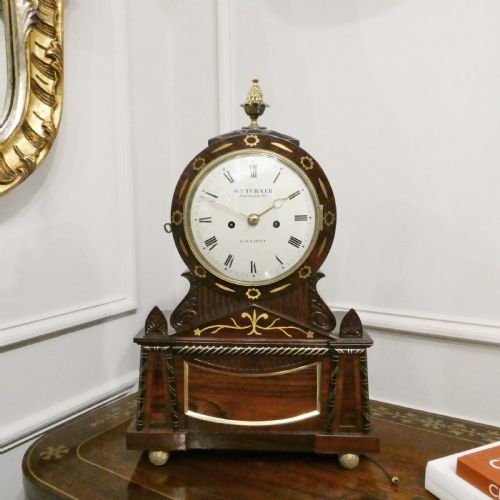
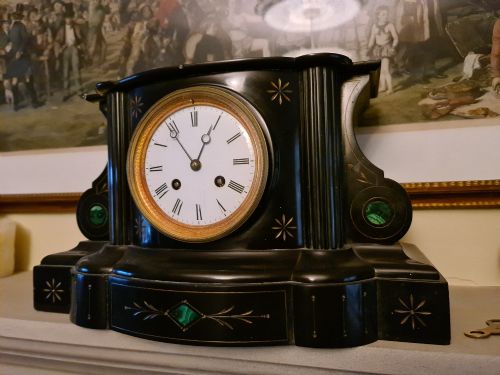
The English examples lean towards mahogany and rosewood bracket clocks with pad tops, whilst the continental pieces often present French Boullework, rosewood, or portico architecture. Most items function as mantel clocks, bracket clocks, or library timepieces.
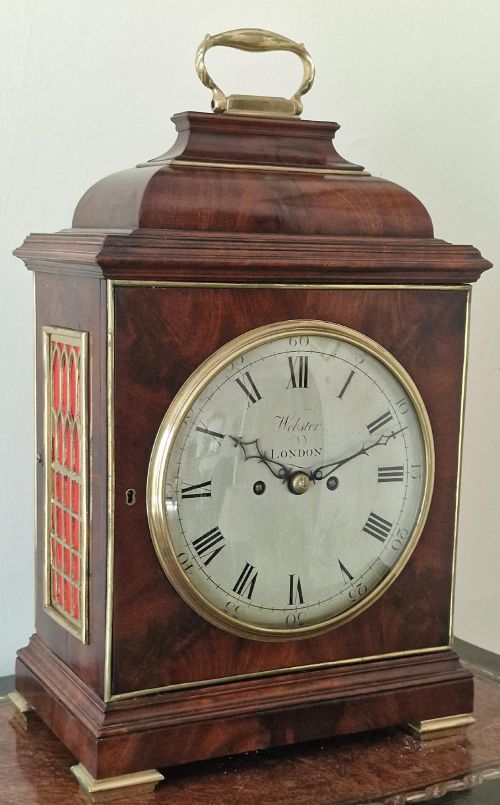
Makers recorded in the evidence range from London horologists such as Thomson, Webster, Charles Pratt, Bush, and Cording to regional names like Turner of London, Seller of Reading, and Bryson of Edinburgh.

How they were made
Cabinetmakers constructed the outer cases primarily from dense tropical hardwoods like mahogany and rosewood, frequently selecting satinwood, boxwood, ebony, and lemon wood for contrasting stringing and geometric details.
Brass formed the focal decorative element, appearing as precise stringing, floral scrollwork, cast ormolu mounts, and glazed bezels protecting enamelled or metal dials.
Clockmakers fitted mechanical fusee, striking, or timepiece movements inside these wooden housings, relying on glass panels and hinged doors to permit access to the escapement.
Brass Inlaid Table Clock Retail Price Guide 2026
Typical asking prices for brass inlaid table clock among the pieces listed under this phrase on Sellingantiques today, from the lower quarter to the upper quarter. They describe what is for sale here now, not the wider market.
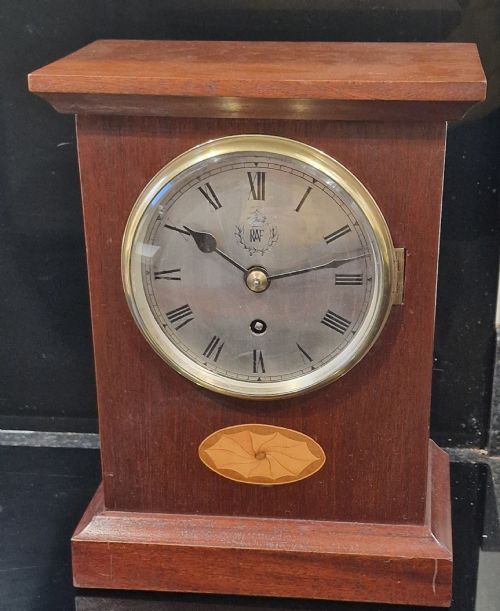
One unexpected military entry recorded here kept time in a wartime officers mess during nineteen thirty-eight.
What varies in quality
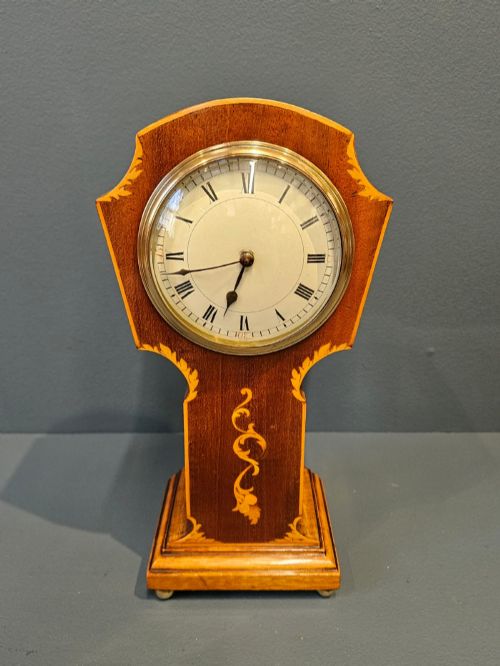
The standard of craftsmanship rests upon the crispness of the brass inlay against the dark timber and the complexity of the cabinet form, whether a simple balloon mantel shape or a robust double-pad bracket top.
The reputation of the maker dictates much of the standing, with signed dials and backplates by established London or provincial watchmakers commanding greater attention than unsigned pieces.
Material selection and decorative enrichment, such as integrated ormolu mounts, lemon wood stringing, or elaborate Boulle brass and tortoiseshell marquetry, elevate certain examples above standard domestic timepieces.
Thomson of London·Webster London·Charles Pratt London·Turner of London·George Orpwood·Bush of London·L Vick of Stroud·Seller of Reading·Thomas Moss·S Simpson Southampton·Cording of London·Bryson Edinburgh·John Bull of Bedford
The Brass Inlaid Table Clock Glossary
- Bracket clock
- A portable timekeeper originally designed to sit on a wall bracket to distribute sound effectively throughout a room. Later versions sat comfortably on tables or mantelpieces.
- Fusee
- A conical pulley connected to the mainspring by a cord or chain, designed to equalise the driving force as the spring unwinds. This mechanism ensures more consistent timekeeping.
- Portico clock
- A striking architectural mantel clock styled like a classical temple with columns supporting the movement housing. They often feature French styling and wood veneers.
- Boullework
- A type of marquetry consisting of brass and tortoiseshell inlaid in contrasting patterns. Named after the French cabinetmaker André-Charles Boulle, it is frequently seen on French nineteenth-century pieces.
- Pad top
- A raised, domed section on the upper case of a bracket clock, appearing as single, double, or arched variations. It provides a finished architectural profile to mahogany and rosewood designs.
Brass Inlaid Table Clock: Frequently Asked Questions
What is a brass inlaid table clock?
It is a portable mechanical timekeeper housed in a wooden cabinet decorated with brass stringing or marquetry. These pieces were built for desks, shelves, and mantelpieces across the eighteenth, nineteenth, and early twentieth centuries.
They combine the precision of mechanical clock movements with the decorative arts of cabinetmaking, utilising timbers such as mahogany and rosewood alongside polished brass detailing.
Where were they placed in a home?
Owners typically placed them on mantelpieces, library tables, entrance hall furniture, or dedicated wall brackets. Their compact proportions allowed them to be moved easily between rooms as needed.
Because many incorporated striking movements or bells, placing them on solid surfaces helped project the sound clearly through the household.
How do I tell an English bracket clock from a French mantel clock?
English examples often feature architectural mahogany or rosewood cases with pad tops, brass carrying handles, and signed dial plates. They emphasise clean wood grains and precise geometric brass stringing.
French pieces frequently display more flamboyant styling, such as portico columns, ormolu mounts, or intricate Boullework veneer. Their silhouettes often embrace balloon, architectural, or Louis-Philippe forms.
What woods were used for the cases?
Makers relied heavily on mahogany and rosewood for the primary structure of the clock cases. These durable hardwoods provided a dark, stable background that contrasted sharply with polished brass inlay.
Secondary woods like satinwood, boxwood, ebony, and lemon wood appeared in finer examples for intricate stringing, banding, and decorative geometric motifs.