
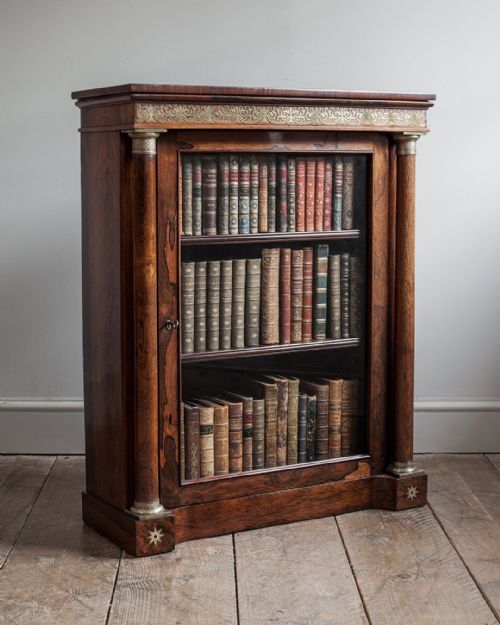
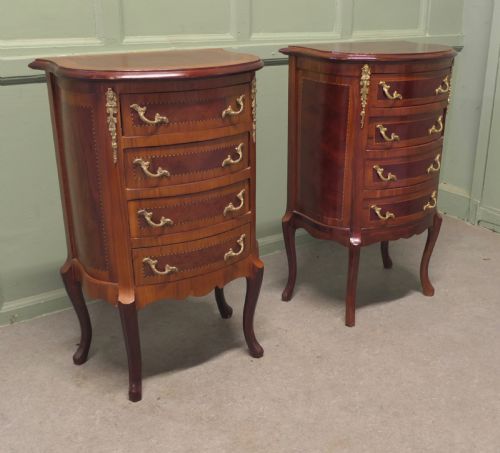
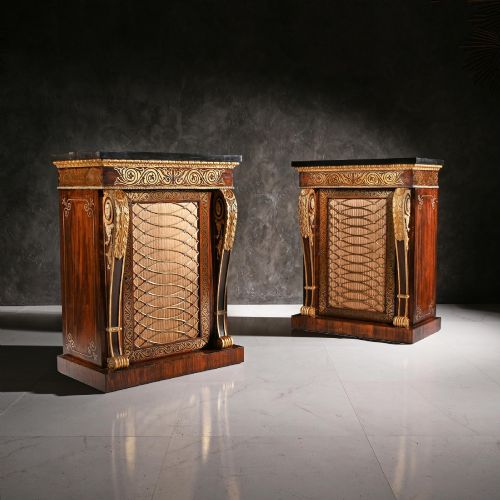
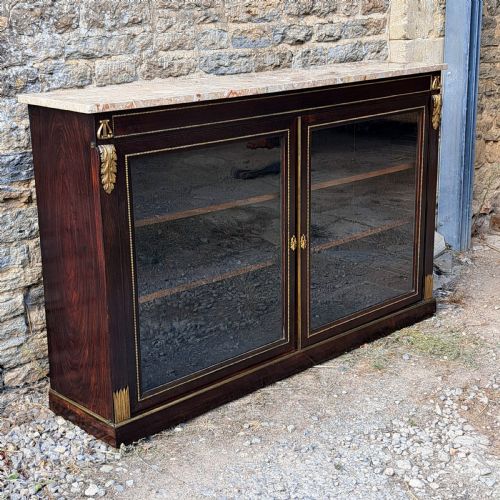
Brass Inlaid Side Cabinet
A brass inlaid side cabinet brings structural elegance and gleaming metalwork into a room, offering both display surface and enclosed storage.
Brass Inlaid Side Cabinet
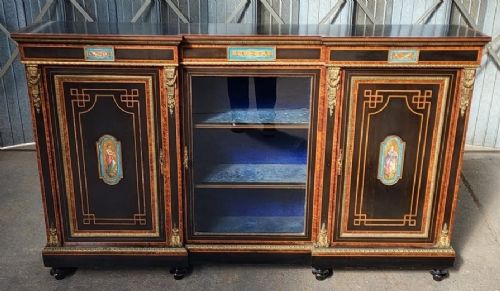
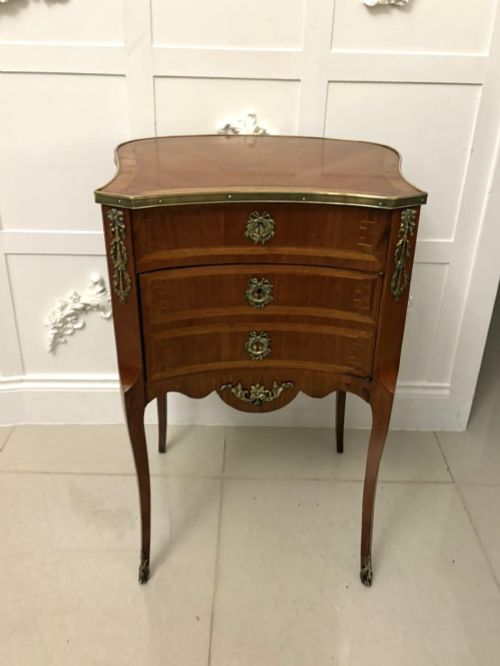
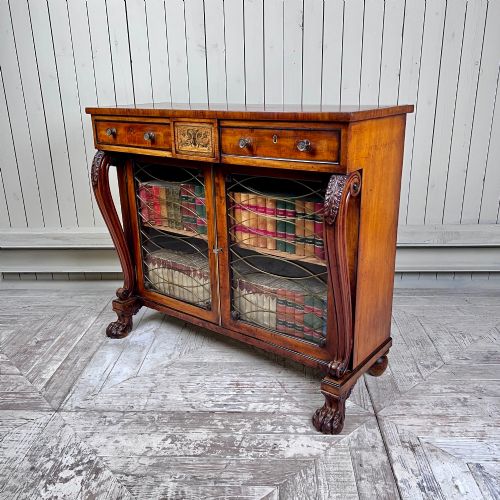
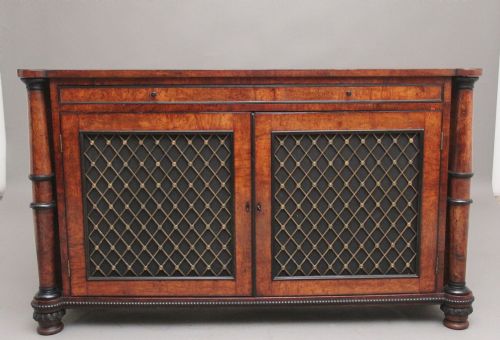
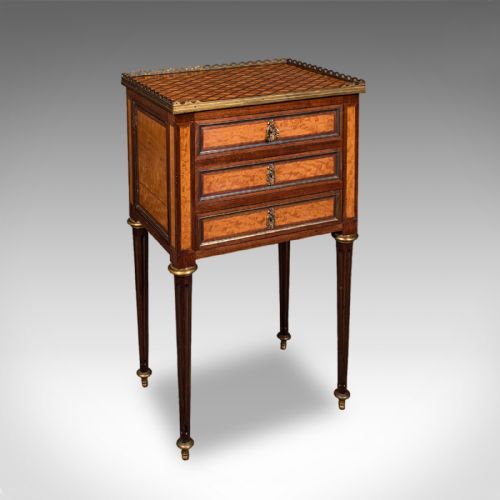
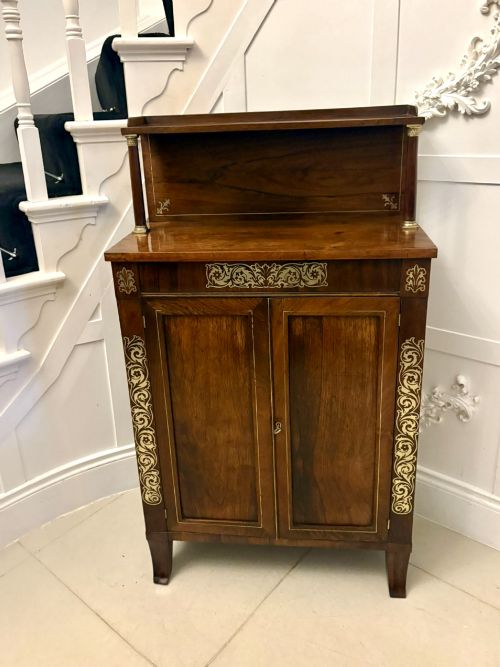
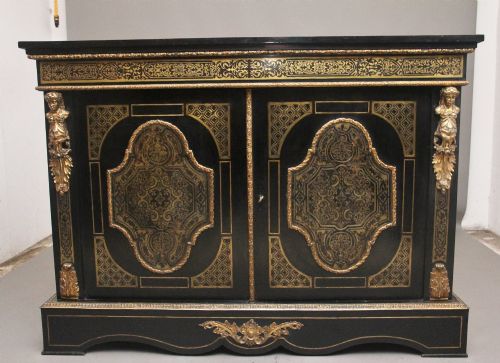
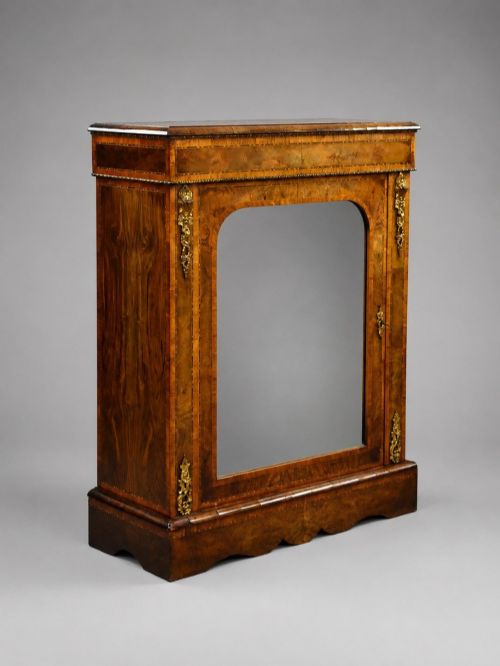
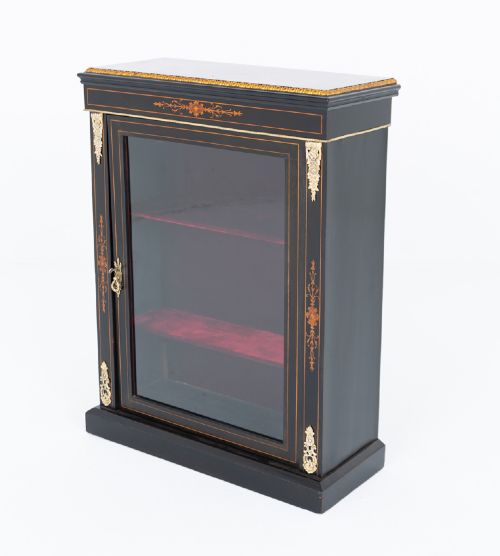
A brass inlaid side cabinet is a versatile piece designed for storage and display, appearing frequently across the Regency and Victorian periods. You will encounter these items in rosewood, mahogany, and ebonised timber.
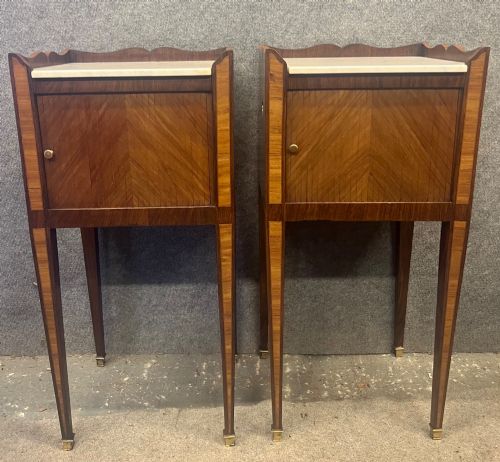
The form encompasses chiffoniers, bookcases, and low sideboards, often standing on turned feet or fitted with glazed and brass grille doors. Many examples incorporate marble tops alongside their intricate metal decoration.
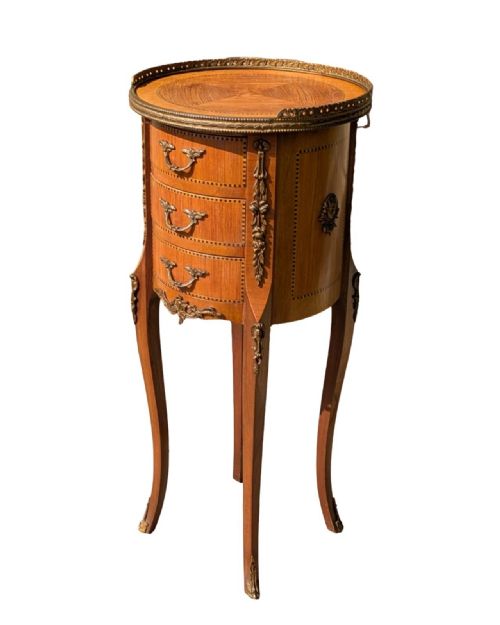
Originating predominantly from British and French workshops, these cabinets combine architectural presence with refined cabinetmaking. The brass inlay defines panels, borders, and classical motifs across the front and sides.
Markers of Quality
Quality rests in the precision of the metalwork inlay and the selection of the underlying wood veneer. Tighter joints, balanced grain patterns, and crisp casting on mounts separate finer productions from standard workshop output.
The integration of secondary materials like marble tops, mirrored backs, or fine brass grilles elevates the piece. Maker attribution and well-preserved original patination also distinguish superior examples.
Brass Inlaid Side Cabinet Retail Price Guide 2026
Typical asking prices for brass inlaid side cabinet among the pieces listed under this phrase on Sellingantiques today, from the lower quarter to the upper quarter. They describe what is for sale here now, not the wider market.
The documented pieces span the Regency, Victorian, and French Napoleon III stylistic traditions.
Gillows of Lancaster·Pitcher·Harrods
The Brass Inlaid Side Cabinet Glossary
- Chiffonier
- A low cabinet with doors, often fitted with a shelf on the upper surface supported by pillars. This form developed significantly during the Regency era.
- Ormolu
- Gilded bronze used for decorative mounts and feet on furniture. It adds a bright metallic contrast to dark woods.
- Marquetry
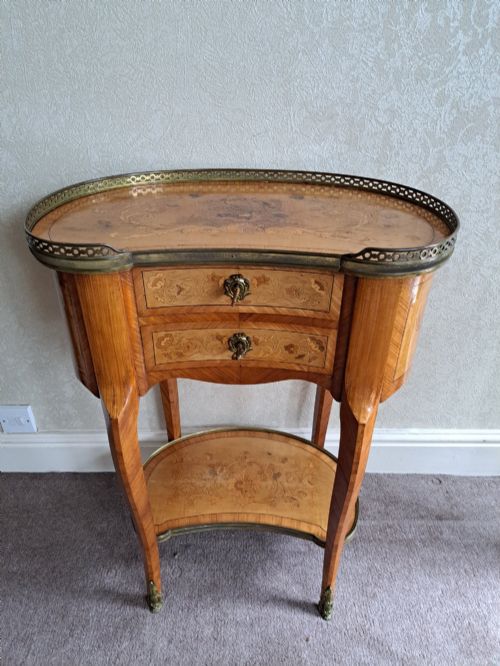
- The art of applying pieces of veneer to a structure to form decorative patterns and pictures. It frequently accompanies brass inlay on Victorian examples.
- Ebonised
- Wood finished to resemble ebony through staining or painting. This dark surface makes brass inlay stand out sharply.
- Grille
- A lattice of metal wire fitted into cabinet doors instead of glass. It allows ventilation while concealing the contents.
Brass Inlaid Side Cabinet: Frequently Asked Questions
What periods do these cabinets come from?
The pieces span the Regency, George IV, and Victorian periods, with dates generally clustering around the early to late nineteenth century.
French pieces also extend into later decades, reflecting Continental design revivals.
How do I care for a rosewood and brass cabinet?
Keep the wood nourished with appropriate wax and avoid placing the cabinet in direct sunlight or near heat sources, which can dry the veneers.
Polish the brass gently with a dry cloth to prevent the cleaning agents from marking the surrounding timber.
Were marble tops original to these cabinets?
Marble tops appear frequently on both Regency dwarf bookcases and Victorian side cabinets, often specified for durability and surface coolness.
French cabinets also utilise marble extensively as a functional and decorative upper surface.
How do I distinguish Regency from Victorian examples?
Regency cabinets typically feature restrained classical lines, rosewood veneers, and precise brass line inlay.
Victorian pieces often introduce ebonised finishes, heavier mouldings, marquetry, and more eclectic revival styles.