
Regency Period Cabinet
A regency period cabinet brings architectural symmetry and rich timber grain to a room, offering both display space and refined storage.
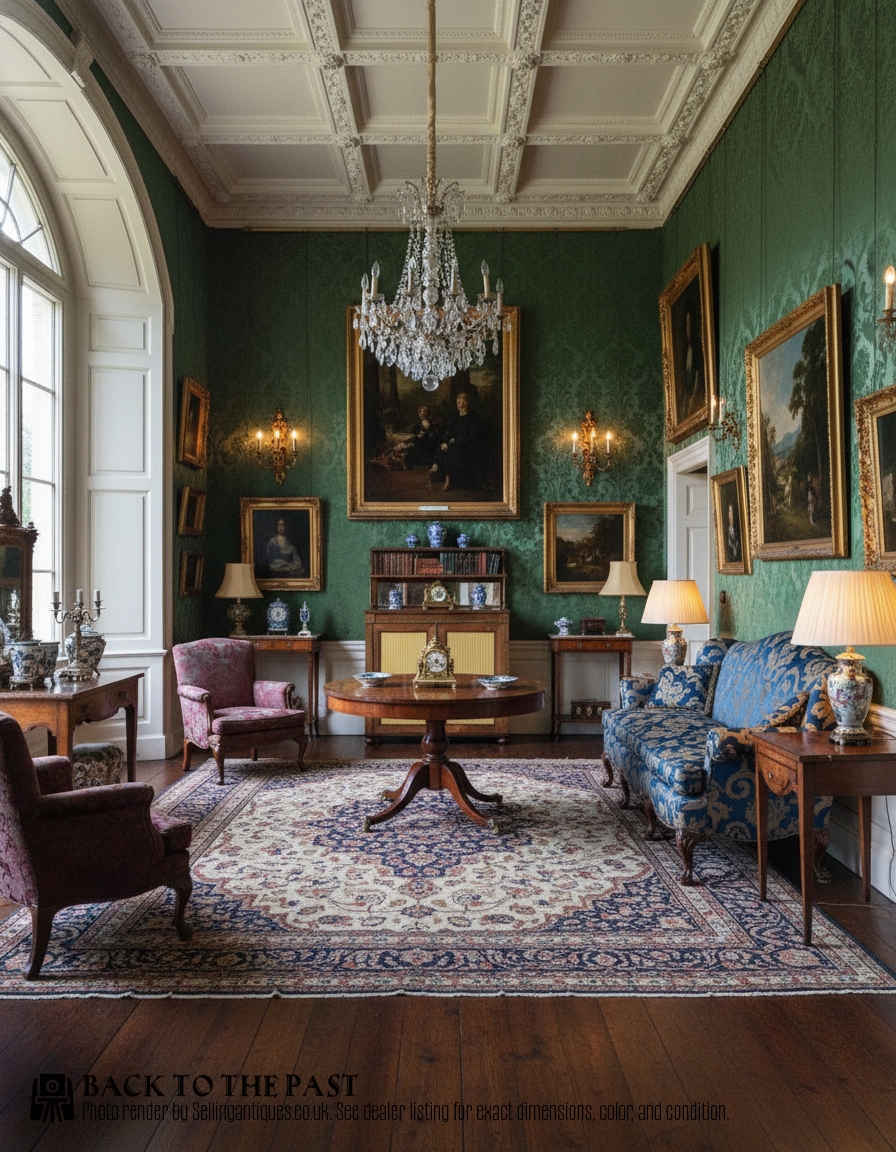
What a regency period cabinet is
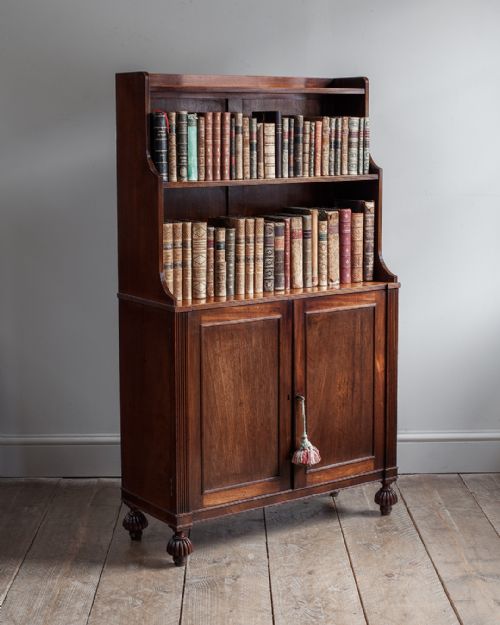
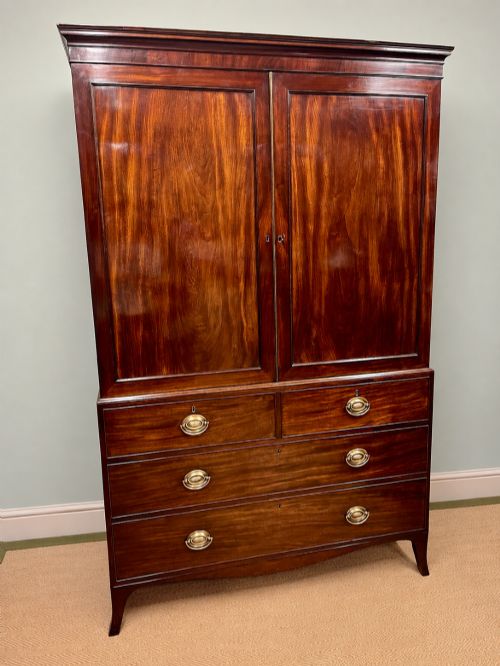
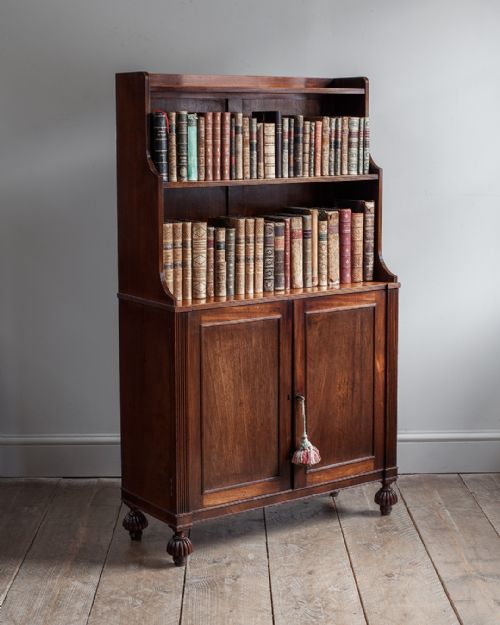
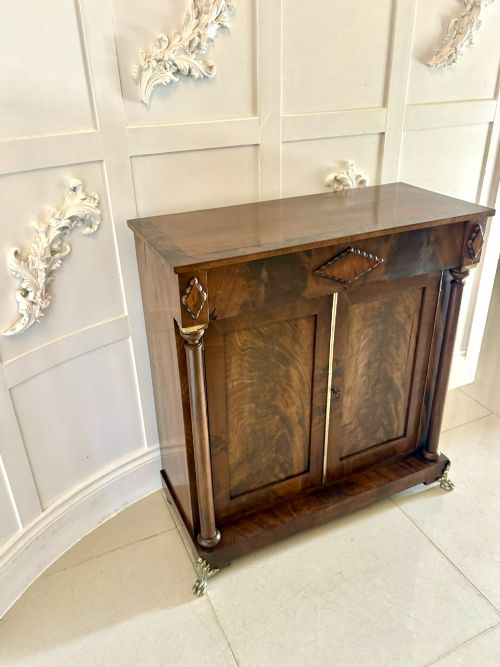
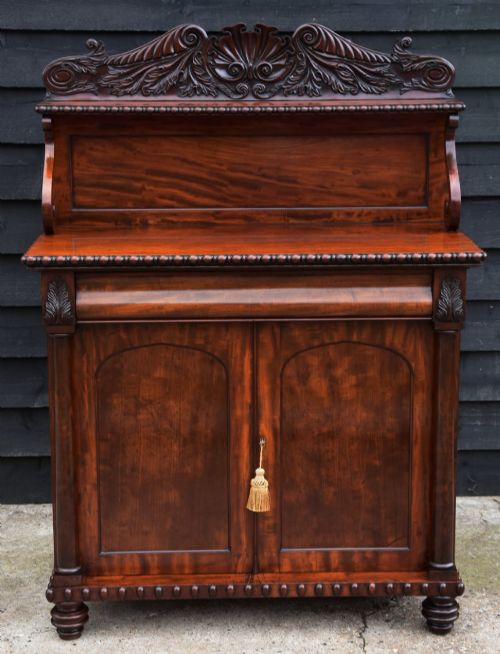
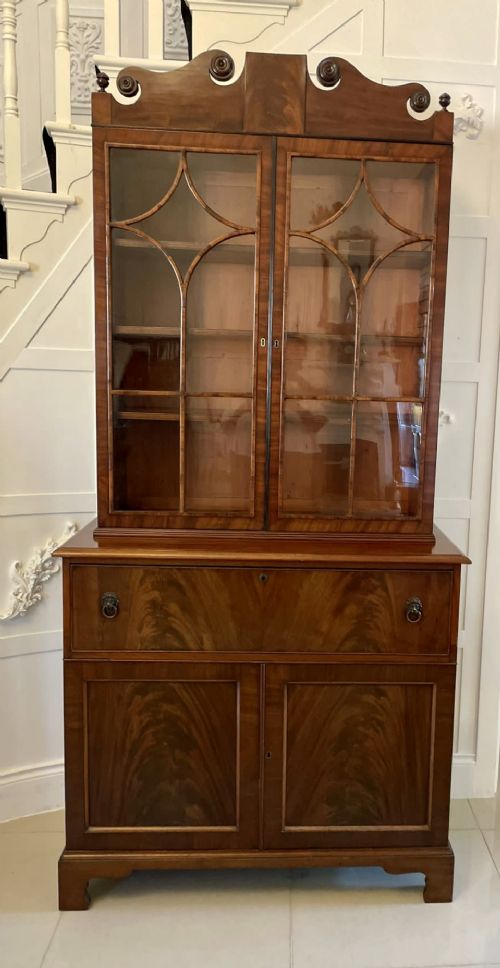
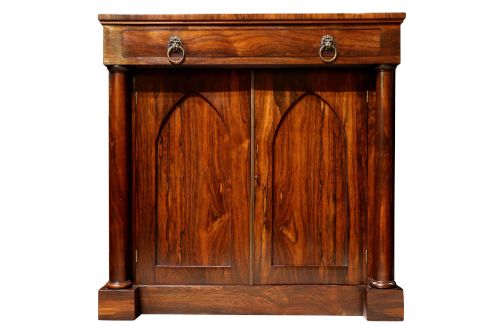
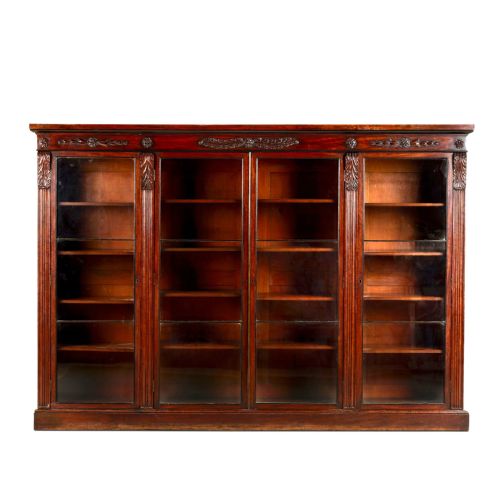
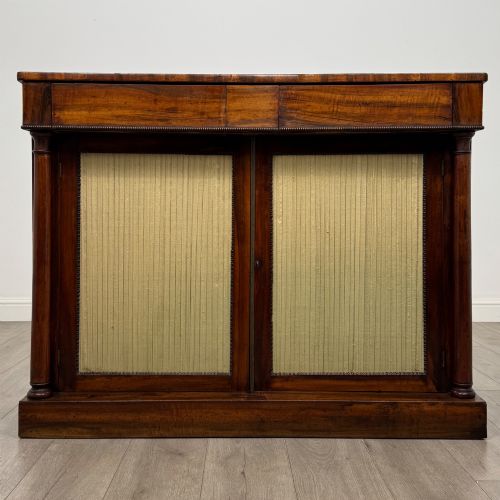
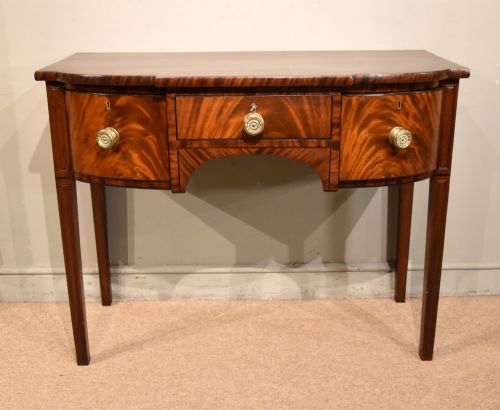
A regency period cabinet encompasses diverse forms designed for display and storage during the early nineteenth century. You encounter side cabinets, dwarf bookcases, chiffoniers and secretaire bookcases spanning both the Regency and George IV periods.
Mahogany and rosewood dominate the surviving pieces, frequently embellished with brass inlay or gilt decoration. These items range from compact bedside units to large breakfront library cabinets with glazed or brass grill doors.
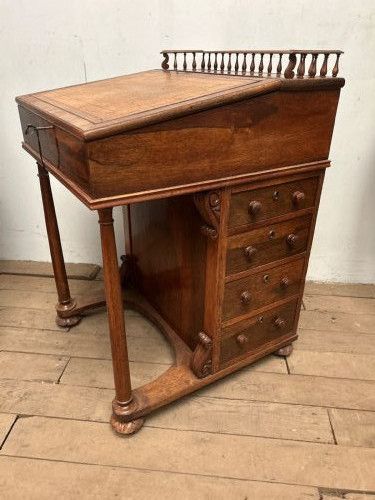
The aesthetic relies on classical proportions and restrained ornament rather than heavy carving. Many examples demonstrate clever multifunctionality, such as pull-out writing drawers or open shelving combined with enclosed lower cupboards.
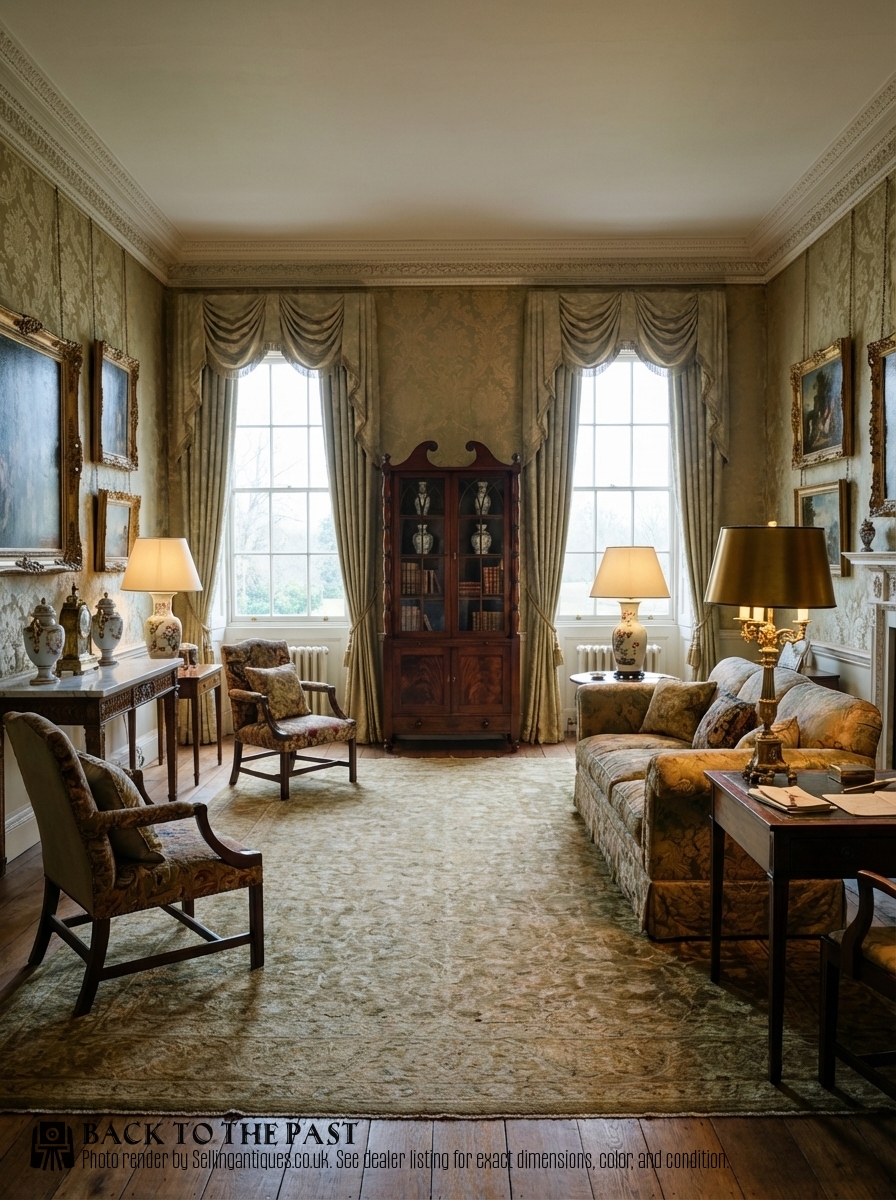
Materials and construction
Cabinet makers utilised dense hardwoods like mahogany and rosewood, alongside alternative finishes including simulated rosewood, amboyna and thuya wood. Timber selection dictated the character of the piece, often displaying striking natural grain patterns.
Decoration relied heavily on brass inlay, ormolu mounts and gilt detailing, contrasting sharply against the dark background timbers. Glazing bars formed intricate geometric patterns across bookcase doors, while interiors frequently concealed fitted drawers and adjustable shelving.
Retail Price Guide 2026
Typical UK retail prices for regency period cabinet, calculated from the Sellingantiques database of over a million retail prices indexed since 2003. This retail price guide relies exclusively on Sellingantiques data; no external sources or auction records are used, so the figures do not describe the wider market.
Surviving object forms range from compact bedside cabinets and chiffoniers to large breakfront library bookcases.
Distinctions in quality
Proportion and architectural balance set exceptional pieces apart from standard workshop output. Refined execution in the turning of feet, the alignment of cabinet doors and the integrity of original brasses distinguish the highest tier.
Gillow·George Simpson·Pitcher
The Regency Period Cabinet Glossary
- Chiffonier
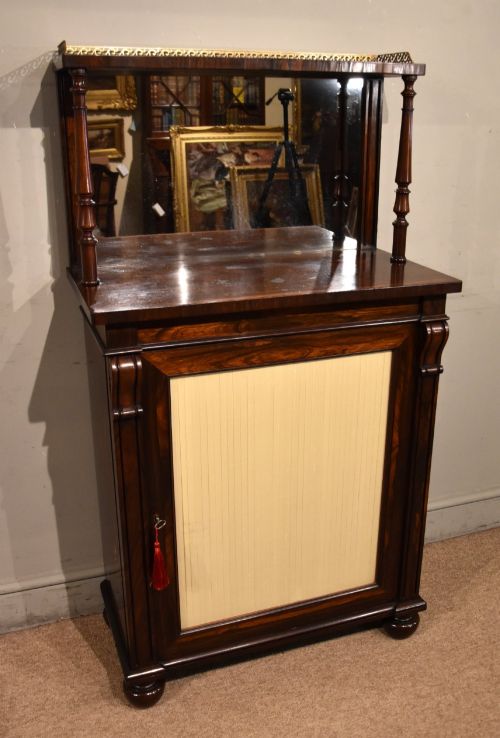
- A low cabinet featuring enclosed cupboards below, often with a raised shelf or mirrored superstructure above. This form gained popularity during the Regency era for dining rooms and parlours.
- Breakfront
- A cabinet design where the central section projects forward from the flanking wings. This architectural arrangement creates depth and visual interest across larger library and display pieces.
- Dwarf bookcase
- A low open or glazed shelving unit designed to sit beneath dado height. These pieces allowed books to be displayed without dominating the wall space of a room.
- Ormolu
- Gilded bronze mounts applied to furniture for decorative enrichment. The technique required mercury amalgamation to bond gold leaf to cast bronze.
- Secretaire
- A writing cabinet incorporating a fitted drop-front drawer that conceals small pigeonholes and letter compartments. It combines the utility of a desk with the storage of a bookcase.
Frequently Asked Questions
How do I spot a true Regency cabinet?
Authentic Regency pieces exhibit classical proportions, specific timber choices such as flame mahogany or rosewood, and period-appropriate brass inlay or mounts. Construction details like hand-cut dovetails and secondary woods help confirm the date.
Examine the overall design for architectural influences typical of the early nineteenth century, including reeded columns, brass grilles, and sabre legs.
What is a chiffonier cabinet used for?
A chiffonier served as a versatile sideboard piece in Regency dining rooms and living spaces, used for storing serving silver, linens, or books. The lower cupboards kept items hidden while the top surface provided space for display.
Many examples include a small shelved superstructure or mirror back, reflecting the functional evolution of dining furniture during the period.
How should I care for a rosewood cabinet?
Protect antique rosewood and mahogany from direct sunlight and dramatic humidity shifts to prevent timber splitting and veneer lifting. Dust regularly with a soft, dry cloth and avoid modern silicone polishes.
Feed the wood periodically with traditional beeswax to maintain the natural lustre of the grain and protect the polished surface.
Are brass grill doors original?
Many Regency bookcases and display cabinets feature brass wire grilles backed with pleated silk, designed to protect valuable book collections while allowing ventilation. Original grilles show consistent patination and hand-formed wirework.
Inspect the interior rebate of the door frame to ensure the mesh was integrated during the initial construction rather than added later.
What is the difference between George IV and Regency styles?
The Regency style, spanning the Regency regency and early reign of George IV, favours slender proportions, classical restraint, and delicate brass inlay. As the period progressed into the 1820s and 1830s under George IV, designs often grew heavier and more robust.
Later pieces frequently incorporate more flamboyant carved ornamentation and denser use of exotic veneers like thuya and amboyna.