
Brass Handle Walnut Chest
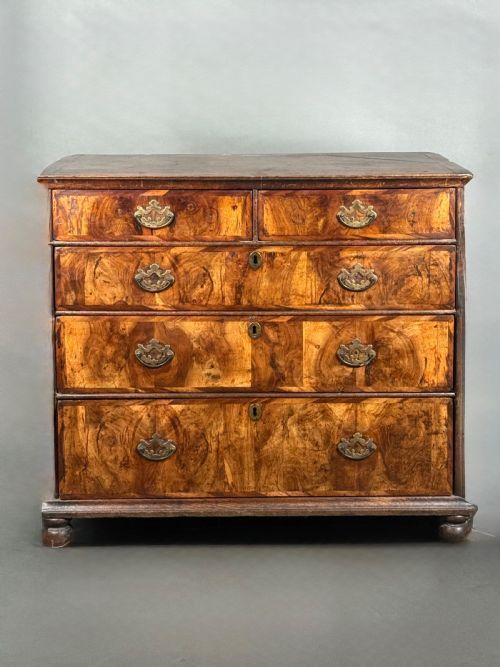
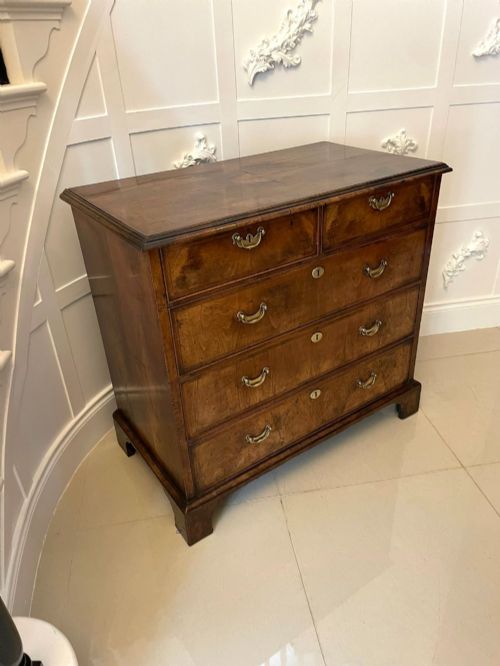
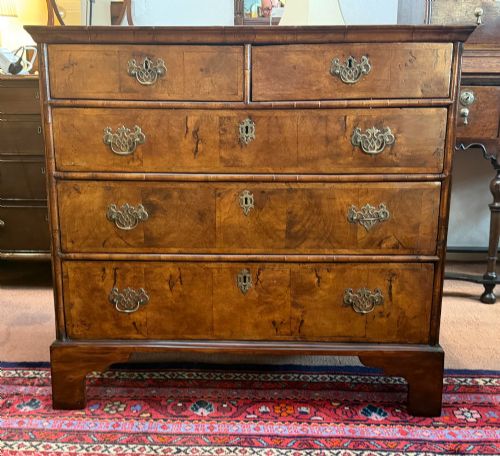
A brass handle walnut chest brings rich grain and substantial metalwork to a room, offering enduring storage through centuries of craftsmanship.
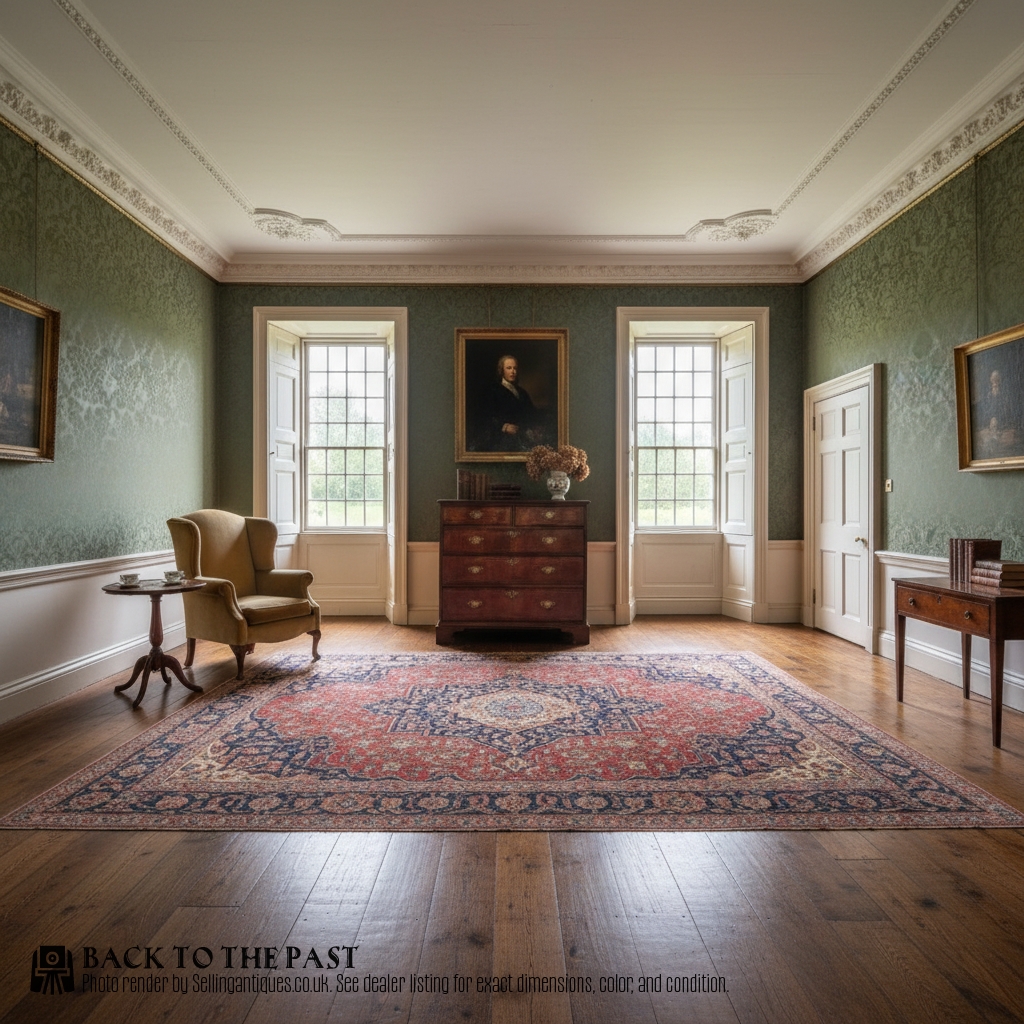
Brass Handle Walnut Chest
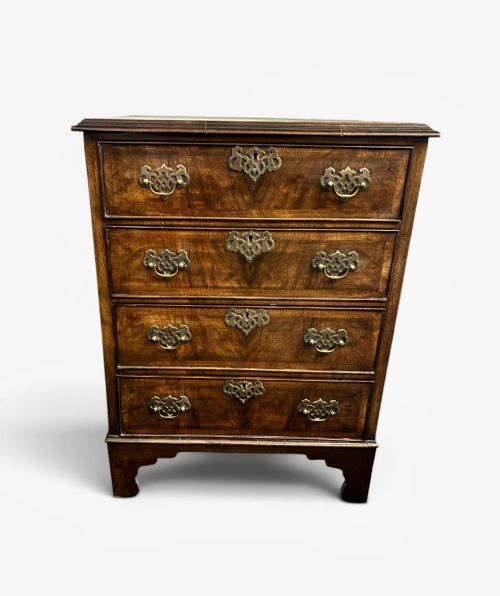
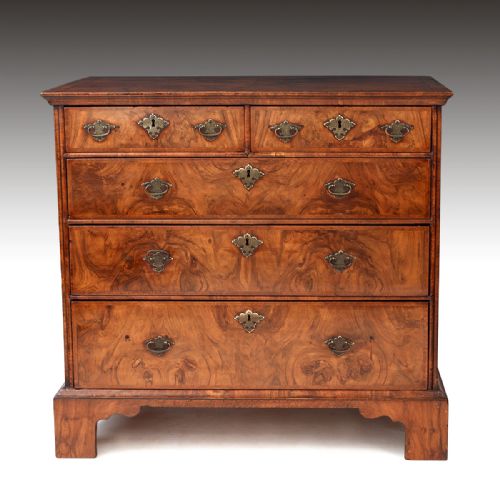
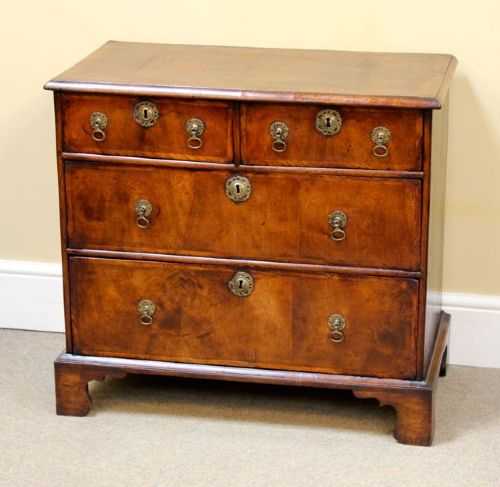
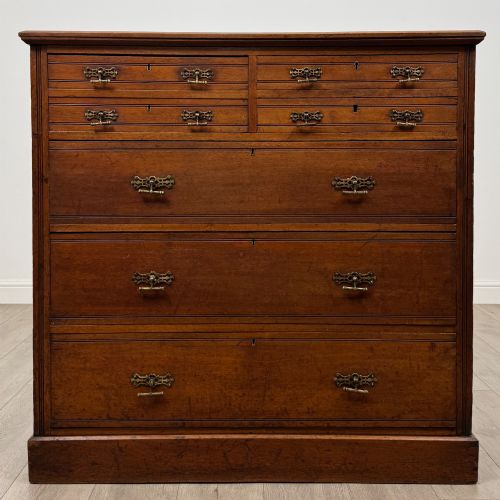
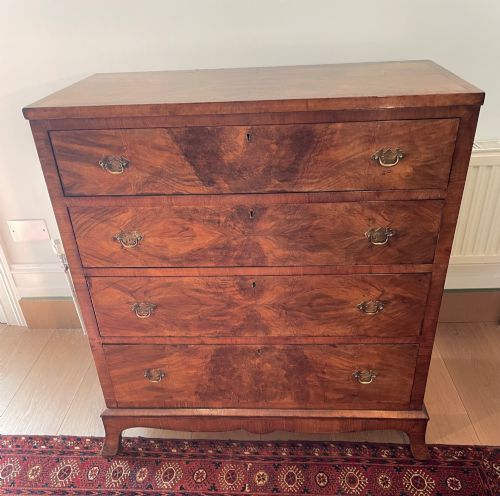
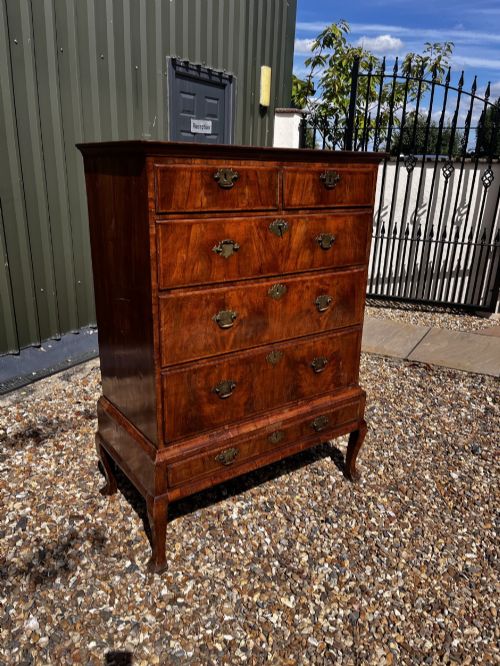
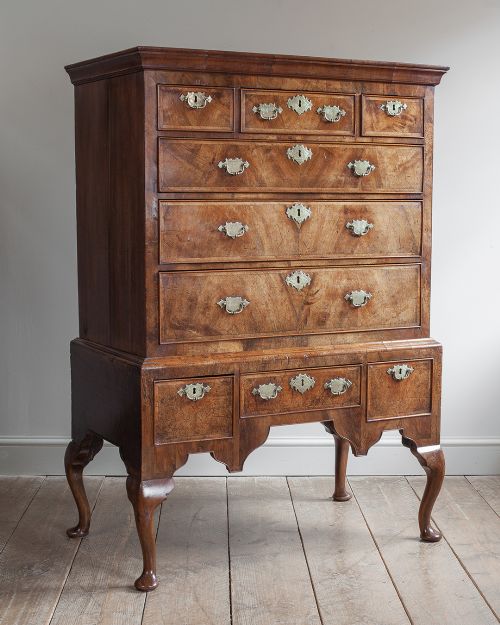
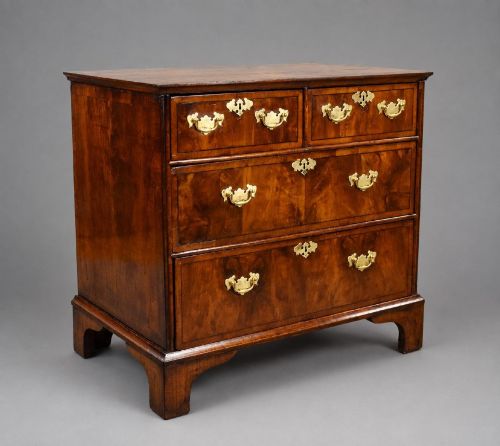
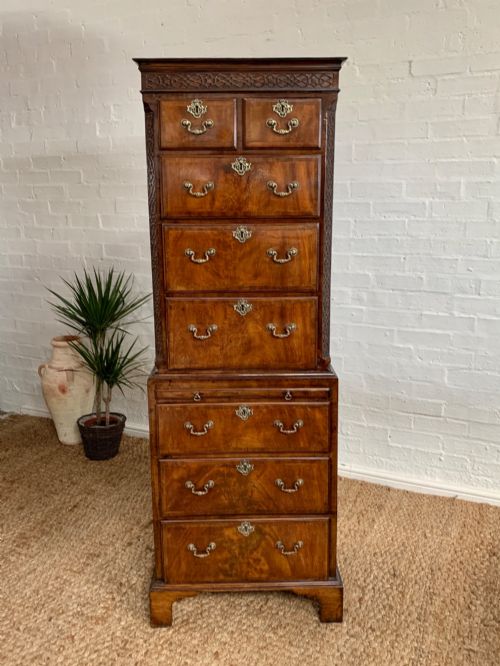
A brass handle walnut chest combines timber of deep brown warmth with functional brass hardware, serving primarily as a bedroom or dressing storage piece. Buyers searching this phrase encounter examples ranging from compact bedside formats to tallboys and chests on stands.
The pieces appearing here span eras from the late seventeenth century through the Georgian period and into twentieth-century revivals. Eighteenth-century models in figured or burr walnut dominate the selection, accompanied by nineteenth-century interpretations and Edwardian pieces.
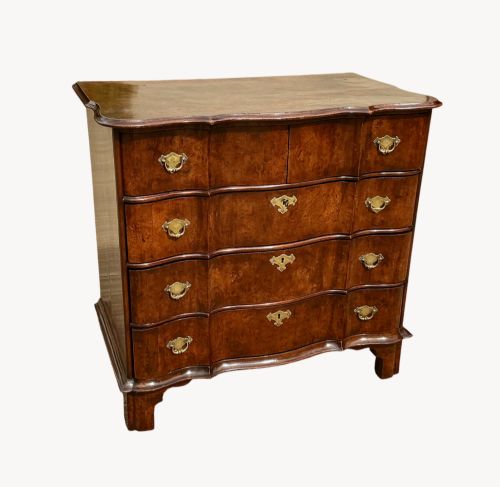
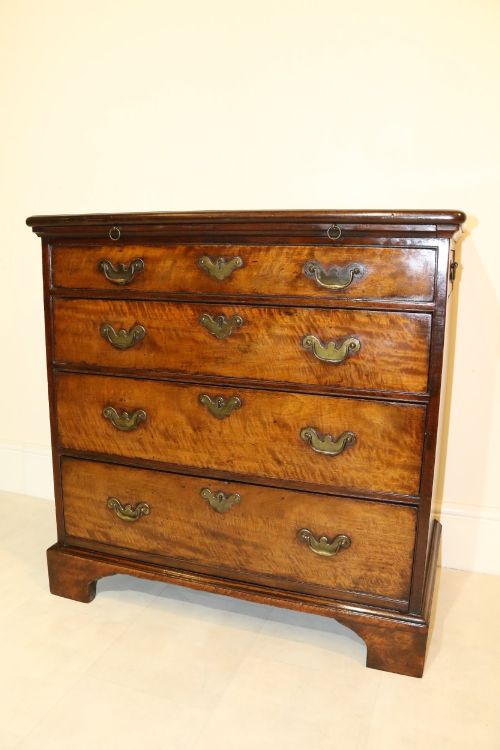
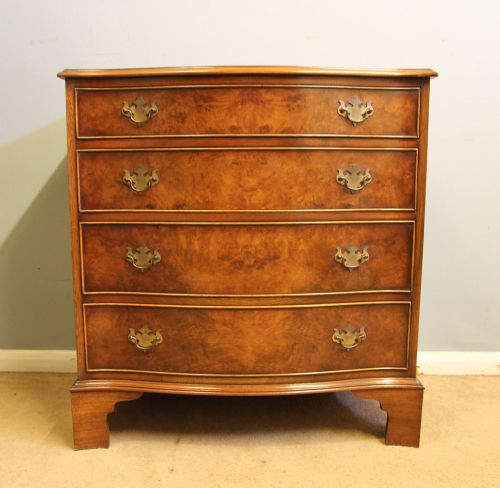
Formations vary from straightforward rectangular drawer configurations to serpentine fronts, bow fronts, and bachelor chests with writing slides. Origin points stretch across English, Dutch, French, and Italian workshops, reflecting diverse regional cabinetmaking traditions.

Materials and construction
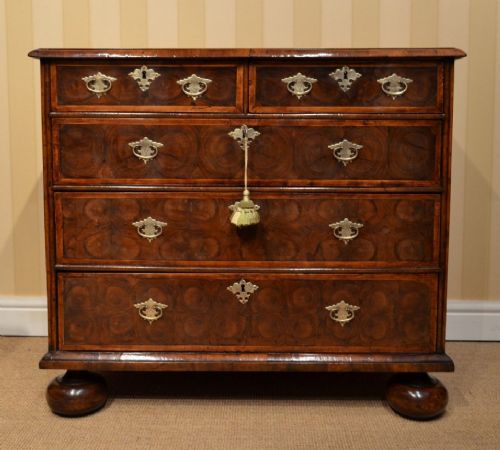
Makers utilised solid walnut alongside decorative veneers such as burr walnut and oyster veneer applied to secondary pine or oak carcases. Figured grain sections were carefully selected and matched to create symmetrical patterns across drawer fronts.
Hardware consists principally of brass, taking the form of drop handles, backplates, and cup handles secured through the drawer timber. Structural joining relied on traditional dovetail joints for drawers and mortise and tenon framing for the main body.
Brass Handle Walnut Chest Retail Price Guide 2026
Typical asking prices for brass handle walnut chest among the pieces listed under this phrase on Sellingantiques today, from the lower quarter to the upper quarter. They describe what is for sale here now, not the wider market.
Listings feature walnut chests spanning the seventeenth, eighteenth, nineteenth, and twentieth centuries, including styles from Queen Anne, George I, George II, and George III eras.
Determinants of distinction
The grade of timber selection separates standard items from exceptional ones, particularly where highly figured burr or oyster veneers are laid with precision. Grain continuity across multiple drawers indicates greater care by the original cabinetmaker.
The integrity of the brass hardware and the crispness of the surrounding woodwork define the finish of the piece. Well-preserved patination on both the walnut surface and the metal fittings denotes authentic age and careful handling.
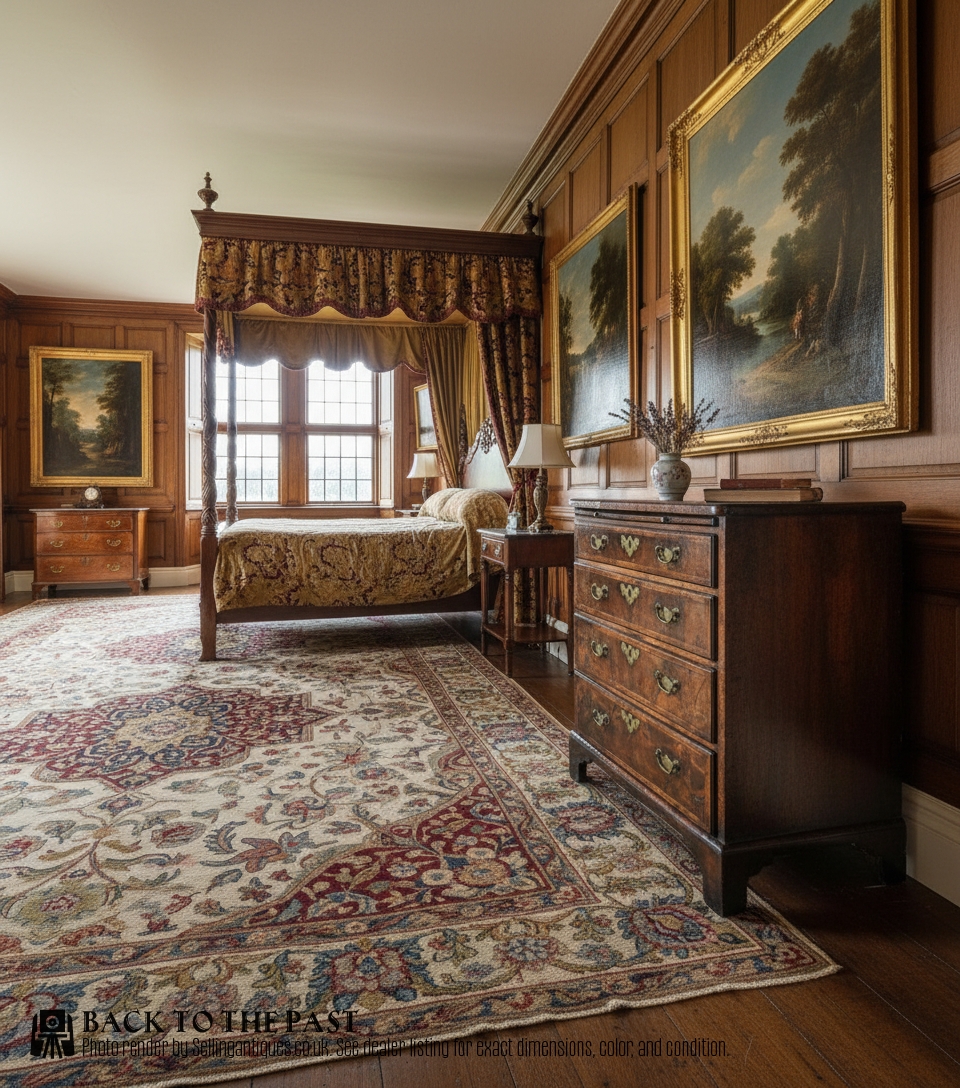
Jas Shoolbred
The Brass Handle Walnut Chest Glossary
- Burr walnut
- Timber taken from a tree growth or burl, yielding swirling, highly decorative grain patterns. It was frequently sliced into thin veneers for grand cabinetwork.
- Oyster veneer
- Small circular or oval sections sliced across small branches or roots, laid closely together to resemble oyster shells. This technique appears on late seventeenth-century and early eighteenth-century surfaces.
- Tallboy
- A tall chest of drawers, often constructed in two sections with a smaller set stacked upon a larger base. These pieces maximise vertical storage capacity while maintaining a modest floor footprint.
- Bachelor's chest
- A compact chest of drawers featuring a pull-out folding writing board or slide above the top drawer. These multipurpose items date predominantly to the eighteenth century.
- Serpentine front
- A drawer configuration curving outward at the centre and inward at the sides, or vice versa. This undulating contour required advanced woodworking skill.
Brass Handle Walnut Chest: Frequently Asked Questions
What is a brass handle walnut chest?
A brass handle walnut chest is a traditional storage item built from walnut timber and fitted with brass drawer pulls. These pieces range from modest bedside tables to grand eighteenth-century tallboys.
Cabinetmakers utilised different walnut veneers, including burr and oyster patterns, to decorate the drawer fronts and top surfaces. The inclusion of brass drop handles or backplates provides a contrasting metallic accent against the dark wood.
How do I date a walnut chest?
Dating relies on examining construction methods, drawer linings, foot styles, and hardware configurations. Eighteenth-century examples often feature hand-cut dovetails and oak drawer linings alongside distinct brass drop handles.
Later nineteenth-century and Edwardian pieces tend to show machine assistance, different timber thicknesses, and altered handle styles. Comparing the secondary woods, such as pine or oak, helps confirm the period of origin.
Where were these chests placed?
Historically, these items served primarily in bedrooms, dressing rooms, and private chambers for storing garments and linens. Compact models functioned beside beds or within smaller dressing spaces.
Grand reception rooms and hallways also accommodated larger chests on stands or tallboys to display status and decorative grain work. Today, they integrate easily into living spaces as focal storage points.
How should I care for walnut furniture?
Preserving walnut furniture requires maintaining stable indoor humidity and temperature levels to prevent timber movement or veneer lifting. Direct sunlight should be avoided to protect the warm brown tone of the wood.
Routine maintenance involves dusting with a soft, dry cloth and occasionally applying natural beeswax to nourish the finish. Avoid silicone-based polishes that can build up and dull the surface over time.