




Brass Finial Longcase Clock
A brass finial longcase clock brings architectural height and rhythmic presence to a hallway, anchored by the gleam of metal surmounting timber.
Brass Finial Longcase Clock
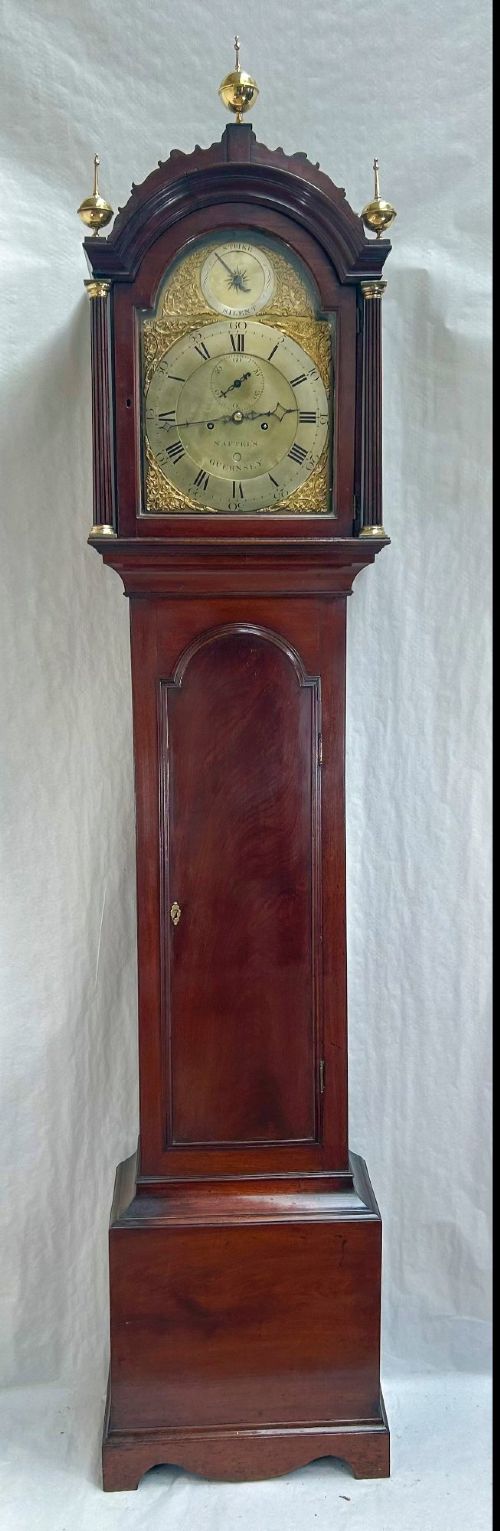
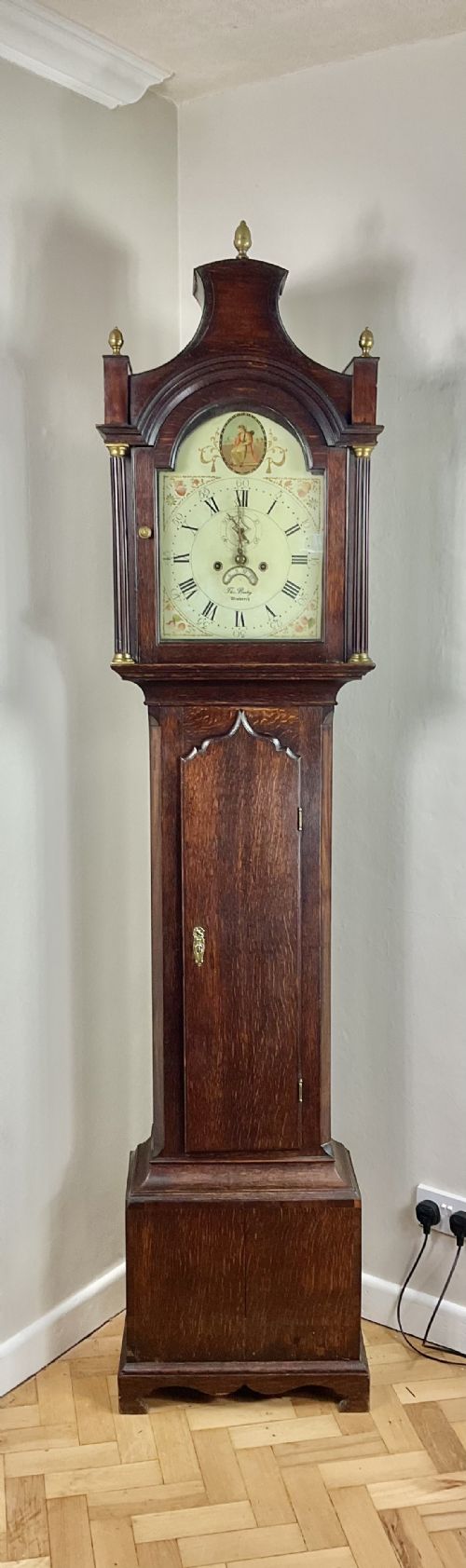
A brass finial longcase clock stands as a tall case timepiece, frequently referred to as a grandfather clock in the evidence. You encounter them most often in mahogany or oak, spanning Georgian, Regency, and Victorian periods.
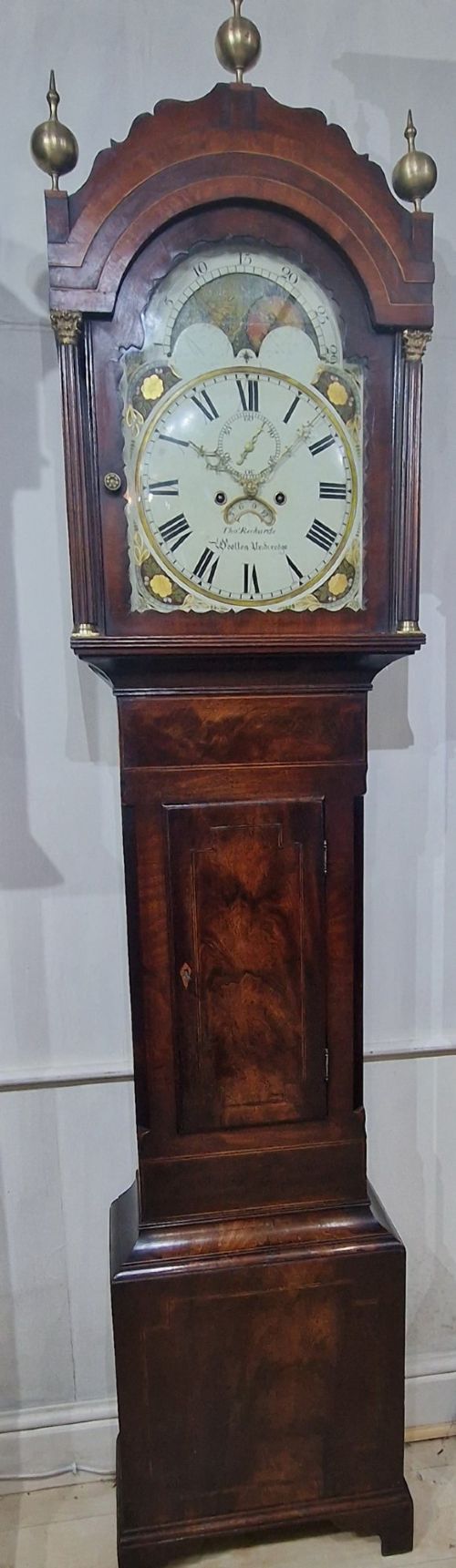
The materials recorded across these longcase clocks include flame mahogany, light oak, glass, and iron dials with painted finishes. Makers such as Francis Perigal of Bond Street and William Tomlinson of London appear alongside regional craftsmen.
The forms range from simple oak country cases to sophisticated London examples with moon dials and 8-day movements. Architectural hood details include break arches and swans neck box tops where the brass finial sits.
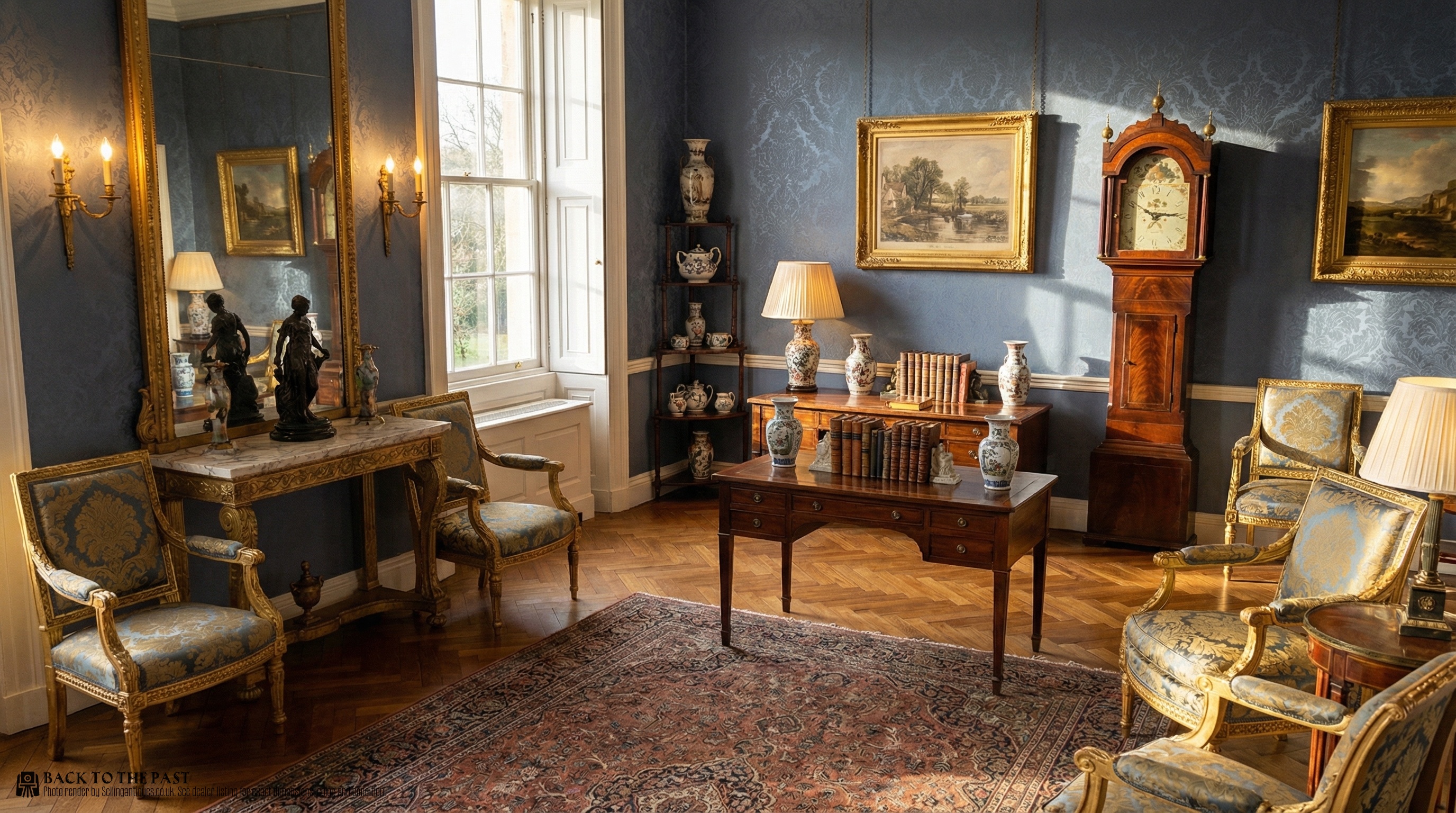
Materials and construction
Cabinetmakers utilised solid oak and mahogany, often selecting figured flame mahogany veneers for primary surfaces. The structural carcase houses mechanical brass and iron gear trains driven by weights.
Faces feature painted iron or enamel dials, protected beneath glass within the hood door. Finials cast in brass crown the upper pediment, completing the vertical composition of the case.
Brass Finial Longcase Clock Retail Price Guide 2026
Typical asking prices for brass finial longcase clock among the pieces listed under this phrase on Sellingantiques today, from the lower quarter to the upper quarter. They describe what is for sale here now, not the wider market.
Some timepieces feature curious automata showing lions' eyes moving with the rhythm of the clock.
Distinctions in craftsmanship
The refinement of the cabinetwork dictates the standing of a piece, separating simple provincial joinery from sophisticated London cabinetmaking. Figured timbers such as flame mahogany and precise inlay elevate the visual depth of the case.
Movement complexity also sets examples apart, moving from standard dial layouts to specialised mechanisms featuring moon phases, strike-silent functions, or automata. Signed dials by noted makers add substantial provenance to the piece.
Tait Peebles·Rickards Wotton Under Edge·Thwaites London·Francis Perigal·John Salmon Nantwich·William Tomlinson·Packer Of Reading·George III Inlaid·Richard Northen·James Rayner Of Hull·John Jackson·Williams·Ganthony Of London·Vurley Of Wisbech·Ed Hunsdon
The Brass Finial Longcase Clock Glossary
- Longcase clock
- A tall freestanding pendulum clock enclosed in a wooden case. These pieces are also commonly designated as grandfather clocks.
- Finial
- A decorative terminal ornament placed at the apex of the hood. On these pieces, they are cast in brass.
- Swans neck
- A curved pediment top shaped like the neck of a swan. This architectural bonnet design frequently frames the central brass finial.
- Moon dial
- A specialised clock face tracking the lunar cycle. They appear on select examples alongside standard timekeeping indicators.
- Count wheel
- An early mechanical device regulating the striking train of the clock. This internal component determines the correct hour count.
Brass Finial Longcase Clock: Frequently Asked Questions
What is a brass finial longcase clock?
These tall timepieces combine wooden cabinetry with a pendulum movement, standing directly on the floor. A decorative metal ornament crowns the hood above the dial.
They span Georgian, Regency, and Victorian eras, recorded in timbers like mahogany and oak.
How do I identify the period?
Examine the timber choice, case proportions, and dial execution. Georgian and Regency pieces often display fine mahogany veneers and distinct London signatures.
Later Victorian examples continue traditional forms while incorporating regional cabinetmaking styles from makers across Britain.
Where should I place one?
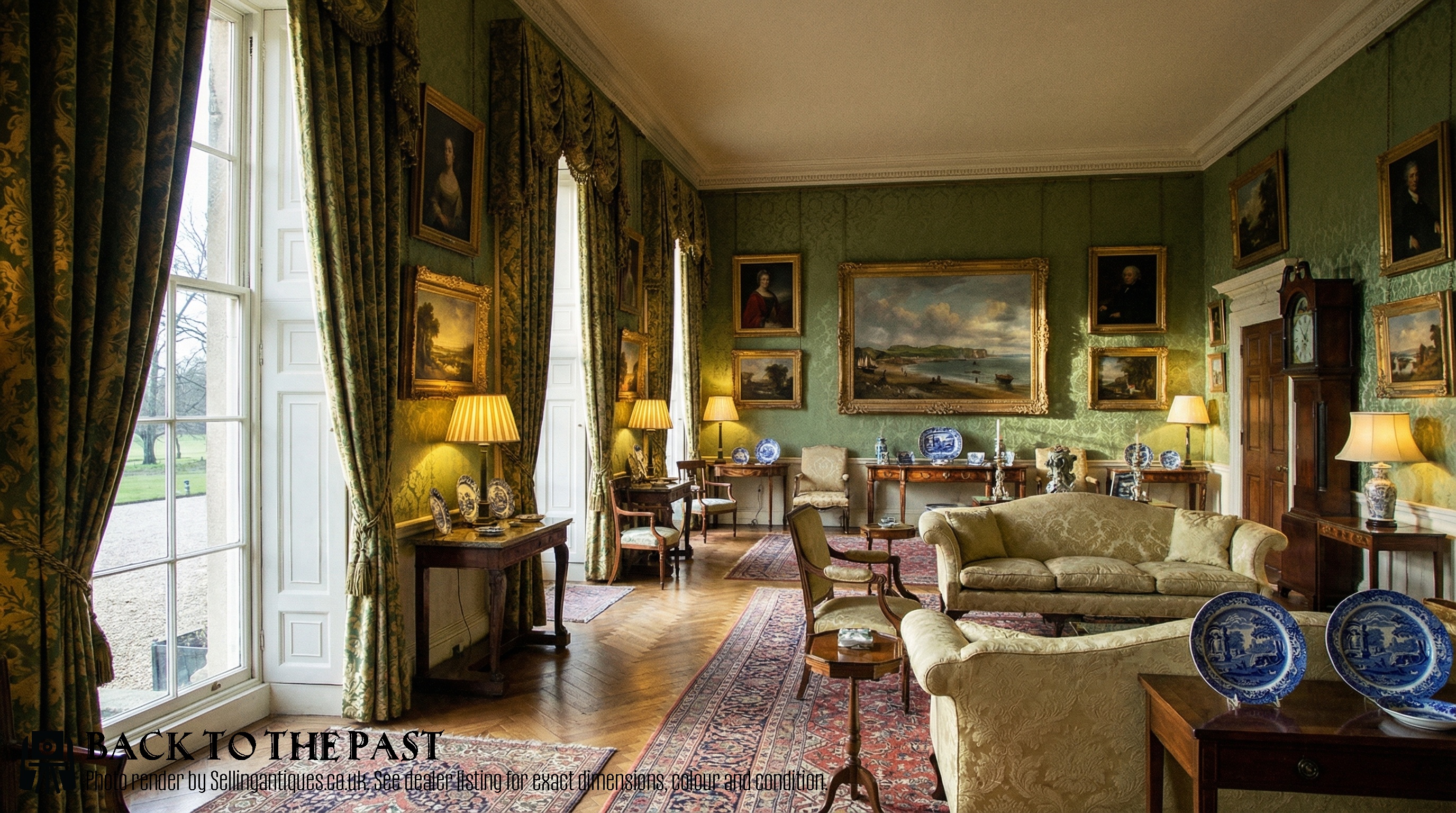
Longcase clocks require a stable, plumb wall surface in a room with minimal temperature fluctuation. Their height suits hallways, landings, or high-ceilinged reception rooms.
Ensure adequate clearance for the pendulum and hanging weights inside the trunk door.
What movements are used?
The evidence records 8-day movements alongside standard weight-driven systems. Some incorporate internal count wheels and striking mechanisms.
Advanced dials feature painted iron faces, moon phases, and strike-silent options by makers such as Thwaites and Francis Perigal.