

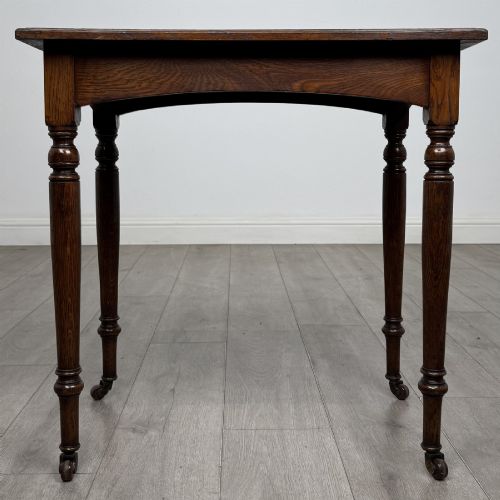

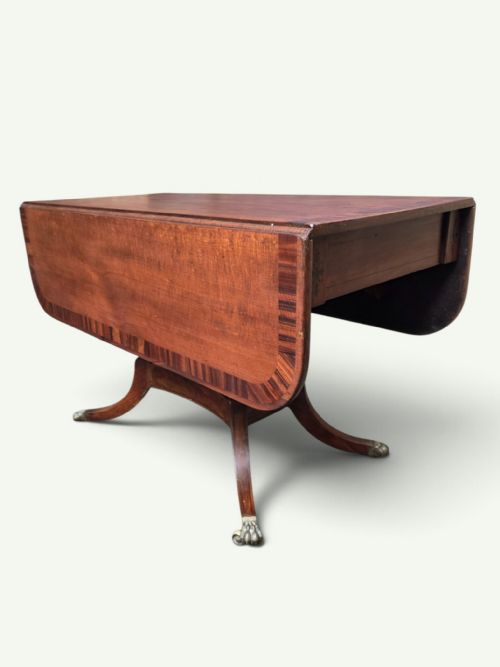
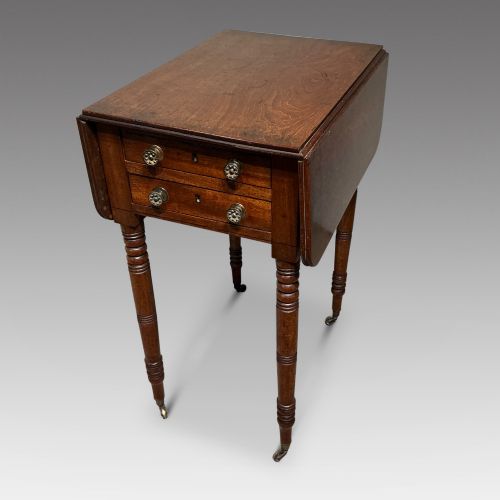
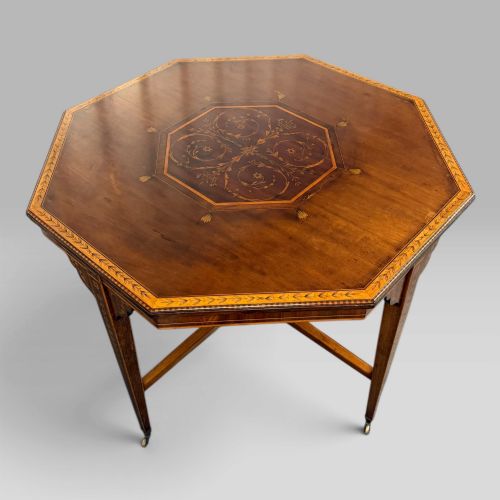
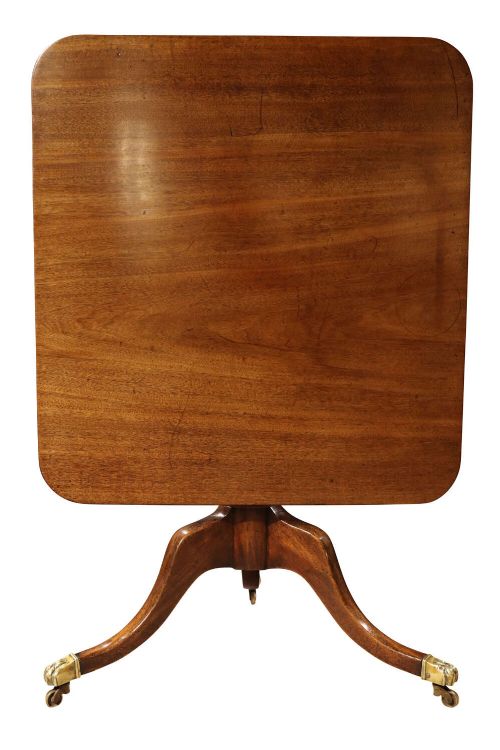
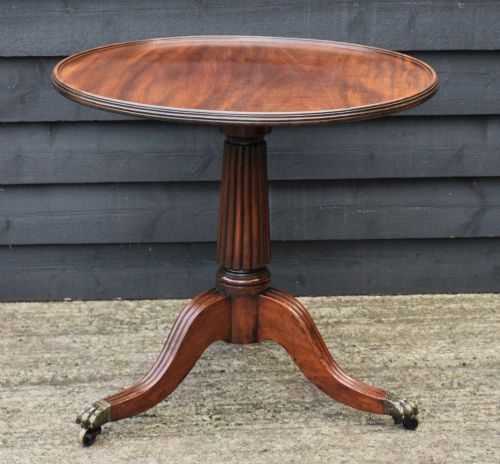
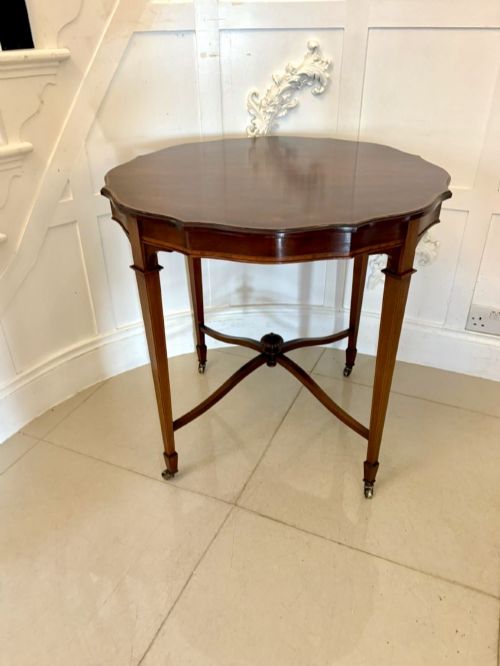
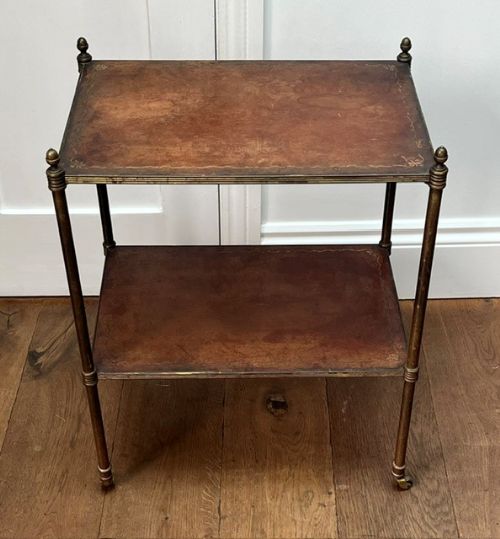

Brass Castor Occasional Table
A brass castor occasional table brings compact mobility and classic timber grain to a room, offering a functional surface that moves with ease.
Brass Castor Occasional Table
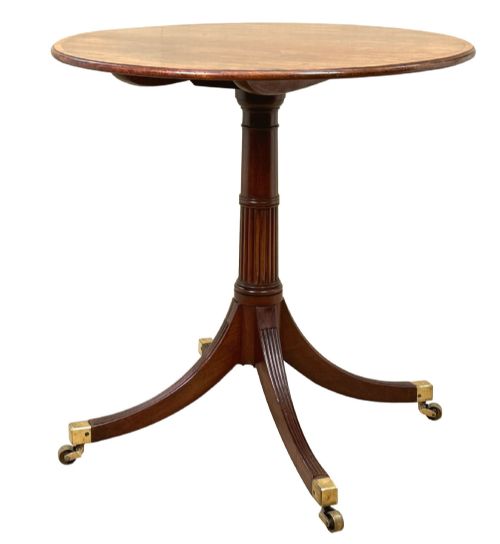
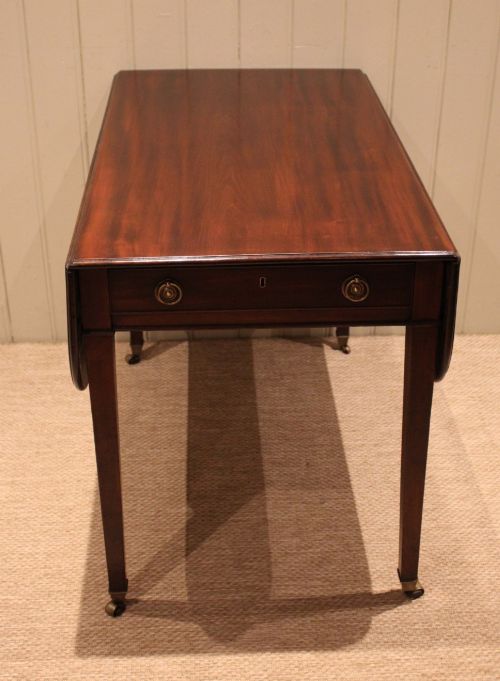
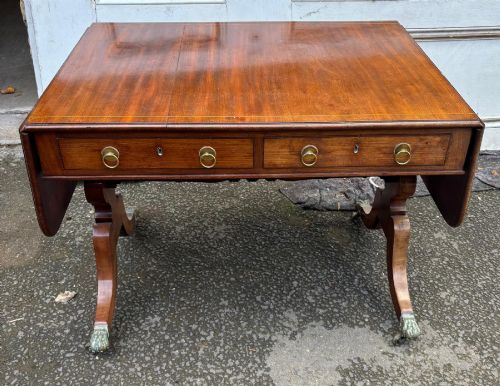
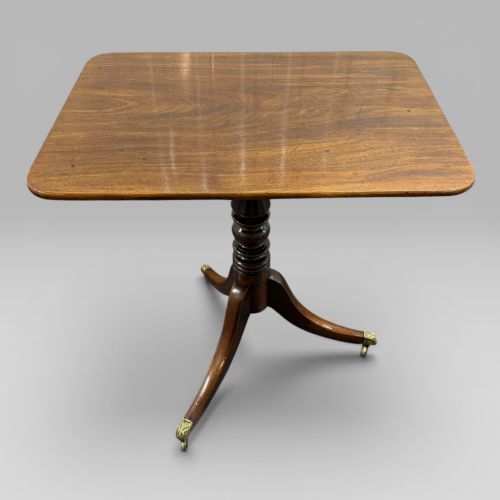
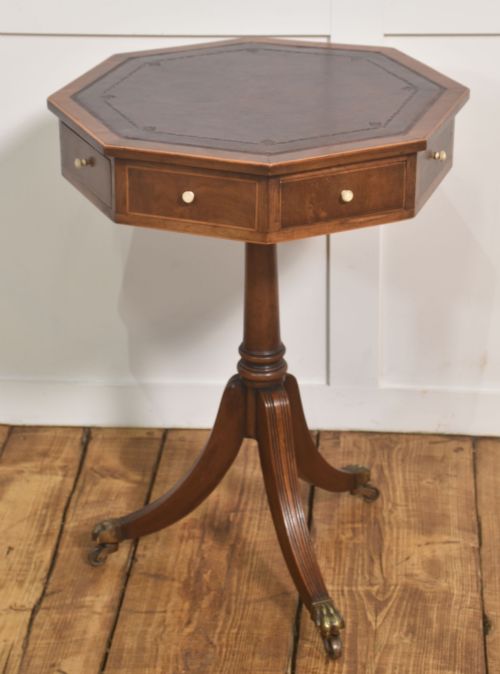
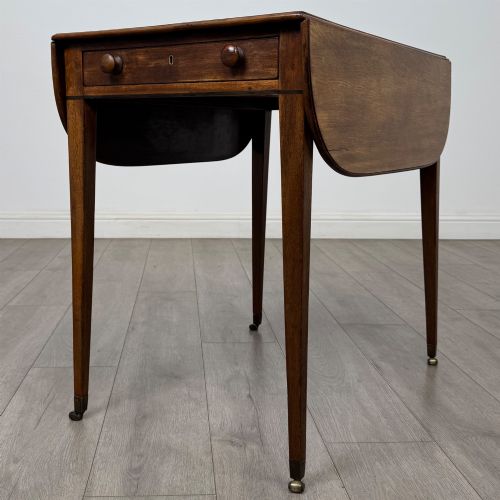
A brass castor occasional table encompasses various forms such as Pembroke tables, sofa tables, centre tables, and drum tables designed for flexible placement.
The selections span distinct periods including Georgian, Regency, Victorian, Edwardian, and the early twentieth century, showing substantial historic variety.
Mahogany and rosewood dominate the timber selection, alongside satinwood, yew wood, and satin walnut, often complemented by brass castors.
How they were made
Cabinet makers utilised solid timbers and veneers such as mahogany, rosewood, and satinwood, frequently incorporating boxwood and ebony stringing for decorative contrast.
Metalwork played a key role, with brass utilised for castors, feet, and mounts to enable smooth movement and visual accentuation on the wooden frames.
Surface details included tooled leather inserts, lacquered finishes, tilt-top mechanisms, and drop leaves on pembroke and sofa tables.
Brass Castor Occasional Table Retail Price Guide 2026
Typical asking prices for brass castor occasional table among the pieces listed under this phrase on Sellingantiques today, from the lower quarter to the upper quarter. They describe what is for sale here now, not the wider market.
Listings span eight distinct eras, stretching from the eighteenth century through the Georgian and Regency periods into the 1930s.
What varies in quality
Construction methods and timber selection establish the fundamental standard, distinguishing dense Cuban mahogany and figured rosewood from simpler secondary woods.
The integration of brass hardware and decorative inlays marks the distinction between standard production and elevated design from periods such as the Regency and Georgian eras.
Gillows·Andrew Thomson And Sons
The Brass Castor Occasional Table Glossary
- Pembroke table
- A small drop-leaf table with hinged flaps on either side, often fitted with a drawer. It gained popularity during the eighteenth century for versatile dining and writing use.
- Sofa table
- A rectangular occasional table traditionally placed in front of a sofa, featuring drop leaves and often twin pedestal supports with brass castors.
- Drum table
- A circular library or occasional table with a deep frieze containing drawers, usually supported on a central pillar and tripod base.
- Castor
- A small wheel mounted on a swivel assembly attached to the feet of furniture, allowing easy movement across floors.
- Stringing
- A narrow inlay of contrasting wood or light-coloured material set into the surface of a piece to form geometric borders.
Brass Castor Occasional Table: Frequently Asked Questions
What is a brass castor occasional table?
These pieces are small movable tables, including Pembroke, sofa, and drum forms, mounted on brass wheels for relocation around a room.
They combine practical timber surfaces with mobility, originating primarily from Georgian, Regency, and Edwardian periods.
How were Pembroke tables used?
Pembroke tables served as multi-purpose surfaces for tea, reading, and writing, easily expanded using their drop leaves.
Their compact footprint allowed them to sit beside seating or against walls when not fully extended.
Which woods are most common?
Mahogany and rosewood appear most frequently across the historical range, offering rich grain patterns and durable structural integrity.
Satinwood and yew wood also feature prominently, particularly in Edwardian and satinwood-inlaid examples.