
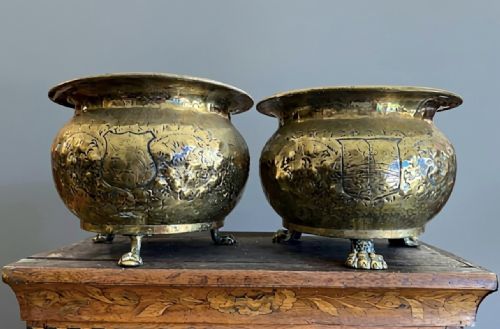
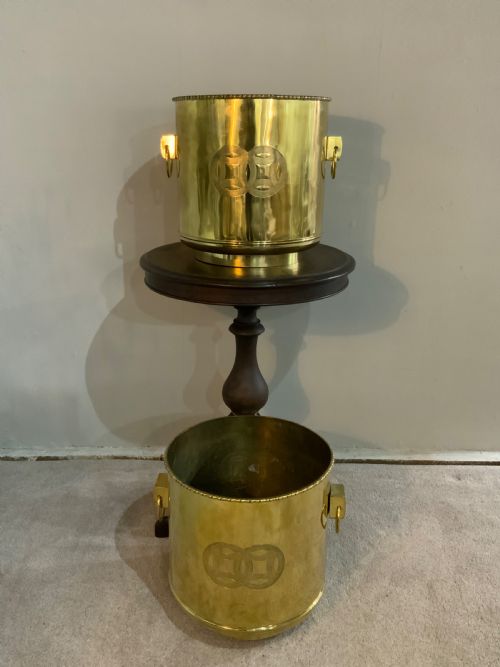


Brass Cachepot Planter
These brass cachepot planter pieces bring timeless metallic warmth to any room, offering a robust home for indoor greenery.

What They Are
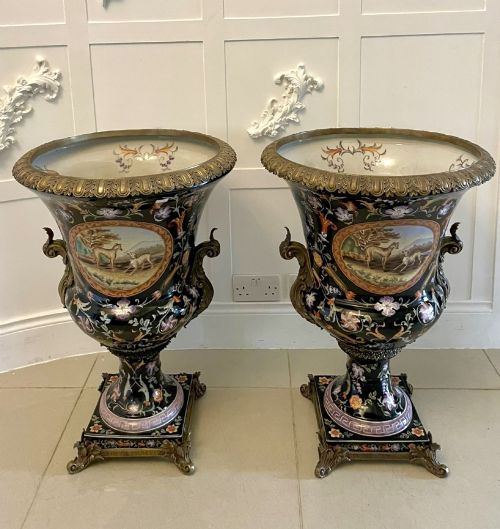
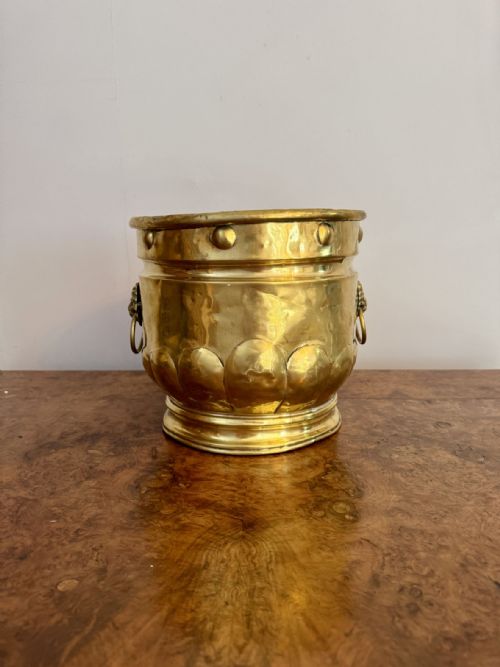
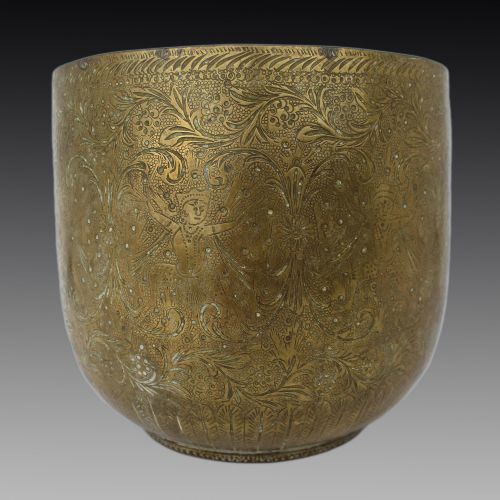
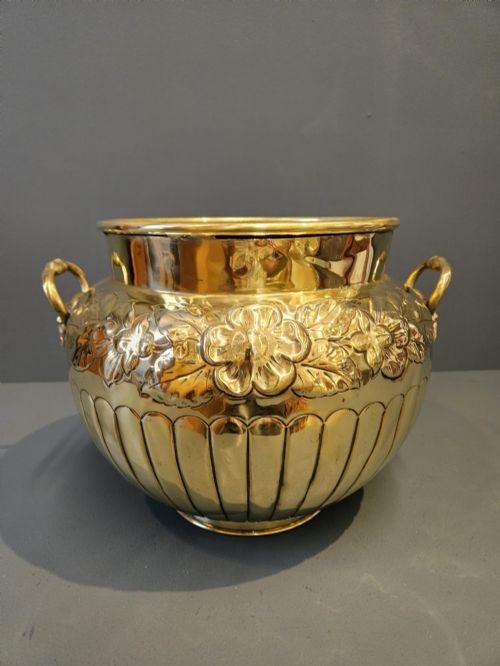
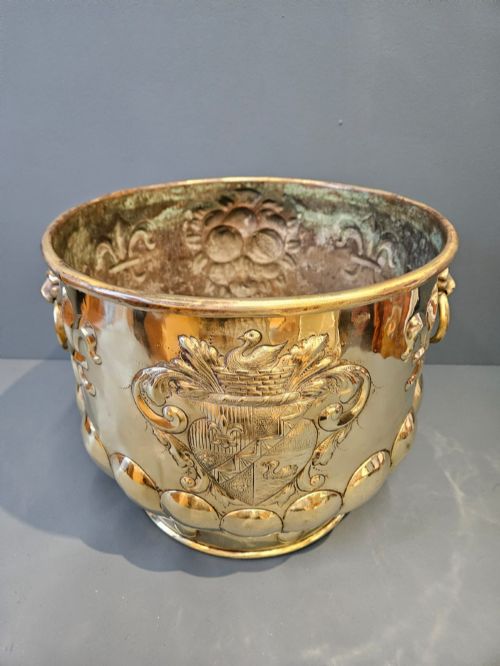
A brass cachepot planter is a decorative vessel designed to hold a potted plant, concealing standard flowerpots within a polished or patinated metal exterior. The pieces gathered under this phrase span periods from the eighteenth century through the Victorian and Edwardian eras, incorporating styles such as Art Nouveau, Gothic Revival, and Dutch Traditional.
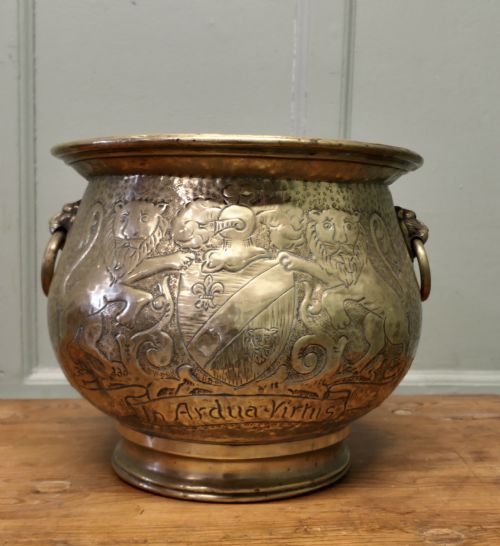
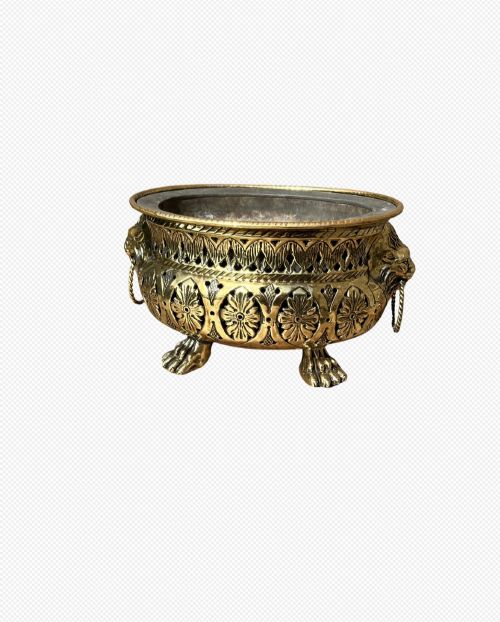
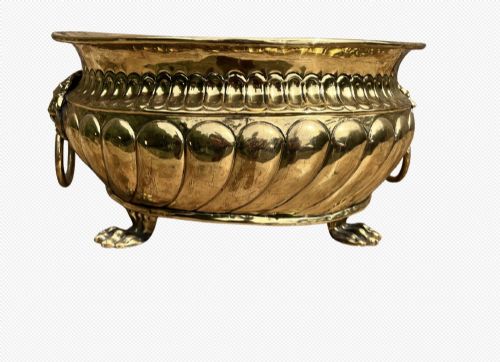
Buyers frequently encounter variations like the heavy, lion-masked Gothic jardiniere or the organic, flowing lines of an Art Nouveau piece by J Sankey and Sons. Forms range from simple large cylindrical planters to footed vessels originating from Britain, India, and the Netherlands, utilising brass predominantly alongside iron components.
How They Were Made
These items were constructed using traditional metalworking techniques, primarily shaping and hammering sheet brass to create strong yet decorative vessels. Artisans often joined seams meticulously and integrated cast elements such as handles, feet, or decorative masks onto the main body.
Details on specific pieces indicate the use of applied brass ornamentation and structural iron reinforcement to support heavier plants. The surfaces display the natural working marks of the period, reflecting hand-beaten or cast fabrication methods common to late nineteenth and early twentieth-century workshops.
Retail Price Guide 2026
Typical UK retail prices for brass cachepot planter, calculated from the Sellingantiques database of over a million retail prices indexed since 2003. This retail price guide relies exclusively on Sellingantiques data; no external sources or auction records are used, so the figures do not describe the wider market.
Listings feature items spanning the eighteenth century, Victorian period, and Edwardian era.
What Varies in Quality
The distinction between standard domestic items and superior examples lies in the crispness of the casting and the weight of the metal utilised. Pieces featuring distinct stylistic flourishes, such as heavy cast lion mask handles or named manufacturer attributions, represent a higher tier of period production.
Subtleties in surface finish and the integrity of construction also define the grade of each vessel. Finer items retain their structural balance and original patination, whereas simpler or heavily polished utility pieces show less elaborate ornamentation across their forms.
J Sankey and Sons
The Brass Cachepot Planter Glossary
- Cachepot
- A decorative container used to put a flowerpot inside, hiding the ordinary pot and catching excess water drainage. The term comes from the French words meaning to hide a pot.
- Jardiniere
- An ornamental pot or stand for holding flowers or plants, typically larger than a standard cachepot. These vessels often sit on furniture or directly on the floor.
- Patina
- The natural sheen or colour that develops on the surface of brass over decades through oxidation, handling, and age. Collectors often value this historic surface layer.
- Art Nouveau
- An international style of art, architecture, and applied art popular around nineteen hundred. It is characterised by organic forms, sinuous lines, and flowing motifs.
- Gothic Revival
- An architectural and decorative style that draws inspiration from medieval design. Pieces in this style often feature pointed arches, tracery, and heraldic details.
Frequently Asked Questions
What is a brass cachepot planter used for?
These vessels serve as decorative outer containers for potted houseplants, keeping utilitarian plastic or terracotta pots out of sight.
They protect tabletops and windowsills by catching water runoff from the plants placed inside them.
How do I clean an antique brass planter?
Dust the metal gently with a soft, dry cloth to remove everyday surface dirt without disturbing the historic surface.
Avoid harsh chemical polishes that strip away the aged patina which collectors and enthusiasts prize.
How old is my brass jardiniere?
Dating relies on examining stylistic markers, manufacturing techniques, and any maker stamps found on the metal body.
Periods represented in these pieces span from the eighteenth century through Victorian and Edwardian eras.
Can I plant directly inside a brass cachepot?
Moisture and soil acids can corrode antique metal over time if soil and water sit directly against the interior.
Using a smaller plastic liner pot inside the vessel protects the historic brass from premature interior degradation.