
Brass Accent Lighting
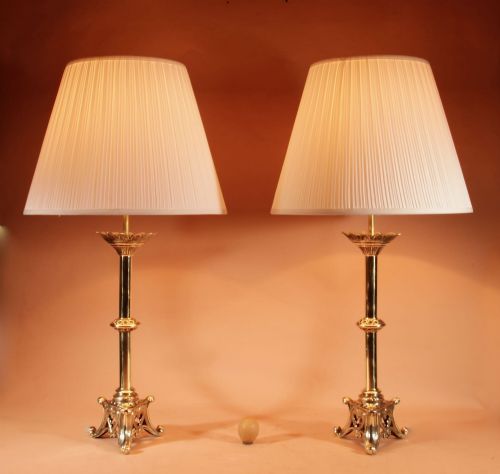
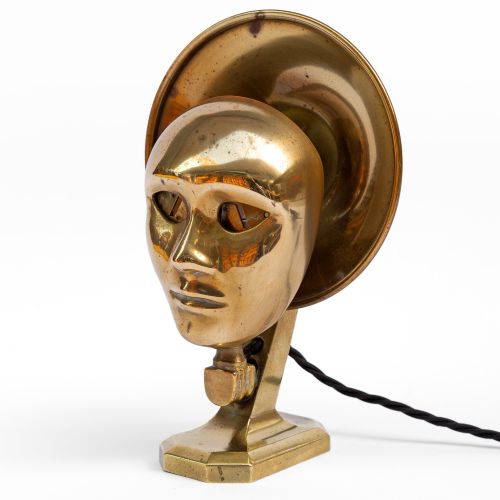
Brass accent lighting brings warmth and targeted illumination to a room, drawing the eye with polished metal and ornate bases.
Brass Accent Lighting
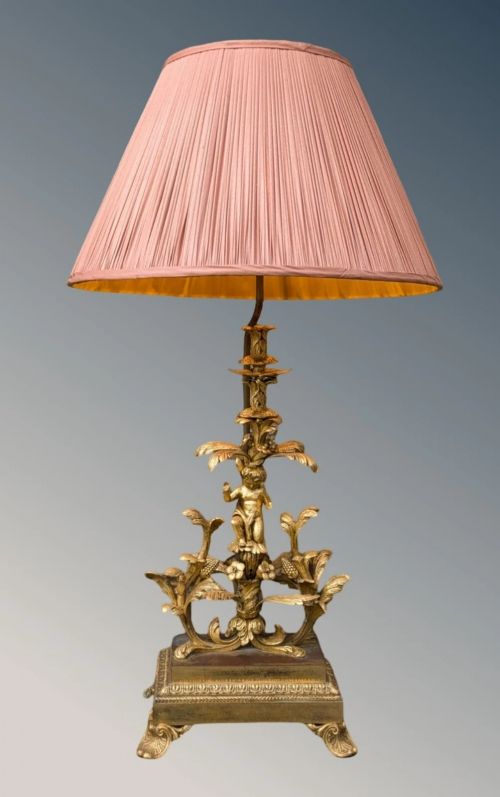
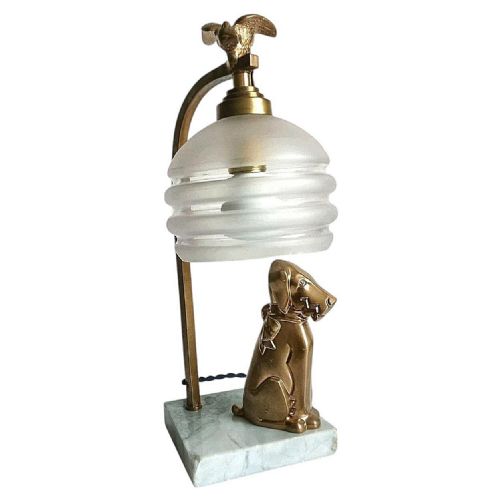
Brass accent lighting encompasses table lamps, candlesticks, and floor lamps designed to illuminate specific corners or surfaces while adding decorative character to a room. These pieces originate predominantly from the nineteenth and early twentieth centuries, spanning Victorian, Edwardian, Art Nouveau, and Art Deco periods.
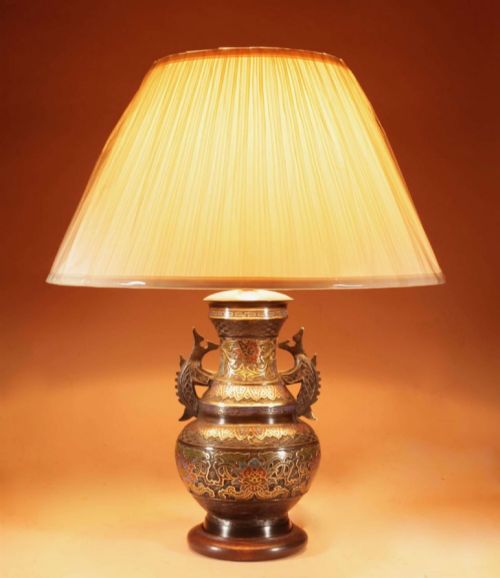
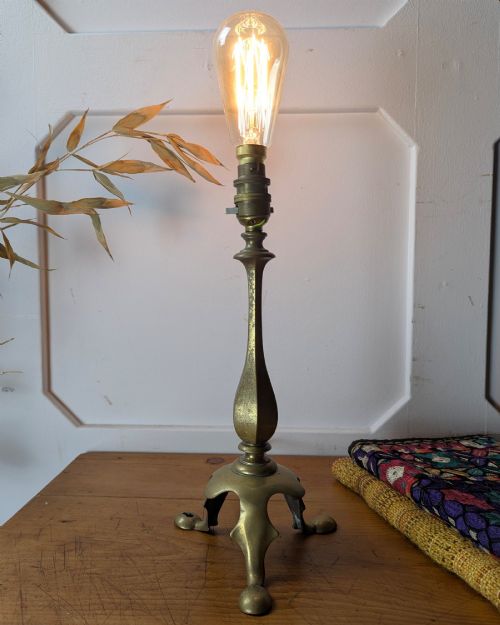
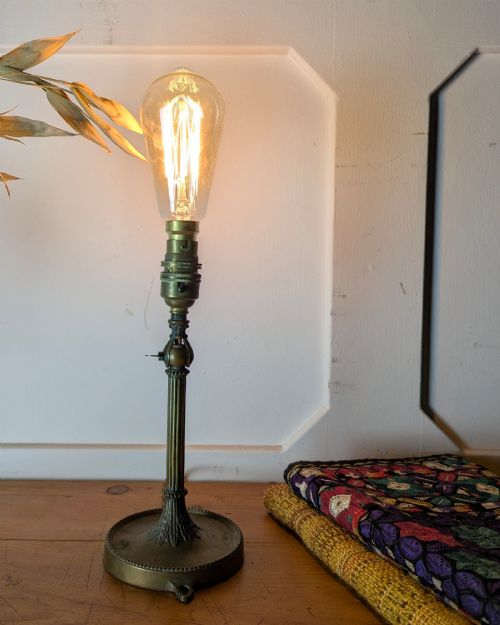
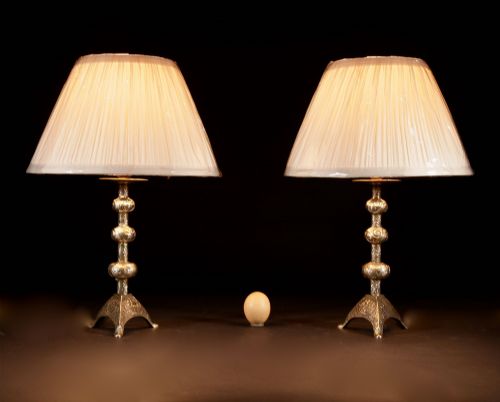
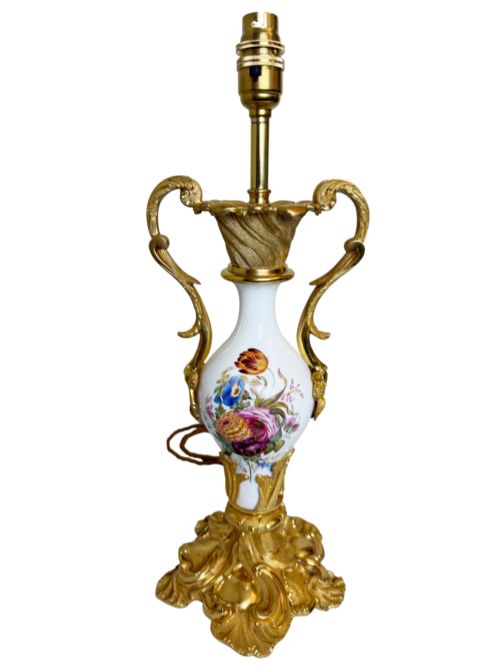
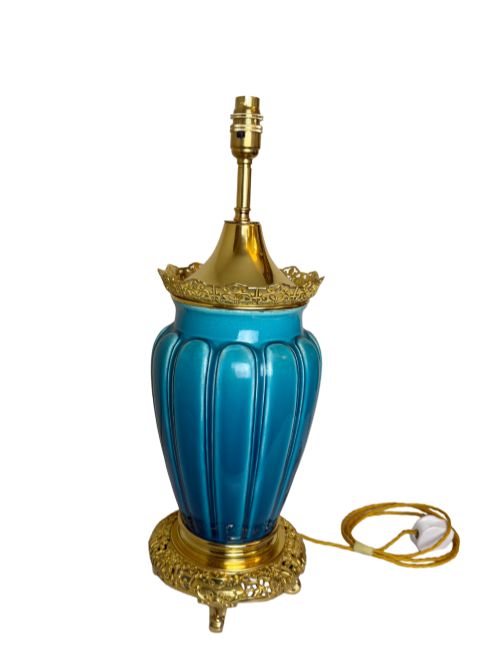
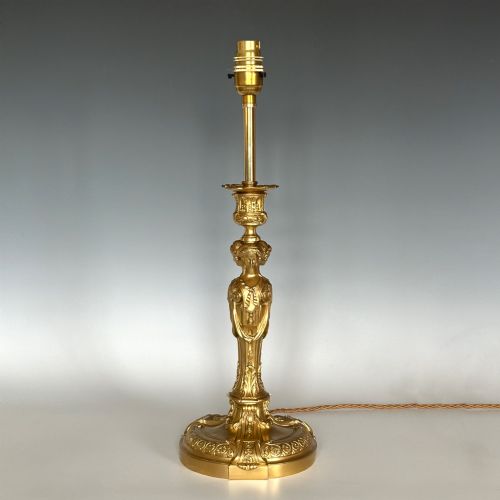
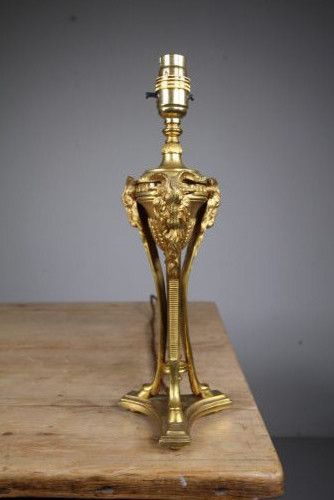
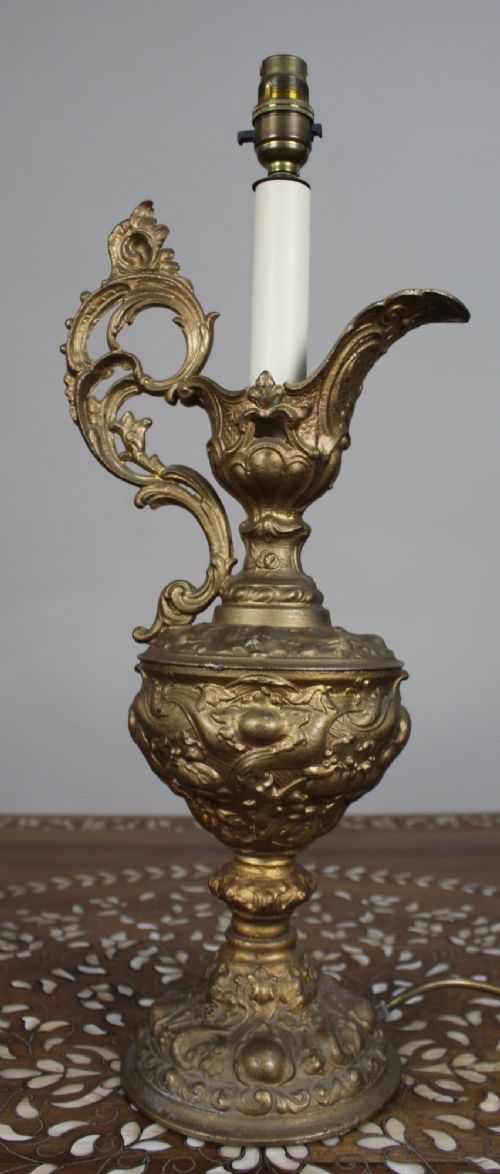
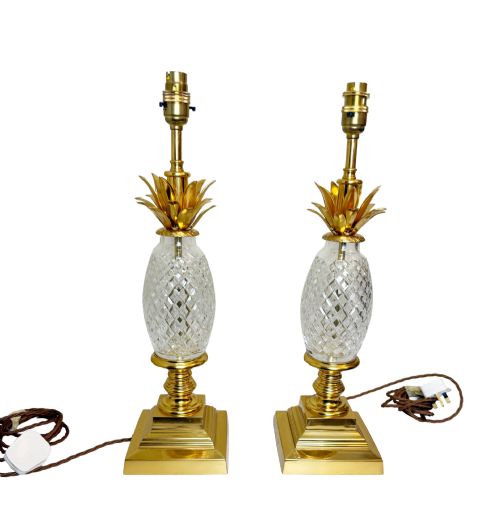
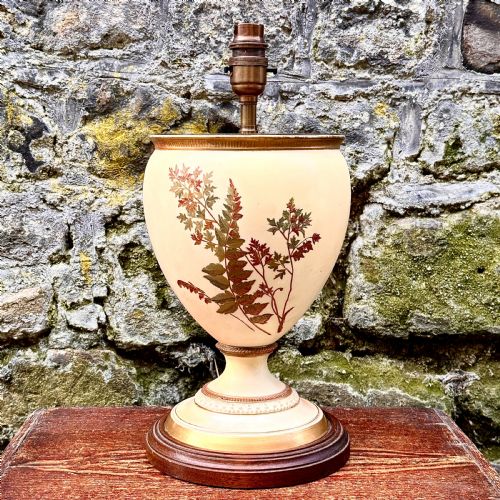
The most common items on this page are table lamps and candlesticks constructed from brass, gilt bronze, or ormolu, often paired with marble, glass, or ceramic elements. Examples range from simple barley twist candlesticks to elaborate French ormolu designs and Japanese bronze pieces adapted for illumination.
How they were made
Makers utilised cast brass, gilt bronze, and ormolu, often combining metalwork with polished marble, onyx, crystal, or porcelain bodies. Techniques included fine casting, chasing, and patination to achieve detailed surface ornamentation.
Many electric lamps originated as oil lamps or candlesticks, subsequently converted to electricity with wiring threaded through the central stem or base.
Listings feature items from the nineteenth century up to the 1930s, incorporating materials such as marble, copper, fabric, and glass.
What varies in quality
Quality rests in the crispness of the casting and the depth of the metal finishing, where finer pieces display hand-chased detail rather than soft moulded contours. The choice of secondary materials, such as heavy solid marble or genuine crystal components, also separates standard items from exceptional ones.
The integrity of the construction, including the weight of the base and the secure fit of mounts and collars, dictates the durability and overall presence of the fixture.
Royal Worcester·Fritz Lang
The Brass Accent Lighting Glossary
- Ormolu
- Gilded bronze, where a fine layer of gold amalgam is applied to a bronze base. This technique was widely employed in French decorative lighting to produce a rich, durable golden finish.
- Champlevé
- An enamelling technique where troughs are dug into a metal surface and filled with vitreous enamel before firing. It appears on Japanese and European bronze lamps.
- Cloisonné
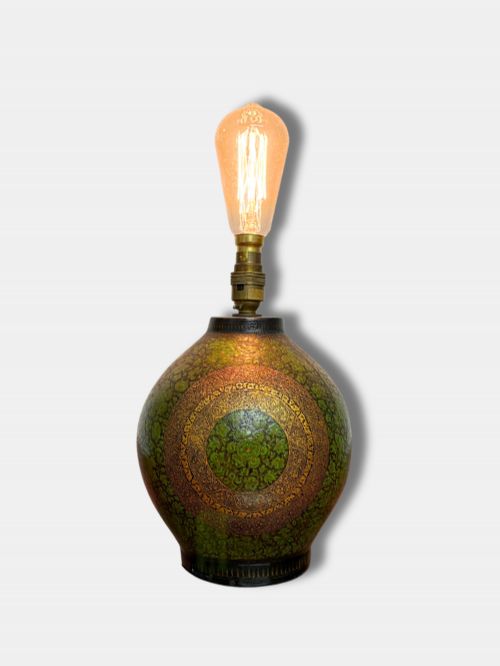
- A metalwork decoration method where thin wires form compartments on a surface to hold enamel paste. These vessels are frequently converted into decorative table lamps.
- Barley twist
- A spiral column turning used in wooden and brass candlestick stems. This classic form creates movement and catches the light along its ridges.
Brass Accent Lighting: Frequently Asked Questions
How do I wire an antique lamp safely?
Older lamps often require rewiring with modern flex and a certified lamp holder to meet current safety standards. A qualified electrician can replace internal wiring without altering the historic metal components.
Retaining the original switch or plug when possible preserves the character of the piece while ensuring safe daily use.
How do I clean brass and gilt bronze?
Dust metal surfaces gently with a soft, dry cloth to prevent the accumulation of grime. Avoid abrasive polishes, particularly on gilt bronze or ormolu, as harsh chemicals remove the historic gilding.
Professional care is best if tarnish obscures the detail of a finely chased nineteenth-century base.
What is the difference between ormolu and brass?
Ormolu is specifically gilt bronze, featuring a layer of gold applied to a bronze substrate, producing a warm, rich lustre. Brass is an alloy of copper and zinc that maintains a brighter yellow tone when polished.
Victorian and Edwardian manufacturers used both metals depending on the desired decorative effect and cost.