
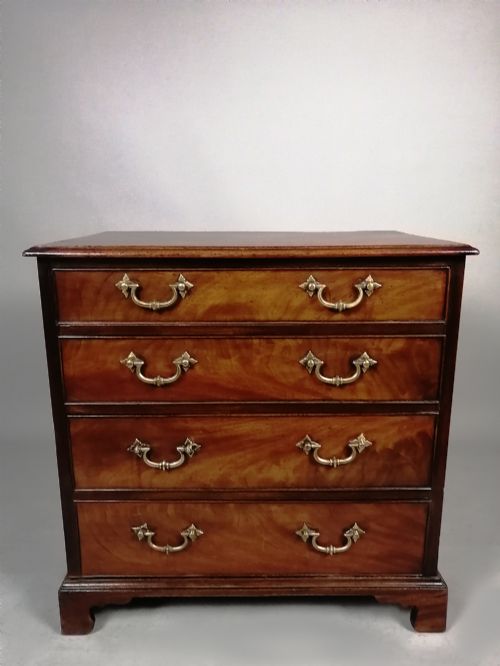
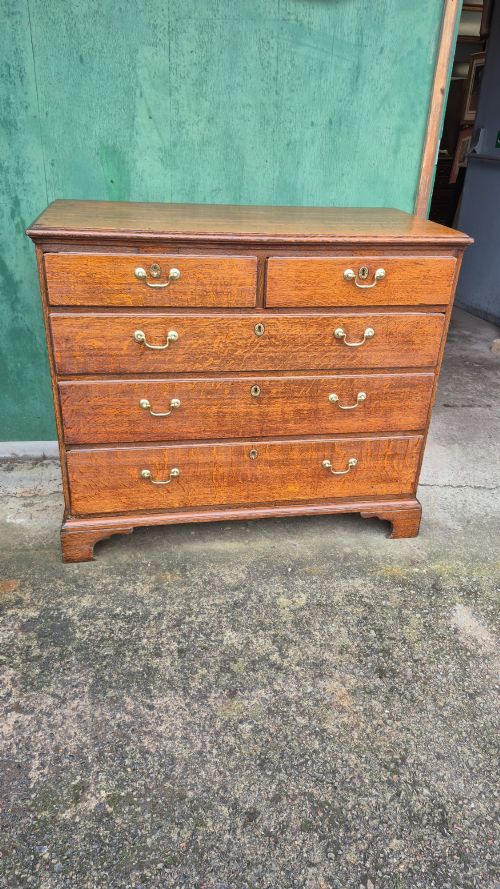

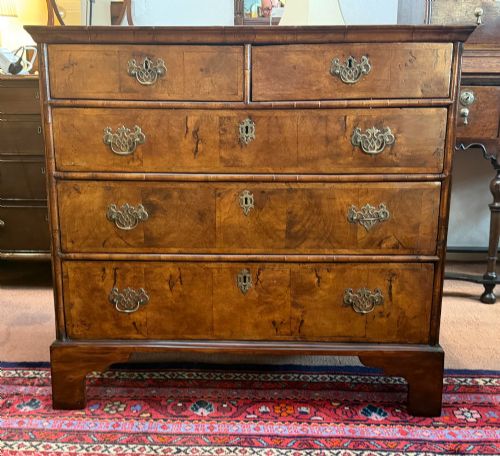
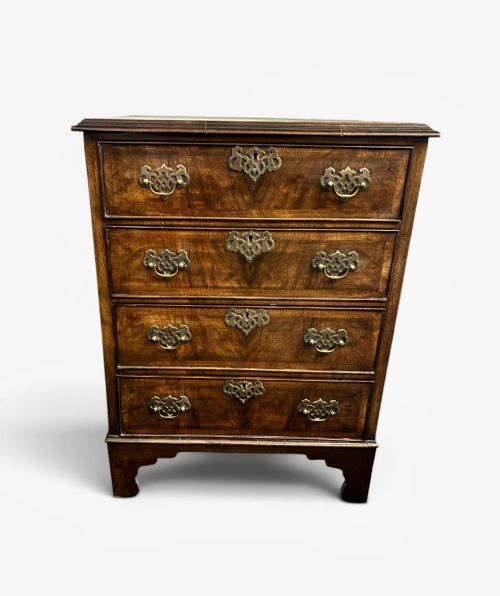
Bracket Foot Tallboy
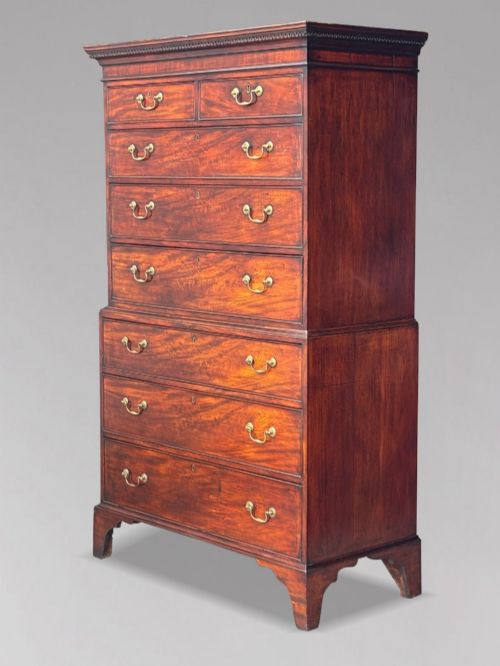
A bracket foot tallboy is a commanding vertical chest that organises storage with distinction, prized for its generous capacity and stately presence.

Bracket Foot Tallboy
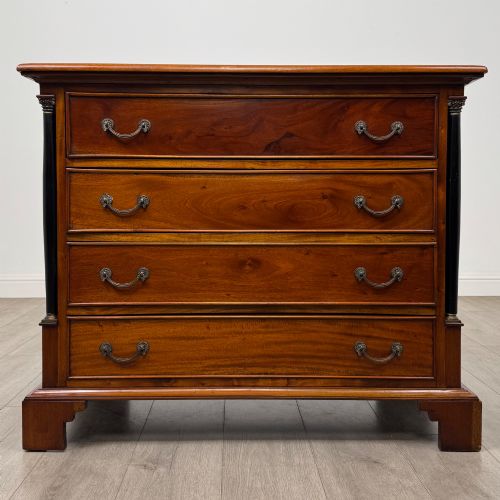
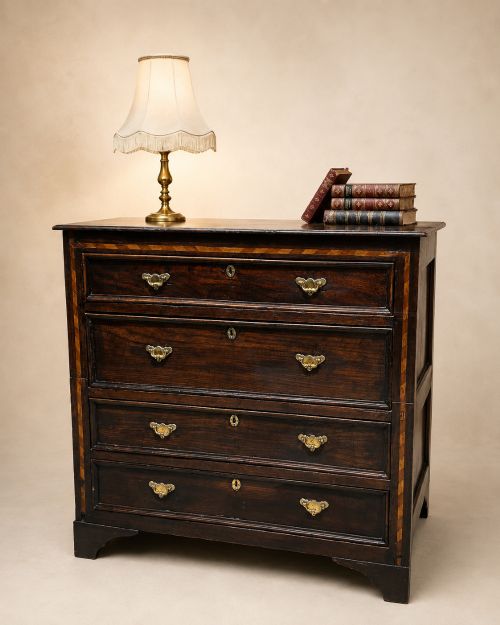
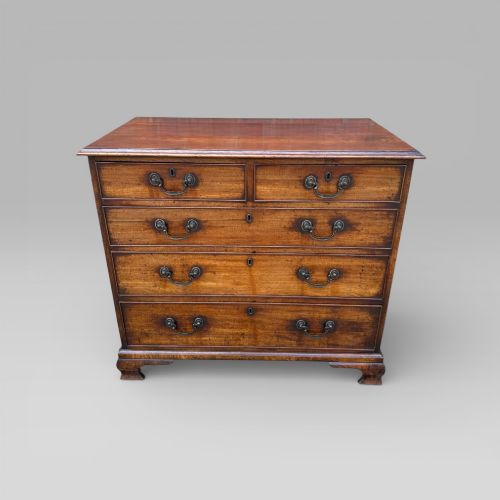
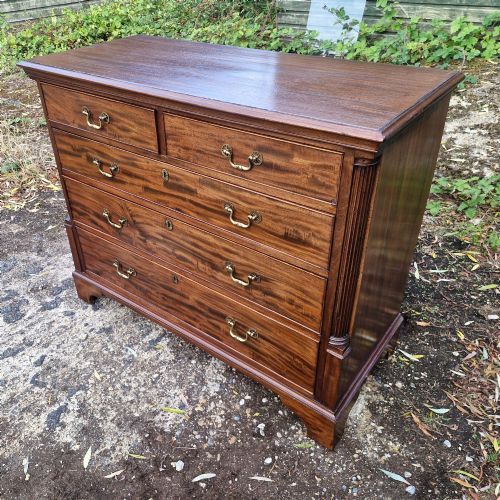
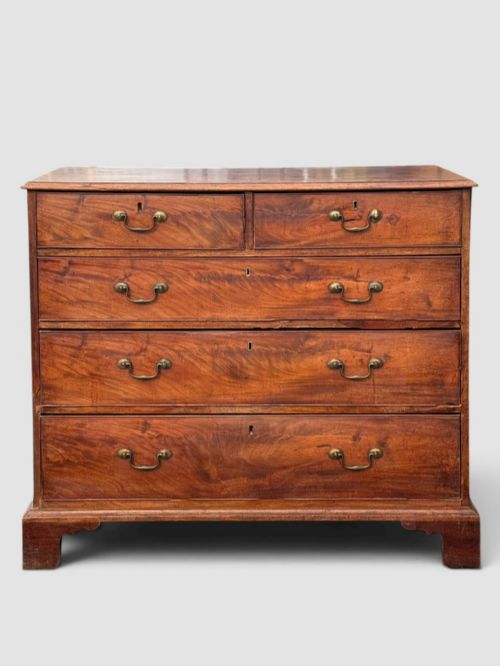
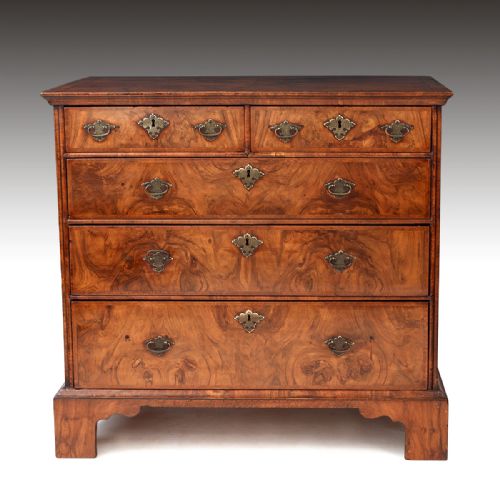
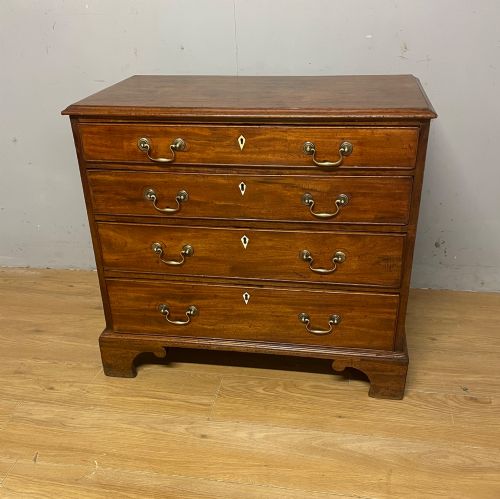
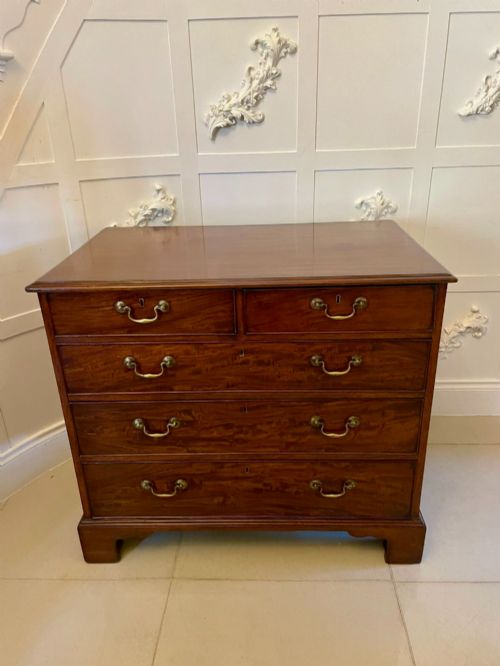
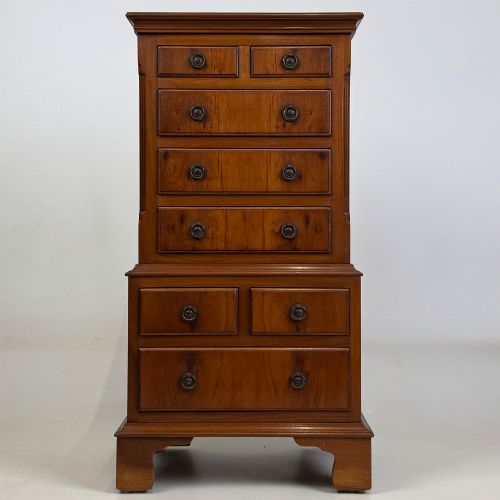
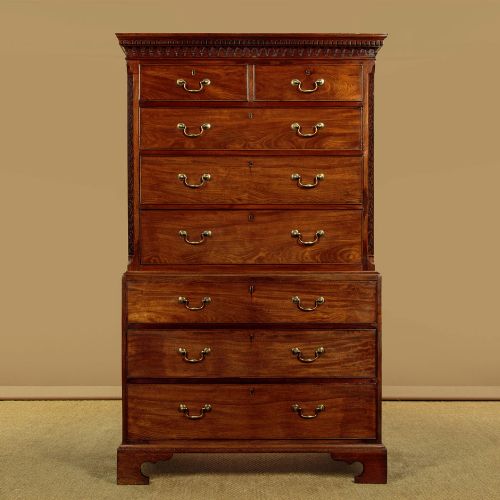
A bracket foot tallboy brings together stacked drawer configurations from the eighteenth and nineteenth centuries, offering significant vertical storage without dominating the floor plan. When exploring a bracket foot tallboy on this page, you encounter variations spanning the Georgian, Victorian, and Edwardian eras, predominantly built as chests on chests or tall proportions.
The selections here highlight sturdy oak and rich mahogany timbers, alongside figured walnut and cedar wood expressions. These pieces range from modest four-height designs to grand George III period examples featuring traditional brass hardware.
Materials and construction
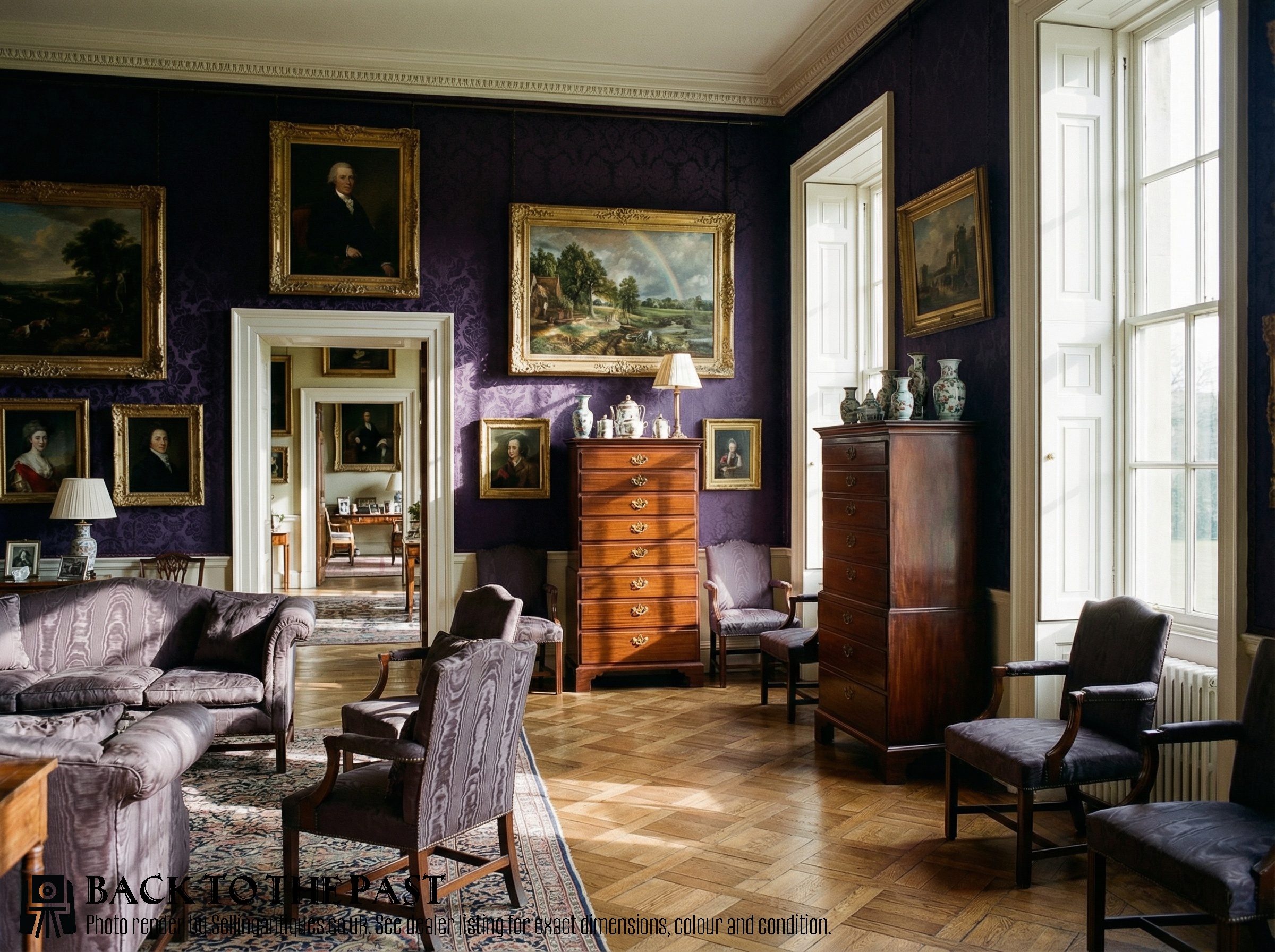
Cabinet makers utilised dense hardwoods like mahogany, oak, and walnut, frequently selecting burr walnut veneers for decorative surfaces. Joinery relied on precise dovetail joints for drawer construction, ensuring durability alongside the characteristic bracket feet that anchor the tall frame.
Hardware additions such as cast brass drop handles and escutcheons complemented the timber grains, while secondary softwoods like pine often formed internal drawer linings and carcass backs.
Bracket Foot Tallboy Retail Price Guide 2026
Typical asking prices for bracket foot tallboy among the pieces listed under this phrase on Sellingantiques today, from the lower quarter to the upper quarter. They describe what is for sale here now, not the wider market.
Some chests incorporate hidden compartments behind secret panels, designed for safely stabling precious keepsakes away from prying eyes.
Assessing quality and craftsmanship
Superior examples demonstrate careful timber selection, where highly figured mahogany or burr walnut grain patterns flow seamlessly across drawer fronts. The crispness of the bracket foot profile and the tightness of the dovetail joints indicate the maker's skill and the overall structural integrity of the chest.
Original hardware, including period brass handles and intact locks, elevates a piece significantly compared to later replacements. The internal condition, such as smooth-running drawers and clean oak or pine linings, further distinguishes finer specimens.
J Moorcroft
The Bracket Foot Tallboy Glossary
- Bracket foot
- A foot shaped like a bracket, mitred at the corner, supporting case furniture like chests and tallboys. This style provides a stable, elegant alternative to bun feet or legs.
- Tallboy
- A tall chest of drawers, often constructed as a chest on chest where a smaller upper section sits upon a larger base. It maximises vertical storage capacity.
- Dovetail
- A joint formed by interlocking wedge-shaped fingers, securing drawer corners with exceptional strength. It remains a hallmark of traditional cabinet making.
- Escutcheon
- A protective plate surrounding a keyhole, frequently cast in brass on antique furniture. It prevents the surrounding wood from wearing down through repeated use.
- Brushing slide
- A pull-out shelf integrated into the cabinet framework, traditionally used for dusting or folding clothes. It sits discreetly above the primary drawers.
Bracket Foot Tallboy: Frequently Asked Questions
What is a bracket foot tallboy?
A bracket foot tallboy is a tall, multi-drawer storage unit raised on architectural bracket feet, typically designed as a chest on chest.
These pieces combine vertical presence with traditional craftsmanship, originating primarily during the Georgian and later revival periods.
How do I style a tallboy at home?
Place your tallboy in a bedroom or hallway where its height can anchor the room without obstructing pathways.
Use the top surface for balanced displays of modest decorative objects while keeping everyday storage within the lower drawers.
What woods were used for tallboys?
Cabinet makers predominantly built these pieces using solid mahogany, oak, and walnut, often featuring figured veneers.
Secondary timbers like pine and cedar frequently appeared in secondary areas such as drawer linings and internal framing.
How do I distinguish period styles?
Examine the timber selection, hardware design, and foot profiles to gauge whether a piece belongs to the Georgian era or later revivals.
Construction methods like hand-cut dovetails and timber ageing patterns offer further clues to a piece's exact historical context.