
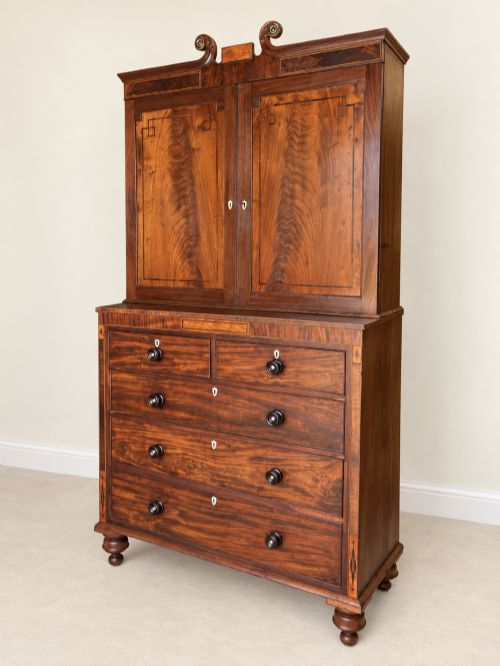
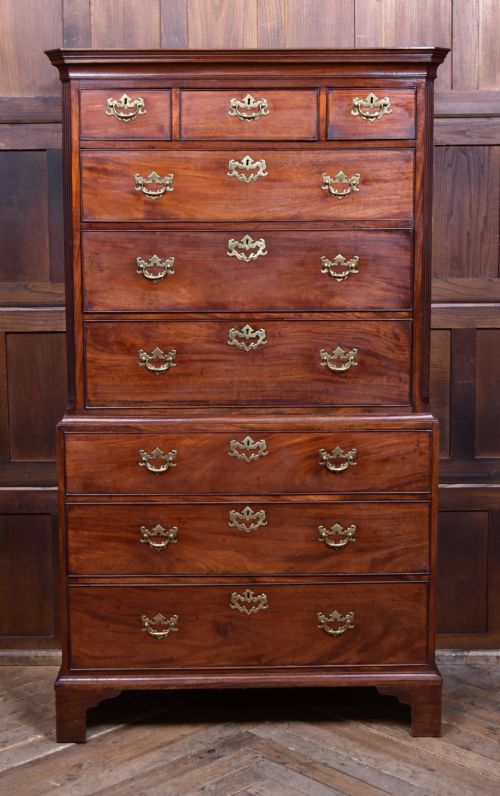
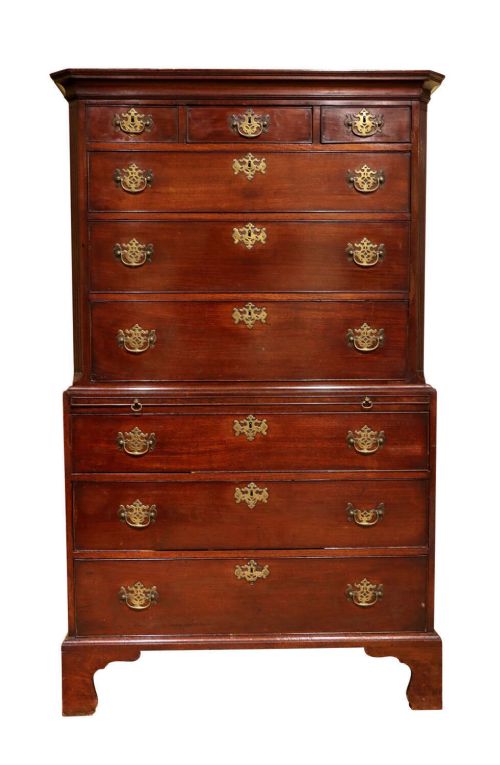
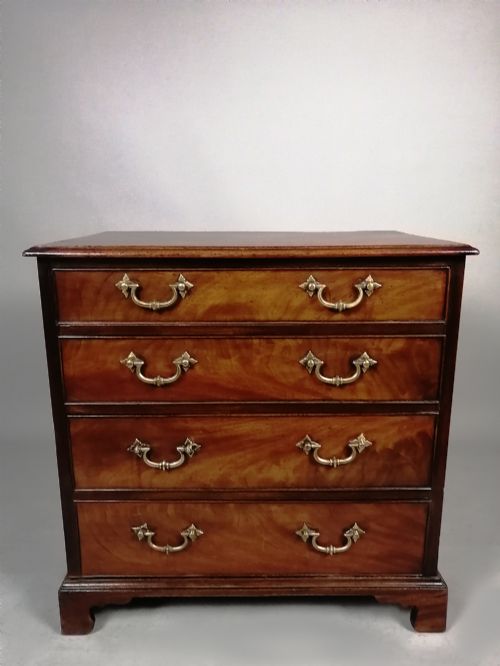
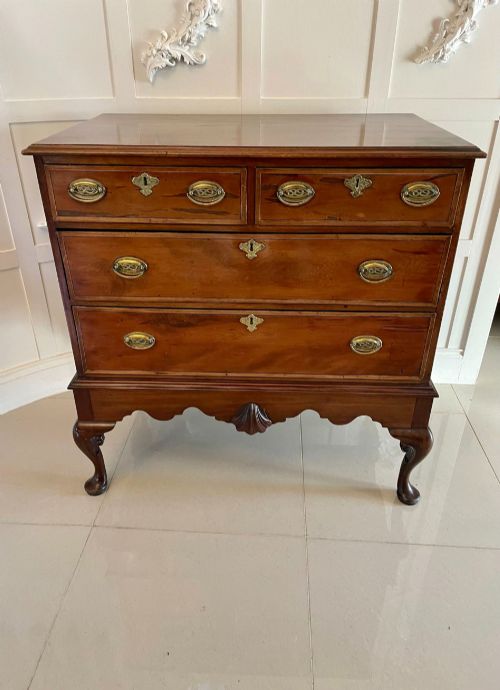
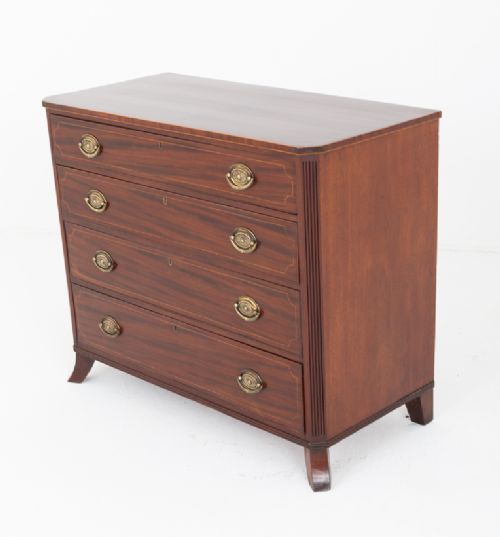
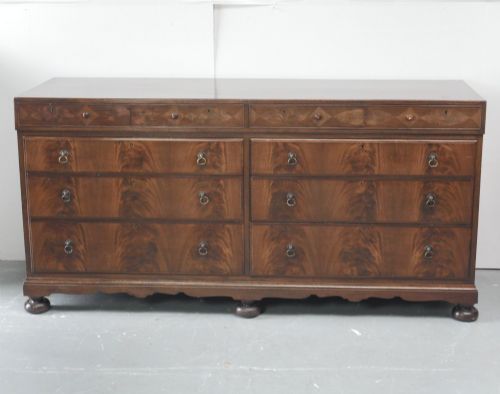
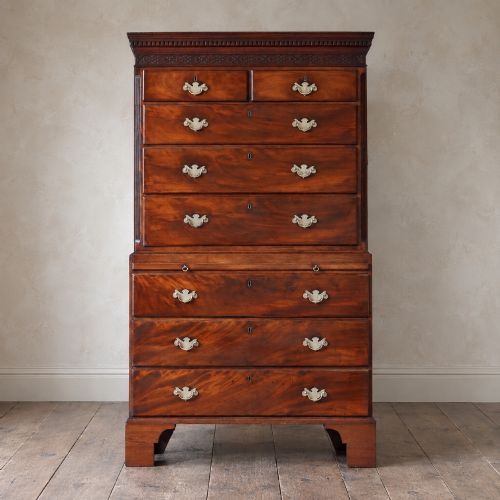
Georgian Mahogany Tallboy Chest
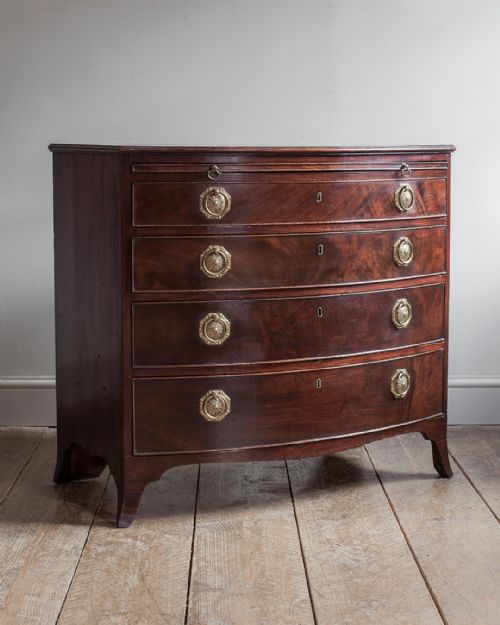
A georgian mahogany tallboy chest provides monumental vertical storage by stacking a smaller chest atop a deeper base.

Georgian Mahogany Tallboy Chest
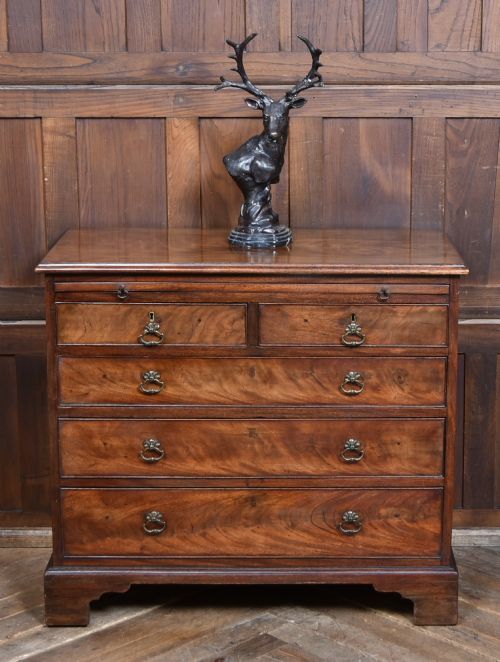
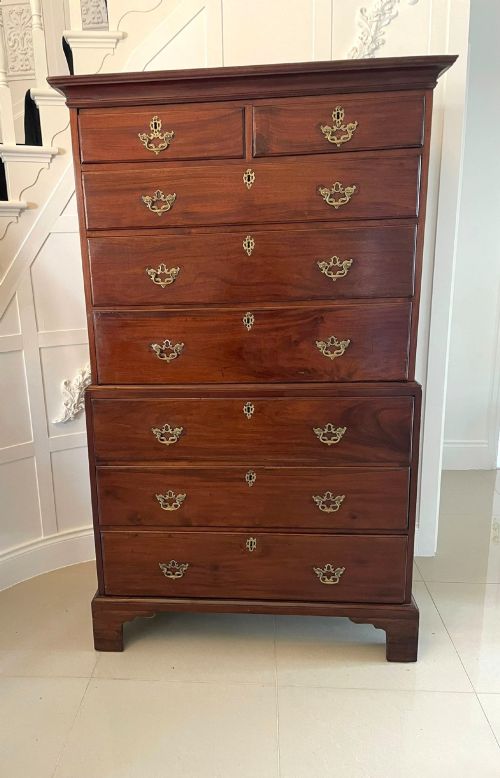
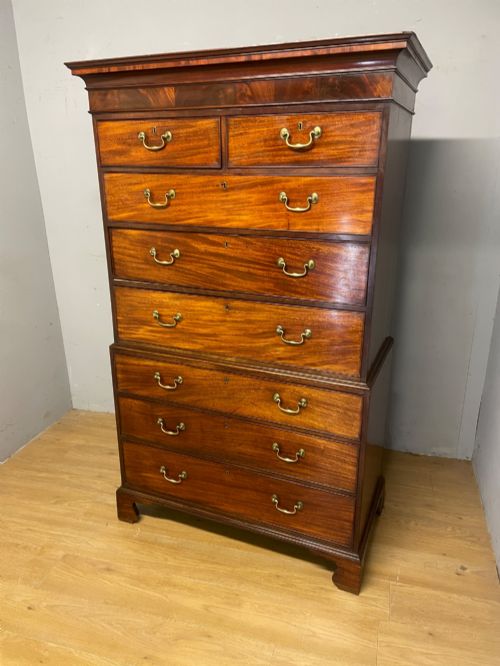
A georgian mahogany tallboy chest represents the pinnacle of eighteenth-century cabinet making, combining twin carcases into a single towering unit. You will most frequently encounter two-part chests on chest featuring multiple graduated drawers arranged beneath a moulded cornice.
The form developed to maximise bedroom storage without enlarging the floor footprint. Pieces often incorporate pull-out brushing slides intended for writing or resting clothes during dressing.
Proportions shift from substantial Georgian and George III proportions to later Regency interpretations and Edwardian revivals. Examples span structural timber configurations from plain solid boards to highly figured veneers.
How they were made
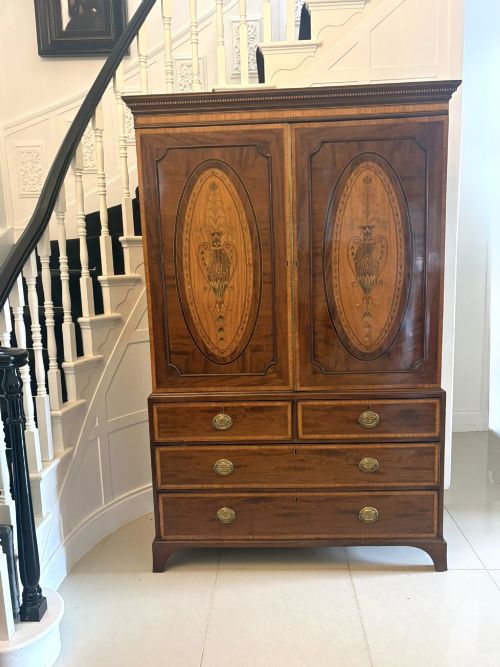
Cabinet makers utilised dense tropical timber alongside native secondary woods like oak for drawer linings and internal carcase framing. Mahogany panels were selected for rich grain movement, occasionally enhanced by satinwood banding or ebonised stringing.
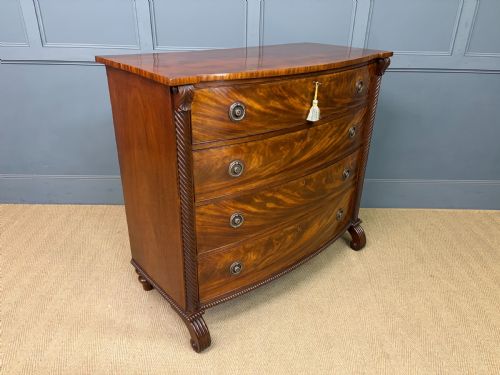
Makers applied flame mahogany veneers over stable sub-strates to create dramatic figuring across drawer fronts. Dovetail joints secured the drawer construction while brass swing handles and escutcheons finished the exterior.
The upper and lower sections were constructed separately to allow transport before joining beneath a decorative cornice. Secondary woods remained hidden behind exterior drawer boxes and backboards.
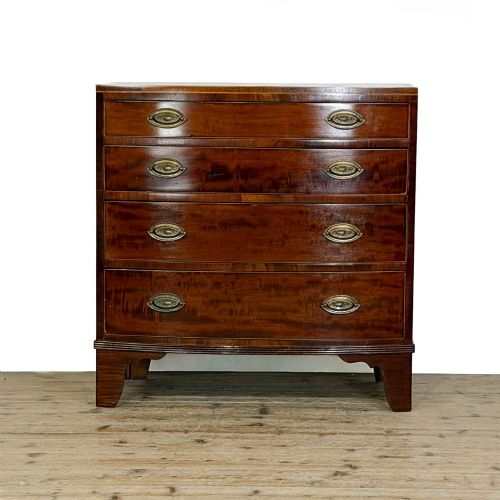
Form variations include standard chests on chest alongside specialised linen presses, wardrobes, and compact bow-front editions.
What varies in quality
The selection of timber grain dictates visual hierarchy, with book-matched flame mahogany veneers commanding greater regard than plain vertical boards. Crisp execution of mouldings and retention of original brass hardware elevate the status of a piece.
Proportion and scale distinguish finer workshops, particularly where drawers graduate evenly and cornices retain delicate dental or Greek key carving. Structural integrity relies upon sound internal framing and undisturbed drawer linings.
Whytock and Reid·J Moorcroft
The Georgian Mahogany Tallboy Chest Glossary
- Tallboy
- A tall chest of drawers built in two stacked sections, also known as a chest on chest. This form maximises vertical capacity while maintaining a compact floor footprint.
- Brushing slide
- A pull-out shelf integrated into the waist of the chest, traditionally used for folding linen or as a temporary writing surface. It sits discreetly between the upper and lower drawer tiers.
- Flame mahogany
- A veneer cut from the branch junctions of the mahogany tree, producing a distinctive rippling flame pattern. Cabinet makers reserved this timber for principal drawer fronts and primary display surfaces.
- Crossbanding
- A decorative border of veneer laid with the grain running perpendicular to the surrounding wood. This technique frames drawer perimeters and top surfaces on refined pieces.
Georgian Mahogany Tallboy Chest: Frequently Asked Questions
What is a tallboy?
A tallboy is a two-section chest of drawers where a narrower upper carcase sits directly upon a wider lower chest. This dual-carcase construction created high-capacity storage while keeping the footprint manageable.
Cabinet makers designed these pieces for principal bedrooms to hold folded garments and linens. The division into two parts also aided transport up narrow staircases.
How do I use a tallboy?
Tallboys suit bedrooms and dressing rooms requiring vertical storage solutions that occupy minimal floor space. The upper drawers accommodate smaller garments while the deeper lower drawers handle bulkier items.
The pull-out brushing slide provides a convenient surface for laying out daily accessories or folding clothes. Placing the chest away from direct heat sources protects the timber and veneer.
How do I date a tallboy?
Dating relies on architectural details, timber choice, and construction methods visible inside the drawers. Earlier eighteenth-century examples display hand-cut dovetails and solid mahogany boards, whilst later Regency pieces often introduce satinwood crossbanding.
Cornice profiles and brass hardware styles evolve from plain Georgian mouldings to bolder Regency forms and Edwardian revival interpretations.
Are tallboys heavy?
Tallboys are substantial pieces constructed from dense hardwoods and are typically built in two separate halves. This modular design makes them easier to move and position within a room.
Lifting the upper section off the base reduces the weight significantly during relocation. Wall securing brackets are sometimes utilised to ensure stability on uneven floors.