

Antique Chippendale Chest
An antique chippendale chest combines structural mastery with rich timber, offering timeless storage that anchors a traditional room.
Antique Chippendale Chest
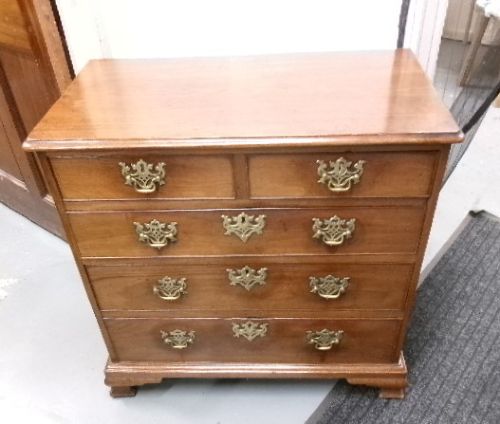
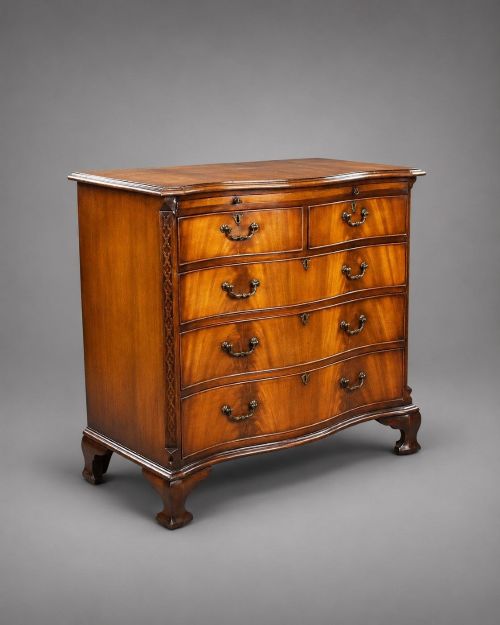
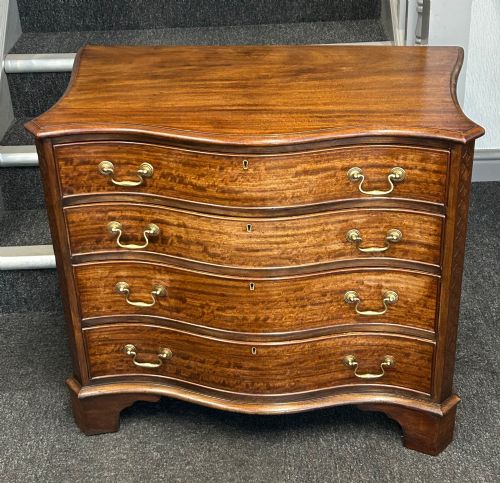
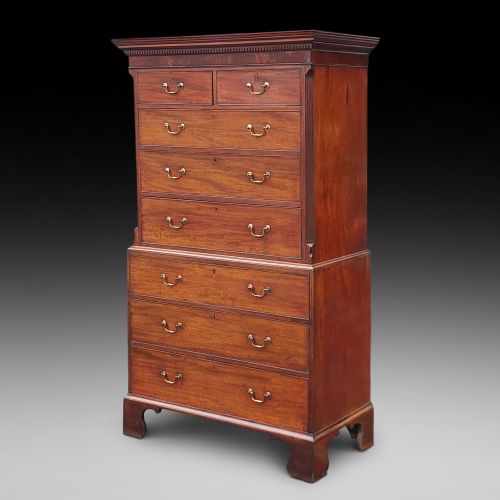
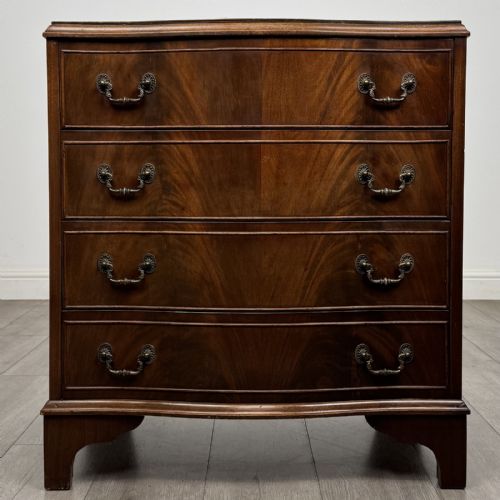
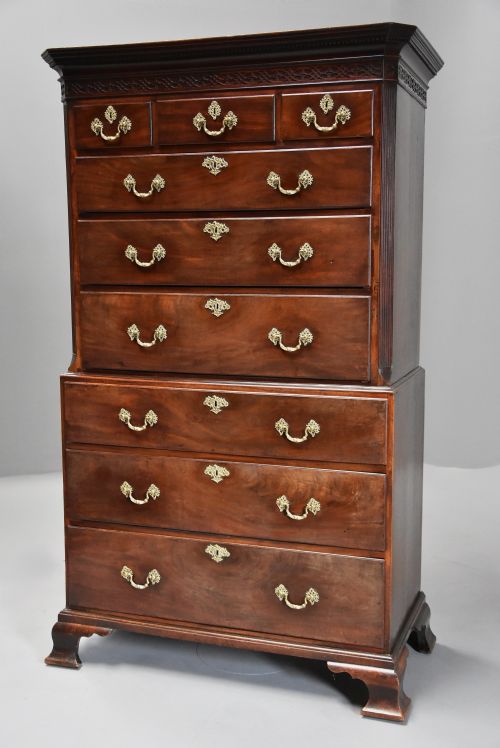
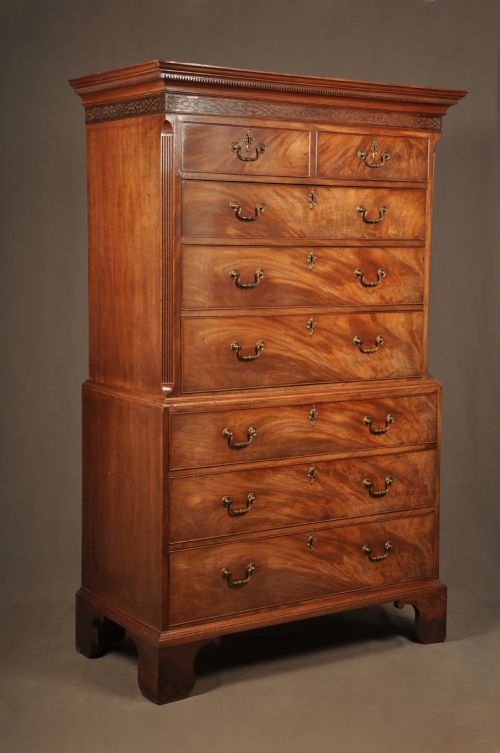
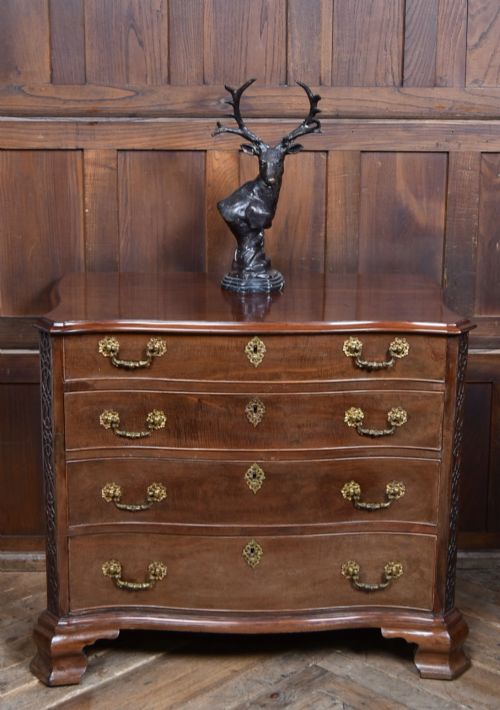
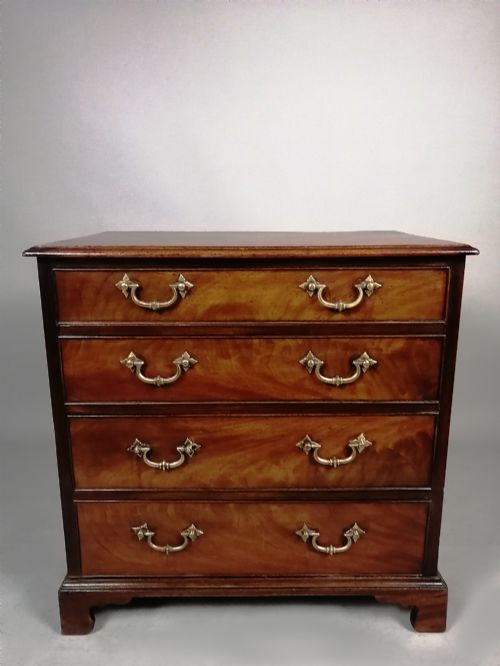
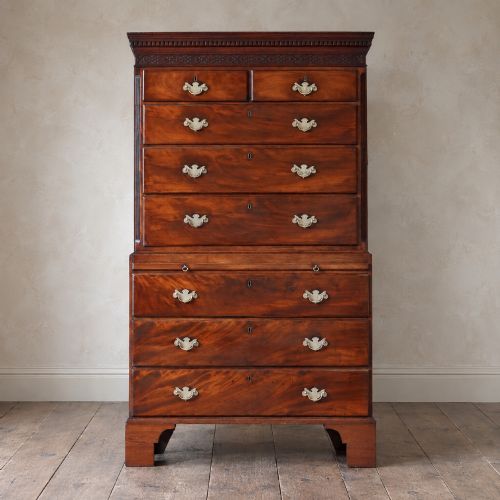
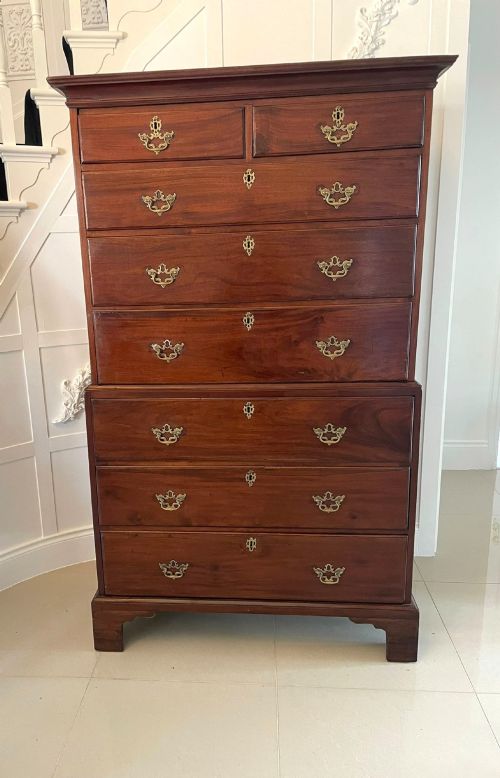
When you search for an antique chippendale chest, you encounter case furniture spanning the mid-eighteenth century alongside later revival pieces from the EDWARDIN and 1900 periods. The forms range from standard drawer units to elaborate chests on chests, tallboys, and serpentine fronts shaped with curved drawer contours.
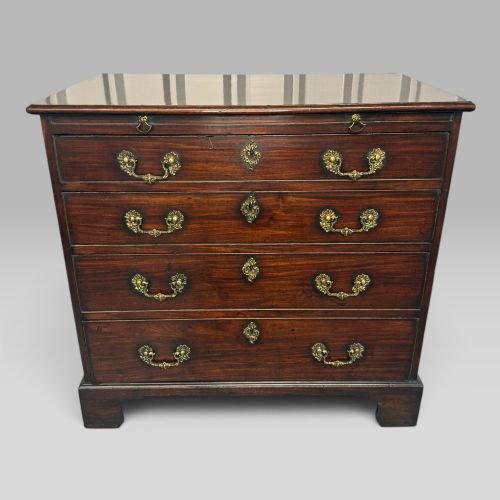
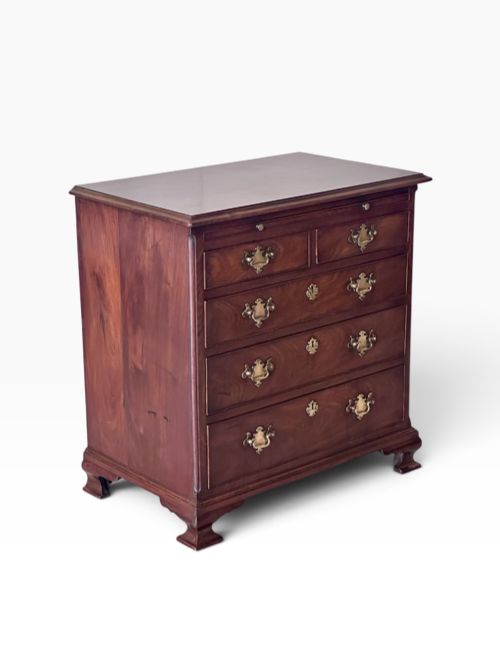
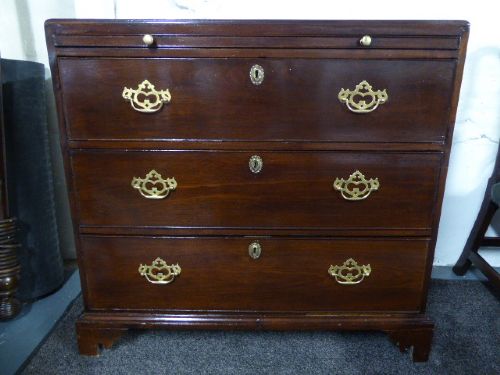
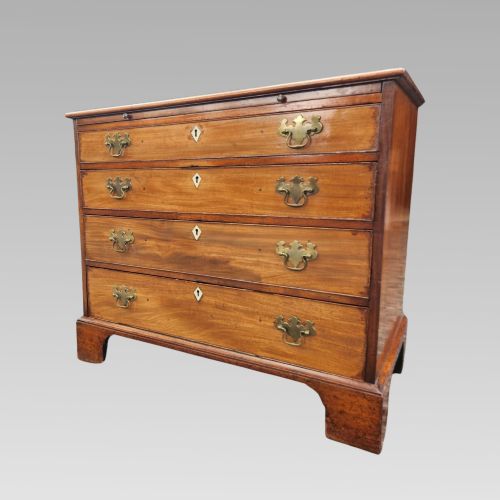
Original pieces from the Georgian era sit alongside later interpretations built in the Chippendale style during the nineteenth and twentieth centuries. These works predominantly take the form of chests of drawers, often incorporating secondary functions like brushing slides or writing compartments.
Materials and construction
Makers relied heavily on dense hardwoods, employing standard mahogany, figured mahogany, Cuban mahogany, and occasionally elm or satinwood for contrasting details. Brass hardware provided functional drawer pulls and escutcheons, while interior framing frequently utilised oak.
Cabinetmakers shaped serpentine fronts from thick timber planks, carving decorative mouldings directly into the wood rather than applying cast ornaments. Dovetail joints secured the drawer construction, ensuring structural durability across centuries of daily use.
Antique Chippendale Chest Retail Price Guide 2026
Typical asking prices for chippendale chest among the pieces listed under this phrase on Sellingantiques today, from the lower quarter to the upper quarter. They describe what is for sale here now, not the wider market.
Secret compartments hidden behind false drawer fronts occasionally surface in these chests, designed to guard family currency.
Judging the standard of execution
The degree of refinement in the timber grain and the precision of the carved details dictate the standing of an individual piece. Highly figured mahogany or carefully matched veneer patterns separate superior examples from plain utilitarian alternatives.
Proportion and the fluidity of the serpentine curve define the visual success of the design. Sharply executed drawer dovetailing and the retention of original brass handles indicate superior workshop standards.
Thomas Chippendale
The Antique Chippendale Chest Glossary
- Serpentine
- A front contour characterised by a convex centre flanked by concave curves. This shaping requires skilled timber reduction and precise drawer construction.
- Chest on chest
- A tall storage unit comprising a smaller upper chest stacked directly upon a wider lower base. This form maximises vertical capacity.
- Brushing slide
- A pull-out shelf integrated above the top drawer used for writing or folding garments. It operates on wooden runners within the frame.
- Tallboy
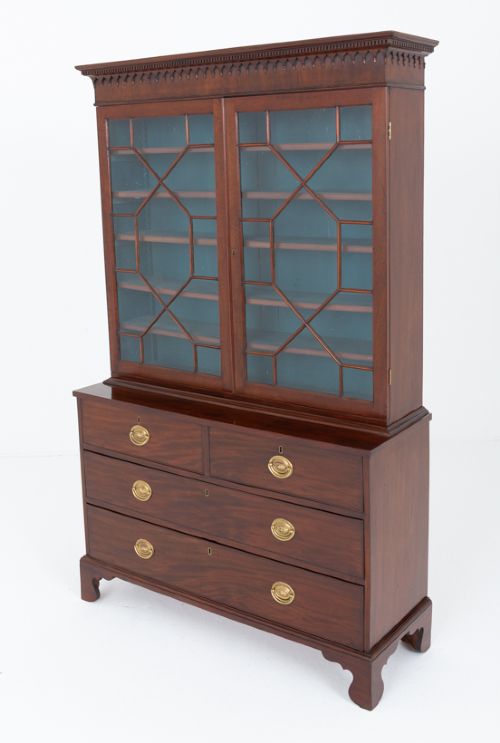
- A high freestanding chest of drawers, often constructed as a chest on chest or a tall single carcass with linen press doors above.
- Escutcheon
- A protective brass plate surrounding a keyhole. It prevents timber wear around the lock mechanism.
Antique Chippendale Chest: Frequently Asked Questions
How do I spot a true 18th century piece?
Examine the timber shrinkage, interior drawer construction, and secondary woods like oak or pine used in the carcass linings. Eighteenth-century examples display hand-cut dovetails and natural wax patination developed over generations.
Compare the proportion of the mouldings and the specific carving motifs against documented pieces from the Georgian period. Later revivals from the EDWARDIN era often reveal machine-sawn timber and differing internal construction methods.
What is a brushing slide used for?
A brushing slide served as a convenient pull-out surface for temporary writing or dusting garments before they were stored in the drawers below. It slides neatly into the framework just beneath the top moulding.
This feature appears frequently on mid-eighteenth-century chests and tallboys, offering practical versatility within the bedroom or dressing room.
How should I care for a mahogany surface?
Maintain the timber by applying a microcrystalline wax polish sparingly and buffing gently with a soft cloth. Avoid placing the chest near direct heat sources or strong sunlight, which can dry out the mahogany and fade the natural colour.
Dust the carved details regularly using a dry, soft-bristled brush to prevent particulate buildup in the intricate mouldings.
What distinguishes a tallboy from a standard chest?
A tallboy provides significantly greater storage capacity by stacking two cabinet sections vertically or building an extended single carcass. These pieces often incorporate a linen press or extra drawer tiers to reach a commanding height.
Standard chests remain lower to the ground, frequently functioning as dressing surfaces or topped with mirrors in period interiors.