


Botanical Illustration Art
Botanical illustration art brings the disciplined observation of nature into domestic rooms through watercolours, engravings and lithographs.
Botanical Illustration Art
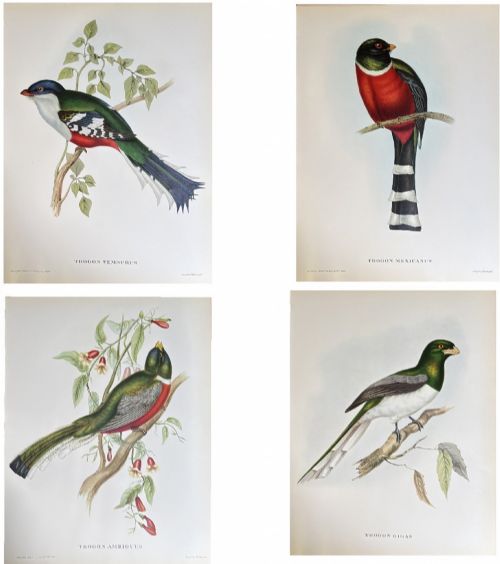
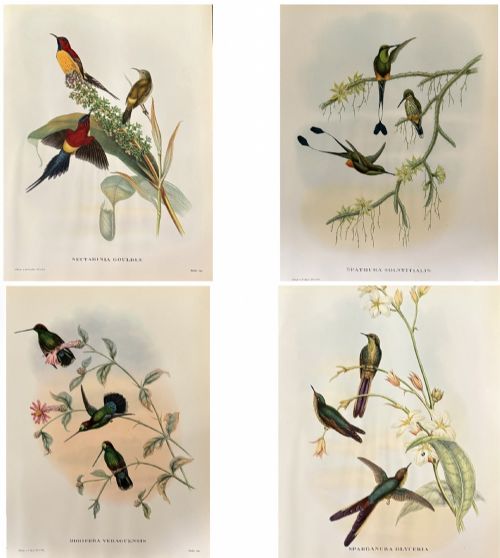
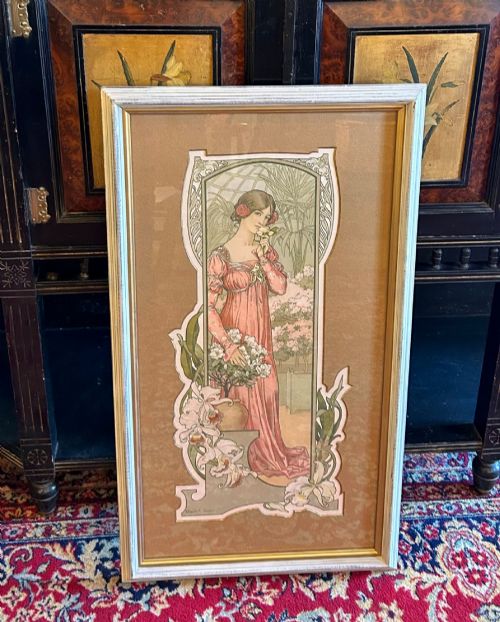
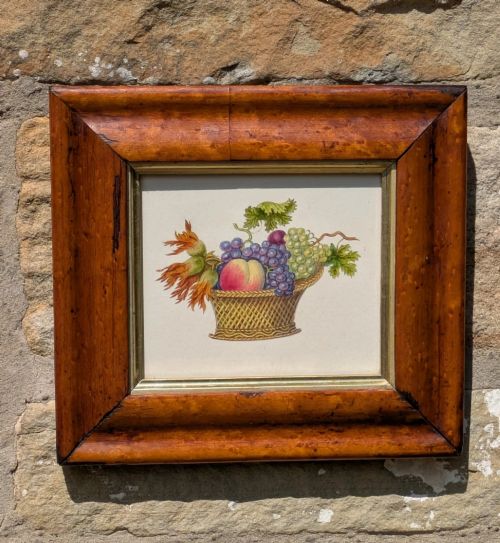
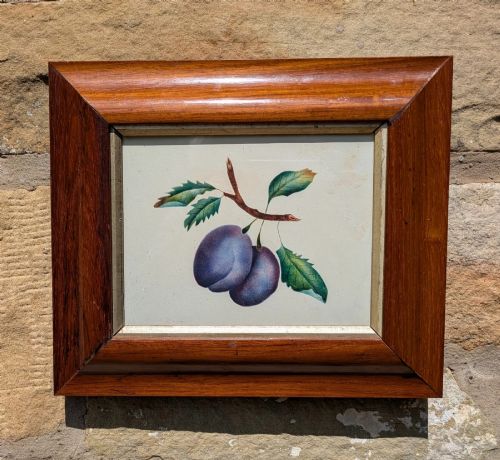
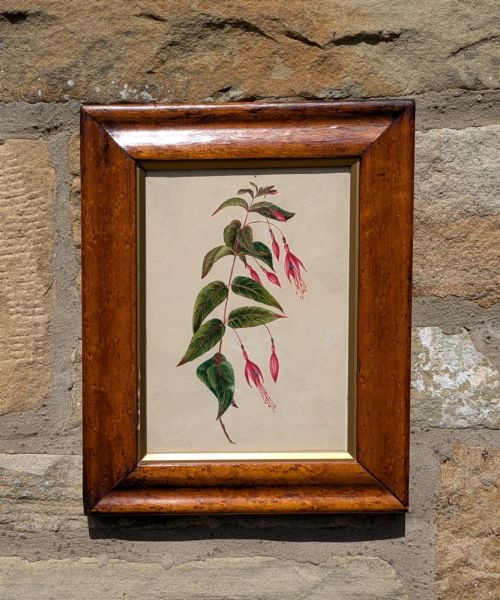
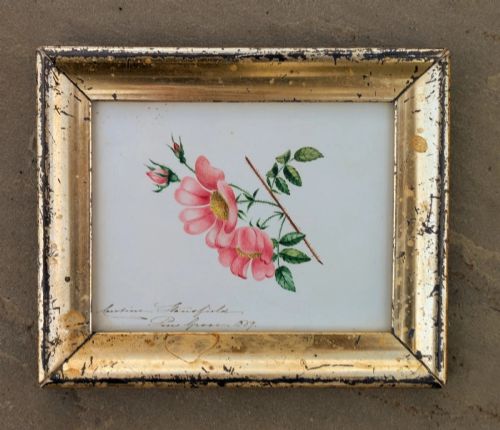
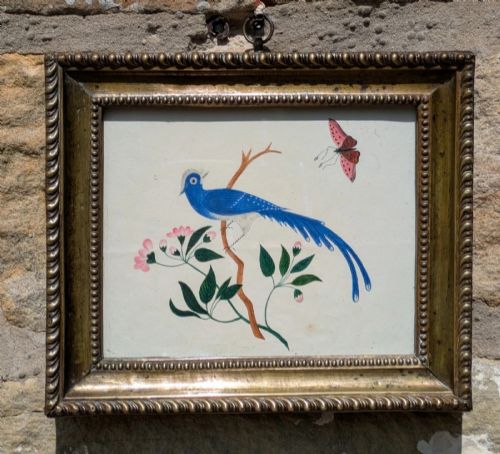
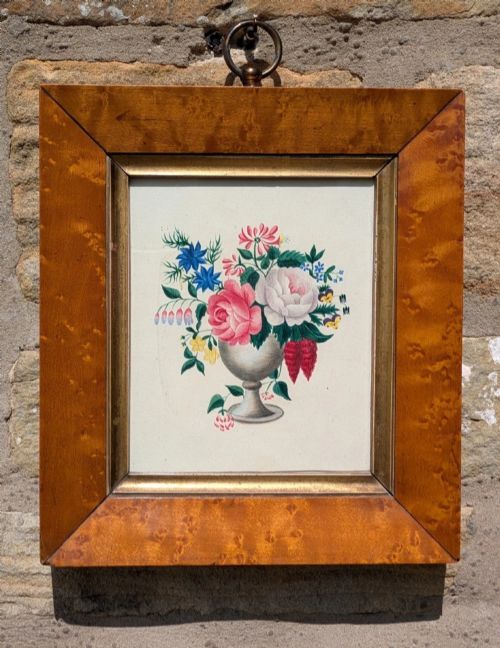
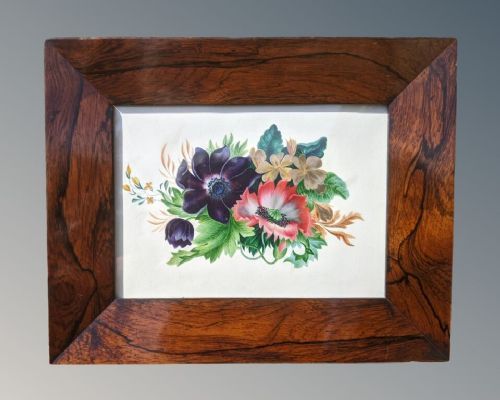
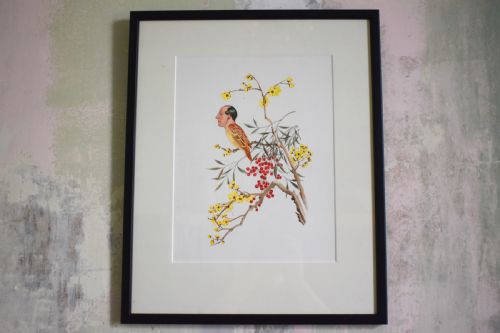
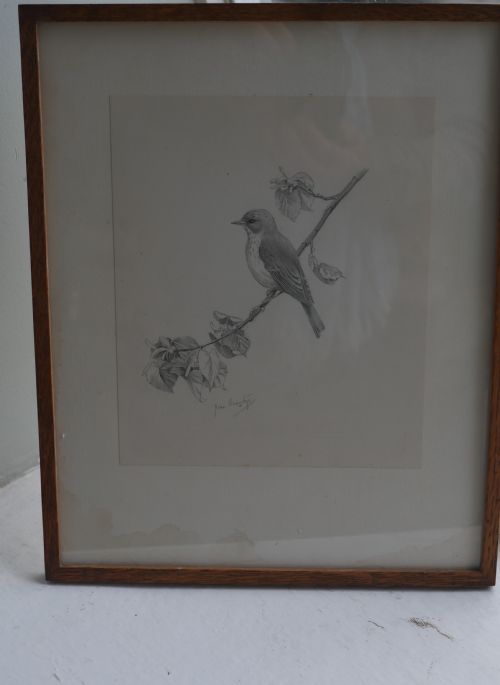
Botanical illustration art encompasses framed watercolours, hand-coloured engravings and vintage lithographs spanning the eighteenth century to the mid-twentieth century. Buyers encounter natural history studies of flowers, fruit, sea shells and birds originating from British, French and wider European traditions.
The selections on this page lean heavily toward nineteenth-century watercolours of floral subjects and ornithological engravings. Pieces range from single manuscript sheets to structured sets of prints housed in period wood or gilt frames.
How they were made
Makers produced these works on paper using watercolours, ink, gouache and pencil, often applying hand-colouring over copperplate engravings or lithographs. Artisans housed the resulting plates and paintings in rosewood, wood and gilt leaf frames.
Printmakers utilised stone for lithography or metal plates for engraving to create uniform foundational lines before artists added pigment by hand. This combination of mechanical printing and individual brushwork defined natural history publishing.
What varies in quality
Quality rests in the precision of the draughtsmanship and the delicacy of the pigment application. Master botanical artists captured botanical and ornithological accuracy with a fine brush, whereas lesser pieces rely on stiff outlines and flat washes of colour.
The preservation of the paper and the vibrancy of the original watercolours or hand-applied tints determine the standing of an individual plate. Intact sets with uniform colouring command greater attention than dispersed fragments.
Elisabeth Sonrel·Oliver Goldsmith·Henrietta Creswell·William Andrews Nesfield·Eloise Harriet Stannard·Pancrace Bessa·George Edwards·Jabez Bligh·Charlotte Isa James·Alice Macallan Swan·John Curtis·Annie Mary Youngman·Edith Alice Andrews·Georg Wolfgang Knorr·William Swainson
The Botanical Illustration Art Glossary
- Lithography
- A planographic printing process using a flat stone or metal plate on which image areas accept ink and non-image areas reject it. This technique allowed publishers to distribute hand-coloured natural history prints in quantity.
- Engraving
- A method of cutting design lines into a metal plate that then hold ink for printing under pressure. Botanical publishers relied on this medium for crisp, detailed plant and bird outlines.
- Gouache
- An opaque watercolour medium containing pigment mixed with a binding agent and white filler. Artists utilised it to build solid blocks of saturated colour in floral and bird studies.
- Hand-coloured
- The practice of applying watercolours or tints by brush to a printed monochrome engraving or lithograph. This traditional step brought scientific plates closer to the living hues of specimens.
- Ornithological
- Pertaining to the scientific study and depiction of birds. These plates document avian species with anatomical precision.
Botanical Illustration Art: Frequently Asked Questions
How should I hang botanical watercolours?
Protect watercolours and coloured prints from direct sunlight to prevent the fading of delicate pigments on paper. Hang them in rooms with stable humidity away from direct heat sources.
Group smaller framed engravings or botanical studies in sets to create balance on a wall. Match the timber tones of period frames with existing furniture in the space.
What is the difference between an engraving and a lithograph?
Engravings show fine, incised lines transferred from metal plates under pressure. Lithographs rely on chemical grease-and-water reactions on stone surfaces to produce softer tonal gradations.
Both mediums served as the base layer for hand-colouring in nineteenth-century publications. Close inspection with a glass reveals the crisp edges of copperplate lines versus the grainier texture of lithographic ink.
How do I date an antique botanical print?
Examine the paper quality, plate marks and watermark evidence where visible. Typography styles on captions and the specific hand-colouring palette also point to the era of production.
Compare the paper tone and framing materials against known periods like the Regency or Victorian era. Published books and scientific folios often carry explicit publication dates on their title pages.
Are these pieces original works or reproductions?
The listings comprise period watercolours painted by hand and original antique plates from historical natural history volumes. Each item represents the era stated in its description rather than a modern facsimile.
Original engravings and lithographs carry the physical impression of the printing process on antique paper stocks. Watercolours display individual brushstrokes and pigment pooling unique to each sheet.