


Edwardian Flower Painting
Edwardian flower painting brings domestic gardens and botanical studies into focus through delicate watercolours and oils.
Edwardian Flower Painting
Edwardian flower painting encompasses delicate watercolours, robust oils on canvas, and hand-painted ceramics that capture garden landscapes and botanical subjects. Collectors seeking an edwardian flower painting encounter works executed on paper and canvas alongside painted porcelain vessels and stained glass windows.
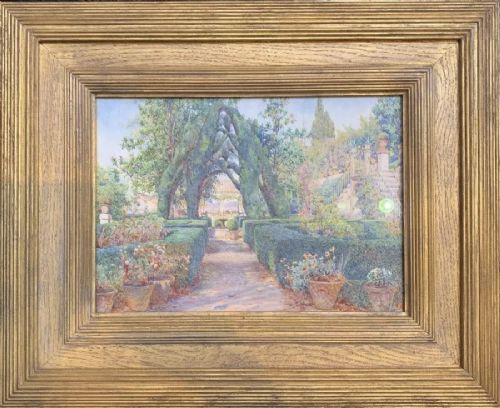
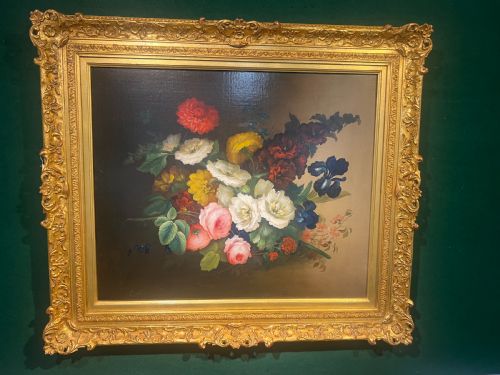
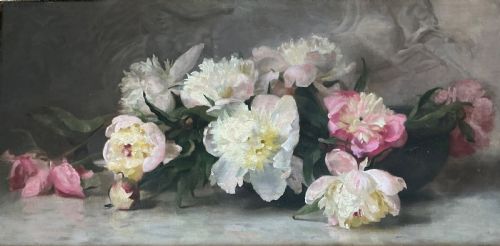
The selection ranges from intimate depictions of cottage gardens and woodland bluebells to formal still life studies of peonies, roses, and pelargoniums. Many examples reflect the era's fascination with horticulture, showing walled gardens, spring crocuses, and orderly flower beds.
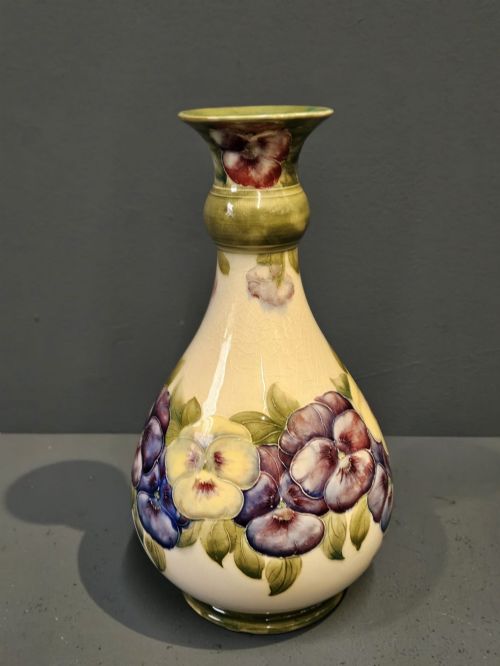
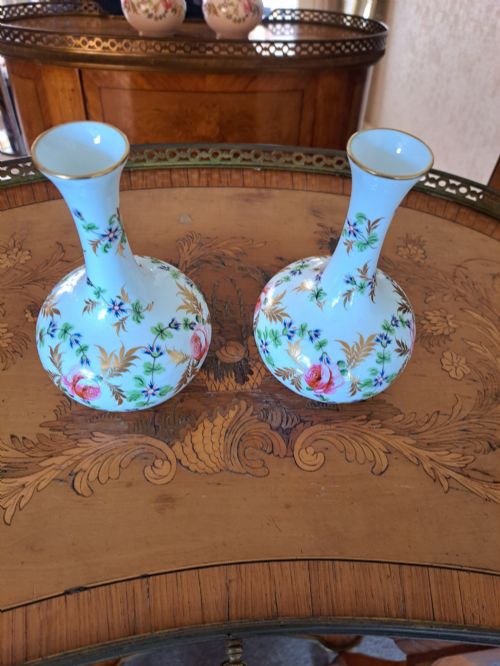
Watercolour paintings on paper dominate the works originating from this period, frequently preserved behind glass in period frames. Alongside these flat artworks, buyers meet three-dimensional ceramic vases and centrepieces decorated with floral motifs.
Materials and techniques
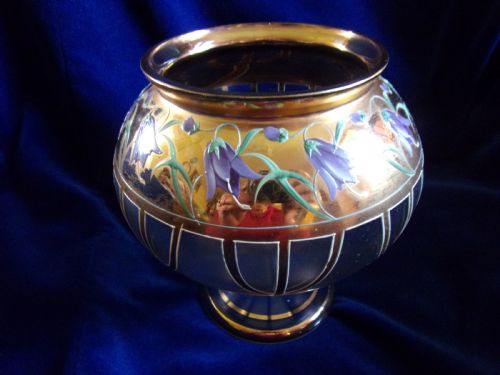
Artists of the period applied watercolour pigments onto heavy paper or oil paints onto canvas, capturing light and texture in garden settings. Ceramic pieces utilised porcelain bodies decorated with enamel colours and gold leaf highlights.
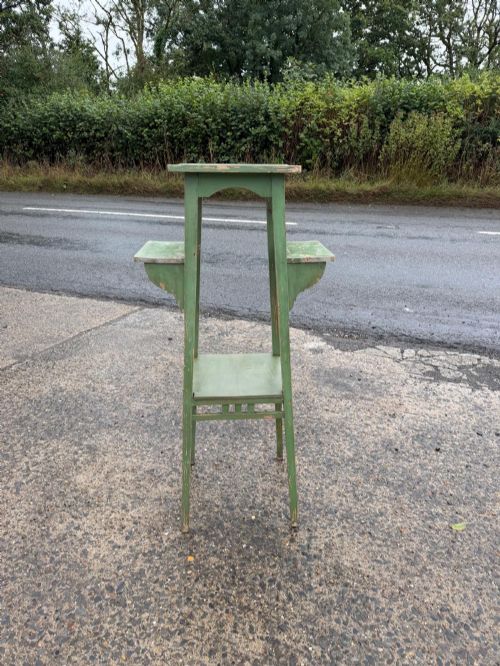
Glass works incorporated leaded framing combined with hand-painted floral designs and bullseyes, while metal items relied on iron and gold components to form plant stands and jewellery.
Listings combine watercolours, oil paintings, leaded glass windows, and porcelain vases from the Victorian era through the nineteen-thirties.
Factors determining quality
The distinction between standard decorative items and superior works rests upon the confidence of the brushwork and the botanical accuracy of the petals and leaves. Finer watercolours and oils display subtle tonal variations in light and shadow rather than flat, uniform washes of colour.
On ceramics and glass, the crispness of the hand-painted enamel decoration and the richness of the gilding separate master-level output from routine commercial production. Original framing and undisturbed surfaces further elevate the standing of flat artwork.
Ernest Arthur Rowe·Moorcroft McIntyre·Edwin Steele·Crown Derby·William Watt Milne·Gertrude Hayes·Royal Worcester·Lester Sutcliffe·Ernest Higgins Rigg·Lilian Stannard·Royal Doulton·Dressel Kister And Cie·Coalport
The Edwardian Flower Painting Glossary
- Watercolour
- A painting method where fine pigment is suspended in a water-based solution and applied to paper. This medium allows for translucent washes that suit delicate floral subjects.
- Enamel
- A durable vitreous substance fused to glass, porcelain, or metal through high-temperature firing. It provides vibrant, glossy surface decoration on vessels and windows.
- Still life
- An artwork depicting inanimate subject matter, typically focusing on a grouping of cut flowers in a container. These compositions emphasise form, colour, and texture.
- Gilt
- A thin layer of gold applied to the surface of wood, ceramic, or metal objects. This technique adds reflective highlights to frames, vases, and decorative trims.
- Spill vase
- A tall, slender vessel designed to hold taper candles or spills used for lighting fires. They often feature elaborate hand-painted floral ornamentation.
Edwardian Flower Painting: Frequently Asked Questions
What subjects do these paintings show?
These works depict English country gardens, woodland bluebells, walled garden borders, and detailed still life arrangements of roses and anemones.
Artists captured both wild spring blossoms and cultivated plants growing in public parks and private estates.
How should I display watercolour paintings?
Watercolours require placement away from direct sunlight to prevent the pigments from fading over time.
Keeping them behind protective glass in stable indoor humidity conditions preserves the paper and mounting materials.
Are painted ceramics functional or decorative?
Vases, pot pourri vessels, and centrepieces served both ornamental purposes and practical functions in period homes.
Many pieces were designed specifically to display cut blooms or dried botanical scents within drawing rooms.
How do I identify Edwardian period works?
Dating relies on stylistic markers such as impressionistic brush techniques, soft pastel palettes, and characteristic Art Nouveau influences.
Signatures, artist registry records, and ceramic backstamps also provide precise chronological placement.