



Victorian Potted Plant Painting
These Victorian potted plant painting pieces capture horticultural life through delicate watercolours and oils, offering an enduring botanical charm for any room.
Victorian Potted Plant Painting
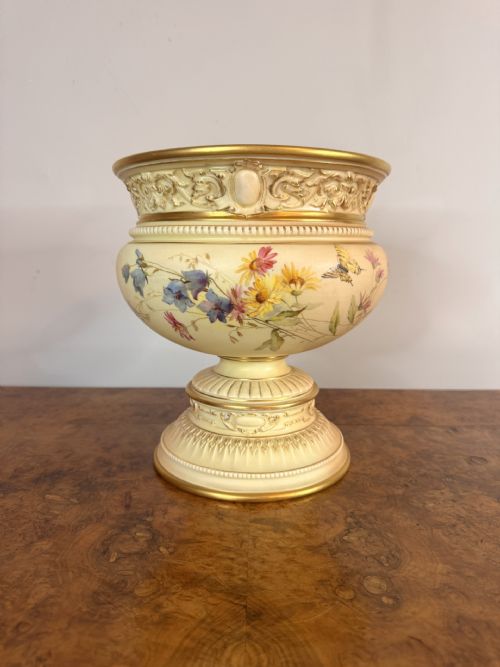
A Victorian potted plant painting depicts botanical subjects, notably still lifes of pelargoniums rendered in watercolour by artists such as Annie Mary Youngman. These works form part of a broader material culture that includes painted porcelain jardinieres, garden planters, and plant stands from the nineteenth century.
Buyers seeking a Victorian potted plant painting encounter nineteenth-century works alongside related planted furnishings like cast iron and wrought iron strapwork planters, terracotta or earthenware vessels, and majolica jardinières on pedestal stands.
The objects span periods from the 1860s through the Edwardian era, capturing both domestic watercolours and decorative items associated with conservatory and orangery settings, such as planting tables and Gothic stands.
How They Were Made
Watercolour paintings utilise paper media to depict botanical subjects with fine detail, while painted porcelain and pottery items employ glazed ceramic finishes applied to earthenware and majolica bodies.
Metalwork pieces rely on cast iron, wrought iron, and strapwork techniques, often combined with painted surfaces or gilding to enhance decorative garden and conservatory objects.
Woodwork utilises hardwood for items like console tables and orangery planting tables, integrating structural joinery with period styling.
Victorian Potted Plant Painting Retail Price Guide 2026
Typical asking prices for victorian potted plant painting among the pieces listed under this phrase on Sellingantiques today, from the lower quarter to the upper quarter. They describe what is for sale here now, not the wider market.
Pelargoniums remain the perennial favourite, looking delightfully cheerful whether painted on paper in watercolour or potted in cast iron.
What Varies in Quality
Quality rests upon the fineness of the painting technique, particularly in watercolours where brushwork and subject accuracy define the piece, alongside the artistry of hand-painted porcelain jardinieres.
Material execution separates standard items from finer works, visible in the intricate casting of iron garden planters, the depth of glaze on majolica ceramic ware, and the robustness of hardwood joinery in plant stands.
Burmantofts·Annie Mary Youngman
The Victorian Potted Plant Painting Glossary
- Pelargonium
- A type of flowering plant frequently chosen as a subject for nineteenth-century botanical still life watercolours. These plants were popular subjects in domestic gardens and conservatories.
- Jardiniere
- A decorative pot or stand designed to hold plants or flowers, often manufactured from glazed ceramic, majolica, or cast iron. They form a central part of nineteenth-century display furnishings.
- Majolica
- A type of colourful glazed pottery produced during the nineteenth century, often seen in pedestal stands and jardinières. It provides a glossy, vibrant finish to botanical vessels.
- Strapwork
- A decorative technique utilising flat bands of metal, seen in wrought iron planters from the nineteenth century. This method creates geometric patterns across garden and conservatory furnishings.
Victorian Potted Plant Painting: Frequently Asked Questions
What is a Victorian potted plant painting?
A Victorian potted plant painting is a nineteenth-century artwork depicting botanical subjects, such as still lifes of pelargoniums executed in watercolour.
These pieces reflect the period's fascination with botany and horticulture, often complementing physical garden planters and plant stands found in homes and conservatories.
How were these painted porcelain pieces made?
These ceramic items were shaped from pottery or porcelain and finished with hand-painted glazes, a technique seen in Victorian jardinieres.
Painted porcelain required skilled application of colour before firing, resulting in durable, decorative vessels intended to house indoor plants.
What materials are common in these items?
The listings feature a range of materials including watercolour paint on paper, hand-painted porcelain, and glazed ceramic earthenware.
Additionally, metalwork items utilise cast iron, wrought iron, and gilding, while furniture pieces incorporate hardwood and terracotta.
How do I style a jardiniere?
A jardiniere can be placed on pedestals, console tables, or orangery planting tables to display potted flora within a room.
Their decorative ceramic or cast iron bodies allow them to function as sculptural elements as well as practical plant holders.