
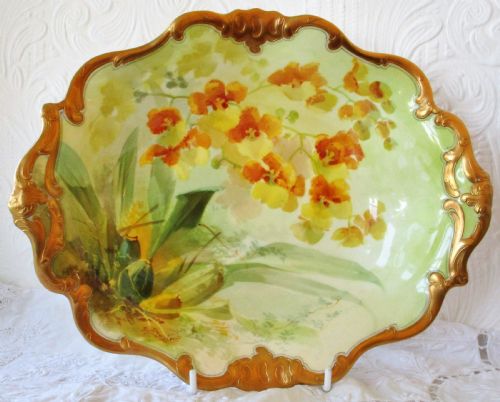
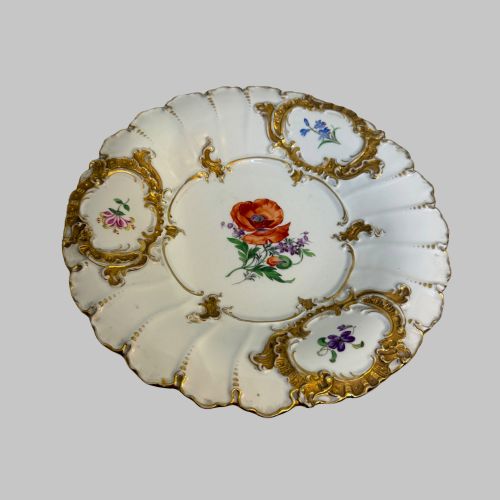


Botanical Floral Porcelain Plate
These botanical floral porcelain plate examples bring hand-painted flora to the table, valued for intricate floral studies and fine cabinet display.
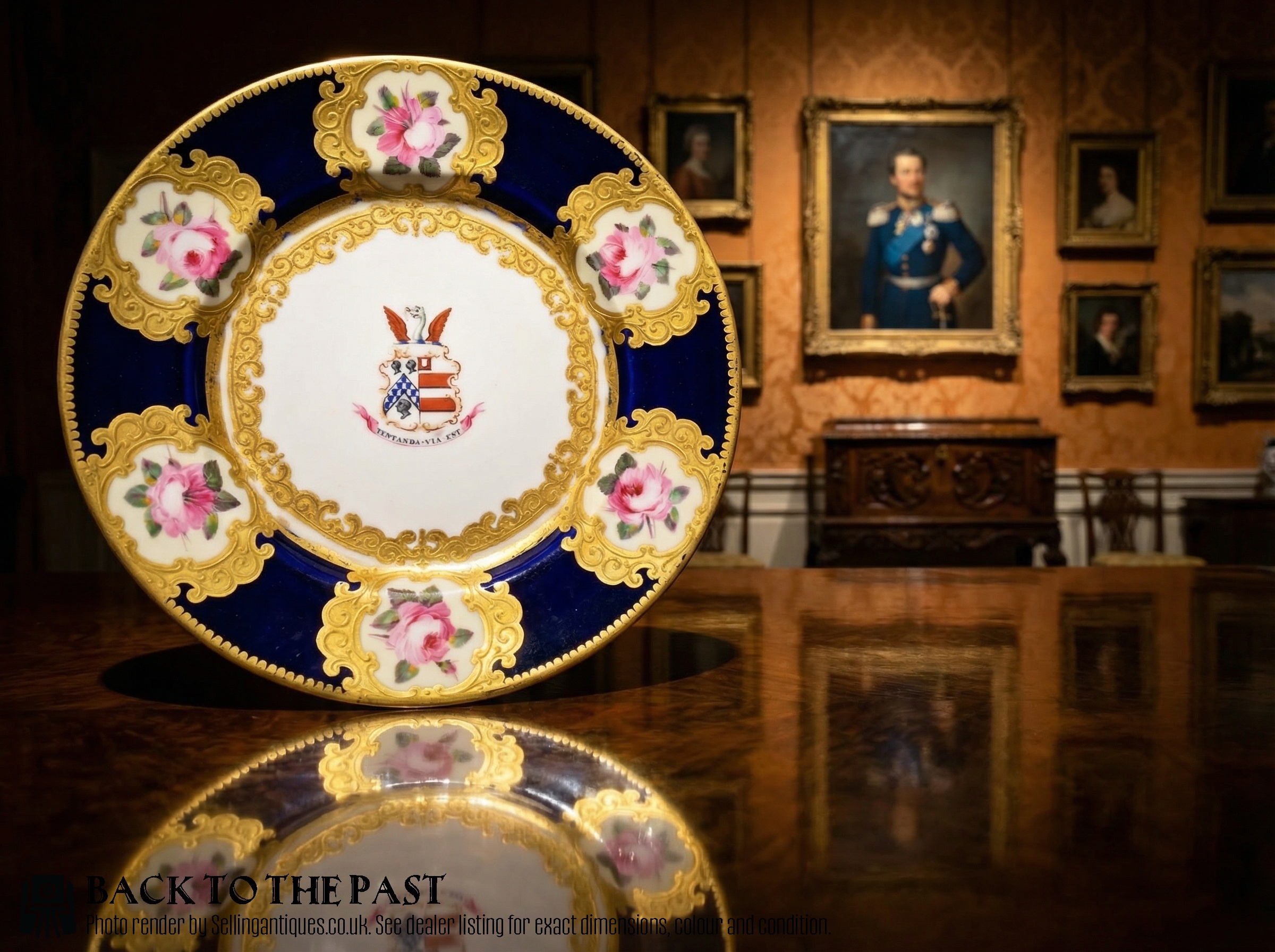
Botanical Floral Porcelain Plate
A botanical floral porcelain plate is typically found in forms such as cabinet plates, dessert services, and serving dishes spanning the eighteenth, nineteenth, and early twentieth centuries. These pieces originate from notable English, German, French, and Chinese kilns, reflecting periods from Georgian and Regency to Victorian, Edwardian, and Art Nouveau.
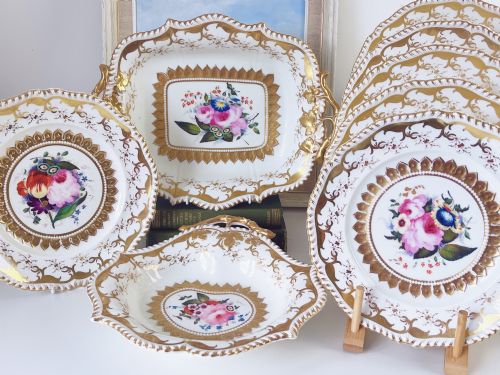
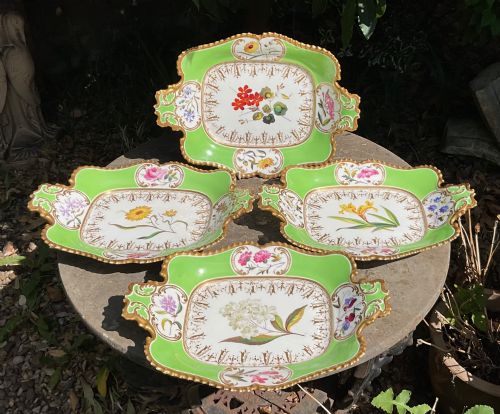
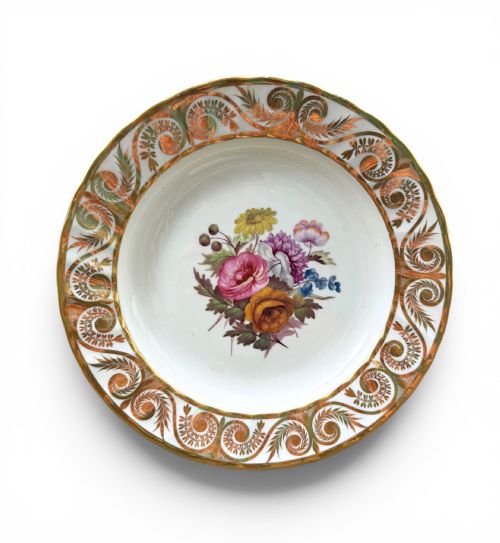
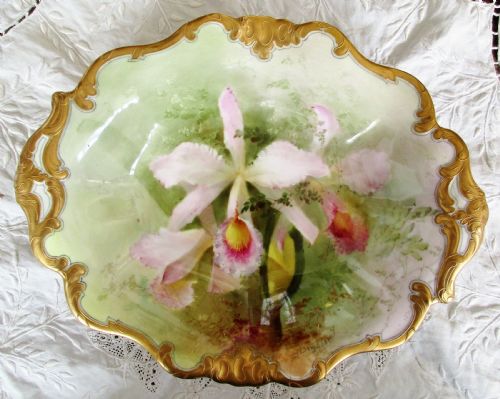
The buyer encountering this selection will meet individual cabinet pieces alongside parts of larger dessert services. These plates showcase hand-painted blooms, ranging from named orchid studies to naturalistic garden bouquets.
Examples often display rich gilding, enamel detailing, and specific maker marks on the reverse. The variety extends from early hard-paste porcelain dishes to later bone china iterations.
Materials and production methods
The manufacture of these wares relies upon porcelain bodies, bone china, and hard-paste porcelain, shaped into plates, serving dishes, and soup vessels. Artisans coated these ceramic bases with smooth glazes to prepare surfaces for subsequent decoration.
Makers applied hand-painted enamel colours and gold leaf highlights, often firing the pieces multiple times to fix the detailed floral subjects. Gilding and enamel work required steady hands and precise kiln temperatures to achieve lasting brilliance.
Some nineteenth-century decorators apparently loved orchids so much they named every single petal, ensuring the flowers outlived the greenhouse.
Distinctions in craftsmanship and condition
Quality rests significantly upon the precision of the hand-painted botanical artwork and the identity of the decorator or factory. Finer pieces demonstrate meticulous brushwork in floral details, such as distinct orchid studies, combined with lavish gilding.
The crispness of the porcelain body, the preservation of enamel colours, and the presence of clear factory marks on the reverse elevate certain plates above standard production wares.
Grainger Lee & Co·Chamberlains Worcester·Royal Doulton·Meissen·Furstenberg·Spode·Sevres·Coalport·Royal Worcester·Ridgway·Nantgarw·New Hall·Rockingham·Bloor Derby·Royal Crown Derby·Wedgewood
The Botanical Floral Porcelain Plate Glossary
- Cabinet plate
- A decorative plate intended for display in a cabinet rather than for daily dining use. These items usually feature high-artistic painting or elaborate borders.
- Dessert service
- A matching set of plates and serving dishes designed for the final course of a formal meal. They often share a unified floral theme and gilt decoration.
- Hard-paste porcelain
- A durable ceramic material composed of kaolin and petuntse fired at high temperatures. It forms a dense, vitrified body common in European and Asian production.
- Bone china
- A type of soft-paste porcelain incorporating bone ash, producing a strong, translucent body. It became a favoured medium for English factories.
- Enamel
- Opaque glass-like pigments applied over the glaze to introduce vibrant colours to the plate surface. These colours are fixed through subsequent kiln firings.
- Gilding
- The application of gold leaf or gold paint to highlight rims, handles, and decorative borders. It adds a layer of refinement to the finished dish.
Botanical Floral Porcelain Plate: Frequently Asked Questions
How do I display a botanical floral porcelain plate?
These plates suit wall mounting with appropriate protective hangers or placement within glass-fronted cabinets. Such methods protect the enamel surfaces from accidental impact while keeping the hand-painted designs visible.
Ensure that display stands support the foot rim securely without placing undue stress on the gilded edges.
Were these plates used for dining?
Many examples originated as part of larger dessert services intended for formal dining tables. Over time, finer specimens transitioned into cabinet pieces collected purely for their visual appeal.
Their survival in good condition often depends on whether they remained protected in dining room sideboards or saw active service.
How do I identify the maker of my plate?
Makers marked their wares using painted signatures, impressed stamps, or printed transfer marks on the underside or reverse. Examining these marks alongside the style of painting helps link pieces to specific factories.
Certain houses also included pattern numbers or named botanical subjects alongside the manufacturer insignia.
What is the difference between hard-paste and bone china?
Hard-paste porcelain utilises natural clay minerals fired at extremely high temperatures, resulting in a vitreous and robust body. Bone china incorporates calcined animal bone into the paste, offering a distinct translucency and whiteness.
Both materials served as canvases for detailed floral painting throughout the eighteenth and nineteenth centuries.
Can I wash these plates in a dishwasher?
These antique plates require gentle hand washing in lukewarm water with mild soap. Mechanical dishwashers subject delicate enamels and gold leaf to harsh detergents and abrasive water pressure.
Dry the pieces promptly with a soft cloth to preserve the historical glaze and painted details.