


Gilded Dessert Plate
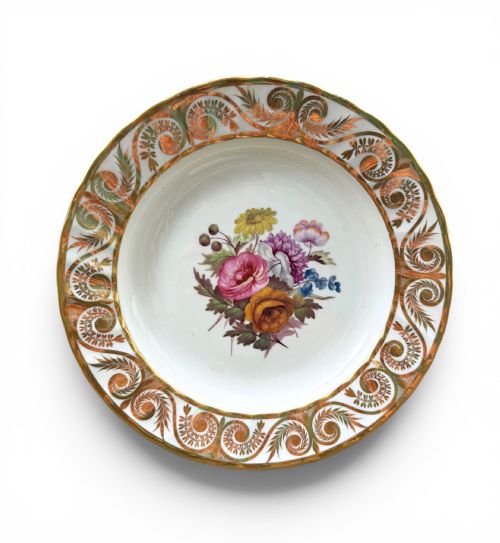
A gilded antique dessert plate brings the table the painted panels and bright gold work of the eighteenth and nineteenth centuries.
Gilded Dessert Plate
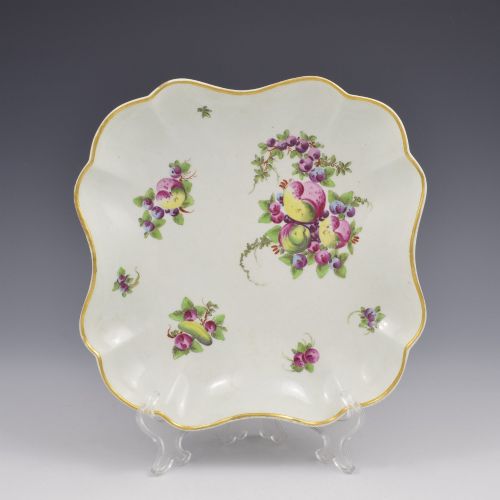
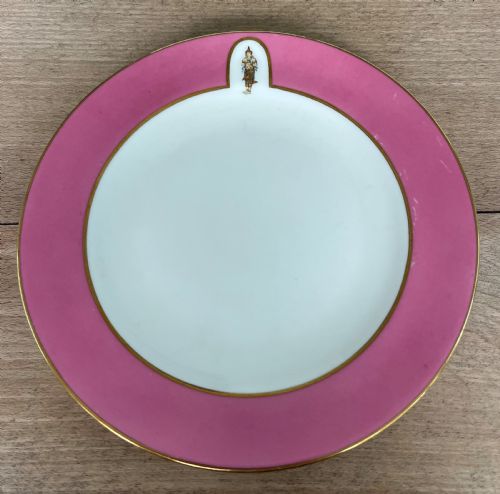
When you search for a gilded antique dessert plate, you look at items shaped for the final course of a formal meal, spanning the eighteenth century through to the early twentieth century. The selections available encompass porcelain and bone china forms, including cabinet plates, serving dishes, and complete dessert services.
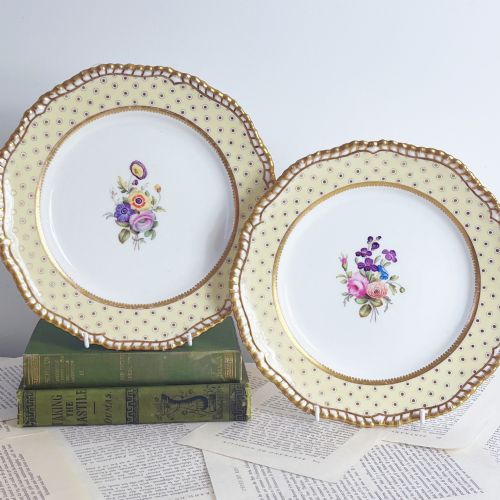
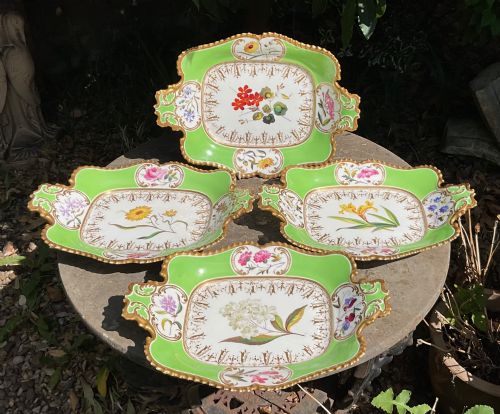
You are most likely to meet pieces from the Regency and Victorian periods, often decorated with botanical studies, armorial bearings, or hand-painted landscapes. These items originate from English factories such as Worcester, Derby, Coalport, and Minton, alongside continental porcelain houses.
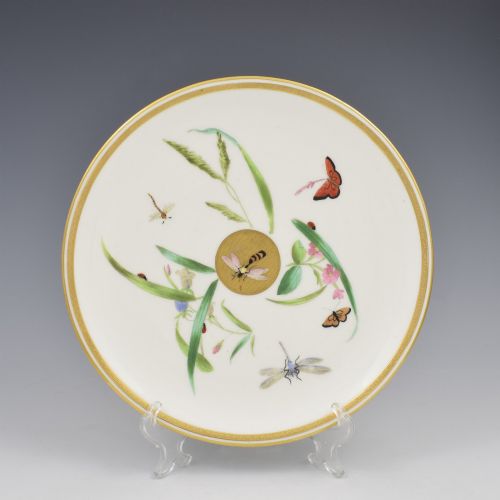
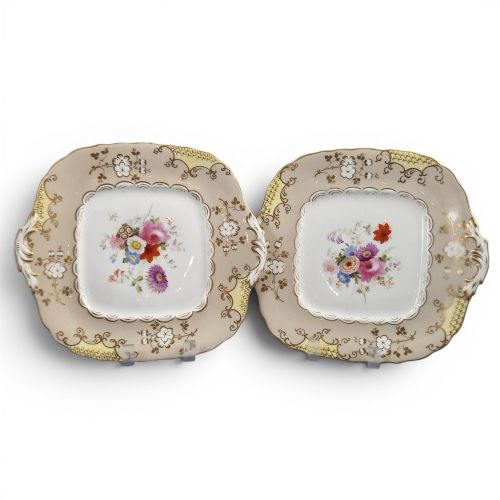
The assortment includes individual cabinet pieces and pairs as well as larger services comprising comports and shaped dishes. They display styles ranging from Rococo Revival and Grand Regency to Aesthetic Movement Japanese patterns.
How they were made
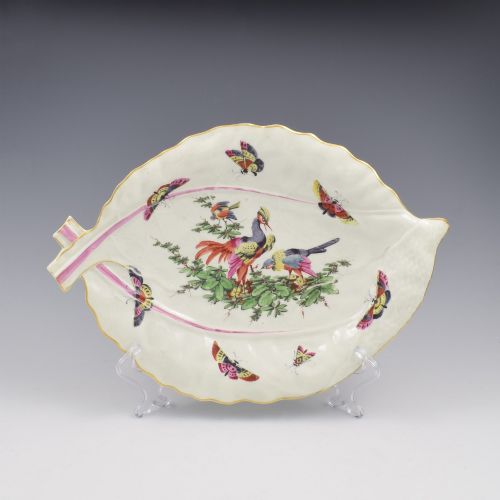
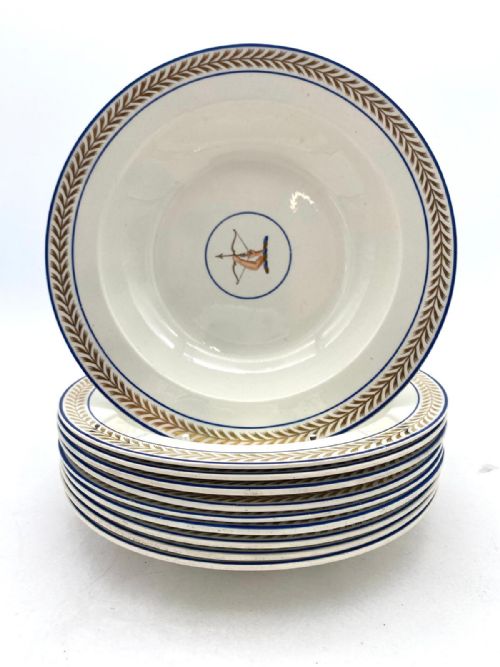
Makers utilised soft-paste porcelain, bone china, creamware, and ironstone china, shaped into plates, square lobed dishes, and basketweave forms. These bodies provided the smooth ground required for detailed enamel painting and surface gilding.
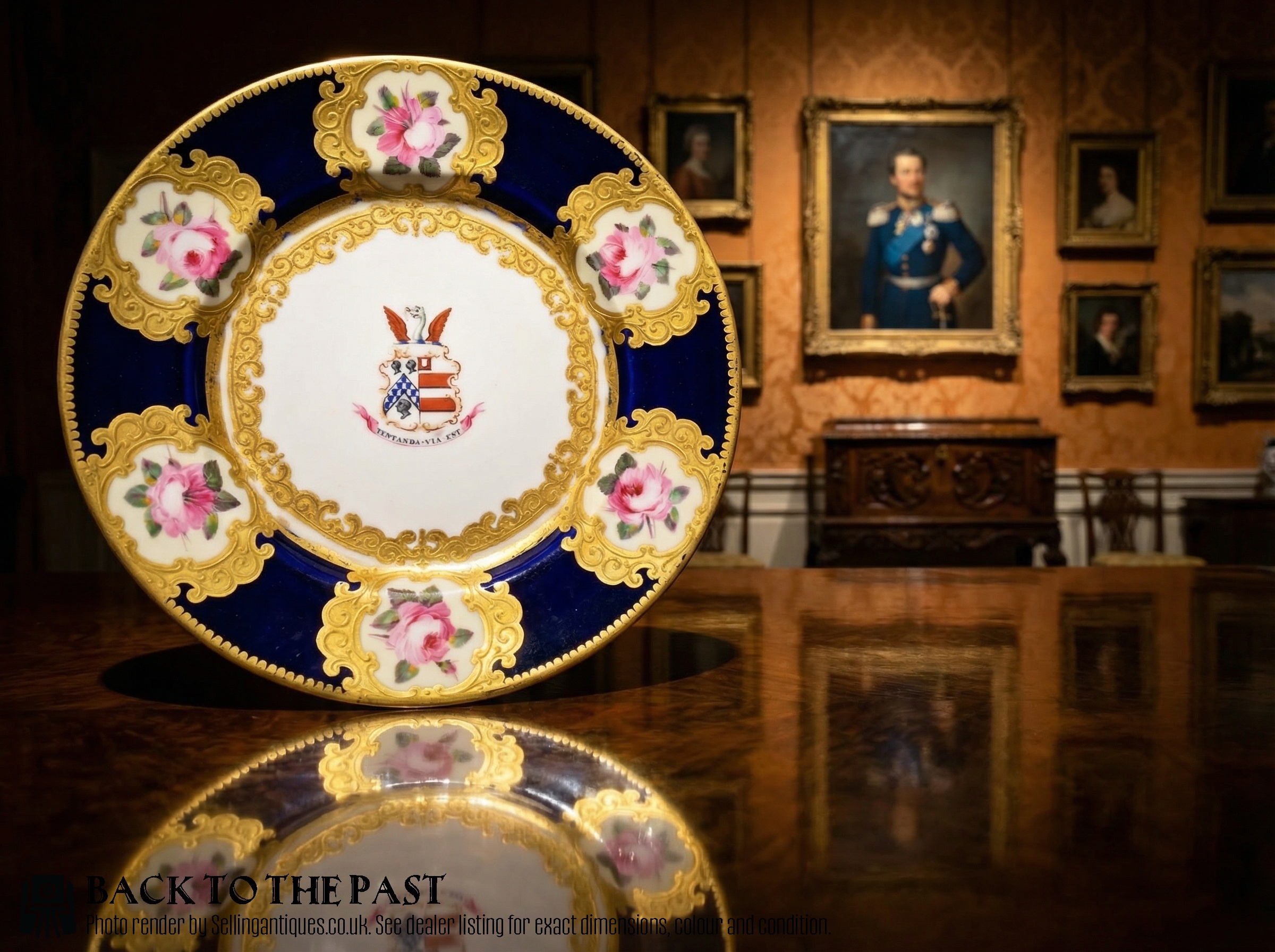
Applied gold leaf and liquid gilding highlight borders, rims, and motifs, often combined with hand-painted botanical, topographical, or avian scenes. Skilled decorators executed these designs by hand before a secondary kiln firing fixed the metallic and enamel pigments to the glaze.
Common decorative themes include botanical studies, Japanese-style motifs, armorial crests, and hand-painted landscapes.
What varies in quality
The standard of painting defines the upper tier of these pieces, where named artists rendered botanical studies, insects, or topographical views with fine brushwork. Softer factory output relied on simpler printed outlines filled with flat washes of colour.
The execution of the gilding also sets items apart, with dense burnished gold leaf showing greater depth than thin painted applications that have worn away through handling. The clarity of the porcelain body and the crispness of moulded details like basketweave or raised scrolls further separate standard production from superior work.
Spode·Royal Crown Derby·Chamberlains Worcester·Minton·Wedgwood·Coalport·Cauldon Ltd·John Ridgway·Rockingham Pottery·Flight Barr And Barr·Kerr And Binns·Masons·Sevres·Meissen·Bloor Derby
The Gilded Dessert Plate Glossary
- Gilt
- A thin application of gold or gold leaf used to decorate the surface of ceramics. It catches the light along the raised borders of dessert plates.
- Soft-Paste Porcelain
- An artificial porcelain mixture fired at lower temperatures than hard-paste, common in eighteenth-century English factories. It yields a warm, slightly translucent body well suited to enamelling.
- Armorial
- Bearing a coat of arms or heraldic crest hand-painted onto the ceramic surface. These bespoke services were commissioned by landed families.
- Comport
- A raised dish or pedestal bowl designed to hold fruit or sweetmeats as part of a formal dessert service. It stands above the flat plates on the table.
- Ironstone
- A heavy, durable type of earthenware patented in the nineteenth century to imitate porcelain. It offered a sturdy alternative for everyday serving dishes.
Gilded Dessert Plate: Frequently Asked Questions
How were these plates used?
These pieces served fruit, sweetmeats, and confections during the final course of a formal dinner party. They were brought out after the main table had been cleared and the cloth removed.
Guests handled them to select small portions from the central service dishes or comports. Many were decorative cabinet plates meant for display rather than dining.
Can I use them for dining?
Historic plates with delicate enamel painting and burnished gold leaf require careful handling. Modern dishwashers and harsh detergents will quickly ruin the hand-applied gilding.
Gentle hand washing in warm soapy water preserves the glaze and pigments. Most owners choose to display them on stands or use them only for special occasions.
How do I tell factories apart?
Makers marked their wares with painted scripts, impressed stamps, or transfer-printed ciphers on the underside. These marks evolved over time and help date the piece.
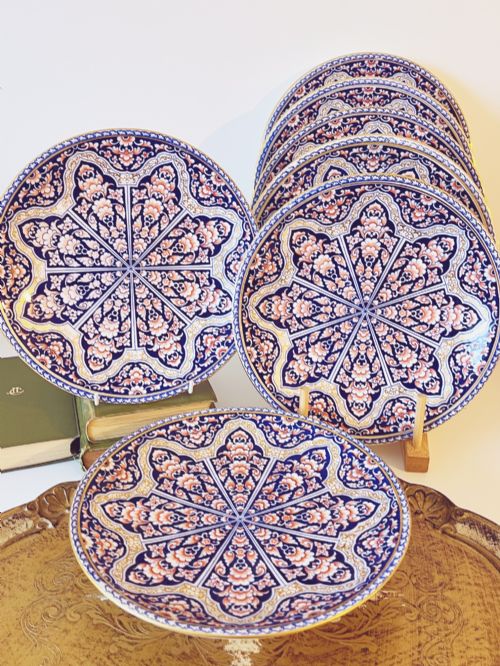
Factory styles and specific palette choices, such as the distinctive blue and orange Worcester patterns, also point toward particular workshops.
What is a dessert service?
A dessert service is a matched suite of plates, serving dishes, and footed comports made for the dessert course. They were produced in sets ranging from a few plates up to dozens of pieces.
Matching items share a unified pattern, palette, and factory mark. Finding a complete service together is unusual due to breakages over generations.