


Nineteenth Century Worcester Ceramic
Nineteenth century worcester ceramic pieces span delicate Georgian tea wares and bold Victorian figures, offering collectors fine porcelain shaped by notable factories.
Nineteenth Century Worcester Ceramic
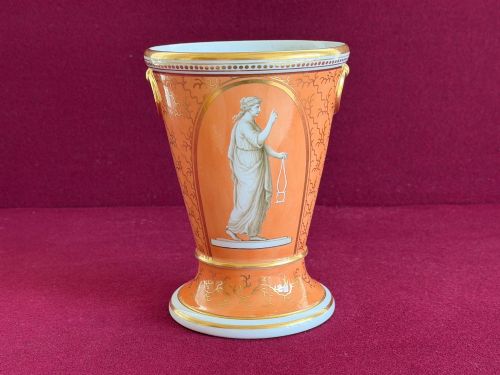
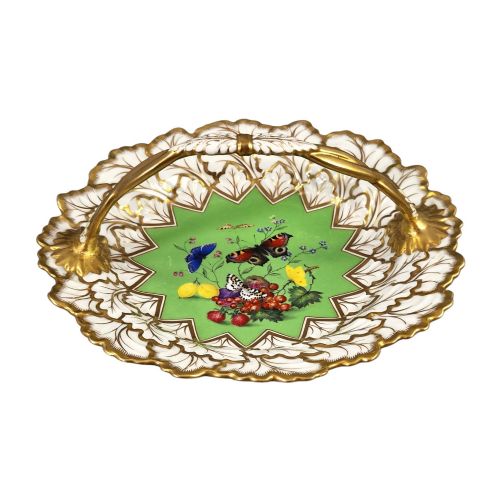
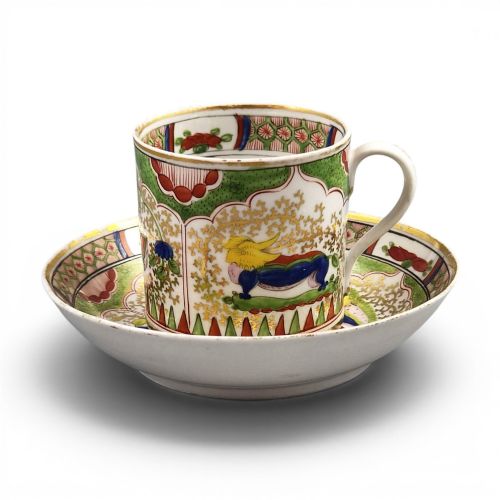
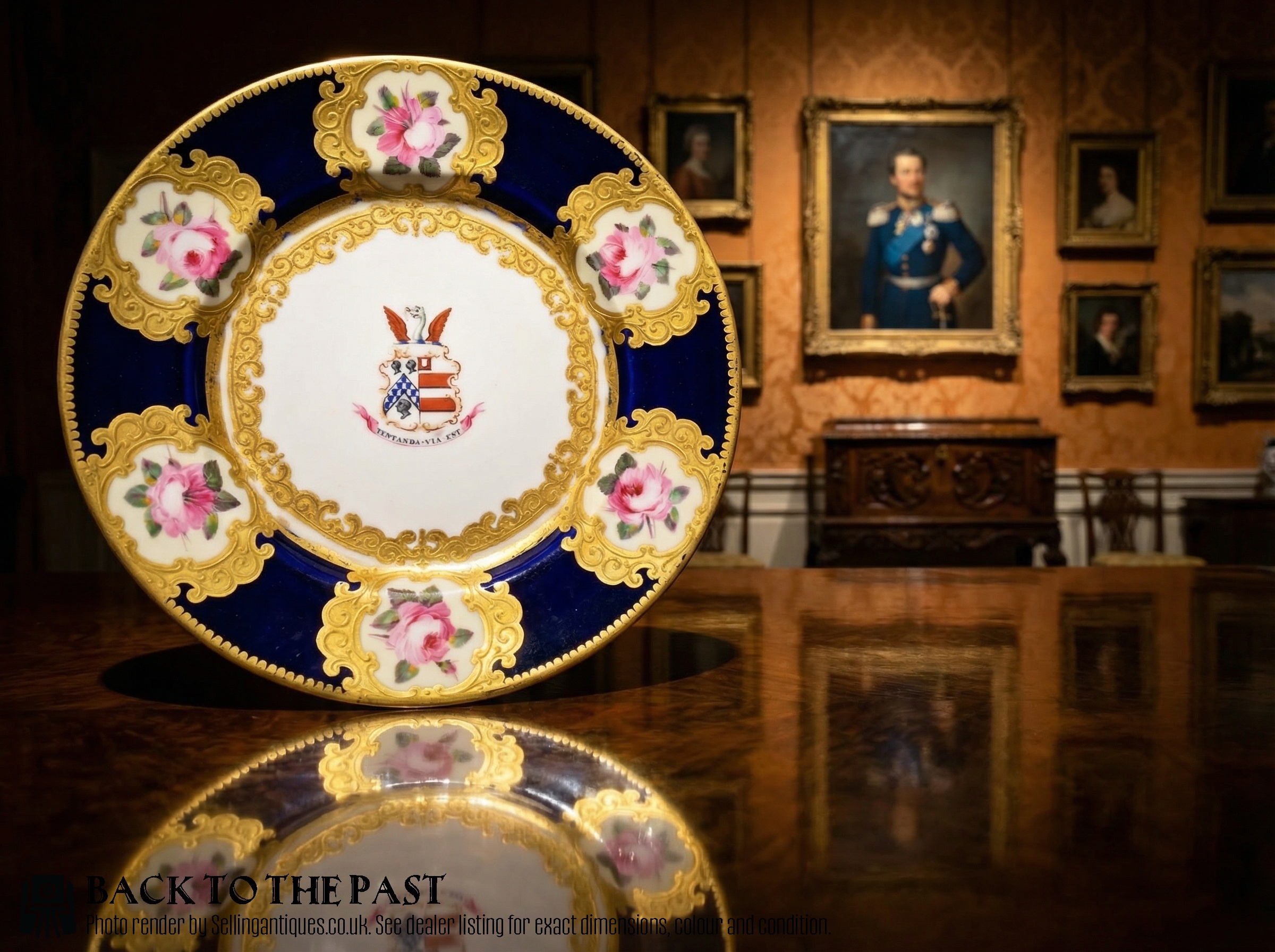
Nineteenth century worcester ceramic pieces encompass a diverse array of domestic and decorative objects produced across the Georgian, Regency, and Victorian eras. Collectors encounter utilitarian tea wares alongside sculptural figures and ornamental vessels.
The selections on this page feature notable forms such as coffee cups and saucers, teacups and saucers, decorative plates, and dessert dishes. Larger decorative items include jardinieres, vases, decorative baskets, and pastille burners.
Figurines form a distinct category within these offerings, ranging from sculptural maidens and majolica children to specific works titled by makers. These pieces showcase the stylistic shifts from early nineteenth century neoclassical tastes to late Victorian aesthetics.
What varies in quality
The refinement of the ceramic body and the crispness of the moulded detail distinguish standard production from exceptional output. Hand-painted enamel work and the precision of gilding demonstrate the skill invested by the decorator.
Provenance and attribution to specific manufacturers or named artists elevate the standing of a piece within the field. The complexity of the form, such as multi-figure groups or sculptural ewers, further separates basic wares from masterworks.
Flight And Barr·Flight Barr And Barr·James Hadley·Chamberlains Worcester·Royal Worcester·Barr Flight And Barr·Chamberlain Worcester
The Nineteenth Century Worcester Ceramic Glossary
- Porcelain
- A vitrified ceramic material made by heating raw ingredients to high temperatures, known for its fine grain and white body. It forms the basis of the majority of tea wares and decorative vessels.
- Pastille burner
- A small ceramic vessel designed to burn scented pastilles, usually pierced with holes to release fragrance. These often take the form of miniature cottages or architectural follies.
- Majolica
- A type of earthenware coated with an opaque tin glaze and painted with brightly coloured metal oxide pigments. It gained popularity during the Victorian period for figurative and utilitarian objects.
- Jardinere
- A large ornamental pot or stand designed to hold a plant or floral arrangement. These vessels frequently feature handles and rich decorative painting.
- Enamel
- A decorative vitreous composition fused to the surface of the ceramic through firing. It provides the vibrant colours found on painted birds, flowers, and armorial crests.
Nineteenth Century Worcester Ceramic: Frequently Asked Questions
How do I identify a Chamberlain Worcester piece?
Chamberlain Worcester pieces are often identified through specific pattern names like Jabberwocky or through painted marks and inscriptions relating to the factory.
Collectors look at the distinct paste, enamel palettes, and typical forms such as dessert plates and teacups associated with the firm's output.
What is a pastille burner used for?
Pastille burners served as domestic room deodorisers in the nineteenth century by holding and burning scented aromatic pastes inside a decorative ceramic enclosure.
Their cottage or building designs allowed fragrant smoke to drift out through chimneys and windows.
How can I tell Georgian Worcester from Victorian Worcester?
Georgian Worcester items typically display neoclassical Regency styling, delicate tea wares, and hand-painted armorial or bird motifs.
Victorian pieces often shift toward bolder sculptural forms, majolica glazes, and named artist works such as those by James Hadley.
Are Royal Worcester figurines marked?
Royal Worcester figurines frequently carry factory stamps, date codes, and sometimes the signature of the modeller or decorator pressed into the paste or painted on the base.
Figurines like the majolica children or named subjects often bear specific registry or patent details.