


Regency Period Plates
These regency period plates bring precise early nineteenth-century artistry and form to a room through porcelain, earthenware, and metal.
Regency Period Plates
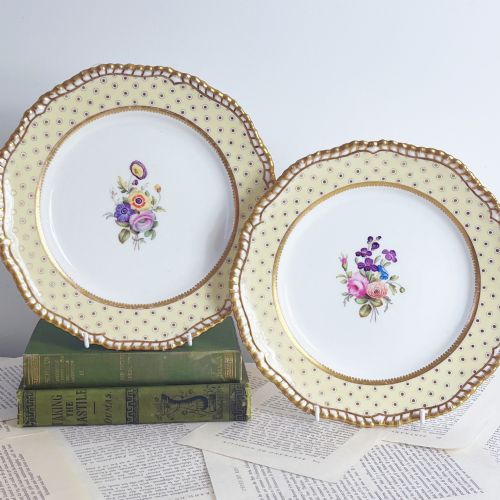
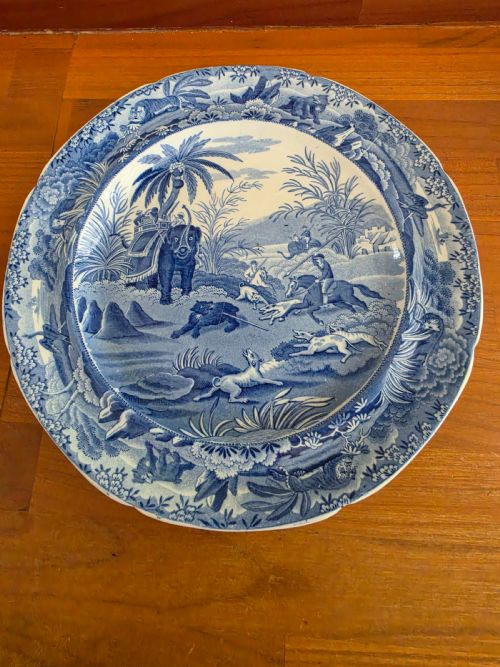
When you search for regency period plates, you encounter porcelain dessert services, botanical serving dishes, and earthenware plates produced during the early nineteenth century and the wider Georgian era.
The selections on this page lean heavily toward fine English porcelain and earthenware dinnerware, alongside decorative items that incorporate the term plate in their manufacture.
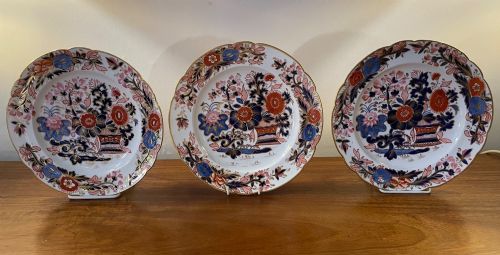
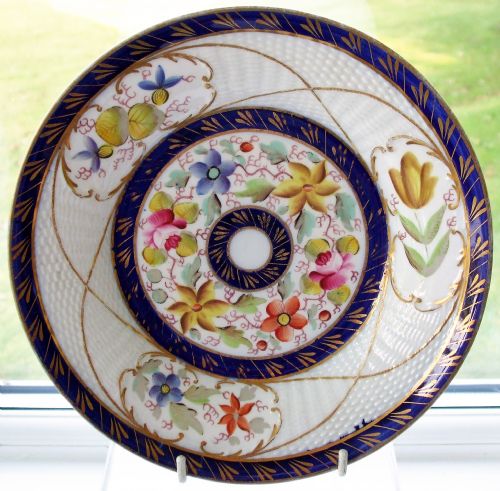
Makers such as Spode, Minton, Coalport, and Worcester dominate the ceramic offerings, often featuring topographical scenes, Imari palettes, or floral motifs typical of the period.
Making and Materials
Ceramic pieces utilise hard-paste or soft-paste porcelain and earthenware bodies, painted by hand with enamel colours and finished with gilding.
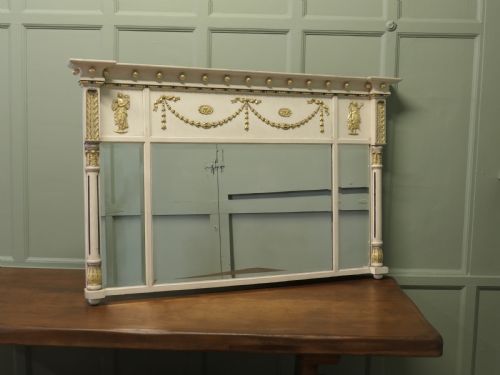
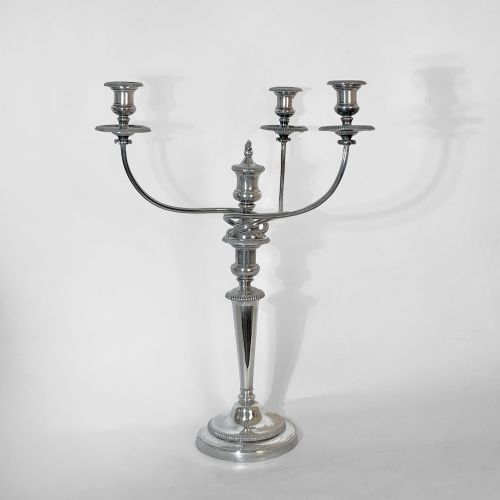
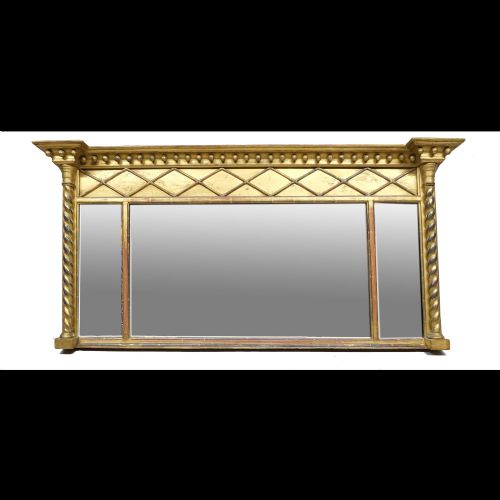
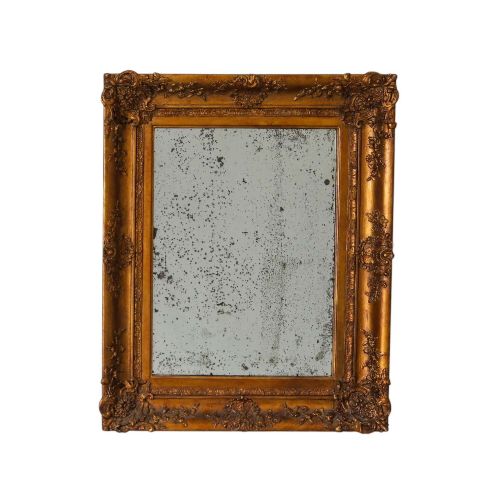
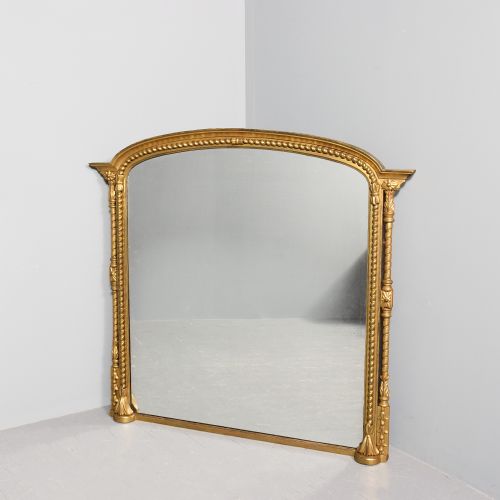
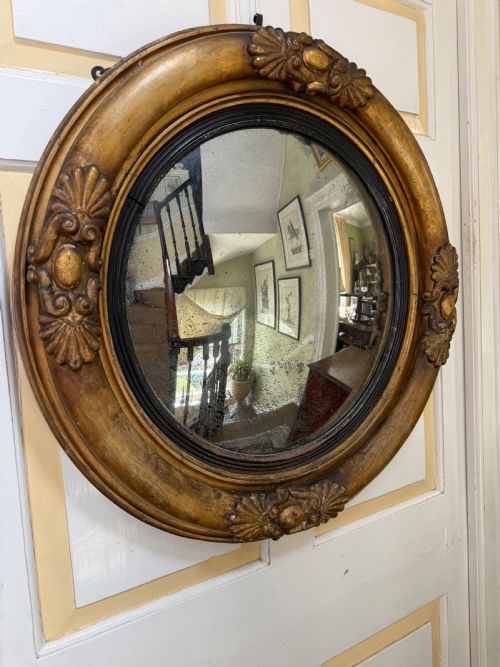
Metal items employ Old Sheffield Plate, fusing a layer of silver onto a copper core, alongside brass and giltwood applied to mirror plates.
Potters shaped these wares on wheels or in moulds before multiple firings set the intricate underglaze and overglaze decoration.
Listings feature ceramics in porcelain and earthenware alongside silver-plated metalware and giltwood mirrors from the nineteenth century.
Judging Quality
Quality rests upon the crispness of the hand-painted details, the vibrancy of the enamel palette, and the preservation of the original gilding.
In ceramic forms, the translucency of the porcelain body and the complexity of the transfer-printed or hand-painted subject elevate the piece.
Metalwork quality shows in the weight of the Old Sheffield Plate, the clarity of the fused silver, and the precision of applied cast mounts.
Spode·Minton·Coalport·Flight Barr And Barr·Chamberlain Worcester·C J Mason·Wedgwood·Matthew Boulton And Co
The Regency Period Plates Glossary
- Imari palette
- A decorative scheme utilising underglaze blue, iron red, and gilt, inspired by Japanese export porcelain.
- Old Sheffield Plate
- A composite material made by fusing a sheet of silver to a thicker copper ingot, common in early nineteenth-century metalware.
- Felspar
- A type of porcelain body developed by Spode in the early nineteenth century, known for its durability and bright white surface.
- Overmantel mirror
- A large horizontal mirror designed to hang specifically above a fireplace mantelpiece, often featuring triple plates.
Regency Period Plates: Frequently Asked Questions
How do I identify a genuine piece?
Examine the weight of the ceramic body, the hand-painted brushwork under magnification, and any factory marks impressed or painted on the reverse.
Compare the motifs and colour palettes against documented patterns from factories active in the early nineteenth century.
Can I use these plates for dining?
Most antique ceramics from this era are intended for display or light service rather than heavy daily use. The delicate enamels and historical glazes degrade with modern dishwashers and cutlery.
Hand washing in lukewarm water with mild soap protects the glaze and preserves the original gilding.
What defines the Regency style?
The style draws heavily from neoclassical and Grecian revival influences, featuring symmetrical lines, classical motifs such as laurel wreaths and griffins, and Chinoiserie elements.
It bridges late Georgian austerity and the heavier Victorian aesthetic through refined proportions and restrained ornamentation.
How should I display serving dishes?
Plates and dishes look best mounted securely on plate hangers for wall display or arranged within a traditional cabinet to protect them from knocks.
Keep them away from direct sunlight to prevent the enamel colours and gilt highlights from fading over time.