

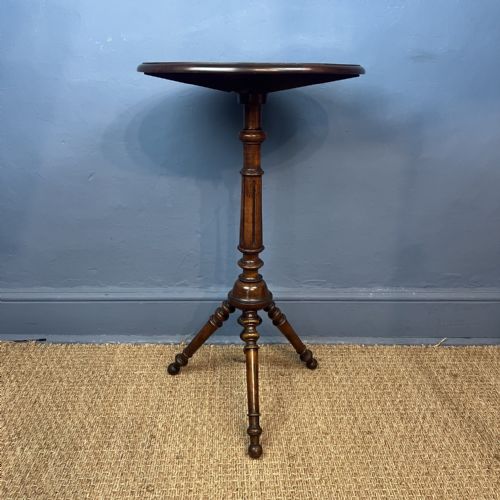
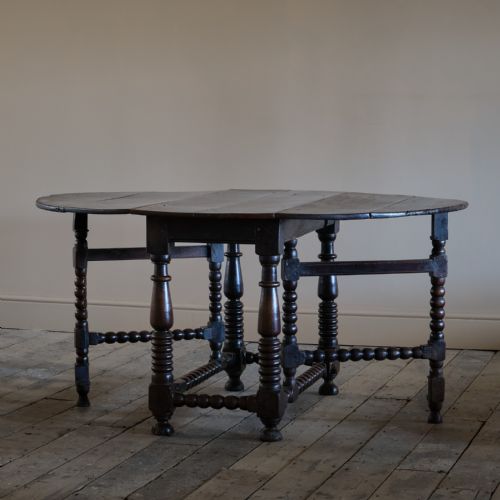

Bobbin Turned Leg Table
When you search for a bobbin turned leg table, you are looking at centuries of lathe work where solid timber meets repetitive, spool-like turning.
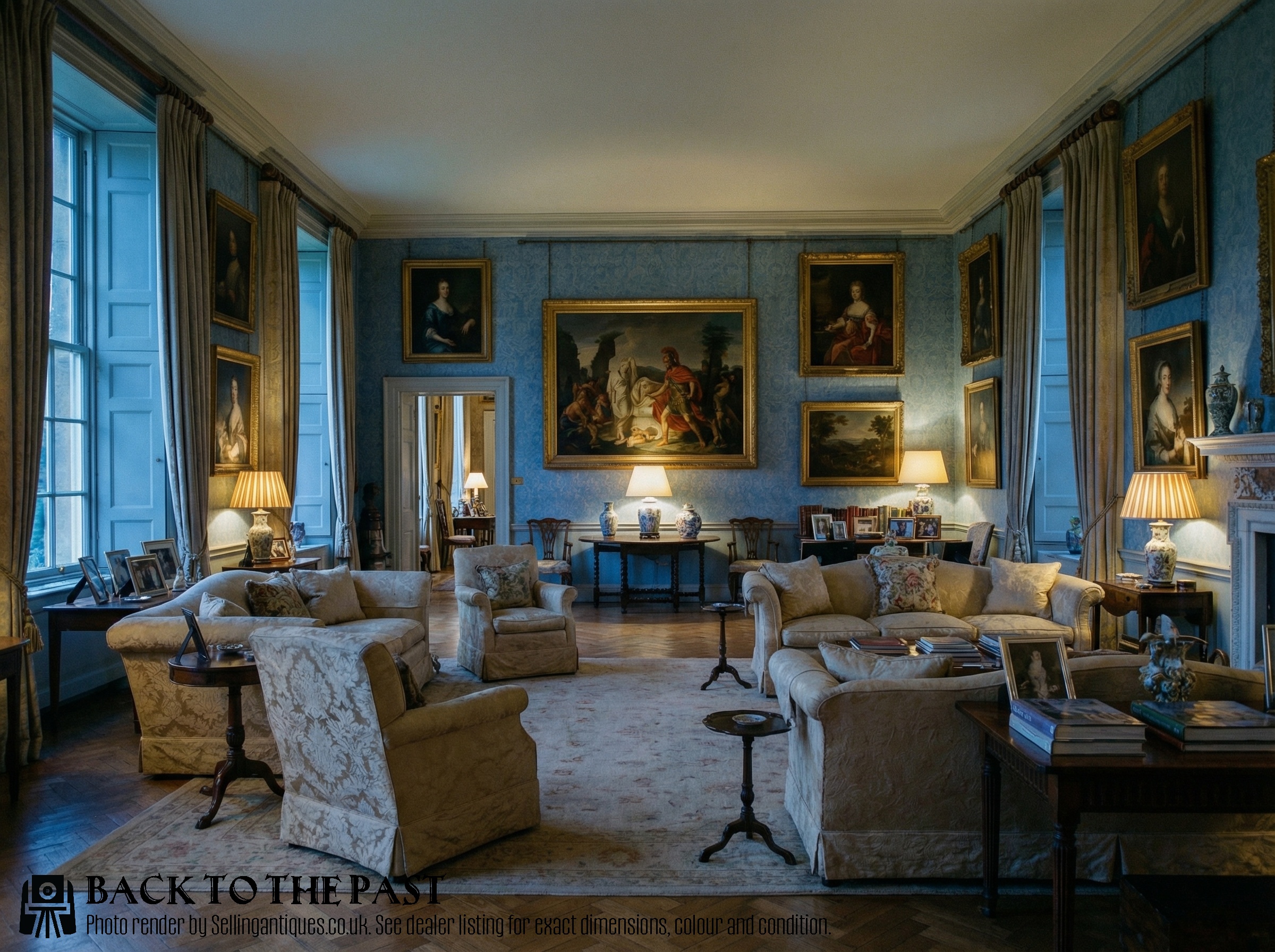
Bobbin Turned Leg Table
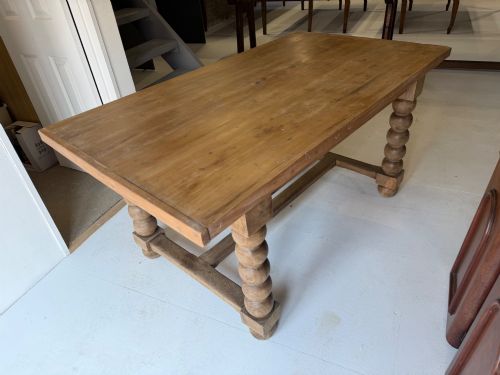
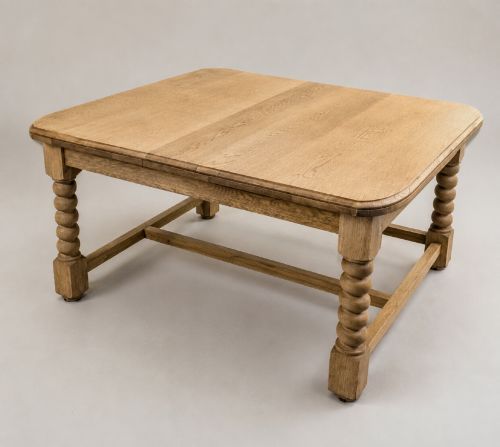
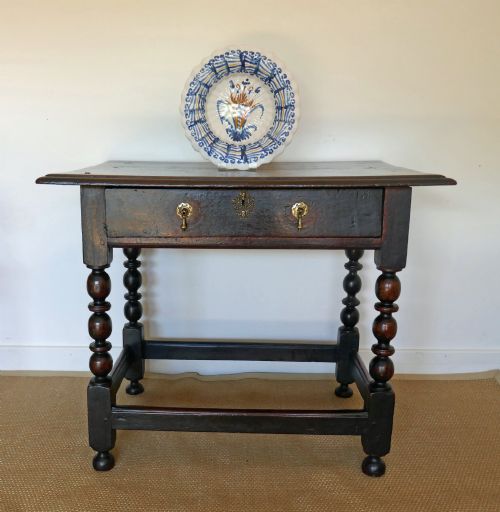
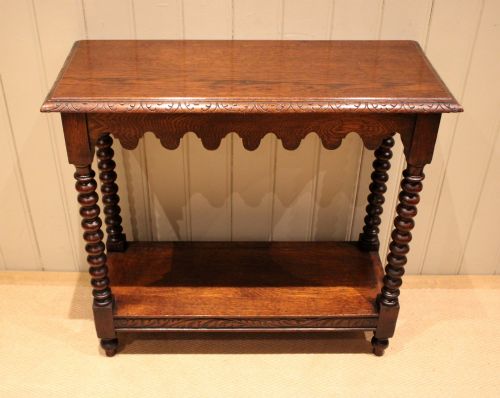
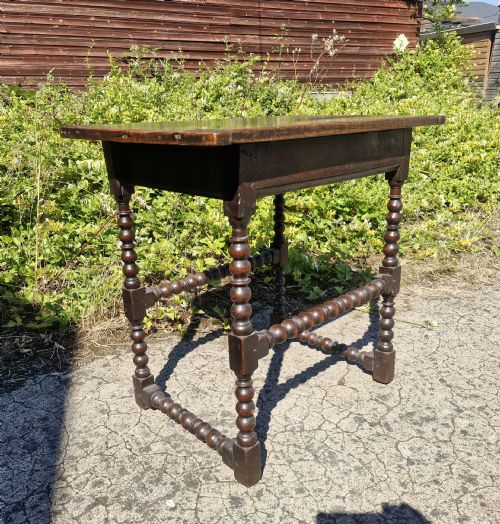
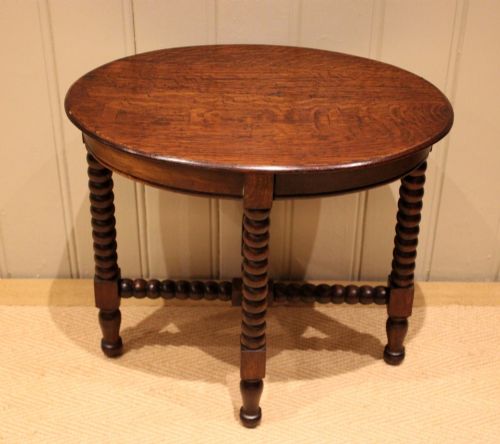
A bobbin turned leg table brings together seventeenth-century origins and later revivals, spanning side tables, gateleg dining forms, and compact occasional surfaces. The core of the selection relies on sturdy oak and walnut framing, shaped by repeated rounded spindles carved directly into the wood.
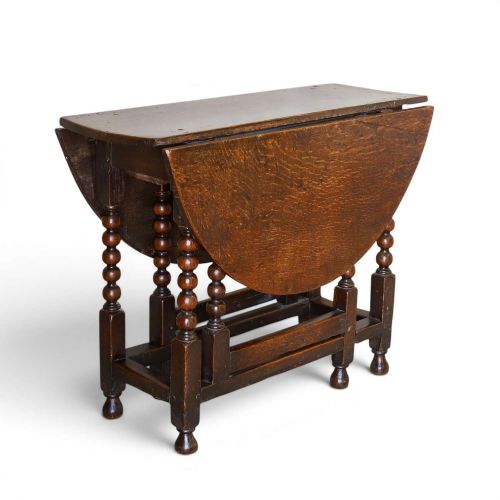
The heaviest concentration of pieces bridges seventeenth-century Charles II output and later nineteenth-century revivals. Side tables and drop-leaf gateleg formats dominate the records, reflecting domestic needs for flexible folding furniture through the centuries.
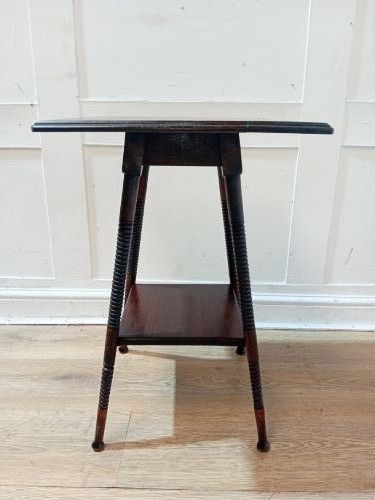
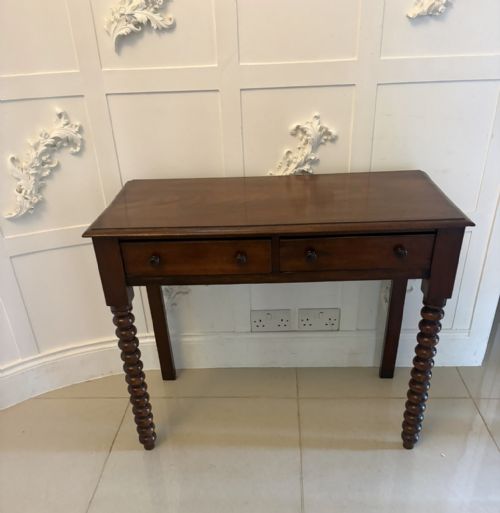
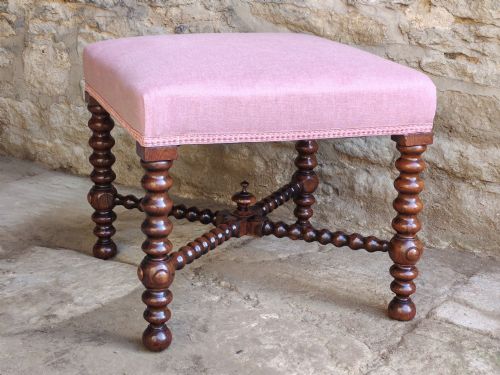
Beyond the standard dining and side tables, the category extends to writing desks, stools, and small hall consoles. These smaller iterations utilise the same characteristic spool turning on their legs and interconnecting stretchers to provide structural rigidity.
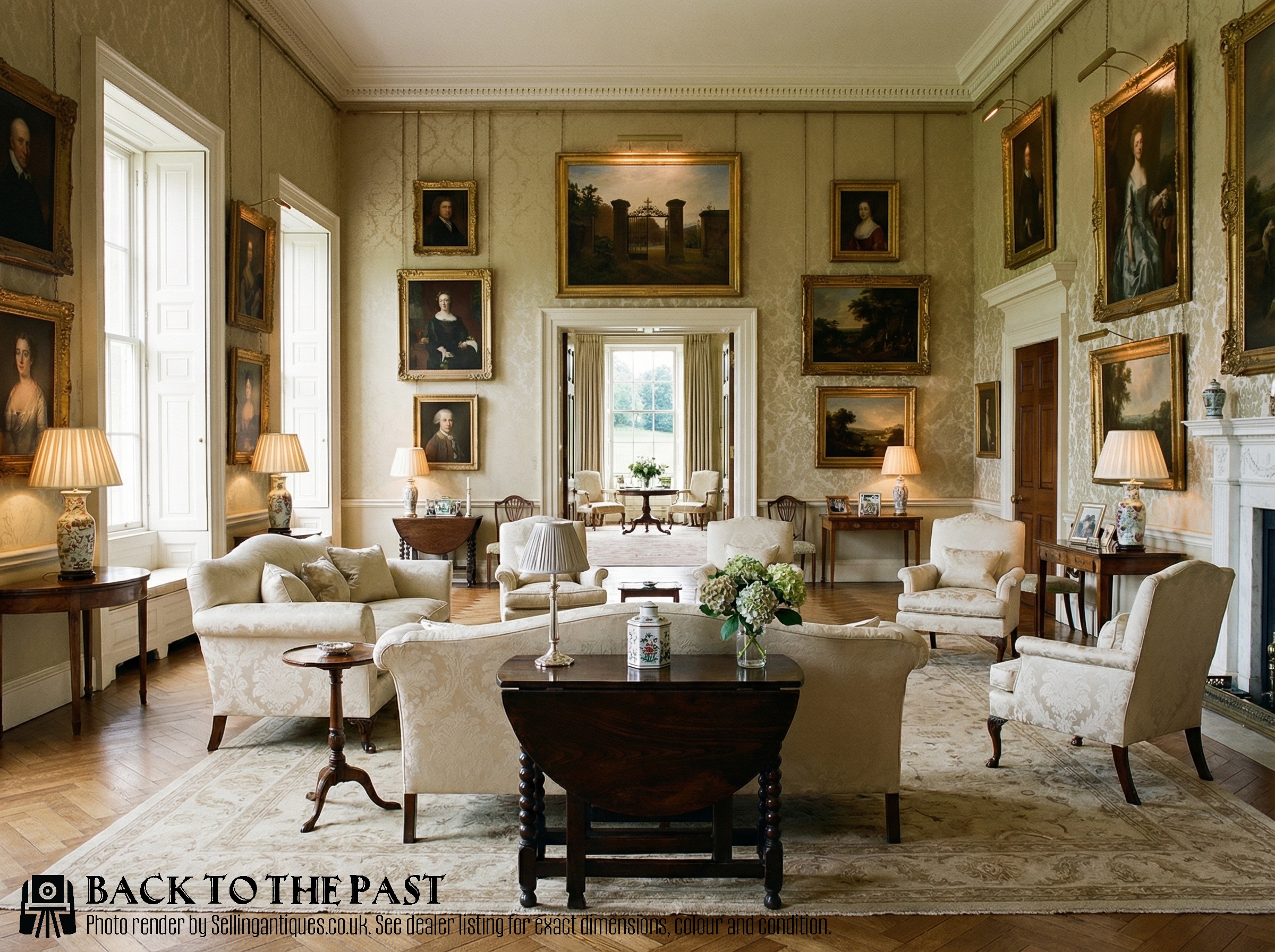
How they were made
Makers shaped the characteristic bobbin legs on a lathe, turning solid blocks of oak, walnut, or mahogany into regular sequences of spool and reel shapes. Joinery relied on traditional pegged mortise and tenon construction, anchoring the turned legs firmly into heavy rails and stretchers.
Surface finishes range from natural waxed oak to ebonised fruitwood and polished mahogany. Cabinetmakers often worked with native hardwoods like elm and yew for secondary timbers, joining tabletops with pegged planks or hinged drop leaves.
Bobbin Turned Leg Table Retail Price Guide 2026
Typical asking prices for bobbin turned leg table among the pieces listed under this phrase on Sellingantiques today, from the lower quarter to the upper quarter. They describe what is for sale here now, not the wider market.
Every bobbin leg started as a stubborn square block before the lathe turned it into a regimented row of wooden wooden beads.
What varies in quality
Quality rests in the crispness of the lathe work and the uniformity of the spool turnings across all four legs. Finer examples maintain proportional balance between the heavy timber tops and the intricate, repetitive wooden bobbins beneath.
The integrity of the timber joints and the presence of original pegging dictate the structural longevity of the piece. Tables retaining their early patinated surfaces and original stretchers command greater appreciation than those altered by later restoration.
William Birch·Liberty of London
The Bobbin Turned Leg Table Glossary
- Bobbin turning
- A form of lathe turning that produces a series of rounded, spool-like wooden shapes resembling thread bobbins placed end to end. This ornamental turning style defines seventeenth-century vernacular furniture and its later nineteenth-century revivals.
- Gateleg table
- A drop-leaf table featuring hinged legs that swing outward to support the folding flaps when raised. They provide an expandable surface while remaining compact when folded against a wall.
- Stretcher
- A horizontal wooden rail connecting the legs of a table below the top to provide lateral stability. On these pieces, stretchers are frequently turned to match the profile of the legs.
- Patina
- The deep, lustrous surface sheen developed on old wood over centuries through handling, polishing, and natural oxidation. It serves as a visual indicator of age and continuous use.
Bobbin Turned Leg Table: Frequently Asked Questions
How do I date a bobbin turned table?
Dating relies on examining the timber species, construction methods, and hardware used in the frame. Seventeenth-century examples typically feature pegged mortise and tenon joinery in oak, whereas nineteenth-century revivals may show machine-sawn elements and different secondary woods.
The character of the lathe work also offers clues to the period of manufacture. Earlier turnings tend to show hand-chiselled irregularities, while later nineteenth-century interpretations often display greater mechanical uniformity in the spool shapes.
Were these tables used for dining?
Many larger gateleg versions served as everyday dining furniture in seventeenth-century homes. Their drop leaves allowed households to clear floor space quickly when meals concluded.
Smaller side and occasional tables were designated for writing, displaying objects, or holding lamps in reception rooms. Their versatile footprints made them suitable for multiple domestic functions across different eras.
How do I care for antique oak?
Maintain the timber by applying natural beeswax sparingly and buffing it with a soft cloth to preserve the surface sheen. Avoid placing wooden tables near direct heat sources or in fluctuating humidity to prevent splitting.
Keep surfaces free from excess moisture by using coasters under glasses and plates. Gentle dusting with a dry lint-free cloth protects the historic finish without stripping the underlying patina.
What is a gipsy table?
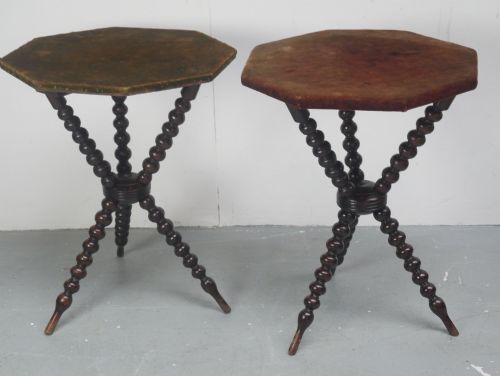
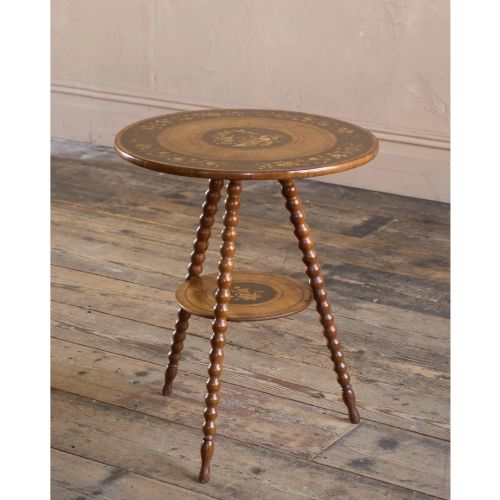
A gipsy table is a light occasional or tripod table, often draped with a fabric cloth, popular during the Victorian and Aesthetic periods. They typically feature slender turned legs and small circular tops suited for corners.
These versatile pieces were easily moved around Victorian drawing rooms to hold decorative items or reading materials. Examples frequently incorporate ebonised finishes or painted surfaces typical of the late nineteenth century.